Can You Pest-Proof a Home Completely?
Understanding how to pest-proof a home starts with accepting a simple truth: no property in Eastern Idaho stays 100% pest-free all year. Seasonal pest pressure, natural structural settling, and nearby agricultural activity constantly introduce new challenges. Complete elimination isn’t realistic. Ongoing maintenance, sealed entry points, moisture control, and routine inspections significantly reduce risk and keep activity manageable in every season.
Key Takeaways
- No home can be guaranteed completely pest-free, but long-term prevention greatly reduces pest activity.
- Small entry points such as foundation cracks, utility gaps, vents, and worn weather-stripping are common access areas for rodents and insects.
- Consistent DIY steps—sealing gaps, controlling moisture, proper food storage, and exterior maintenance—form a strong first line of defense.
- Seasonal changes and Eastern Idaho’s agricultural environment increase ongoing pest pressure.
- Professional inspections and monitoring plans provide early detection, durable exclusion work, and seasonally adjusted treatments for steady control.
Is It Realistic to Make a Home 100% Pest-Free?
No home can be guaranteed 100% pest-free—Integrated Pest Management (IPM) guidance from university extension programs emphasizes reduction and ongoing prevention rather than permanent elimination. We can significantly reduce the risk, but complete elimination isn’t realistic.
Pests are part of our natural environment in Eastern Idaho. Rodents look for warmth when temperatures drop—extension guidance on winter rodent intrusion explains why exclusion and sanitation matter most during seasonal shifts. Ants and spiders move indoors during hot, dry stretches. Overwintering insects search for protected spaces as fall approaches. Homes also settle over time, creating tiny gaps that insects and rodents can use. Even well-built houses develop small openings as materials expand and contract with seasonal shifts.
Eastern Idaho’s mix of cold winters, warm summers, and strong agricultural presence increases pest pressure. Rural properties, open fields, and nearby crops all contribute to higher rodent and insect activity. Seasonal rodents, spiders, ants, and other overwintering pests are common in Idaho Falls, Twin Falls, Pocatello, Rexburg, Rigby, and surrounding communities.
How to pest-proof your house starts with realistic expectations. Long-term pest prevention works far better than one-time fixes. Consistent maintenance, routine inspections, and targeted treatments reduce risk and keep activity manageable year-round.
How Pests Get Into Homes in Eastern Idaho
Most pest problems start with small, overlooked entry points.
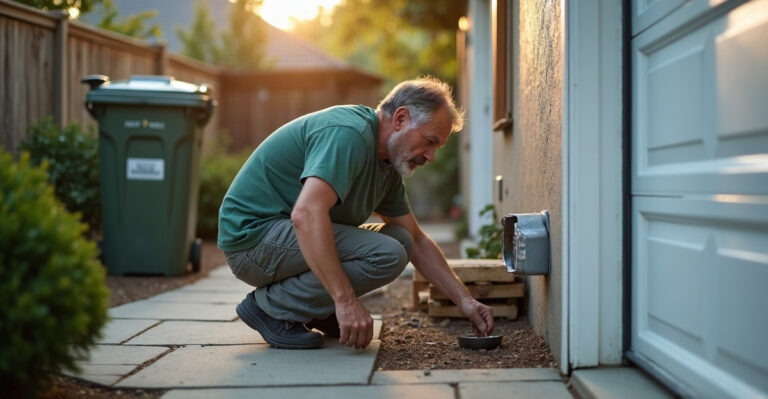
Rodents and insects can enter through structural gaps, utility line openings, foundation cracks, attic vents, and poorly sealed doors or windows. Garage thresholds often leave enough space for mice to squeeze through. A mouse can fit through an opening as small as a dime—about 1/4 inch—as noted in university extension rodent-proofing guidance. That small detail shows why it’s so important to seal even minor gaps.
Common risk areas we see include torn window screens, unsealed pipe penetrations, gaps under siding, and worn weather-stripping. Exterior vents without proper screening allow insects and even small rodents to enter. Floor drains may also be a pathway in certain situations, which surprises many homeowners.
Rural and agricultural surroundings increase pressure. Open land encourages rodent populations. Harvest seasons can drive pests away from fields and straight into nearby structures. Homes on the edge of town often feel this shift first.
Anyone learning how to keep pests out of your house needs to focus heavily on sealing entry points for pests. Rodent-proofing your home starts outside, at the foundation and roofline, and works inward. Strong prevention begins with understanding how pests access the structure in the first place.
What You Can Do Yourself to Reduce Pest Risk
DIY pest prevention is effective and worth the effort. Small improvements add up quickly.
How to pest-proof your house includes consistent maintenance and attention to small details. The following steps form a solid first line of defense:
Practical Pest Prevention Steps
Focus on these key actions:
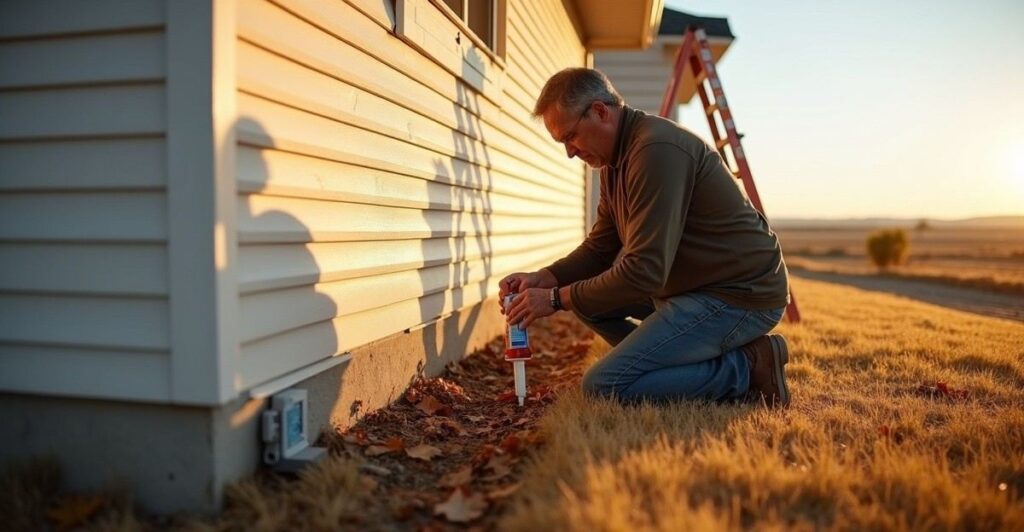
- Seal cracks and gaps with caulk or exterior-grade sealant. Install door sweeps and replace worn weather-stripping.
- Repair damaged window screens and ensure attic and crawl space vents are properly screened.
- Store pantry items and pet food in sealed containers.
- Fix plumbing leaks, maintain gutters, and use dehumidifiers in damp basements or crawl spaces.
- Store firewood off the ground and at least several feet away from the foundation.
- Maintain yard grading so water drains away from the home.
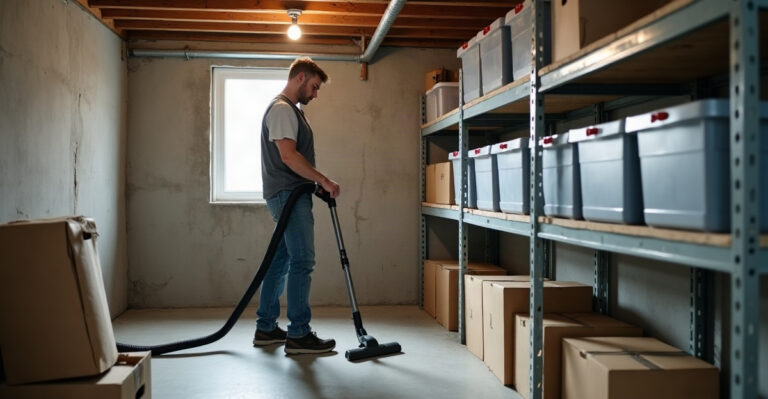
- Declutter garages, sheds, and storage spaces where pests can nest.
Moisture control deserves special attention. Many pests thrive in damp conditions. Reducing water around and inside the home limits their opportunity to settle in.
These tasks take effort, but they work. Homeowners who stay consistent often see fewer issues each season.
Where DIY Prevention Has Its Limits
DIY efforts reduce risk. They don’t eliminate it.
Many entry points are hidden behind siding, inside wall voids, or beneath crawl spaces. Early infestations often develop quietly. Small rodent populations can expand before obvious signs appear. Structural settling may create new gaps, even after previous repairs.
Seasonal pest control in Idaho adds another layer of complexity. Temperature swings encourage movement indoors multiple times per year. One sealed gap doesn’t account for new openings that develop months later.
Can you pest-proof your home completely? No. Even well-maintained houses remain part of the local ecosystem. The goal is control, not perfection.
Ongoing monitoring makes the difference. Regular inspections help catch issues early. Consistent prevention supports long-term pest prevention instead of reactive treatments after a problem grows.
Homeowners often ask whether pests return after treatment. There’s helpful guidance in this article on do pests come back after treatment, which explains why maintenance plans are so important.
When Professional Support Makes Sense
Professional inspections add another level of protection.
Trained service professionals identify subtle entry points that are easy to miss. Early pest activity often leaves faint signs that experienced eyes recognize quickly. Barrier treatments can be adjusted to match seasonal pest control needs in Idaho. Exterior applications help create a protective zone around the home.
Rodent-proofing your home professionally often includes exclusion techniques built for durability. Sealing larger structural gaps, reinforcing vent covers, and addressing roofline vulnerabilities require tools and experience.
Ongoing monitoring plans work well in areas with steady pest pressure. These programs adjust as seasons change. Many homeowners benefit from understanding how often pest control should be done based on local conditions.
Safety matters. Applications should be family- and pet-conscious, applied carefully and responsibly. Education always comes first. We believe homeowners should understand what’s being done and why.
Our residential pest control services are built around local needs in Eastern Idaho. We serve communities across Idaho Falls, Twin Falls, Pocatello, Rexburg, and Rigby. Every property is different. We focus on realistic prevention, steady monitoring, and clear communication.
Frequently Asked Questions
About 1/4 inch—the size of a dime. That’s why minor gaps matter.
It greatly reduces entry, but flying insects and seasonal pests may still find their way inside through open doors, vents, or attic spaces. Sealing helps, but it isn’t a full solution.
At least annually. In areas experiencing high Eastern Idaho pest problems, seasonal inspections provide stronger prevention.
Preventive treatments manage pressure before infestations begin. Waiting for visible activity often means pests have already established themselves.
Yes, professional pest control strengthens long-term pest-proofing by identifying hidden vulnerabilities and applying targeted treatments. Technicians use exclusion techniques and seasonal barrier applications that are difficult to replicate with DIY methods. Ongoing service plans provide early detection and adjustments based on local pest trends, helping maintain consistent control throughout the year.