How Do Pest Control Companies Treat Spiders?
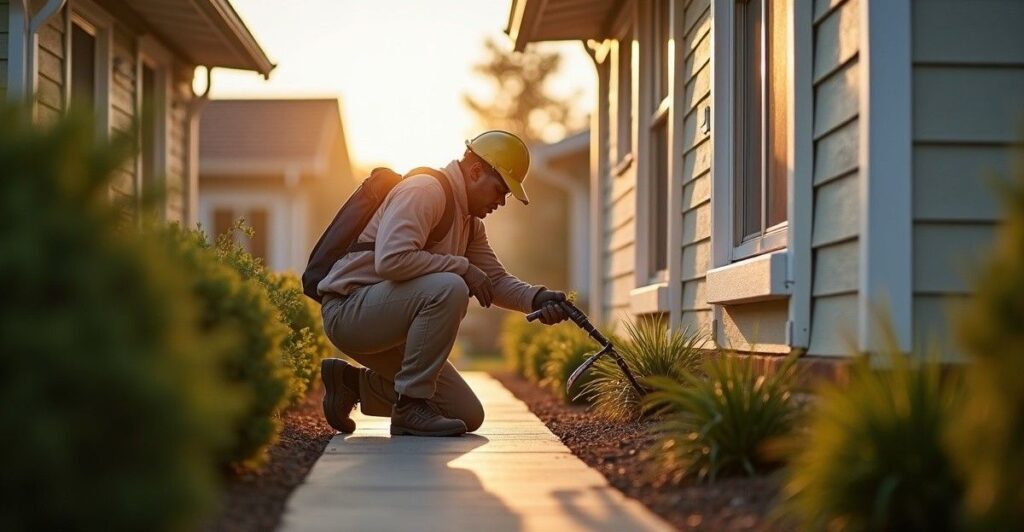
Many homeowners ask how pest control companies treat spiders when webs keep returning around their property. Professionals first inspect the property and identify spider activity, webs, egg sacs, and hiding places. They remove visible webs and apply targeted treatments where spiders rest. They may also create an exterior barrier and control insects that attract spiders.
Falls Pest Services uses a clear plan based on each property’s needs. The team checks possible entry points and treats key indoor and outdoor areas. They may also suggest sealing gaps, reducing clutter, and limiting moisture. Follow-up advice helps property owners watch for new activity and support lasting results.
How Do Pest Control Companies Treat Spiders Step by Step?
Check the Property
Many people ask, how do pest control companies treat spiders in homes and businesses? A pest expert first checks the size of the property. Large spaces may need more time and care. The expert also looks for signs of spider activity.
Find Active Spiders
The expert looks for spiders, webs, and egg sacs. Spider control treatment methods depend on how many signs the expert finds. Heavy spider activity may need more care. The expert then plans each step based on the problem.
Search Hiding Places
Spiders often hide in dark and quiet spaces. The expert checks basements, garages, closets, sheds, and crawl spaces. They may also look behind boxes or stored items. These checks help find spiders that people may not see.
Check Entry Points
Small gaps can let spiders enter a building. The expert checks doors, windows, vents, walls, and pipe openings. They may suggest ways to close these gaps. This step can help stop more spiders from getting inside.
Treat Key Areas
Indoor and outdoor spaces need different types of care. The expert may treat cracks and hidden spots inside the building. They may create a barrier around the outside as well. The plan will match the property and its needs.
Control Other Insects
Spiders stay where they can find food. Flies, ants, and other small bugs give them a steady food source. The expert may treat these pests as part of the plan. Professional service does much more than spray the spiders people can see.
What Happens During a Professional Spider Inspection?
Check Indoor Spaces
Homeowners often ask, how do pest control companies treat spiders before they see the full inspection. A service expert checks basements, garages, crawl spaces, attics, and storage rooms. The expert looks for spiders, webs, egg sacs, and dark hiding spots. These signs show where spiders may live.
Check Outdoor Areas
Good pest control for spider problems starts with a close check outside. The expert inspects eaves, foundations, window wells, and walls. Outdoor lights may draw small bugs that spiders eat. The expert also checks plants and objects near the building. These areas can give spiders food and shelter.
Find Entry Points
The spider treatment process includes finding each spot that spiders may use to enter. The expert checks several key areas before choosing a treatment:
- Doors and windows: Small gaps may let spiders enter.
- Utility openings: Pipes and wires may leave open spaces.
- Window wells: Cracks may give spiders a safe hiding place.
The expert then notes which gaps may need to be sealed.
Identify the Spider
Learning why spiders come inside in fall can explain a rise in spider activity. The expert may also identify the type of spider found. This step helps the expert judge the risk and choose the right care. It also helps shape the follow-up plan. Proper checks make each treatment safer and more useful.
What Are the Main Steps in Professional Spider Treatment?
Removing Webs and Egg Sacs
How do pest control companies treat spiders when webs cover many parts of a property? Experts first remove webs and egg sacs by hand. They check eaves, corners, garages, sheds, windows, and other quiet areas. This step removes many spiders and their eggs. Web removal helps, but it cannot fix every cause of the problem.
Treating Cracks and Hiding Places
Spider control treatment methods may target cracks, gaps, wall spaces, and other hidden spots. Trained experts look for places where spiders rest or lay eggs. They may treat these areas with approved products. The expert then follows all label rules. They do not spray each room without a clear need.
Creating an Exterior Barrier
A pest control for spider plan may include a barrier around the outside of the building. This barrier targets common paths that spiders use to enter. Experts first check the whole outer wall before they treat key areas.
- Foundations: Small cracks may give spiders a path inside.
- Doors and windows: Gaps may let spiders enter rooms.
- Vents and soffits: Open spaces can hide spiders and webs.
- Utility openings: Pipes and wires may leave small gaps.
The barrier can reduce new spider activity near the building. It may also help control bugs that spiders eat.
Reducing the Insects Spiders Eat
Integrated pest management helps control spiders and the bugs that feed them. Outdoor lights can draw flies, moths, and other small bugs. Moisture, trash, and open gaps may bring more insects near the home. Experts may address these problems as part of the plan. Fewer insects give spiders less food and fewer reasons to stay.
Monitoring and Follow-Up
A pest control service may take time to show its full results. Some spiders may stay active after the first treatment. Experts check for fresh webs, live spiders, and new egg sacs. They may change the plan if spider activity stays high. Follow-up checks help show which areas still need care.
Planning Seasonal Care
Residential pest control can help manage spider activity during each season. Warm weather may bring more insects near the home. Cool weather may push spiders toward warm indoor spaces. Experts may suggest repeat web checks or seasonal service. The plan can change as the weather and spider activity change. Regular care helps keep the problem under control.
What Should You Do Before Spider Treatment?
Clear the Work Areas
Before service, you may ask, how do pest control companies treat spiders? A clear work area helps the expert check each space. Move items that block walls, corners, or other problem spots. This step can help the visit go well.
- Clutter: Move boxes, bags, and clothes away from walls.
- Access: Keep basements, garages, closets, and other problem areas open.
- Toys and pet items: Store toys, beds, bowls, and food in a safe place.
Share Key Details
The spider treatment process works best when the expert knows what you have seen. Tell the expert where spiders, webs, or egg sacs appear. Share any health concerns before the work starts.
- Spider activity: Point out rooms where you often see spiders.
- Allergies: Report any known allergies or health concerns.
- Service rules: Follow all steps given by the pest control company.
Each home has a different size, layout, and spider problem. Preparation may change based on the property and planned service. Ask the expert if you need more help before the visit.
What Should You Expect After Spider Treatment?
Watch Spider Activity
Some people still ask, how do pest control companies treat spiders? after they see more activity. Spider activity may rise for a short time after treatment. Spiders may leave their hiding spots and move across treated areas. They may also touch the product as they search for food or shelter. This activity does not always mean the treatment failed.
Keep Treated Areas Safe
A pest control for spider plan works best when you follow each safety step. Keep children and pets away from wet treated areas. Let each area dry before you touch or use it. Read the product label and follow the expert’s advice. These steps help protect your family and support the treatment.
Check Results Over Time
Learning what to expect after a pest treatment can help you track the results. You may see fewer spiders and new webs as time passes. Check corners, windows, garages, and other common spider areas. Results can vary, so do not expect changes within a set time. A follow-up visit may help if spiders or webs keep coming back.
Why Choose Us for Spider Control?
Local Eastern Idaho Service
Falls Pest Services has served local homes and businesses since 2017. The team provides trusted spider control in Idaho with care that fits local pest needs. Service areas include Idaho Falls, Ammon, Blackfoot, Pocatello, Rexburg, Rigby, and Twin Falls. Local knowledge helps the team understand common spider habits in each area. It also helps them plan service for each property.
Complete Spider Care
Local owners often ask, how do pest control companies treat spiders? before they book. Falls Pest Services starts with an inspection before any treatment begins. The team checks webs, egg sacs, hiding spots, and entry points. Service may include web removal and treatment in key areas. The team can treat cracks, garages, basements, doors, windows, and outer walls. Indoor and outdoor options help address activity across the property.
Clear and Flexible Service
The team builds each pest control for spider plan around the needs of the property. Falls Pest Services helps both home and business owners. The team explains what they find and why each step may help. They also share simple tips to block entry points and reduce spider food sources.
Need Help With Spiders Around Your Property?
If spiders keep appearing, you may ask, how do pest control companies treat spiders? Falls Pest Services can inspect your property for webs, hiding spots, and entry points. Our team can also explain how to get rid of house spiders.
We use clear steps to reduce spider activity and help prevent new problems. Each plan fits the needs of your home or business. Contact us to request an inspection or schedule a spider control service. We will listen to your concerns and explain your options with care.
Frequently Asked Questions
Pest control companies inspect the property, remove webs, and treat key hiding spots. They may also place a barrier around the building. The plan may include steps to reduce insects and block spider entry points.
Results may not appear at once. Some spiders may move across treated areas before their activity drops. You may notice fewer spiders and webs over time. The timing depends on the property and the size of the problem.
Trained experts follow product labels and safety steps during service. Keep children and pets away from wet treated areas. Let each area dry before they return. Always follow the advice given by the service expert.
Spiders may return when they find food, water, shelter, or open entry points. Hidden egg sacs may also cause new activity. Sealing gaps, reducing bugs, and removing webs can help lower the chance of their return.
The right schedule depends on spider activity, weather, property size, and nearby conditions. Some properties may need follow-up care or seasonal service. A pest control expert can inspect the space and suggest a suitable plan.