Why Do I Keep Seeing Mice in My Garage?
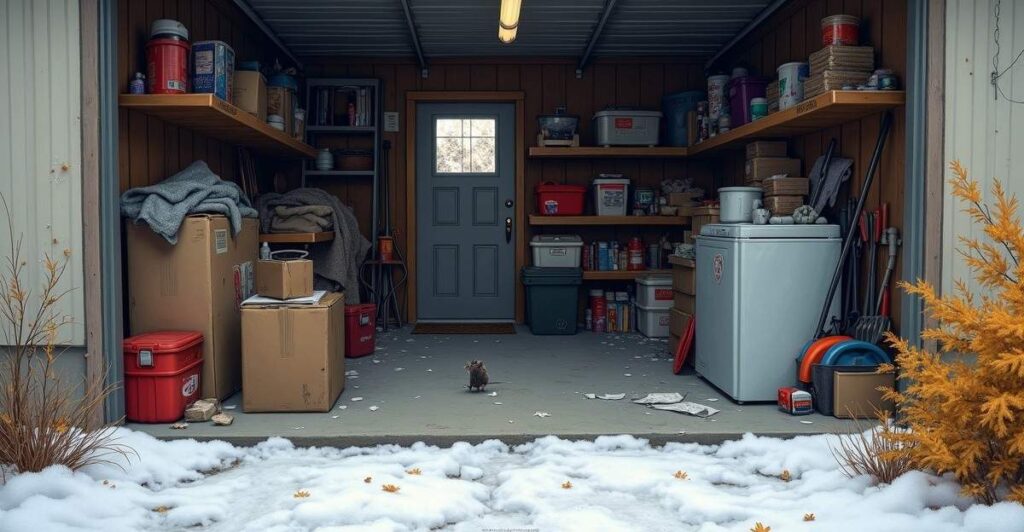
Mice keep finding their way into garages because they’re looking for shelter, easy food, and quick access. Cold winters in places like Eastern Idaho push them indoors, and most garages have just the right mix of warmth and gaps to sneak through. The upside? Practical solutions exist, and they work well when applied correctly.

Key Takeaways

  • Warmth, easy food like pet kibble or birdseed, and nesting supplies tucked inside cluttered corners draw mice into garages.
  • Damaged door seals, cracks along the foundation, and gaps where utility lines run are all open invitations. Seal them tightly.
  • Watch for droppings, chew marks, shredded insulation, or scratching within walls and ceiling areas—early signs mean quicker action, especially given the health risks associated with rodent droppings.
  • Keep mice out by sealing any gaps, storing food in airtight bins, reducing clutter, and fixing any damp areas.
  • If mice stick around despite efforts, professional pest control can step in with proven methods—custom-fit to the environment and long-term.

What to Do When You Keep Seeing Mice in Your Garage

You might’ve heard scratching late at night or noticed tiny droppings piling up near old boxes or storage shelves. Maybe it started with one mouse sighting and now, they’re popping up more often. We hear about this all the time — especially around Idaho Falls, Rigby, and Rexburg — once temperatures start to drop.

First, let’s clear something up. Having a few uninvited guests doesn’t mean your garage is dirty or your home is unsafe. Mice are opportunists. They slip inside looking for warmth, food, and shelter — and a garage checks all those boxes fast. The good news? There’s a clear way to get ahead of the problem.

Spot the Early Signs

Recognizing the early signs of mice in a garage helps us act quickly before things escalate. Here’s what we typically look for:

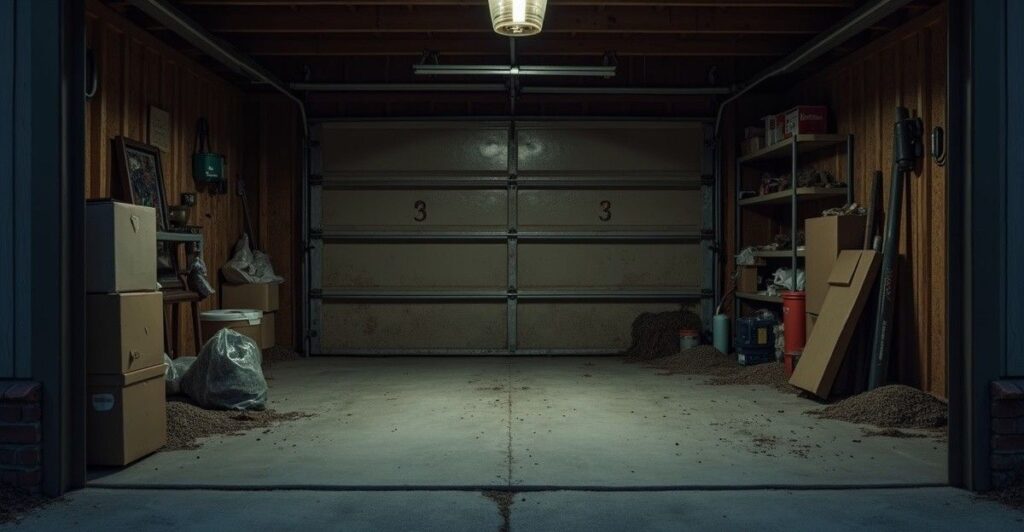
  • Droppings that look like small, dark rice grains — these often show up near food bins, behind shelving, or under workbenches.
  • Chewed cardboard, bags of birdseed, or even wiring — signs mice are foraging or nesting.
  • A musty, urine-like odor — often stronger near nest sites.
  • Shredded insulation or scraps of fabric piled into corners — common nesting materials.
  • Tiny tracks or smears along baseboards where oils from their fur rub off.

We always recommend inspecting behind and beneath stored items, especially anything kept near walls. These quiet, undisturbed areas make ideal hideouts.

Stay Calm — But Take Action

Once you spot signs of activity, staying ahead of a growing mouse problem is key. We help folks throughout the region each week handle situations just like this with practical, steady care. Here’s how we move forward:

  1. Block entry points. Look for gaps around garage doors, pipe inlets, and foundation seams. A mouse only needs a hole the width of a pencil to get in, according to public health guidance on rodent entry behavior.
  2. Remove attractants. Store pet food and birdseed in sealed containers. Keep trash secured and move stored items off the floor when possible.
  3. Set traps in active zones. Snap traps and bait stations can help reduce numbers — just make sure they’re placed safely, away from kids and pets.
  4. Keep it consistent. Mice breed quickly. Weekly checks and adjustments are important if you’re handling the issue yourself.

If the signs keep showing up or the problem’s out of hand, it’s worth bringing in support. With our local experience, we can pinpoint exactly where mice are getting in, identify what’s keeping them there, and provide lasting control strategies. For targeted, safe rodent solutions, our team can step in with reliable rodent control for garages and beyond.

Living in Idaho means plenty of open space — and that brings wildlife closer. But that doesn’t mean mice should be living in your garage. A clear plan and a steady hand go a long way.

Top Reasons Mice Choose Eastern Idaho Garages

Across Eastern Idaho, garages often turn into cozy hideaways for mice as temperatures dip and food grows scarce outdoors. If we’re asking, “why are there mice in my garage?” the answer often starts with a few simple attractants and small structural gaps that become major invitations.

What Draws Mice into Garages

Our garages give mice almost everything they need—shelter, food, and things to build a nest. Even the cleanest space can be surprisingly attractive to a mouse. Here’s what commonly lures them in:

  • Pet food and bird seed: Stored in open containers or loosely lidded bins, these smell-rich items are irresistible to rodents. Even a few stray pellets can draw them in from outside.
  • Cluttered storage: Stacks of boxes, tools, or lawn gear create safe hiding spots. Mice feel safer traveling behind or through clutter, and these places are ideal for starting nests.
  • Accessible water: A leaking hose, condensation from a freezer, or stored buckets with moisture offer water sources mice need to survive inside.
  • Nesting materials: Mice build soft nests from cardboard, paper, fabric, and insulation. If any of these are stored or left out, they’re perfect building blocks.

We see that once mice find a food source or somewhere warm to hide, they’re likely to stay. That’s part of why garage rodent control in Eastern Idaho often starts with both cleaning and sealing.

Structural Weak Points and Regional Pressures

Even the smallest opening is a golden opportunity for a mouse. These animals can squeeze through gaps as small as 1/4 inch—that’s about the width of a pencil. That’s why they often slip into garages unnoticed.

Here are some spots where we frequently find entry points:

  • Garage door gaps: Worn seals, improper fitting, or doors left open offer easy access, especially at night.
  • Utility and pipe openings: Any place where wires or pipes enter the wall can leave small gaps. Unless sealed, mice will find and use them.
  • Foundation cracks and weathered walls: Older homes and those built in rural areas often settle or shift over time, opening up new cracks near the garage base or siding.

But structure isn’t the only reason they move in. Seasonal change plays a major role in why garage visits spike in the colder months. As early as late September, mice begin seeking indoor shelter to escape dropping temperatures, a pattern widely documented by university extension services. Consistent cold, frost, and snow push them to search for warmth—and garages are often the first indoor space they find that’s easy to get into.

We commonly see this spike carry into the winter, especially in regions like ours where garages aren’t always insulated or heated but still offer enough shelter. For that reason, keeping a mouse-proof garage storage approach year-round can seriously limit their comfort.

If your garage shows signs of mice—droppings, chewed packages, scratching sounds at night—it’s smart to act before things escalate. A single pair of mice can have several litters per year, growing the problem quickly, as documented in rodent population studies.

Whether it’s sealing up gaps, storing items off the floor, or monitoring food storage, there’s a method that fits most homes. If you’d rather have a trained eye assess the situation or set traps safely, our residential pest control experts can help manage or prevent rodent issues in and around your garage.

By sorting little details before winter sets in, we can often keep mice out altogether. That peace of mind is always worth the small effort ahead of time.

How to Mouse-Proof Your Garage This Season

A garage can be the perfect cozy spot for mice, especially during cooler months. It’s sheltered, quiet, and often stocked with food or nesting materials—if we’re not careful. Fortunately, a few simple changes can make a big difference. These mouse prevention tips focus on keeping our families safe while also protecting the space we rely on for storage, work, and daily use.

Essential Steps to Keep Mice Out of the Garage

We’ve put together a clear checklist to help make your garage less welcoming to rodents. These steps are safe for spaces shared with children or pets and don’t require complex tools.

  • Seal all entry points: Look for small cracks, holes, or gaps, especially around wires, vents, and pipes. Plug smaller holes with steel wool and seal them with caulk. Mice can squeeze through an opening the size of a dime.
  • Install door sweeps and weather stripping: Check the bottom edges of all doors, including the one leading into your house. Door sweeps help block that easy access point. Replace worn-out stripping to keep doors tightly shut.
  • Store pet food and seeds in sealed containers: Avoid leaving bags on the floor or shelves. Use hard plastic or metal bins with locking lids. Open bags are an open invitation.
  • Declutter the area: Stacked boxes, unused furniture, and overstuffed shelves make it easy for mice to hide and nest. Keep items off the floor when possible and get rid of anything we haven’t used in over a year.
  • Fix any water issues: Mice need water just as much as food. Take care of drips from faucets, appliances, or water heaters. Mop up standing water and dry out damp corners.
  • Use pet-safe traps or bait boxes: Look for traps that can be tucked into low-access areas where kids or pets won’t reach. Bait boxes work best as long-term prevention, especially near known entry points.

The real goal is to remove access, food, and shelter. Combined, these steps give us safe and steady control without worry. If the problem keeps coming back or signs of mice become more obvious—chewed boxes, droppings, or noises behind the walls—it might be time to bring in help.

We provide safe and effective mice in garage solutions that are family-friendly and built for long-term protection. Our team is trained to spot weaknesses before they become infestations, and we always prioritize safety and simplicity.

Thinking beyond the garage? Our residential pest control plans cover the whole home—peace of mind that’s worth having through every season.

Pet and Kid-Safe Options for Managing Mice

When we’re dealing with mice in the garage, safety always comes first—especially for families with pets or young children. There are solid options for managing the problem that don’t put your household at risk. It’s all about choosing the right method for the space, and using it the right way.

Common Control Methods (and How They Stack Up)

There’s no single answer to eliminating garage mice, but we’ve found a few reliable choices that work well, especially when paired together. Here’s how several of the most common approaches compare:


  • Snap traps

    These are one of the oldest and most effective tools. When placed correctly along walls and behind stored items where mice travel, snap traps can catch intruders quickly. But they do need to be kept out of reach of curious paws or little hands. Traps should be set behind barriers, inside lockable cabinets, or under crates or tubs that only allow mice to enter.

  • Sealed bait stations

    Also called “bait boxes,” these are secure containers that hold rodent bait inside. The openings are just big enough for mice, so pets and children can’t access the contents. These boxes work well for larger infestations or prevention, especially around garage walls or storage zones. We recommend checking the boxes every two weeks and refilling as needed. Always choose EPA-approved bait products and keep the boxes locked.

  • Natural deterrents

    Things like peppermint oil, dryer sheets, or ultrasonic pest devices might help discourage mice but won’t solve the problem on their own. Mice are clever and persistent, so these should only be used alongside another measure, like traps or bait stations. If we’re already working on sealing up the garage and trapping mice, natural products can be a nice final touch.

Safety is at the heart of every solution we provide. Rodenticides—the chemicals in bait—can be toxic. That’s why we stick with professionally sealed options and never leave anything exposed. It prevents accidents and keeps the treatment working where it’s needed. For households looking for pet safe pest control, this layered approach ensures peace of mind.

If garage mice become a regular issue no matter what you try, we may need to look at access points or clutter around the area. Mice only need a hole the size of a dime to sneak in. A full inspection and personalized control plan can help seal the place up and keep it that way. For families who want a reliable and pet-friendly strategy, we offer comprehensive residential pest control that covers garages, sheds, attics, and more.

Every home is different, and we treat them with care. Whether it’s a trapping setup or help maintaining a safe barrier around the property, we’ll guide each step with a steady hand and dependable service. Let’s keep our garages clean and our families safe.

When DIY Isn’t Enough: What to Expect from Professional Help

Trying to block off holes and set traps is a solid starting point. We always encourage folks to tackle minor problems early. Still, if mice keep showing up in your garage no matter what you’ve tried, it’s time to bring in someone who focuses on rodent issues day in and day out.

We’ve seen firsthand how persistent these pests can be, especially when cooler weather hits or conditions in nearby fields drive rodents into garages and sheds. A local team like ours understands what works in this area. That includes knowing how rodent pressure picks up fast right after harvest season, a trend frequently noted in Idaho agricultural extension reports—a common trigger here in Idaho Falls.

What Professional Mouse Control Offers

When homeowners reach out for help, they’re often hoping for more than just a quick fix. Here’s what we provide to help get rid of mice safely and prevent future problems:

  • Thorough inspection: We check the full garage and surrounding home perimeter. Mice only need a gap the width of a pencil to sneak in, so we focus on areas others might miss—low vents, utility lines, garage door seals, and even rooflines.
  • Sealing entry points: It’s not just about blocking what’s visible. We identify and seal hidden gaps using materials mice can’t chew through. That includes heavy-duty steel mesh and sealants rated for pest control.
  • Safe, effective treatments: We use products that are safe around kids and pets. Depending on the setting and level of activity, that might include bait stations, trap placement, or exclusion strategies. We’ll explain each step clearly so there are no surprises.
  • Prevention guidance: We don’t just treat and leave. We walk through simple things homeowners can do to lower the chance of a repeat problem. That may involve storage tips, recommendations for clutter control, or even checking nearby sheds or compost bins.

Our service professionals live and work right here. That means we understand what local pest control in Idaho Falls really takes throughout the seasons. We won’t waste time on solutions that don’t suit our climate or rodent behavior patterns.

If mice are still showing up after your best DIY efforts, our rodent control services offer the know-how and long-term strategy many homes need. It’s about more than just trapping—it’s about making sure the issue stays handled for good.

Why Eastern Idaho Homes Are Especially Vulnerable

Eastern Idaho’s natural beauty brings with it a few uninvited guests. Our rural and semi-rural neighborhoods are filled with fields, pastureland, woodlots, and old sheds — perfect hiding spots and food sources for mice. As these outdoor spaces cool off in late fall, mice start looking for a more comfortable setup. Unfortunately, garages often end up first on their list.

Why Garages Are a Target

Garages in Idaho Falls, Rexburg, Rigby, and neighboring areas are common access points for mice. These spaces are usually attached to the house but often not as well insulated or sealed. Many are unheated, have gaps under doors, and include stored food or pet feed — all things that attract mice.

Here’s why mice see garages as a good bet:

  • Easy access: Small cracks in concrete, gaps along weather stripping, or poorly sealed utility lines give mice a way in.
  • Shelter from the cold: Long winters drive rodents to find any warm spot. Attached garages offer consistent cover from icy winds and snow.
  • Stored items supply materials: Boxes, old clothes, and insulation in garages are great nesting materials. Once they’re in, they build fast.
  • Limited human activity: Mice love places that stay quiet. If we don’t use the garage often in colder months, they can settle in undisturbed.

For many local homeowners, this mix of conditions explains why garage rodent issues spike during colder seasons. It’s not a sign of a messy home — it’s the environment that draws them in.

Understanding the Eastern Idaho Advantage

Being based right here in Eastern Idaho, we know what a typical winter brings and how fast mice move indoors once the chill sets in. We’ve worked in neighborhoods that back up to open fields or near grain storage buildings — especially in areas like Pocatello and Rigby — where rodent problems tend to build quickly if not caught early.

Our experience shows up in the way we prevent and treat mouse infestations. Our garage rodent control in Eastern Idaho is based on a hands-on understanding of local mice habits and their entry tactics, from Idaho Falls to Rexburg.

Many of our visits start with homeowners telling us they’ve “just started seeing mice in the garage.” They often don’t know that infestations may have started weeks earlier. We bring peace of mind with clear answers, quick action, and advice that fits the local environment — whether that means sealing entry points, placing baits safely away from pets, or creating a barrier outside to reduce future visitors.

In neighborhoods near open fields or irrigation systems, we often recommend a mix of perimeter checks and interior station monitoring. Each home is different, but the one thing they have in common is how vulnerable garages can be during our long cold seasons. That’s where local knowledge really helps.

Whether you’re taking steps to prevent mice or already have signs of chewing, droppings, or nesting, we’re ready to help. Protecting your garage and home from rodents is something we do every day. If you’re concerned about what you’ve seen around your garage or want to stop things before they start, reach out to us through our service request page and let’s get it handled.

Frequently Asked Questions

Why do mice keep coming back to my garage even after trapping them?

Mice usually return when entry points or attractants are still present. Traps remove current mice but don’t stop new ones from entering. Small gaps, leftover food smells, moisture, or clutter can continue to draw them in. Long-term solutions require sealing openings, removing food sources, and maintaining a less inviting environment year-round.

Are there pet-safe mice in garage solutions that actually work?

Yes, pet-safe mice in garage solutions include sealed bait stations, enclosed snap traps, and physical exclusion methods. Sealing entry points and storing food securely pose no risk to pets. When traps or bait are needed, they should be placed inside locked stations or inaccessible areas to prevent accidental contact while remaining effective against mice.

When should I consider professional help for mice in my garage?

Professional help is recommended if mice activity continues despite DIY efforts, signs of nesting increase, or droppings and noises persist. Mice reproduce quickly, so ongoing sightings often mean a larger hidden problem. Professionals can identify hidden entry points, apply safe treatments, and create a long-term prevention plan tailored to your garage and location.

What mistakes make garage mouse problems worse over time?

Common mistakes include relying only on traps, leaving pet food in bags, ignoring small gaps, and allowing clutter to build up. Delaying action also gives mice time to nest and reproduce. Effective mice in garage solutions work best when prevention, sealing, and population control are done together and checked regularly.

What are the most effective mice in garage solutions?

The most effective mice in garage solutions focus on exclusion, sanitation, and control. Start by sealing gaps around doors, foundations, and utility lines to block entry. Store all food, including pet food and birdseed, in airtight containers. Reduce clutter that provides nesting spots, and use traps or sealed bait stations in active areas to control existing mice.

Get Fast, Local Pest Control — Without the Contracts

Whether you’re dealing with ants, spiders, rodents, or something unexpected, our team is here to help — safely, quickly, and with no commitment required.

Mon-Fri 8:00AM-5:00PM
Proudly serving Eastern Idaho, Western Wyoming, and surrounding areas.