Can Ants Damage My House?
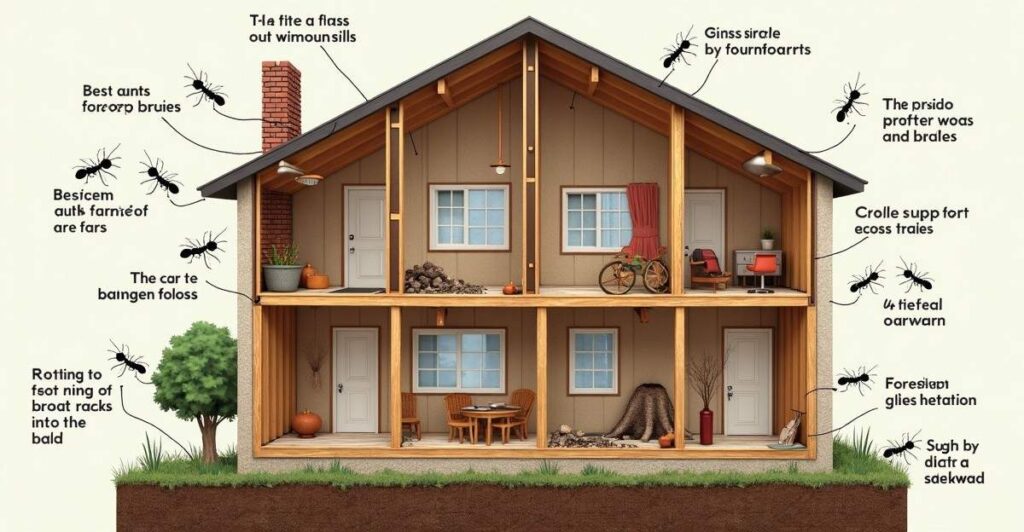
Carpenter ants pose a serious threat to homes by burrowing through wood inside walls, beams, and floors. They build their nests in damp or aging materials, often going unnoticed. In Eastern Idaho, they’re an ongoing issue throughout spring and summer. Seasonal moisture and easy access to wood create ideal conditions for these ants to quietly weaken home structures over time.
Key Takeaways
- Carpenter ants don’t consume wood—they dig through it. This process weakens vital structural elements like studs, joists, and siding.
- Watch for signs such as small wood shavings (frass), faint rustling in walls, hollow-sounding wood, or sagging door and window frames.
- Damp zones like basements, crawl spaces, and areas with plumbing leaks often serve as nesting spots.
- These ants differ from nuisance species. They build primary and satellite colonies, a nesting behavior described by entomology researchers that makes infestations harder to eliminate with DIY methods.
- Professional inspections and focused control strategies work best. They eliminate existing colonies and reduce the risk of future damage.
Why Ants in Your Home Might Be More Than a Nuisance
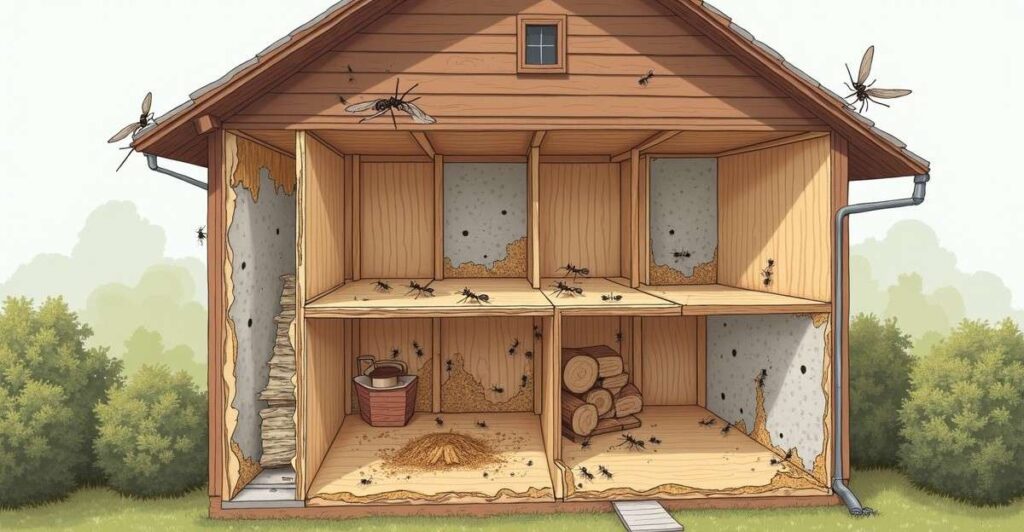
Carpenter ants bring more than scattered crumbs and itchy bites. Some species can cause genuine structural damage to homes and businesses. Unlike nuisance ants that forage for food, carpenter ants hollow out wood to create space for their nests. Over time, this tunneling can weaken areas like wall studs, beams, and floor joists, a risk documented by state extension services that study wood-destroying insects.
Carpenter ants don’t eat the wood like termites do. Instead, university extension experts explain that carpenter ants excavate smooth tunnels inside wood, leaving behind piles of fine sawdust called frass. That frass is actually a helpful sign for us—spotting it can lead us straight to a nest. If left unnoticed, carpenter ants can cause enough internal wear to lead to sagging floors or cracked drywall.
Eastern Idaho is no stranger to carpenter ants. We see the most activity in spring and summer, especially after moisture from the winter builds up in basements and crawl spaces, which extension specialists note creates ideal nesting conditions for carpenter ants. Homes with older framing or moisture issues tend to be more at risk. Wood softened by leaks or humidity offers the easiest entry points for these ants to move in and start expanding their galleries.
How Carpenter Ants Cause Structural Trouble
If the ants are nesting behind your walls or inside porch beams, the damage might not show itself right away. But repeated burrowing across seasons can slowly chip away at your home’s support system. Here’s what we often see:
- Sagging window or door frames – Hollowed-out wood behind these areas can shift or compress, making openings harder to close or level.
- Buckling or noisy floorboards – Damage under flooring often leads to movement or creaking when you walk across.
- Swollen or warped walls and ceilings – In more extensive cases, the pressure from weakened beams can subtly warp larger structures.
- Peeling paint or bulging drywall – These don’t always mean ants, but coupled with sawdust or ant sightings, they’re signs worth inspecting.
This kind of wear happens slowly and can go unnoticed until there’s a real issue. That’s why we recommend treating any signs of carpenter ants early. It’s much easier and less costly to prevent damage than to fix it down the line.
Protecting Your Home from Wood-Nesting Ants
Keeping ants out starts with limiting their access to damp, exposed wood. We encourage folks to:
- Seal cracks in foundations, siding, and window frames.
- Fix plumbing leaks and dry out wet areas promptly.
- Trim tree limbs or shrubs touching the exterior of the house.
- Store firewood off the ground and away from buildings.
- Keep gutters clean and well-drained to avoid roof runoff pooling near the foundation.
Even the best-looking house can still face ant issues. If you notice flying ants indoors, especially in warmer months, that’s often a sign of a mature colony looking to expand—something you’ll want to take care of quickly.
We provide regular inspections and treatment plans that help eliminate carpenter ants and stop new colonies from forming inside walls or crawlspaces. You can learn more through our complete services for carpenter ant control, which are focused on both removal and prevention.
Homes aren’t the only structures affected by carpenter ants. We also work closely with local businesses to offer ongoing commercial pest services that protect against ants and other pests that take advantage of hidden wood and moisture in larger buildings.
If you’re hearing odd noises in the walls, sweeping sawdust under baseboards, or seeing persistent ant trails—especially in kitchens or laundry rooms—it’s worth letting us take a closer look. We’re here to help keep minor issues from growing into bigger repairs.
Telltale Signs of Structural Ant Damage in Your Walls or Woodwork
Spotting the early signs of ant damage in a house helps us stay ahead of serious and costly repairs. Unlike termites, ants—especially carpenter ants—don’t eat wood, but they do tunnel through it to build their nests. That tunneling weakens structures over time, often without us realizing it.
What to Look and Listen For
Certain sights and sounds can clue us in to an ant infestation in walls or within wooden structures. Stay alert to the following:
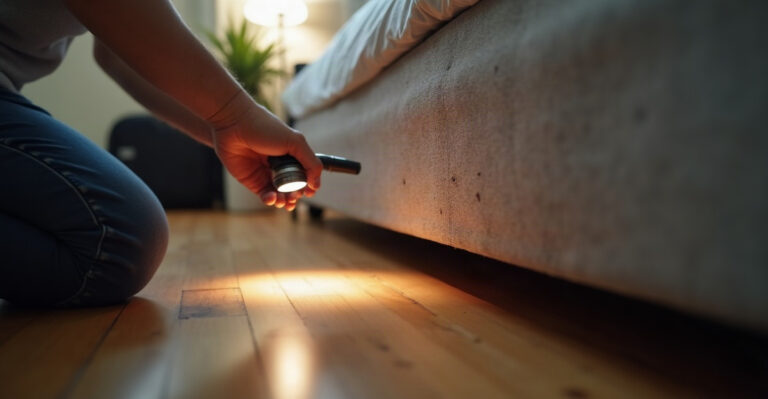
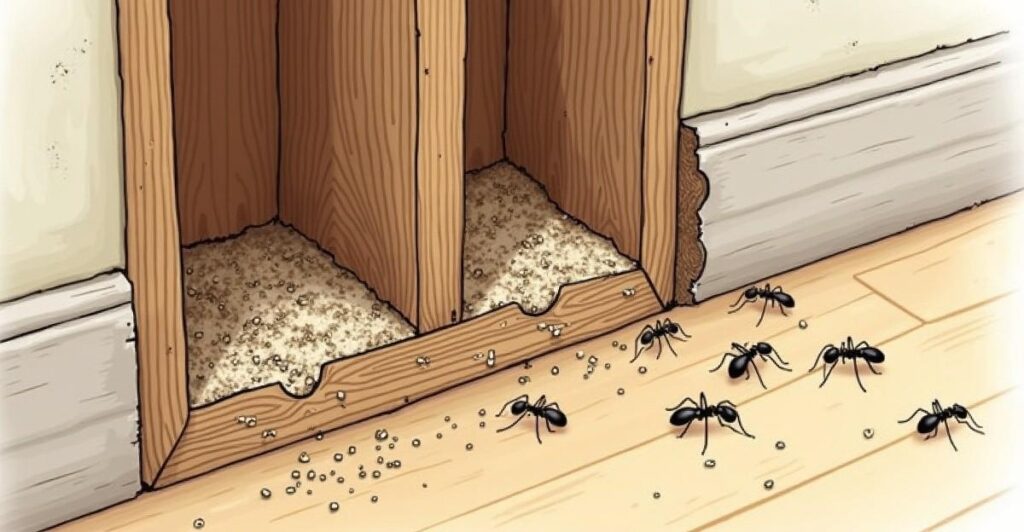
- Fine piles of wood shavings (frass): These may appear near baseboards, door frames, or windowsills. They look like sawdust and are a byproduct of carpenter ants carving out their nests.
- Faint rustling or clicking sounds: At night or during quiet hours, listen for soft noises coming from inside walls or ceilings, especially near exterior walls or damp wood.
- Hollow-sounding wood: Tap gently on suspected wooden areas. If it sounds different from other sections—more hollow or papery—it could be damaged from inside.
- Soft or weakened surfaces: Press lightly on baseboards or trim. If they feel spongy or give slightly, ants might’ve done some interior damage.
- Visible worker ants: Larger black ants moving in defined trails, especially around the foundation, baseboards, plumbing lines, or near rotting windows, can be a strong indicator of nesting nearby.
Often, the damage remains hidden behind drywall or inside beams, making it hard to spot until it worsens. Once ants have settled into voids within your walls or attic, their excavation work can go on quietly for months. That’s why even minor signs—like frass or a few carpenter ants in the same place repeatedly—are worth taking seriously.
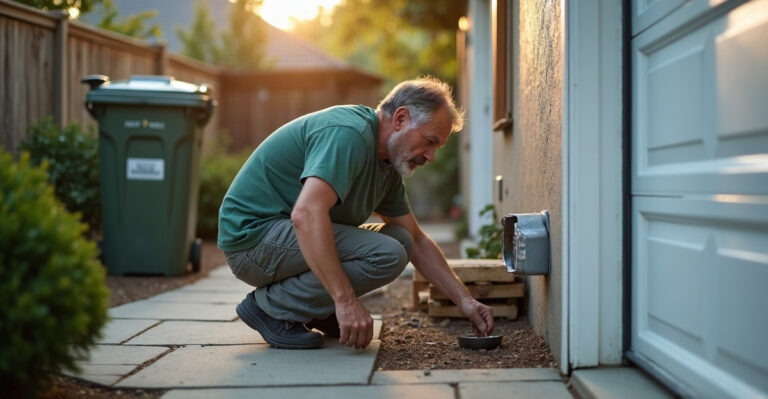
We also recommend keeping an eye outdoors. Ants tend to expand their nests into homes from nearby rotting logs, tree stumps, or moist landscaping. If you see ants entering at foundation gaps, siding cracks, or utility openings, that line may lead straight to the nest.
If any of these signs seem familiar or if you’re unsure whether the damage points to ants or another pest, consider booking a home check with our residential pest control team. We know what to look for and how to stop the damage before repairs stack up.
Getting on top of ant problems early protects more than just walls—it helps keep your home safe and sound for the long haul. For serious or repeated sightings, we suggest speaking with a service professional about ant control solutions before further damage sets in.
Carpenter Ants vs. Nuisance Ants: What’s the Real Risk?
Not all ants bring the same kind of trouble. Pavement ants, sugar ants, and other common household varieties might be an inconvenience, but they don’t harm your home’s structure. They’re looking for food, not shelter in your studs. A quick sweep, some simple prevention steps, and regular home upkeep usually keep them at bay.
Carpenter ants are a different story.
Understanding the Damage Carpenter Ants Can Cause
Carpenter ants—especially those common in Idaho—are known for nesting inside wood. Though they don’t eat wood like termites, they tunnel through it to build their homes. That tunneling can weaken essential parts of your structure over time. In particular, carpenter ants in Idaho thrive in damp or shaded areas—making homes near forested or riverbank areas especially vulnerable.
Here’s what makes carpenter ants worth some extra concern:
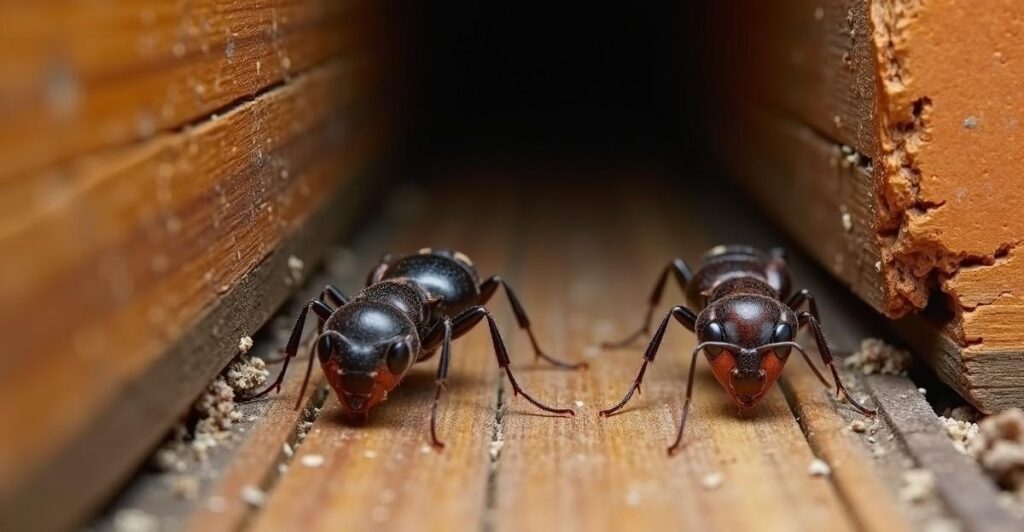
- They’re larger than other species—often around ¼ to ½ inch long—and usually black or reddish-black.
- Colonies can grow into the tens of thousands if left alone.
- They often move into moist wood first—window sills, decks, or spots with minor leaks—then spread into drier wood inside walls.
- Unlike some nuisance ants, carpenter ants establish satellite colonies, which means you might eliminate one group and still have another active nearby.
We’ve seen carpenter ants hollow out supports, beams, and siding in homes across Eastern Idaho. They’re responsible for some of the more serious infestations in our part of the country.
How to Identify Carpenter Ants Early
It’s easy to mistake carpenter ants for their harmless cousins. Catching them early makes all the difference.
Here are signs that the ants in wood structures might be carpenter ants:
- You hear faint rustling or tapping behind walls or in ceilings.
- You find wood shavings (called frass) beneath baseboards, windows, or other wooden areas.
- You spot large black or dark red ants—especially at night, when they search for food.
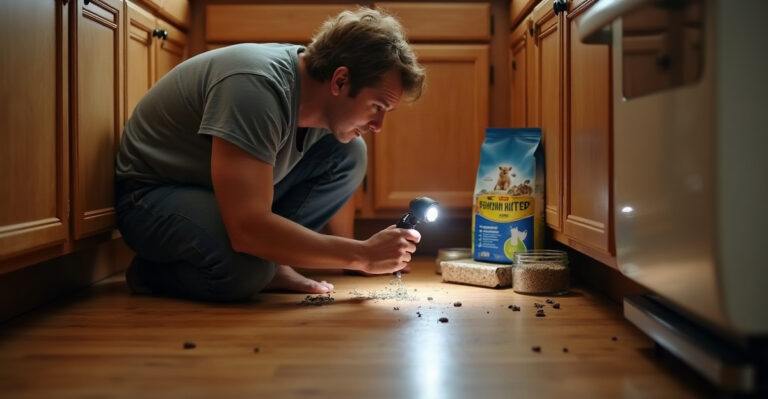
- You repeatedly see ants in kitchens or bathrooms, where moisture draws them in.
If you spot any of these signs, don’t wait. Correct ID is key—misidentifying carpenter ants as nuisance ants often delays proper treatment. For safe and thorough help, our team can schedule a professional inspection and offer customized carpenter ant control that targets colonies before they expand.
Regular checkups and year-round residential pest control can help us stay ahead of a problem before costly damage sets in. We know how to handle carpenter ants in Idaho homes, especially in wooded and shaded areas where they bed down most often.
Let’s keep your walls strong and ant-free.
Why Eastern Idaho Homes Are at Risk
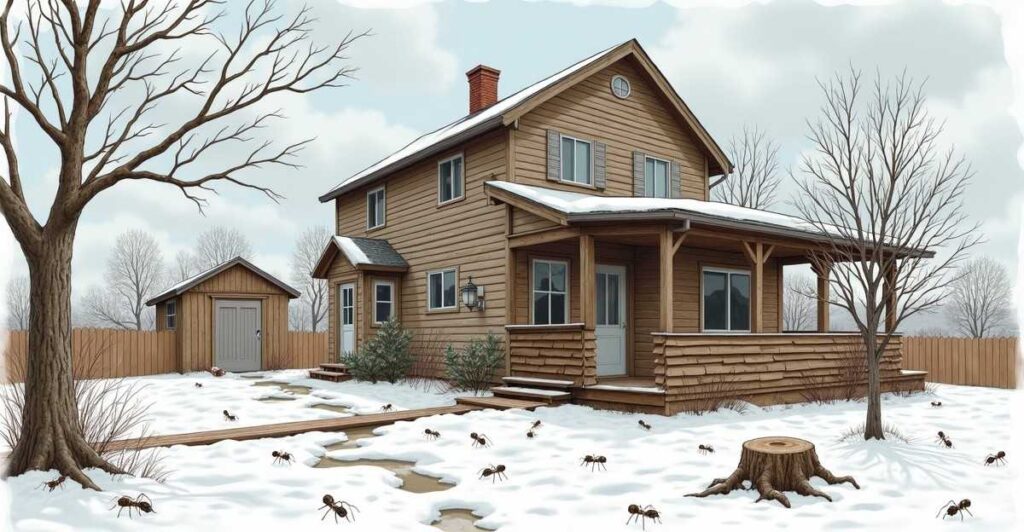
Eastern Idaho’s climate, with its cold winters and relatively damp spring months, provides ideal conditions for certain species of ants—especially carpenter ants—to thrive. These ants don’t eat wood, but they tunnel into it to create their nests, which can lead to serious damage over time if left untreated. The key issue isn’t just the insects themselves, but the conditions that make our homes so inviting to them.
Common Local Factors That Attract Carpenter Ants
For homes in Idaho Falls, Pocatello, Rigby, and Twin Falls, several regional characteristics increase the risk of ant infestation:
- Moisture buildup: The mix of snowmelt and humid spring weather often leads to damp wood in and around homes. Carpenter ants specifically seek out moist or decaying wood for nesting. Even a leaky roof, pipe, or poorly sealed window can create a suitable entry point.
- Older construction features: Many homes in our area were built with untreated wood components or have aging exterior features. Decks, siding, and eaves, once exposed to the elements, become attractive targets for nesting.
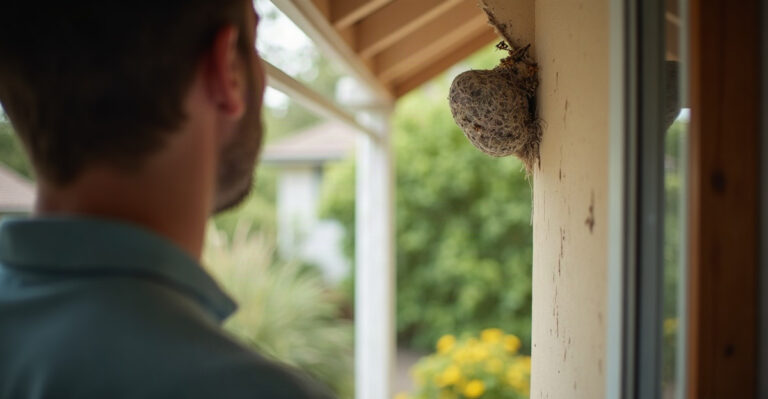
- Outbuildings and wood-based structures: Detached garages, outdoor sheds, wooden fences, and tree stumps all make great launching points for ants. They’ll often start colonies in these spaces, then expand into the main home through foundation gaps, vents, or attic windows.
- Landscape and vegetation: Trees or shrubs that touch siding or overhang the roof provide natural bridges for ants. Once they’ve reached the house, they’ll look for weaknesses in the structure to access interior wood.
Activity typically ramps up in spring and continues through early summer. That’s when we tend to see the most calls about ants. During this period, workers venture out further searching for food and new spots to nest, which brings them closer to structures. Often, it’s not just one colony either. Satellite nests may be located both inside and outside the home.
Even if a colony starts in a tree stump near the yard, they might split off and set up a new nest in your attic or wall void. That’s why we strongly recommend regular inspections, especially after winter thaws or heavy spring rains.
Early detection makes a big difference. We’ve worked with plenty of homeowners who thought the occasional ant sighting near a window ledge was harmless—only to find significant damage behind the walls later. Carpenter ants can hollow out entire sections of wood over time.
Tips to Prevent Carpenter Ant Infestations
To help reduce your risk, here are a few suggestions we often make:
- Repair water leaks and ensure proper drainage around your foundation.
- Trim tree limbs and vegetation at least a foot away from siding and rooflines.
- Store firewood away from exterior walls and keep it dry and elevated.
- Replace decaying wood in decking, siding, or trim as soon as it’s noticed.
If you’re dealing with persistent ants or unsure whether they’re causing hidden damage, our team provides thorough inspections with a close look at nesting hotspots. You can read more about our approach to carpenter ants in Idaho and what sets them apart from other species.
Many customers reach out during peak seasons for both peace of mind and protection. Our residential pest control programs are designed to fit local conditions and keep homes protected year-round. We’ve found that consistent treatment goes a long way in preventing infestations before they lead to damage.
The sooner we intervene, the more we can limit the impact ants have on your home and help you avoid costly repairs down the road.
Safe, Local Solutions: How to Get Rid of Carpenter Ants
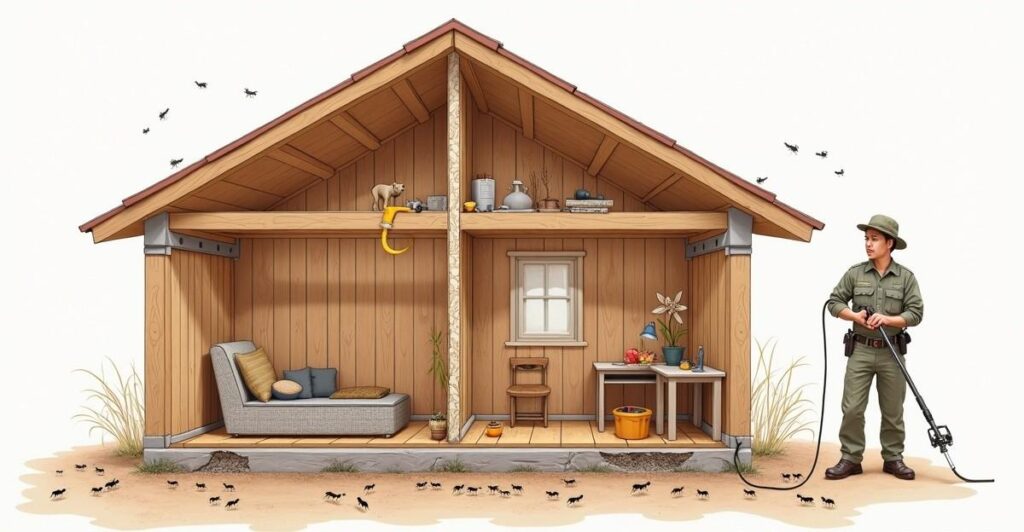
Carpenter ants often stay hidden, tunneling deep inside wood structures like wall voids, beams, or support joists. That’s why spraying the few you see won’t stop the damage behind your walls. Over-the-counter sprays can kill ants on contact, but they don’t reach the nest itself. The colony usually survives and continues hollowing out your home—especially if it’s tucked away inside humid or softened wood.
Why DIY Doesn’t Cut It
Ants are clever about where they build. Moisture-damaged wood makes the perfect hidden shelter, and by the time we spot them trailing across a baseboard, the colony’s likely well established. Here’s what makes store-bought solutions fall short:
- Sprays kill surface ants but miss the nest, where the queens and workers keep multiplying.
- Baits may work if ants bring the poison back to the nest—but they often ignore baits if the food source doesn’t suit their current needs.
- Most products aren’t designed to penetrate walls, insulation, or subfloors where ants nest.
We’ve seen many folks try to handle carpenter ants themselves, only to call us weeks later when the problem grows. One of our local service professionals explained, “Most infestations we see in Idaho start small in damp crawl spaces or rooflines. By the time ants start wandering indoors, they’ve already done structural damage in hidden spots.”
Trusted Treatments and Peace of Mind
Getting carpenter ants out—for good—means treating the nest directly and supporting long-term prevention. We deliver targeted solutions that are both safe and effective. All treatments we use are selected with health and environmental concerns in mind. That means no fumes, no harmful residue, and no risk to pets or kids.
Here’s what a professional visit typically includes:
- Inspection of moisture-prone areas like basements, attics, under sinks, or behind siding
- Identification of nesting sites and satellite colonies
- Use of pet-safe, family-friendly methods that reach deep into hidden areas
- Long-term prevention barriers to discourage future colonies
We’re proud to provide safe ant removal for pets and homeowners across Idaho Falls. Whether you’re dealing with ants in one room or a more advanced infestation, our team provides clear advice and reliable treatment every step of the way.
If you’re wondering how to get rid of carpenter ants safely, we’re just around the corner and ready to help. Our local experience means we understand how pests affect Idaho homes across the seasons—and what works best to solve them. For personal attention and solutions that protect what matters most, you can count on us.
When to Call a Professional—and Why It Matters
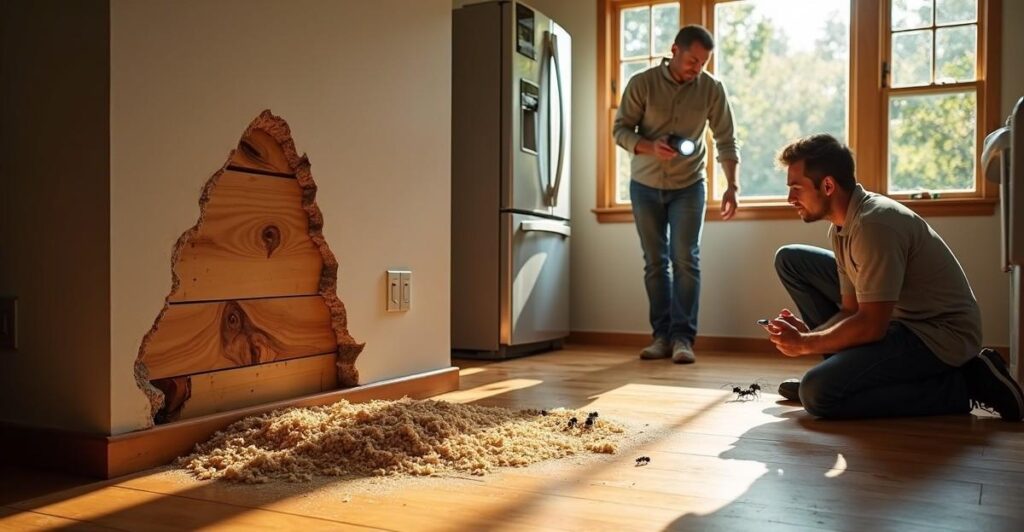
Carpenter ants don’t rush through destruction—they work quietly and persistently. That’s what makes them easy to overlook. If we’re hearing faint rustling inside walls, spotting coarse wood shavings near baseboards, or noticing large black ants in kitchens or around porches—especially as temperatures warm in spring or summer—it’s time to take a closer look. These aren’t just “spring bugs,” they could be early signs of carpenter ants tunneling through wood framing.
We’ve seen firsthand how structural damage from ants unfolds. Unlike termites, carpenter ants don’t eat wood—they carve into it to build nests. Over time, that carving can weaken beams, baseboards, and even crucial framing around doors and windows. While damage often builds slowly, it’s not harmless. Left alone, it can lead to costly repairs down the road—often to the tune of thousands.
We always recommend a proactive approach. Getting professional eyes on the issue early means we can catch warning signs most folks miss. And at Falls Pest Services, our inspections are free—because peace of mind shouldn’t come with a pressure pitch. Whether homeowners need reassurance or intervention, our job is to give clear answers, not overblown stories.
What Signs Mean It’s Time to Call
Here’s what we encourage folks in Idaho Falls and Eastern Idaho to watch for around their homes. If these signs show up, it’s a smart move to have a licensed expert take a look:
- Rustling or soft tapping noises inside walls, especially at night when the house quiets down
- Small piles of sawdust or wood shavings (called frass) under windows, doors, or roof lines
- Ants with wings in or around the home (these are reproductive carpenter ants looking to expand)
- Regular sightings of large black ants indoors, especially in kitchens, bathrooms, or near moisture
- Walls that begin to sound hollow or soft spots in wood that surprise you during basic cleaning or home maintenance
Because carpenter ants prefer moist or decaying wood, they’re often drawn to older structures or places with plumbing leaks and roof issues. We see it across cabin-style properties, vintage homes, and even newer builds with lingering water damage.
We’ve worked with homeowners across the region who were surprised at how quietly the problem had grown. That’s why calling early—not waiting until visible damage sets in—makes such a difference.
At Falls Pest Services, our focus stays on prevention just as much as removal. We’re not a one-size-fits-all operation. Whether someone lives in a downtown Idaho Falls bungalow or a mountain cabin outside Ammon, we build plans around the property itself. We understand our climate, our neighborhoods, and the way pests interact with homes here. That’s why so many locals turn to us for dependable pest control in Idaho Falls and throughout Eastern Idaho.
Every inspection we perform is done openly and honestly. We don’t sell fear, and we don’t rush decisions. Homeowners receive the full picture—how extensive the issue is, what attracted the ants in the first place, and whether they’re dealing with an active colony or an isolated stray.
That community-first mission isn’t corporate spin—it shapes how we treat each inspection, each call, and each customer. If someone’s concerned about carpenter ants, we invite them to explore our service options or simply reach out for a free quote. Checking early could prevent genuine damage later.
To learn more about our approach and how we support the unique needs of local homes, visit our ant control service page. We’re here to keep homes strong, safe, and standing tall—for good.
Frequently Asked Questions
Yes, certain ants—especially carpenter ants—can cause structural damage to a house. They tunnel through wood to create nests, weakening beams, studs, and other supports over time. While the damage is usually gradual, long-term infestations can compromise the strength of walls, floors, and framing if not addressed early.
Carpenter ants damage wood by excavating it, not consuming it. They chew through moist or softened wood to build smooth tunnels for nesting. This process removes material from structural components, reducing their strength. Over time, repeated tunneling can weaken load-bearing areas like joists, window frames, and wall studs.
Early signs include small piles of sawdust-like material called frass, faint rustling noises in walls, hollow-sounding wood, and soft or spongy trim. You may also notice doors or windows sticking due to weakened framing. These signs often appear before visible damage, making early detection critical.
Yes, carpenter ants pose a higher risk than most household ants. Nuisance ants primarily search for food and do not damage structures. Carpenter ants nest inside wood and form large colonies with satellite nests, which makes them harder to eliminate and more likely to cause long-term structural issues if ignored.
DIY treatments rarely stop structural damage from ants because they usually only kill visible workers. The main nest—often hidden inside walls or beams—remains active. Without eliminating the colony and addressing moisture issues, ants continue tunneling. Professional inspections and targeted treatments are more effective at preventing ongoing damage.