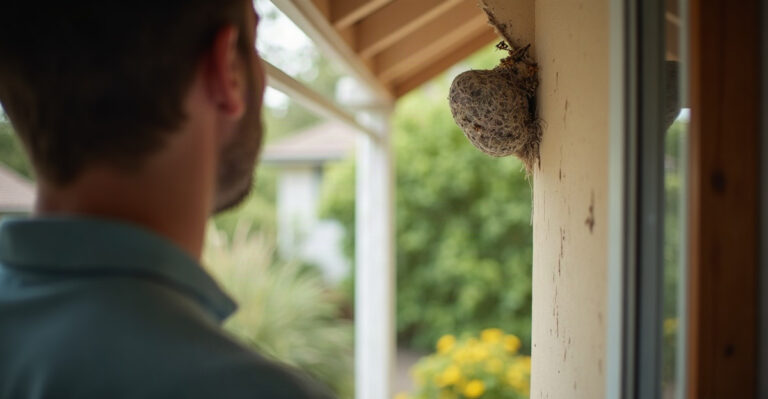
Why You Shouldn’t Ignore Spider Webs
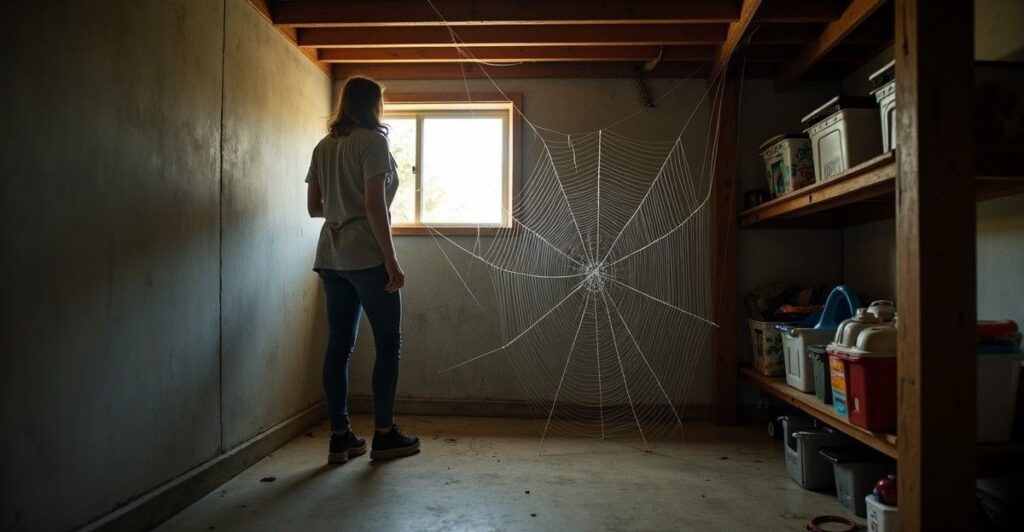
Spider web warning signs suggest more than a cleaning oversight. They often indicate hidden insect activity, moisture issues, or small gaps letting pests inside. If webs keep appearing in the same spots in your home or business in Eastern Idaho, we should focus on these patterns instead of seeing them as mere dust.
Key Takeaways
- Repeated spider webs in the same areas often show there’s a steady insect food source nearby.
- Heavy or quickly returning webbing may highlight hidden pest entry points, moisture problems, or indoor insect populations.
- Isolated, occasional webs are typical, but widespread or recurring webs across several areas require closer examination.
- Common places like garages, basements, exterior eaves, and well-lit areas often reveal consistent webbing tied to underlying activity.
- By keeping an eye on these patterns and scheduling a professional inspection when necessary, we can gain understanding and support long-term pest prevention.
When Spider Webs Are More Than Just Dust in the Corner
Spider webs often look like simple housekeeping issues. In many cases, that’s true. An occasional strand in a quiet corner is completely normal.
Spiders build webs where food is available, and research from university entomology programs shows spiders follow insect activity rather than human presence. If we notice repeated webbing in the same areas, those spider web warning signs may point to something else going on behind the scenes.
Spiders often reveal:
- Hidden insect populations inside walls, crawl spaces, or garages
- Small cracks or gaps acting as pest entry points around home foundations and trim
- Moisture problems that attract insects, as outlined in integrated pest management guidance on how damp environments increase pest activity
- Areas that don’t get regular cleaning or disturbance
In Eastern Idaho, occasional webs are common. Agricultural surroundings, irrigation systems, and seasonal pest movement all increase insect activity. As insects move, spiders follow. That doesn’t automatically mean there’s a serious issue.
However, if webbing becomes heavy or keeps returning soon after cleaning, it’s reasonable to ask, are spider webs a sign of infestation? In some situations, yes. Consistent web buildup may be one of several signs of pest infestation that deserve a closer look.
Calm observation and pattern recognition matter more than panic.
Why Do I Keep Getting Spider Webs in the Same Spots?
We hear this often: why do I keep getting spider webs in the same place?
When webs return within days of removal, it usually means there’s a steady food source nearby. Spiders settle where insects are active, and rebuilding makes sense if the environment continues to support them.
Professionals look for patterns such as:
- Dense webbing in one corner or along ceiling lines
- Webs that reappear within a few days
- Insect carcasses consistently caught in the strands
- Webs near light fixtures, vents, or baseboards
In Eastern Idaho, several local factors drive these patterns. Cold winters push insects indoors for warmth. Attached garages and crawl spaces offer protected shelter. Exterior lighting draws flying insects close to siding, eaves, and window frames, as explained in studies on how artificial light attracts insects. Spiders then position their webs exactly where insects gather.
Frequent spider webs in house corners, basements, or garages often connect back to pest entry points around home exteriors. Small gaps around doors or foundations may allow a steady trickle of insects inside.
Learning how to spot a pest problem early helps us understand whether webs are random or part of a larger pattern. The goal is steady assessment, not alarm. Repetition tells the story.
What Spider Webs in Different Areas of Your Property May Be Telling You
Spiders act as natural indicators. Where we find webs, we usually find insect activity.
Spider Webs in Garage
Spider webs in garage spaces often appear near garage door seams, stored boxes, and ceiling corners. Small gaps along the door seal or framing can let insects inside. Cardboard boxes and clutter provide hiding spots that protect insects from disturbance.
If webbing builds consistently along the perimeter, that may signal steady insect entry through tiny cracks.
Spider Webs in Basement, Exterior, and Commercial Spaces
Spider webs in basement areas or crawl spaces often connect to moisture conditions. Damp environments attract insects. Foundation cracks or unsealed utility penetrations can also contribute. Learning how to spot signs of a pest nest in these areas adds another layer of awareness.
Spider webs on house exterior surfaces, especially along eaves or around window wells, frequently point to lighting that draws nighttime insects. Unsealed trim or siding gaps can also create access points.
Storage sheds and acreage properties near open fields see similar trends. Insects thrive near crops and vegetation, and spiders follow that movement toward structures.
Commercial spaces deserve special attention. Webs near loading docks, entryways, warehouses, or customer-facing areas may suggest broader insect pressure. Clean, visible areas influence customer confidence. Our commercial pest control services throughout Eastern Idaho help businesses address root causes while maintaining a professional environment.
For homeowners, our local Idaho Falls pest control team regularly identifies these patterns during routine inspections. Spiders themselves are often symptoms, not the primary issue.
When Simple Cleaning Is Enough—and When It’s Not
An isolated web in a quiet corner is usually harmless. We vacuum it away and move on. That’s normal home maintenance.
Simple cleaning is often enough when:
- A single web appears occasionally
- Webs do not return quickly
- There is no visible increase in insect activity
In these cases, spider webs are not a sign of infestation. They’re simply part of living in a region with active seasons and nearby agriculture.
However, spider web warning signs become more meaningful when webs reappear within days, show up in several rooms, or are accompanied by noticeable insects. Consistent webbing in basements, garages, and upper corners at the same time suggests a broader pattern.
Reviewing how to get rid of house spiders can provide practical steps for light activity. Still, if those steps don’t change the pattern, we may be looking at underlying signs of pest infestation that need attention.
The focus stays on patterns. One web is minor. Recurring web networks across multiple areas deserve closer evaluation.
A Practical Checklist to Reduce Spider Web Activity
We can take steady steps to reduce spider webs in house and commercial spaces. These actions focus on removing conditions that attract insects in the first place.
Here’s a practical approach:
- Remove existing webs with a vacuum or broom, then monitor how quickly they return.
- Seal cracks and gaps around windows, doors, garage frames, siding, and foundations to limit pest entry points around home structures.
- Adjust exterior lighting. Consider bulbs that are less attractive to flying insects.
- Address moisture concerns in basements and crawl spaces with ventilation or dehumidification.
- Declutter garages, sheds, and stockrooms to reduce hiding areas for insects.
- Schedule periodic exterior inspections, especially before winter in Eastern Idaho when pests move indoors.
These steps improve comfort and safety for families, pets, employees, and customers. They also make it easier to see genuine changes in activity. If webs still rebuild quickly, we gain useful information about ongoing insect presence.
For persistent spider concerns, our spider control services focus on reducing food sources and blocking entry points rather than spraying randomly. That layered approach supports long-term stability.
When a Local Inspection Can Provide Clarity and Peace of Mind
Sometimes we simply want confirmation that everything is under control. That’s a practical reason to bring in a professional.
It may be time to schedule an inspection if we notice:
- Webs rebuilding within days of removal
- Multiple areas affected at the same time
- Increasing insect populations indoors
- Webbing in customer-facing commercial spaces
If we’re noticing consistent spider web warning signs or webs returning shortly after cleaning, a quick local inspection can provide clarity and peace of mind.
Our team serves Idaho Falls, Twin Falls, Pocatello, Rexburg, Rigby, and surrounding communities with residential and commercial pest control Eastern Idaho solutions. We focus on clear communication, transparent pricing, and treatments that consider families and pets.
For homeowners, our residential pest control programs address entry points and underlying insect activity. For businesses, we provide steady, discreet service plans that protect both property and reputation.
Scheduling is simple through our local pest control team. A calm, informed inspection often replaces uncertainty with understanding. In many cases, the solution is straightforward once the pattern becomes clear.
Frequently Asked Questions
Spider web warning signs often indicate that insects are present nearby. Spiders build webs where they can easily catch food, so recurring webs may suggest an active insect population in the area. Webs may also point to small cracks, gaps, or moisture problems that attract insects. Observing where webs appear can help identify hidden pest activity or potential entry points.
Spider webs that repeatedly appear in the same corner usually mean there is a consistent insect food source nearby. Spiders rebuild webs where insects regularly pass through. Common triggers include outdoor lighting that attracts bugs, small openings around windows or doors, or undisturbed corners where insects gather. Identifying and reducing the insect activity often stops webs from returning.
Spider webs are not always a sign of a pest infestation, but frequent or widespread webbing can suggest increased insect activity. Spiders naturally move to areas where insects are present, so heavy web buildup may indicate hidden pests inside walls, basements, or garages. Monitoring how quickly webs return after cleaning can help determine whether further pest inspection is needed.
Spider webs most commonly appear in garages, basements, ceiling corners, exterior eaves, and near outdoor lighting. These areas tend to attract insects or provide quiet spaces where spiders can build undisturbed webs. Webs around door frames, window wells, or vents may also indicate small openings that allow insects to enter the home.
Preventing spider webs starts with reducing insect activity and sealing entry points. Removing existing webs, sealing gaps around doors and windows, and reducing outdoor lighting that attracts insects can help limit spider presence. Managing moisture in basements and decluttering storage areas also reduces hiding spots for insects, making the environment less appealing for spiders to rebuild webs.