
What’s the Difference Between Mice and Voles?

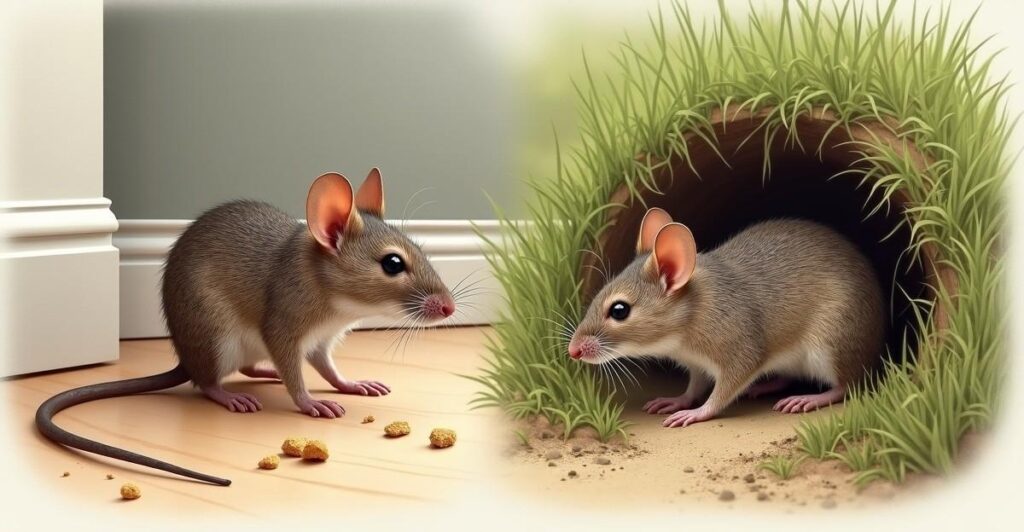
Mice and voles may look alike at first, but understanding the physical differences and behavior patterns allows us to quickly spot which rodent we’re dealing with. Mice typically invade indoor spaces like attics and pantries. Voles, on the other hand, stick to outdoor spaces, where they damage lawns and chew through roots while tunneling.
Key Takeaways
- Mice feature long tails, lean bodies, and noticeably large ears, while voles appear chunkier with shorter tails and ears that stay hidden beneath fur, as outlined by university extension rodent identification guides.
- Mice enter homes in search of warmth and food, especially as temperatures drop. Voles stay outside year-round in yards and garden beds, according to agricultural extension guidance on vole habitat and behavior.
- Mice leave small, pellet-like droppings inside and often produce scratching noises at night. Voles create visible path networks on the ground and target plant root systems, a common sign documented in lawn damage reports from extension services.
- Mice pose indoor issues such as food contamination and potential wiring hazards. Voles tear up landscaping, gnaw bark, and destabilize soil with their burrows.
- Knowing which rodent we’re dealing with from the start lets us focus on the right control methods to protect both indoor living areas and outdoor property.
How to Quickly Tell Mice and Voles Apart
The sooner we know whether we’re dealing with mice or voles, the faster we can respond the right way. While these two rodents may look similar at a glance, they’re actually quite different in size, appearance, and habits. Here’s a quick side-by-side to help with basic vole vs mouse identification.
Spotting the Physical Differences
This simple chart breaks down the most noticeable features when comparing mice vs voles differences:
- Size: Mice are smaller (2.5–4 inches not including the tail), while voles are larger (5–7 inches).
- Tail: Mice have long, thin tails often the same length as their bodies. Voles have short, stubby tails barely a third the length of their bodies.
- Body Shape: Mice have slim, pointy bodies and triangular noses. Voles are stockier with rounder heads and faces.
- Ears and Eyes: Mice have large ears and eyes. Voles have smaller, less noticeable ears hidden in their dense fur.
- Where They’re Found: Mice tend to move indoors, especially during cold months. Voles are garden and yard pests, rarely entering homes.
Knowing these traits can help figure out how to tell if you have voles or mice before we go in with a specific solution.
Understanding Behavior and Where They Live
Mice and voles also behave pretty differently. That behavior often points us in the right direction for treatment.
- Mice are nocturnal and more likely to venture inside homes and buildings looking for warmth, crumbs, and nesting spots. They’re year-round indoor pests, but signs often ramp up in the fall and winter. If we spot droppings in the pantry or hear scratching at night, it’s likely mice.
- Voles are active above ground even in daylight and don’t usually go indoors. They cause the most trouble in yards and gardens by chewing on grass roots, bulbs, and shrubs. Lawn damage during thaw cycles or narrow burrow paths along the ground are strong signs.
If you’re noticing small tunnels in your yard or plants getting knocked over at the roots, it likely means voles. Inside the house, gnawed food packaging or nests in attics or basements typically point to mice.
For those dealing with ongoing yard damage or unsure which pest you’re seeing, we’re ready to help. We handle both rodent types through responsible and effective treatments. Learn more about how we treat rodent problems like mice and voles with strategies that protect your home and property.

Where You’ll Likely Find Them in Eastern Idaho
Typical Hideouts for Mice
A mouse in the house is much more common than most folks would like to believe, especially during the colder months. In Eastern Idaho, where winter sends temperatures well below freezing, mice head indoors in search of warmth and food. These small rodents are drawn to sheltered spots with easy access to crumbs, pet food, or stored grain. We commonly find them in:
- Garages and sheds where clutter creates nesting material
- Kitchen pantries or basements where food is available and undisturbed
- Crawl spaces and behind appliances—warm areas that stay mostly quiet
- Attics, especially if insulation is accessible for nesting
Once inside, they reproduce quickly and can squeeze through gaps as small as a dime. Homes near fields, irrigation ditches, or open space often notice higher activity. If we don’t catch early signs—like chewing marks, droppings, or scratching—we often see rapid population growth indoors. That’s why our regular residential pest control services are so valuable in preventing mice from settling in.
Common Spots for Voles Outdoors
Idaho voles are a whole different story. These ground-dwelling critters usually stay outdoors, and they’re especially active under snow or when lawns begin to thaw in spring. Voles dig tunnels just beneath the surface that leave behind winding trails through grass and soil. Unlike mice, voles rarely enter homes. Instead, we typically find them in:
- Yards with overgrown grass or thick ground cover
- Garden beds filled with bulbs, root vegetables, and plants with tender bark
- Under snowbanks, where their activity stays hidden during winter
- Along irrigation lines or ditches, where moisture softens the soil
- Near outbuildings or compost piles that provide cover from predators
Eastern Idaho’s irrigation-heavy landscapes, mix of rural and suburban homes, and long winters make for perfect vole environments. If you spot uneven ridges or dead spots in your lawn in early spring, it might not be frost—it could be vole in yard activity from the colder months.
Staying ahead of these issues means keeping lawns trimmed, removing yard clutter, and watching for feeding damage on roots and trees. We’ve helped many folks with rodent control in Idaho that includes customized outdoor plans for vole-heavy areas.
The spacing between homes in Eastern Idaho adds to the challenge. Fields, ditches, and unattended sheds give voles and mice plenty of places to hide and breed. Whether it’s protecting a pantry or restoring a chewed-up lawn, identifying which pest you’re dealing with helps us choose the safest and most effective strategy.
Let us know if you’re seeing signs of either—a few questions and we can help figure out a plan. Reach out through our contact page to talk with a local service professional.
Signs to Watch For: Damage, Droppings, and More
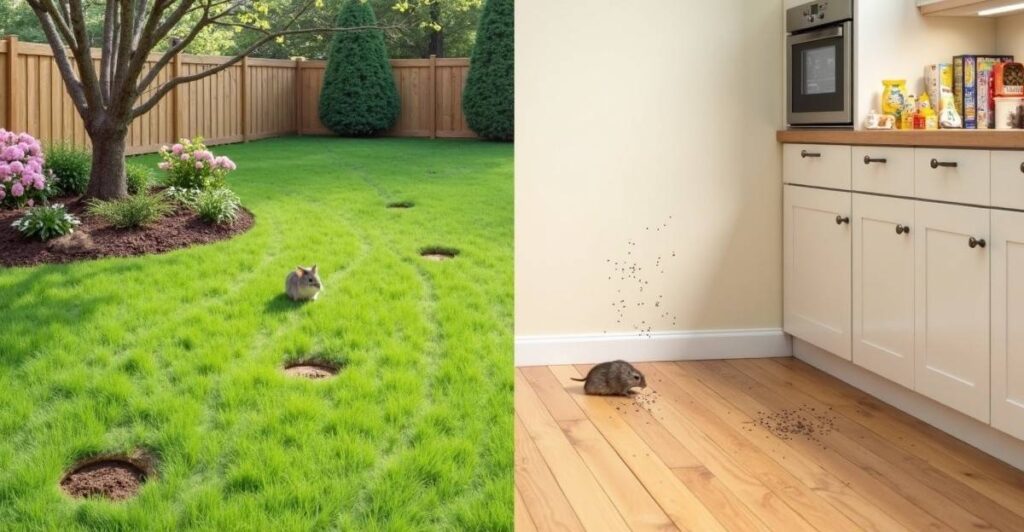
Knowing the difference between vole damage vs mouse damage helps us tackle pest issues early and effectively. While both are small rodents, the evidence they leave behind tells very different stories. Spotting these signs around your home or yard can save time, money, and plenty of frustration.
How to Tell the Difference by What They Leave Behind
Here’s what to keep an eye out for based on the most common signs of rodents in yard and home:
Mice tend to head indoors, especially as temperatures drop. Look for:
- Tiny pellet-shaped droppings, usually left along baseboards or behind appliances
- Gnawed corners of food boxes or bags, especially in pantries and cupboards
- A faint musky smell, common in enclosed areas with high activity
- Scratching or skittering sounds in the walls, usually at night
Voles do their work mostly outdoors. Common signs of voles in yard or garden include:
- Surface runways through lawns or mulch — narrow, worn paths where grass has thinned or vanished
- Small holes in lawns or garden beds, typically no more than 1–2 inches wide
- Bark or root damage around shrubs and trees, especially at ground level
- Chewed plants in garden beds, particularly new growth close to the ground
These patterns help us tell the two apart. Mice enter buildings looking for warmth and food, while voles almost always remain outside. That’s a key difference. If the noise or droppings are indoors, it’s likely mice or another indoor rodent. But if you’re seeing network-like pathways through the lawn with chew marks on low tree trunks, that’s more likely voles.
Also, timing matters. Vole activity aboveground increases as snow melts and the ground softens. That’s when their surface tunnels and feeding damage are easiest to spot. If we’re seeing signs in early spring, chances are we’re dealing with voles. Mice, on the other hand, tend to be active inside year-round.
Understanding these clues makes it easier to know when to call in help. If we’re spotting tracking lines in the grass or signs of voles in yard areas near gardens or young trees, those tunnels can do a lot of damage fast. And if we’re hearing scratching in the walls or finding food packages gnawed open, that’s a clear sign some uninvited guests have made it indoors.
Whether we’re talking about voles trimming our plants or mice chewing wires in the attic, these issues escalate quickly. Our rodent control services are built to stop damage before it spreads — in homes, yards, or commercial spaces.

Why It Matters: Risks and Concerns to Consider
Understanding vole damage vs mouse damage helps us act early and protect homes and yards from larger issues down the road. Mice and voles may be small, but their habits impact different areas of our lives—from indoor safety to outdoor upkeep.
What Mice Bring Indoors
Mice tend to head straight for the inside of our homes, especially as temperatures drop. While their tiny size means they can squeeze through gaps we might miss, their presence leaves signs we can’t ignore.
Here’s what we typically see with mice:
- Food contamination: Mice rummage through pantries, chew through packaging, and leave droppings that can spread bacteria.
- Sanitation issues: With constant gnawing and nesting behavior, mice leave behind urine, noises in the walls, and mess that builds up fast.
- Electrical and structural hazards: Chewed wires and insulation aren’t just a nuisance—they can spark serious problems over time, including fire risks, as noted in government home safety guidance on rodent damage.
These issues can happen without much warning. That’s why consistent, safe pest control in Idaho Falls is key to keeping these problems from growing unnoticed.
What Voles Do to Outdoor Spaces
Vole issues stay more focused outside. While they rarely enter homes, they cause noticeable trouble in yards, gardens, and fruit-growing areas. Digging tunnels and chewing on roots, they can undo months of hard work in a short time.
We usually find the following problems with voles:
- Landscape damage: Voles love roots and stems, so they’ll target garden plants, bulbs, and your lawn. Tunnels left behind can collapse and leave uneven surfaces.
- Orchard tree harm: Young saplings and fruit trees are especially inviting in colder months. Voles strip bark and chew roots, which can kill trees before spring.
- Predator draw: Vole populations can attract snakes, foxes, and birds of prey. That may increase wildlife traffic onto your property, putting pets at risk or unsettling daily routines.
Though both animals present unique concerns, they’re manageable with a calm, effective plan. Most of our customers find relief through a blend of monitoring, sealing entry points, and using professional methods that keep families and pets safe. When vole damage vs mouse damage begins piling up, acting earlier often means fewer treatments in the long run.
We’re proud to support our area with proven, respectful solutions. Whether it’s mouse control in your kitchen or help with unwanted tunnels in your garden, our rodent control services offer the local knowledge and dependable results Idaho Falls families trust.
What to Do Next: DIY Checks and When to Call a Pro
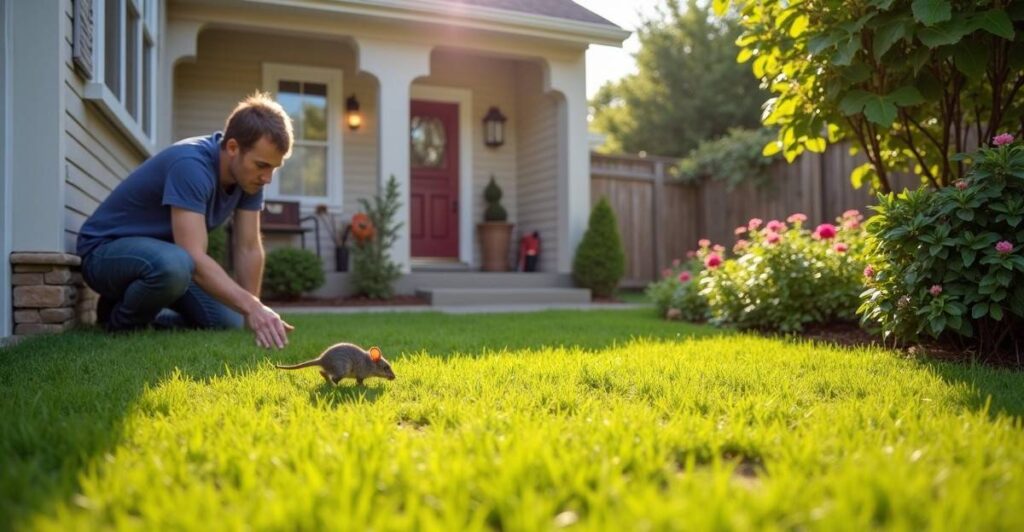
If we suspect unwanted critters like mice or voles around our property, it’s a good idea to take a closer look before the situation grows. A simple walk-through can reveal helpful clues.
Try These Quick Inspection Steps
We can often spot early signs of activity without much trouble. Here’s what we should look for:
- Droppings or tracks: Mice tend to leave small, pointed droppings near food, along walls, or inside cabinets. Vole droppings are more blunt-ended and found close to their grassy runways.
- Runways or tunnels: Voles leave shallow, surface-level trails in lawns or gardens. Mice, on the other hand, don’t mark up our grass but might nest in sheds, attics, or garages.
- Nests: Mice build nests indoors using insulation, paper, or cloth. Vole nests stay outdoors, usually hidden in dense vegetation.
- Entry points: Check garage doors, dryer vents, cracked foundations, and exterior pipes. Mice can slip through a hole the size of a dime. Close up any gaps we can see using sealant or fine steel mesh.
These tips often reveal whether we’re dealing with an indoor mouse issue or an outdoor vole population. But sometimes they’re tricky to tell apart — and not every trail or dropping gives a clear answer.
When It’s Time to Call in Help
Even with a good eye, it’s easy for anyone to miss the subtle signs. And no matter how tidy or well-kept a property is, pests like mice and voles can still find a way in. If we’re unsure of what we’ve seen or if the issue seems to grow, it’s smart to call a professional.
At Falls Pest Services, we know how to handle both indoor and outdoor rodent issues common to this region. With years of experience in Eastern Idaho pest control, we understand how our dry climate and varied seasons can affect pest behavior. That means we can quickly identify which critter’s causing problems — and craft a plan that fits the property.
We use proven solutions for safe pest control in Idaho Falls homes and businesses. Whether it’s working around kids or pets, maintaining gardens, or managing edge-of-field properties, we make it safe and simple.
If we’ve spotted something and want to get ahead of it, we’re just a click or call away. Learn more about our approach to rodent pest control or reach out for a free evaluation.
Pest problems are common, especially during seasonal shifts or after property changes. The good news? They’re also completely solvable — and we’ve helped plenty of neighbors around here do just that.
Helpful Resources for Eastern Idaho Residents
Identifying rodents like voles and mice early can make a big difference. For homeowners, it means avoiding chewed wires, nests in insulation, or torn up gardens. Small business owners can catch an issue before it affects inventory, reputation, or health inspections. Spotting the difference early helps guide safe and effective treatment choices.
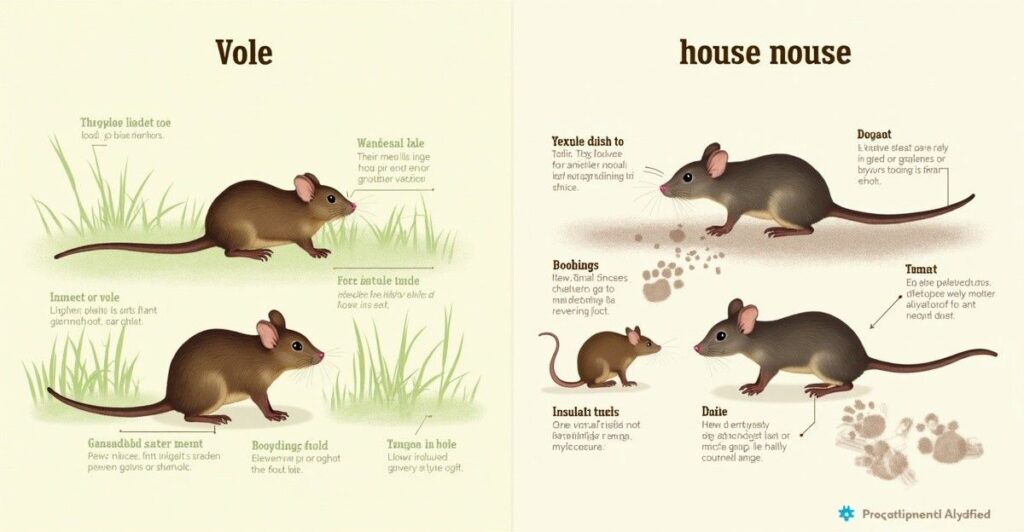
We’ve put together a simple vole vs mouse identification checklist that anyone can print or download. It outlines physical features, droppings, common damage, and signs of activity. Whether you’re checking footprints near a shed or looking at what’s hiding in your pantry, this guide gives a clear starting point.
Why Differentiation Matters
Here’s what knowing the difference can help with:
- Choosing the right traps or bait stations
- Knowing what food sources to secure or remove
- Understanding indoor vs outdoor nesting habits
- Deciding urgency of treatment and action
Voles tend to stay outside and target lawns and gardens. Mice are far more likely to come inside and cause issues in walls, attics, or pantries. Seeing chewed roots or trails in the grass might point to voles. Hearing scratching at night usually means mice. Each behaves a bit differently—and treatment plans should reflect that.
We’re proud to offer safe pest control in Idaho Falls and nearby areas, grounded in knowledge of how local rodents move and behave throughout the year. That means you won’t see one-size-fits-all treatments. If you’re not sure what you’re dealing with, it’s perfectly okay to ask. A quick visit from Falls Pest Services can give you clarity and peace of mind.
Sometimes it’s just a single mouse. Other times, it’s an outdoor vole issue that could spread. Either way, we’ll give you honest answers. We also offer customized residential pest control services and commercial options that work around your priorities.
We’ve seen that identifying a rodent early can prevent costly repeat treatments and repairs down the line. No two situations are exactly alike, but we’ll always start with a clear ID and honest assessment. Feel free to reach out to us for a quick consultation or to ask questions specific to your area.
When you’re facing a vole vs mouse identification issue, there’s no harm in getting a second opinion. For trusted rodent control in Eastern Idaho, we’re just a call or message away.
Frequently Asked Questions
The main difference between mice and voles is where they live and the type of damage they cause. Mice are indoor pests that seek warmth and food inside homes, while voles stay outdoors and damage lawns, gardens, and roots. Their body shape also differs, with mice having long tails and voles having short, stubby tails.
You can tell by the type of damage you see. Voles create visible surface runways, shallow tunnels, and chewed plant roots in lawns or gardens. Mice usually do not damage grass and instead nest in structures like sheds or garages. Yard-only damage with trails typically points to voles.
Voles almost never enter houses. They are outdoor rodents that live underground or in dense vegetation year-round. Mice, on the other hand, commonly move indoors when temperatures drop. If you find droppings, scratching noises, or gnawed food packaging inside, mice are far more likely than voles.
Both cause damage, but in different ways. Mice pose greater risks indoors by contaminating food, chewing wiring, and nesting in insulation. Voles cause extensive outdoor damage by destroying lawns, killing plants, and gnawing tree bark and roots. The severity depends on whether the problem is inside the home or outside.
The best approach depends on the rodent. Mice control focuses on sealing entry points, removing food sources, and using indoor traps or bait stations. Vole control targets outdoor habitats through vegetation management, runway disruption, and outdoor trapping. Correct identification is essential because treatments for mice are not effective for voles.