Do I Need a Pest Inspection Before Selling My Home?
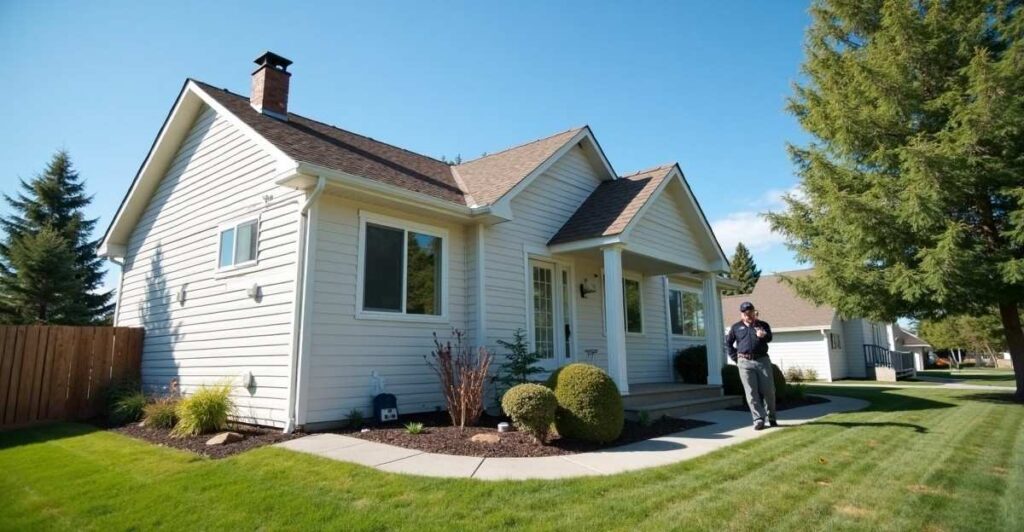
Scheduling a pest inspection before listing a home can have a major impact on how smoothly the sale progresses. In Eastern Idaho, ants, rodents, and termites often hide out in attics and crawlspaces. While the law may not always require this inspection, taking care of it early helps prevent last-minute setbacks, earns buyer trust, and keeps everything running on schedule.
Key Takeaways
- A pre-listing pest inspection spots potential issues early—well before a buyer’s inspector finds them.
- Termites, ants, and rodents often raise concerns with buyers or create problems with financing.
- Some loans, like VA or FHA, might require pest clearance based on the property’s location or condition.
- Homes with wood features, older construction, or rural settings tend to benefit the most from a professional check.
- A pest-free report allows sellers to list confidently, limit price negotiations, and close faster.
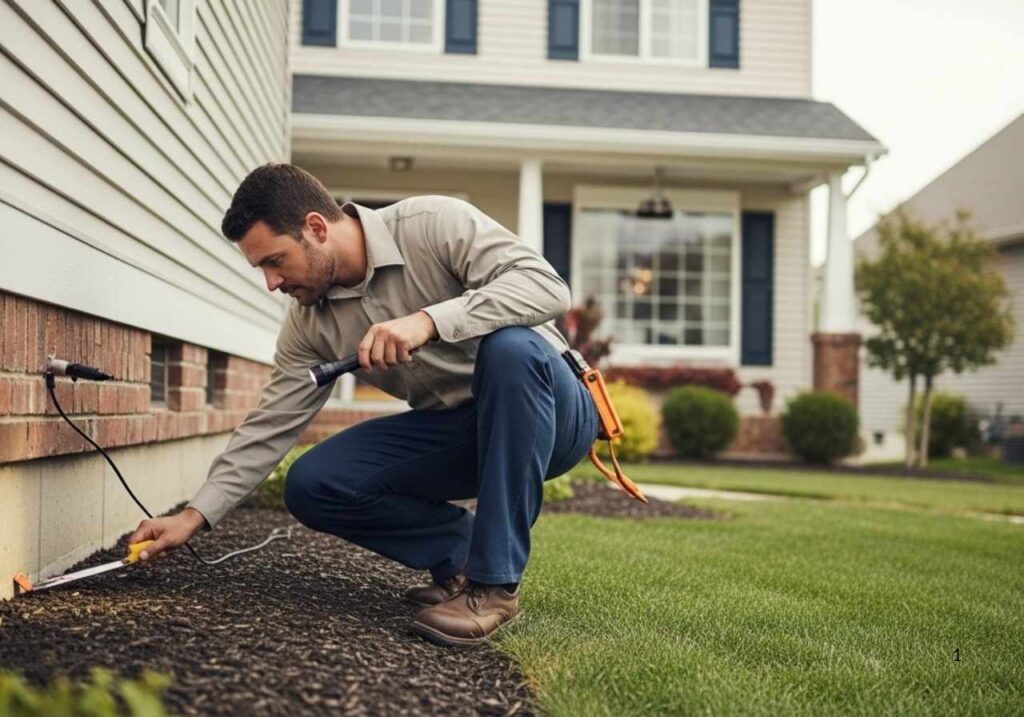
Why Pest Inspections Matter When Selling Your Home
Buyers in today’s market do their homework. Many expect a pest inspection for home sale agreements, even if it’s not legally required. Skipping it can cause delays if problems turn up during the buyer’s inspection. That’s why getting ahead of it can save time and stress later on.
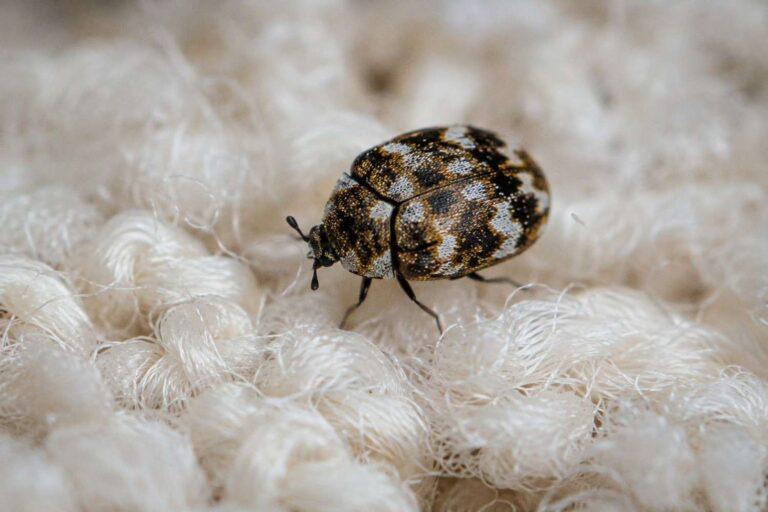
We’ve seen pests—especially termites, rodents, and ants—turn an easy home sale into a drawn-out process. Termites, in particular, can raise serious concerns. Their damage often hides beneath the surface, making them easy to miss unless you’ve had a professional look. Rodents or signs of droppings in crawlspaces can also raise suspicion. Even a small ant problem may raise doubts about the home’s overall care.
A pre-listing pest inspection shows you’re being upfront. It tells buyers we’ve checked for issues and addressed anything that needed attention. That kind of transparency builds trust early on. It also eliminates any surprises that might show up later and derail closing.
How Pests Affect Home Sales
Pest issues can scare buyers off or give them leverage in negotiations. Here’s how they impact the selling process:
- Buyer confidence drops: Visible signs of pests—or even past damage—can lead to concerns about other areas of upkeep.
- Loan underwriters may balk: Lenders sometimes require repairs before approving financing if inspections uncover wood-damaging insects or infestations.
- Negotiations become tricky: If pests are found during the buyer’s inspection, expect repair demands or price reductions.
- Time to close increases: New inspections, contractor quotes, or pest treatments can cause weeks of delay.
In our experience working across Eastern Idaho, homes listed with clean pest records or documented treatment plans often breeze through this part of the sale. According to several local realtors we’ve worked with, sellers who invest in pest inspections before listing typically see smoother negotiations and fewer requests for repairs.
Benefits of Pre-Listing Pest Inspection
There are some practical and peace-of-mind reasons to get the pest part of your home checked early. Some of the clearest advantages include:
- Identifying problems before they affect value
- Making time for repairs without deadline pressure
- Marketing the home as “pest-free” to attract buyers
- Setting a confident selling price backed by clean reports
- Avoiding last-minute stress during escrow
Taking this proactive step signals you’re a responsible homeowner. If pests are discovered, we can plan for safe and thorough treatment. Whether it’s wood damage from termites or rodent control needs, having a plan in place matters.
If you’re getting ready to list your property, we’re always here to help with a pre-listing pest check. Contact us through our online form to schedule a visit. That way, you’ll go into your sale with confidence—and a few less things to worry about.
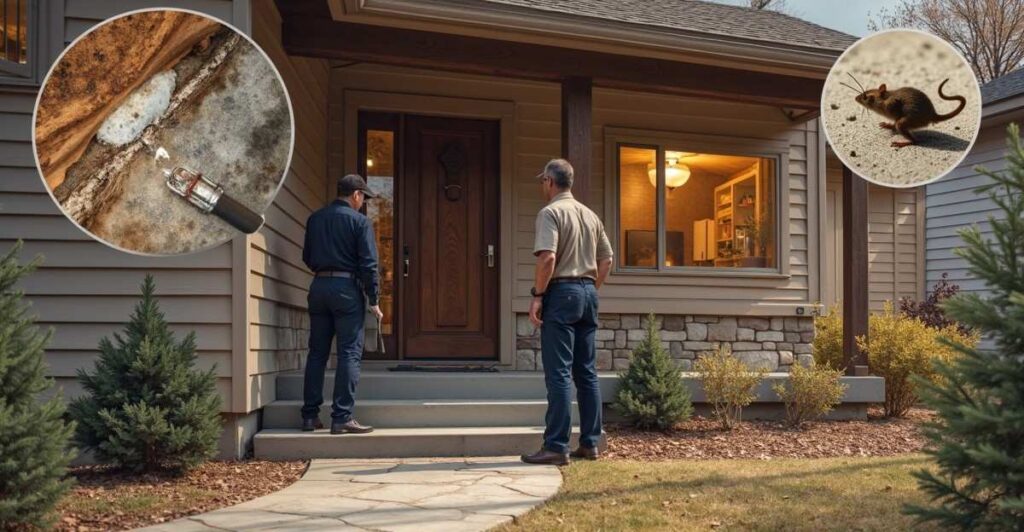
What a Pest Inspection Includes (and How It Differs from a General Home Inspection)
A pest inspection before selling a house gives potential buyers peace of mind and helps us stay ahead of any issues that could slow down the sale. Unlike general home inspections, a pest inspection specifically targets the presence and damage caused by unwanted critters like termites, ants, rodents, and other pests common in Idaho.
Home inspectors may catch signs of roof damage or outdated electrical panels, but they won’t focus on signs of tunneling from termites or droppings from mice. That’s a job for a trained pest professional who knows where to look and what subtle signs could signal a bigger problem under the surface.
What’s Included in a Home Selling Pest Inspection in Idaho
When we perform a pest inspection before a home sale, we focus on structures and spaces where pests are most likely to hide. These include:
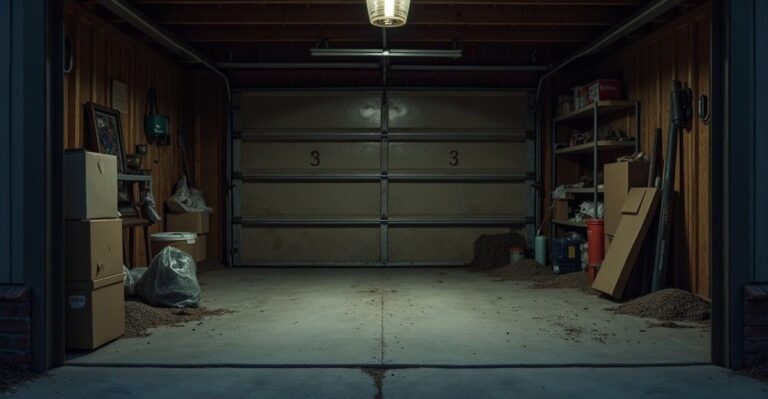
- Crawl spaces, where moisture and darkness attract insects and rodents
- Attics, especially in older homes with insulation pests like to burrow into
- Basements, particularly if there are wood supports or signs of water leaks
- Outbuildings or sheds, which often go unchecked but can house nests or colonies
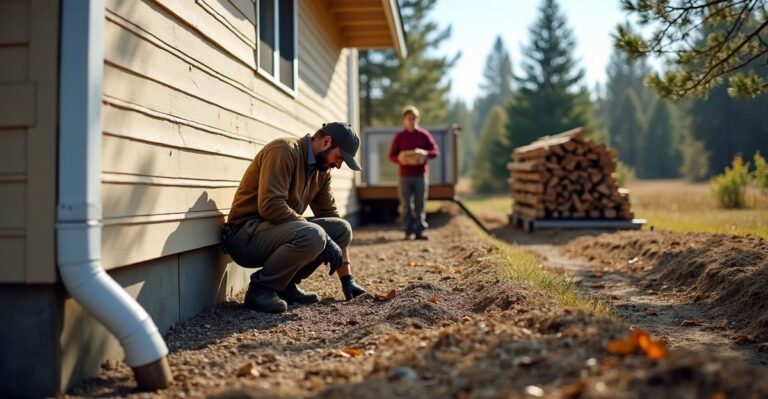
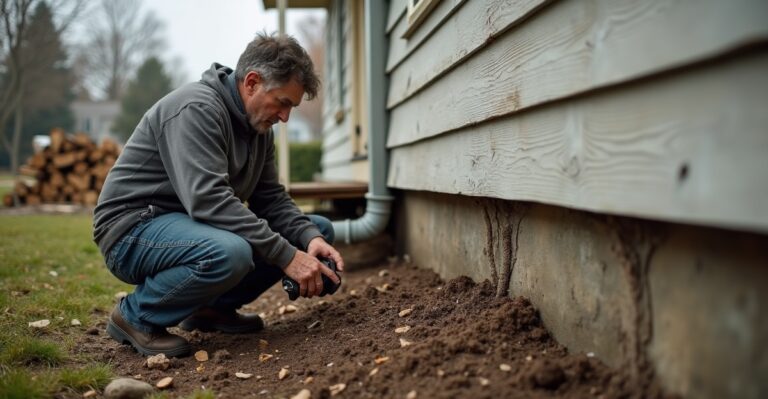
- Foundation areas, where gaps, cracks, and mulch beds create access points
- Wooden structures, since termites and carpenter ants cause damage that can impact a property’s integrity
We check for signs of infestation, droppings, gnaw marks, damaged wood, discarded wings (from termites), and conducive conditions like lingering moisture. A certified report can mean the difference between a buyer walking away or moving forward confidently.
Why It Matters More Than You Might Think
Let’s be honest: pests don’t just cause discomfort — they can stall deals. Termites and home sales, for example, are closely connected. Even minor termite activity can trigger buyer hesitation, lower appraisal values, and longer negotiations. If a problem is uncovered late in the selling process, it could delay closing or require expensive last-minute repairs.
A thorough termite inspection can spot damage early, giving sellers time to correct issues without pressure. For homes without signs of active infestation, a clean inspection can be a strong selling point.
Buyers in Idaho are increasingly looking at the condition of foundation wood, attic insulation, and crawl space seals — especially in areas where rodents or pest activity are common. For sellers, a detailed home selling pest inspection Idaho can support transparency and trust, helping the house move off the market faster.
If you’re considering selling and want to understand what’s involved in a pest inspection, reach out through our contact page. We’ll answer questions and help schedule a time that works.
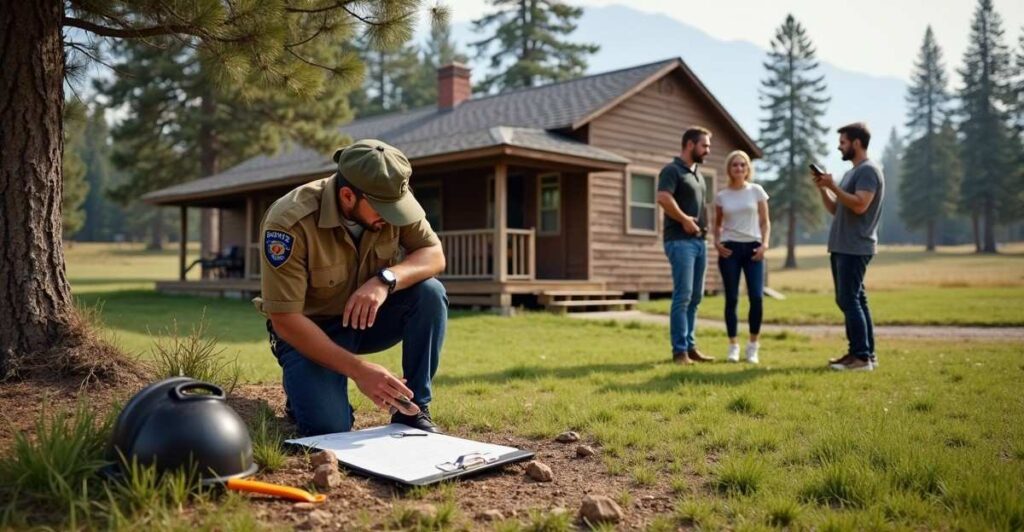
Are Pest Inspections Required Before Selling in Idaho?
Pest inspections aren’t required by Idaho state law. That said, they’re sometimes necessary depending on the buyer’s financing or the condition of the property. In many cases, an inspection can smooth the sales process and build trust with potential buyers—especially with older or rural homes, which are common around here.
Understanding Lending Requirements
While the state doesn’t mandate pest inspections for home sales, certain mortgage lenders do. In particular, government-backed loans have stricter criteria.
One good example is VA loans. The U.S. Department of Veterans Affairs outlines property condition requirements for VA-backed mortgages, which can include pest inspections when infestation or wood damage is suspected, structural wood damage, or conditions favorable to pests like moisture buildup. In those cases, either the seller or lender might pay for the inspection and any necessary treatments.
Here are a few loan types where inspections may come into play:
- VA Loans: Frequently require termite or pest inspections, especially in states like Idaho where pest activity can affect home structures.
- FHA Loans: HUD’s FHA Minimum Property Standards explain when inspections may be required due to property condition issues, including visible signs of infestation or lies in a known high-risk area.
- Conventional Loans: Usually leave the decision up to the lender, though many will still ask for pest clearance as part of the due diligence process.
That’s why it’s best to clarify the buyer’s financing early. If a pest inspection pops up as a required step, it’s easier to plan ahead than to risk a last-minute surprise. We often help sellers understand which loans typically require inspections through our local knowledge and pest control services.
Why Pest Inspections Make Sense, Even When They’re Optional
Even without legal pressure, smart sellers often choose to schedule an inspection before listing. We get this a lot with families putting older or rural properties on the market—something that’s common given the makeup of housing across our region.
There are several benefits to doing so:
- Fewer Surprises During Escrow: Discovery of termites or rodents late in the process can stop a deal in its tracks. Early inspections help avoid renegotiations.
- Stronger Buyer Confidence: Buyers are more comfortable moving forward when they see recent inspection records and know issues have been handled by a licensed professional.
- Simpler Disclosure Process: According to Idaho’s official property disclosure requirements, sellers must disclose material facts about the home. A professional inspection gives sellers confidence that they’re disclosing accurately.
- Better Market Value: Homes that can prove a clean bill of health—or show that pests were properly treated—often sell faster and at better prices.
We also see sellers gain peace of mind when they know pests like termites or rodents haven’t caused unseen damage. It’s especially relevant for folks asking about eastern Idaho home inspection requirements or looking to avoid problems with buyers using VA or FHA financing.
If pest activity is found, we help take care of it right away. Prompt treatment and documentation can satisfy lender conditions and keep closing on track.
What We Recommend
If the question is: are pest inspections required before selling? The answer depends on loan type, property condition, and buyer expectations.
But looking beyond legal checkboxes, inspections offer benefits that go beyond compliance. For anyone selling a rural property in Eastern Idaho—or homes built more than 20 years ago—we strongly suggest booking one in advance of listing your home.
It’s a small investment that can save big headaches later. If you’d like help scheduling an inspection, or just have questions about what’s needed in your area, don’t hesitate to reach out to our team. We’re always here to help sellers feel confident at every step.
How Pests Can Affect the Sale Process (And Your Bottom Line)
A pest problem often calls more than just attention—it can put entire home sales at risk. Buyers may love the look and layout of a property, but evidence of insects or rodents has a way of shifting priorities. It’s far easier—and usually much cheaper—to deal with pests early than to handle them under pressure during negotiations.
What Happens if Pests Are Found During a Buyer’s Inspection
Buyers usually schedule a home inspection once they’re under contract. If pests turn up during that visit, things can get complicated quickly. Here’s what often follows:
- Renegotiation of the sale price: Buyers may ask us to drop the price to cover whatever pest removal or damage repair they’ll need to take on.
- Last-minute treatments and repairs: If sellers want to keep the sale on track, they may have to fix problems fast. That can mean higher costs and limited time to choose reputable providers.
- Hesitation or withdrawn offers: Some buyers simply walk away if they see active infestations or signs of past damage. Others may delay moving forward while they reassess risk or get expert opinions.
We’ve seen untreated termite activity be the turning point. Not only can termites cause significant structural damage, but some lenders flag properties with confirmed issues. That can lower the home’s appraisal and put financing in jeopardy—even in cases where treatment is already scheduled.
It’s worth noting that buyers can be especially sensitive to pests near foundations, in attics, or within roof structures. These are the spaces that matter most for safety, energy efficiency, and long-term livability.
Why Rural Homes Need Extra Attention
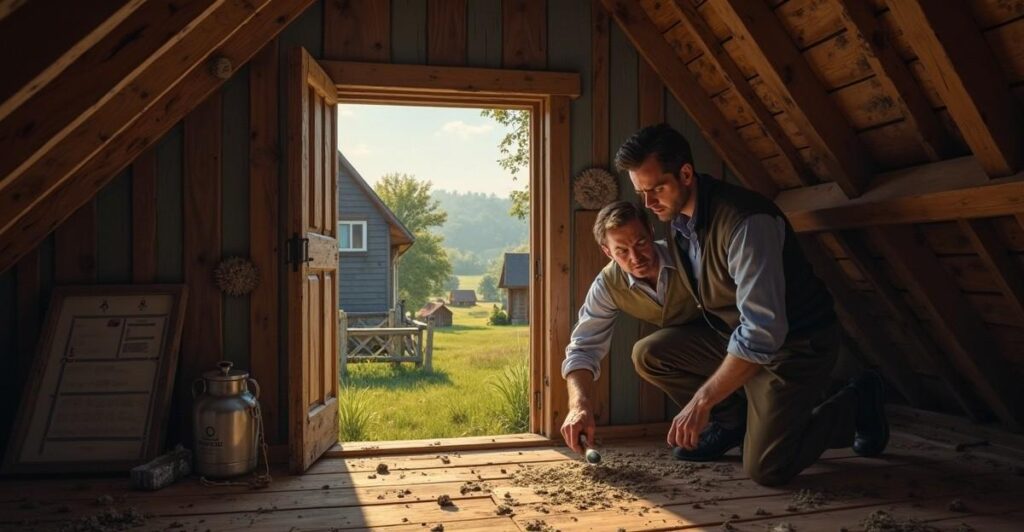
Rural homes and edge-of-town properties often deal with unique pest pressures. We regularly inspect areas like barns, pump houses, sheds, and crawl spaces where pests love to nest unnoticed. Common troublemakers include:
- Mice and rats nesting in insulation or chewing wires
- Carpenter ants or termites damaging exposed wood in garages or decks
- Spiders and wasps building nests in rafters or sheds
- Bed bugs carried in by guests, furniture, or travel
Even pests that seem minor can derail interest from folks not familiar with rural living. For first-time buyers moving out of town, the thought of active rodents in the attic is enough to shift focus elsewhere.
Taking action early with proven pest control methods gives us time to correct any issues and show buyers that the home’s been properly maintained. It also means we’re not scrambling to fix surprises after an offer is accepted.
It’s a smart move to bring in a professional before listing. An inspection costs far less than a price drop or a buyer walking away. Sellers often ask us for pre-listing pest checks, especially if they’ve lived on the property for years or suspect insects in hidden spaces. Being proactive sets the right tone and can protect your asking price.
If your home is in a rural area or has any extra buildings, we recommend looking into residential pest control services that target those specific environments. Preventing pest surprises isn’t just smart preparation—it’s a responsible step that boosts buyer confidence and keeps your timeline intact.

Signs You Might Want a Pest Inspection Before Listing
Knowing when to schedule a pest inspection is key to keeping your sale process smooth. If we notice pests now or remember issues from past seasons, it’s a good idea to get ahead of it. Even something small can become a sticking point during a buyer’s inspection.
Homes that haven’t had professional pest care in over a year are at higher risk. That doesn’t mean there’s a problem—it just means we haven’t had a recent set of eyes on your foundation, attic, or crawlspace. Scheduling a quick check gives peace of mind and helps avoid last-minute surprises.
If your home is older or includes wood-heavy features like decks, sheds, or fencing, it may be more inviting to wood-destroying insects. These types of features can make a home a target, especially in our Idaho climate. A targeted look now can help prevent delays once the house hits the market.
Location plays a role, too. Properties that sit on acreage or back up to rivers, foothills, or farmland have a higher chance of attracting unwanted guests—especially rodents, ants, and termites. A professional eye can tell whether it’s a passing visitor or a sign of a larger issue.
Quick Home Selling Pest Inspection Checklist
If any of the following apply, we recommend a home selling pest inspection in Idaho before listing:
- We’ve seen ants, spiders, cockroaches, mice, or other pests around the home—recently or in prior seasons.
- No pest control service has treated the property in over 12 months.
- The home is 30+ years old or includes features made from untreated wood.
- The property includes outbuildings, woodpiles, or log structures.
- The home sits next to unmaintained lots, open fields, or natural water sources.
- Neighbors have mentioned pest issues nearby.
- You’ve had to DIY pest control with traps, sprays, or store-bought solutions.
Getting ahead with a professional inspection streamlines the entire selling process. Buyers will feel more confident. Agents can list with fewer disclosures. And as sellers, we avoid the headache of rushed treatments or lost offers due to pest findings.
We’re here to help make that step easy. Whether it’s confirming a clean bill of health or identifying areas to treat now, a simple call to our team saves time and stress later. If you’re unsure where to begin, our residential pest control services are designed to make homes sale-ready and pest-free.
Let’s make sure your home stands out for the right reasons—and keep pests from interfering with your closing.
Working with a Local Expert You Can Trust
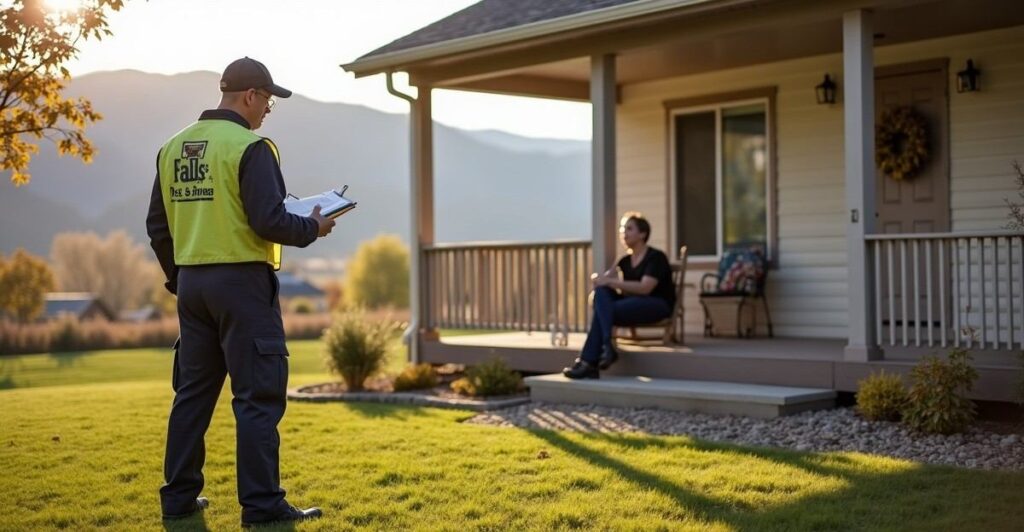
Preparing a home for sale comes with a long checklist. Partnering with the right pest control company can take one big worry off that list. At Falls Pest Services, we’ve helped many Eastern Idaho homeowners and real estate pros navigate pre-sale pest inspections with confidence and ease.
We’re a locally owned team that understands the pest issues common to this area—because we live here, too. That means when we inspect a home, we’re looking for the right things in the right places. Whether it’s carpenter ants in wooded lots, mice slipping into crawlspaces as winter sets in, or termite activity near older foundations, we focus on what actually matters for a clean inspection and stress-free sale.
Why Local Knowledge Makes a Difference
Eastern Idaho’s homes and landscapes are as diverse as the weather. From foothill cabins to suburban cul-de-sacs, homes here face very specific challenges due to climate and geography. That’s where local experience pays off: we know the seasonal pest cycles, soil types that attract termites, and how irrigation practices can increase insect pressure around foundations.
Rural properties especially benefit from our focused approach. If a home is on acreage or bordered by fields, an inspection should include specific attention to rodents, wasps, ants, and occasional invaders that migrate from open land. We’re trained and equipped to deliver precisely this kind of pest control for rural properties—carefully and effectively.
Our inspections align with typical Eastern Idaho home inspection requirements and provide straightforward findings sellers can review with agents or potential buyers. If we find issues, we offer clear steps to fix the problem swiftly—always keeping your timeline and budget in mind.
Straightforward Service During a Busy Time
Selling a home is busy enough without added stress. That’s why we keep our communication clear, our timelines realistic, and our work respectful. Sellers have told us they appreciate how we explain inspection results in plain language and help them decide the next steps without pressure.
Here’s what you can expect when working with us during a pre-sale inspection:
- On-time arrivals and dependable scheduling so you’re not left guessing
- Thorough inspections focused on pests that impact insurance, resale value, or safety
- Honest recommendations on treatment options if anything is found
- Minimal disruption to your household or your selling process
- Friendly service from a team that respects your time and your property
If a home is pest-free, we’ll provide documentation that can reassure potential buyers. If there’s a concern, we explain exactly what it means and how to handle it. We never overstate the issue or recommend more treatment than what’s needed.
If you’re considering a pest inspection before listing your home—or just want to talk through whether it makes sense—we’re glad to lend a hand. Reach out and schedule a pest inspection with Falls Pest Services as a friendly check-in, not a commitment. We’re here to help you feel prepared and confident, one step at a time.
When pests show up or peace of mind is needed, neighbors in Eastern Idaho know they can call on us.
Frequently Asked Questions
No, a pest inspection for home sale is not always required when no issues are visible, but it is still recommended. Many pest problems, such as termites or rodents, hide in crawl spaces, attics, or walls. A pre-listing inspection helps uncover hidden concerns early, prevents surprises during buyer inspections, and reassures buyers that the home has been properly maintained.
The most common pests found during a pest inspection for home sale include termites, carpenter ants, mice, rats, and spiders. In some areas, wasps and other wood-damaging insects are also frequent concerns. Inspectors focus on places pests prefer to hide, such as crawlspaces, attics, basements, and wooden structures, where early damage may not be visible to homeowners.
Yes, a pest inspection for home sale can directly affect pricing. If pests or damage are found late in the process, buyers may request price reductions or repairs. Completing the inspection before listing allows sellers to address problems on their terms, support their asking price with documentation, and reduce buyer leverage during negotiations.
In most cases, the seller pays for a pest inspection for home sale when it is done before listing. If the inspection is required later due to buyer financing, payment may be negotiated between buyer and seller. Sellers often choose to pay upfront because it helps avoid delays, strengthens disclosures, and creates a smoother transaction overall.
A typical pest inspection for home sale takes about 30 to 90 minutes, depending on the size of the property and the number of structures inspected. Larger homes, older properties, or homes with crawlspaces and outbuildings may take longer. Reports are usually delivered quickly, allowing sellers to move forward without delaying their listing timeline.