What Is the Best Time to Schedule Pest Control?

We determine the ideal time for pest control based on seasonal pest activity, property conditions, and whether we prevent a problem or respond to visible signs. Timing service around spring ant emergence, summer wasp activity, and fall rodent movement in Eastern Idaho helps us schedule treatments at the right moment and stay ahead of predictable infestations.
Key Takeaways
- Pest activity in Eastern Idaho follows clear seasonal patterns, with ants in spring, wasps in summer, and rodents in fall.
- Preventative treatments scheduled before peak activity provide longer-lasting and more dependable control.
- Reactive pest control works best when we see active signs like ant trails, nests, droppings, or indoor spider webs.
- Fall creates a critical window for stopping rodents and overwintering pests before they settle indoors.
- Year-round pest control plans give us consistent monitoring and smoother protection through each seasonal shift.
When Timing Makes the Biggest Difference for Pest Control in Eastern Idaho
The ideal time for pest control depends on the pest, the property, and the season. There isn’t one perfect month that fits every home in Eastern Idaho.
Our climate brings cold winters, dry summers, and sharp seasonal shifts, conditions reflected in regional climate summaries for Eastern Idaho. Because of that, pest activity follows predictable patterns. Ants usually surge in spring. Wasps peak in summer. Rodents look for shelter in fall. Understanding pest control timing Eastern Idaho helps us act before these spikes happen.
Proactive treatments work best just before peak activity. Treating for ants in early spring often prevents full colony expansion around foundations, a timing strategy recommended by entomology research on ant colony growth cycles. Addressing rodent risks before temperatures drop reduces the chance of them settling into walls and attics.
Reactive treatments also have their place. If we see ant trails, wasp nests under eaves, rodent droppings in the garage, spider webs building up indoors, or clusters of boxelder bugs on siding, that’s the best time to schedule pest control. Visible signs mean activity is already underway.
Scheduling doesn’t have to feel urgent or overwhelming. A quick inspection can show whether immediate service is needed or if preventative pest control makes more sense. With a clear plan, we reduce emergency calls and keep protection manageable year-round.
Seasonal Pest Activity in Eastern Idaho: What to Expect and When to Act
Seasonal pest control Idaho works best when we align service with pest activity by season. Each part of the year brings different pressures.
Spring and Summer Pest Patterns
Spring (March–May) marks a major transition. As snow melts and soil moisture rises, pests move toward foundations.
In spring, we often see:
- Ants emerging and forming outdoor colonies
- Spiders becoming more visible around entry points
- Early wasp activity as queens establish nests
This is why spring pest control services are a smart preventative step. Treating before colonies fully expand gives us stronger, longer-lasting control. Many homeowners ask whether pest control is needed in the spring, and in Eastern Idaho, early action usually makes the rest of the year easier.
Summer (June–August) brings peak insect activity. Wasps and hornets grow more aggressive as nests mature. Outdoor ants spread. Spiders remain active. Dry conditions push insects indoors searching for water.
Summer pest prevention focuses on maintaining exterior barriers and controlling nests early. Addressing wasps, hornets, and bees before nests reach full size reduces risk around entryways, decks, and play areas.
Fall and Winter Transitions
Fall (September–November) is one of the most important windows for action. As temperatures drop, rodents, boxelder bugs, and cluster flies look for warm shelter, a seasonal behavior widely documented by pest management and wildlife extension research.
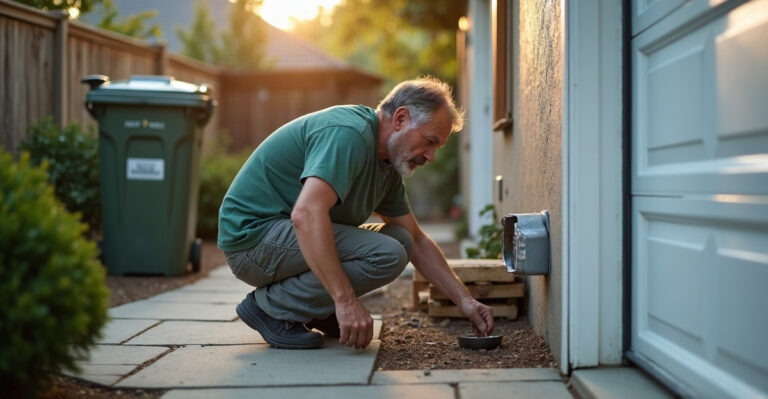
Fall pest control preparation helps stop overwintering pests from settling into walls and attics. Sealing entry points and applying targeted treatments before the first hard freeze makes a major difference. For rodents in particular, early attention to rodent control services prevents winter infestations that are harder to resolve later.
Winter (December–February) slows most exterior insect activity. That doesn’t mean pest issues disappear. Indoor rodent concerns may become more noticeable once snow covers outdoor food sources. This is also a practical time for inspections and planning. Homeowners often review winter pest control needs during this quieter season.
Preventive timing almost always provides better control than waiting for visible infestations. When we match service to pest activity by season, we stay ahead of predictable cycles.
Preventative vs. Reactive Pest Control: Which Do We Need Right Now?
Both preventative pest control and reactive service are responsible choices. The difference comes down to timing and current activity.
Preventative pest control is scheduled before we see pests inside. It focuses on barrier treatments, monitoring, sealing vulnerable entry points, and early intervention. Over time, this approach is often more cost-effective because it reduces large infestations and emergency calls. Homeowners who follow a routine schedule often find service intervals align with guidance in how often pest control should be done.
Reactive service begins after pests are visible. Ants in the kitchen. Wasps near entryways. Scratching in the walls. Spider webs building up indoors. If we’re seeing consistent pest activity inside, now is the best time to schedule pest control. Waiting rarely improves the situation.
For those unsure when to get pest control, we keep it simple. If activity is present, schedule service. If pests aren’t visible but seasonal spikes are approaching, preseason treatment is ideal. A closer look at when to call for pest control can also help clarify the right moment.
We never approach these situations with pressure or judgment. Pest issues are common in Eastern Idaho. Acting early or responding quickly both show responsible home care.
Is Year-Round Pest Control Worth It in Eastern Idaho?
A year-round pest control plan aligns well with our four distinct seasons. Quarterly visits allow us to adjust treatments as pest populations shift from ants and spiders to wasps to rodents.
The benefits are straightforward:
- Consistent monitoring
- Fewer emergency situations
- Protection during key transition months like spring thaw and fall cooling
Seasonal pest control Idaho works best when we anticipate changes rather than react to them. That said, a year-round plan isn’t required for every property. Rural homes near fields or open land may face higher rodent pressure. Suburban properties with mature landscaping might see more ant or spider activity. Past infestation history and building type also matter.
We explain every year-round pest control plan clearly. Scheduling stays predictable. Pricing remains straightforward. If we ever wonder how long a treatment will protect our home, it helps to understand how long a pest treatment lasts and whether additional seasonal adjustments are needed. For those concerned about recurrence, we also address whether pests come back after treatment so expectations stay realistic.
The ideal time for pest control may vary by property, but steady coverage often delivers smoother, more reliable protection across the year.
Safety, Local Expertise, and Scheduling with Confidence
Safety remains a top priority in every service we provide. Treatments are applied with families and pets in mind. We focus on targeted applications rather than broad, unnecessary exposure. Clear communication ensures we know what to expect before and after each visit.
Local knowledge also makes a difference. We understand how weather patterns in Idaho Falls, Twin Falls, Pocatello, Rexburg, Rigby, and nearby communities shape pest behavior. Pest control timing Eastern Idaho depends on snowpack, summer heat, and seasonal moisture levels. Experience in these areas allows us to recommend the ideal time for pest control based on real conditions, not guesswork.
For complete protection options, we offer professional pest control services and customized residential pest control plans built around each home.
Taking the next step stays simple. We can schedule an inspection, request a straightforward quote, or reach out for situation-based advice through our contact page. The best time to schedule pest control often becomes clear after a short conversation and a careful look at the property.
As a locally owned company, we value responsive service and honest recommendations. With the right timing and a clear plan, protecting our homes from seasonal pests becomes predictable and manageable year-round.
Frequently Asked Questions
The ideal time for pest control is usually before pests reach peak activity in each season. Early spring treatments help prevent ants and spiders from establishing colonies, summer services control wasps and stinging insects, and fall treatments stop rodents seeking indoor shelter. Scheduling pest control ahead of seasonal pest surges provides longer-lasting protection and reduces the chance of large infestations developing.
Spring is often one of the best times to schedule pest control because many pests become active as temperatures rise. Ants begin forming colonies, spiders appear around entry points, and wasp queens start building nests. Treating a property in early spring creates a protective barrier around the home and helps prevent pests from multiplying later in the warmer months.
Most homes benefit from pest control treatments every three months. Quarterly pest control aligns with seasonal pest cycles, allowing service professionals to adjust treatments for ants in spring, insects in summer, and rodents in fall. Regular service also includes monitoring and early detection, which helps prevent small pest problems from turning into larger infestations.
Waiting until pests are visible is not always the best approach. Preventative pest control works by stopping infestations before they start, especially during predictable seasonal spikes. However, if you notice ant trails, rodent droppings, spider webs indoors, or wasp nests near your home, it is a good time to schedule pest control immediately to address the active problem.
Yes, fall is an important time for pest control because rodents begin searching for warm shelter as temperatures drop. Mice and rats often enter homes through small openings around foundations, garages, or attics. Scheduling pest control in early fall allows service professionals to seal entry points and apply treatments that prevent rodents and overwintering pests from settling indoors.