Can Pest Control Prevent Disease Spread?
Pests and household illnesses stay closely connected because rodents, cockroaches, mosquitoes, ticks, and flies carry bacteria and pathogens into living and working spaces. These pests spread contamination through droppings, urine, bites, and contact with food or surfaces. We often see risks increase in both homes and commercial settings when infestations go unchecked. Professional pest control reduces disease spread by targeting active infestations, sealing entry points, and building a prevention plan. Long-term sanitation and property maintenance still play a critical role in keeping risks low.
Key Takeaways
- Rodents, cockroaches, mosquitoes, ticks, and flies transmit illness through contaminated surfaces, bites, and exposure to droppings or urine.
- Ongoing infestations and poor sanitation raise the risk of pest-borne diseases far more than an occasional isolated sighting.
- Professional pest control reduces exposure by combining detailed inspections, targeted treatments, and sealing of cracks, gaps, and utility openings.
- Integrated pest management prioritizes sanitation, habitat reduction, and controlled product use to improve safety for families, pets, and employees.
- Simple prevention steps such as sealing exterior gaps, storing food in airtight containers, and managing moisture support lasting disease risk reduction.
How Pests Spread Illness in Homes and Businesses
Pests and household diseases are connected in practical, everyday ways. Rodents, cockroaches, mosquitoes, ticks, and flies can expose families, pets, employees, and customers to health risks if infestations go unchecked. According to CDC guidance on pests and vector-borne disease transmission, these pests are associated with pest-borne diseases through contamination, bites, or exposure to droppings and urine.
Most transmission happens through simple pathways. Droppings or saliva can contaminate food and kitchen surfaces. Dried rodent droppings can release airborne particles if they’re disturbed during sweeping or vacuuming, a risk described in guidance on hantavirus exposure from rodent droppings. Mosquitoes and ticks spread disease through bites. Flies can transfer bacteria mechanically after landing on trash or waste and then on food.
We often hear questions like, “Do rodents spread disease?” or “Do cockroaches carry bacteria?” The honest answer is yes, they can. If readers want a deeper look at roach-related concerns, we’ve covered that in detail in this article on cockroaches and disease risk.
That said, it’s important to stay realistic. Most homes with the occasional pest sighting don’t face extreme health danger. Ongoing infestations, poor sanitation, and unsealed entry points are what increase the likelihood of pest-borne diseases. Professional pest management reduces risk significantly, but no service can promise to eliminate all disease. Prevention and maintenance remain key.
Rodents, Cockroaches, and Other Common Idaho Pests to Watch
Eastern Idaho communities like Idaho Falls, Twin Falls, Pocatello, Rexburg, and Rigby each have their own pest patterns. Still, we see common issues across the region.
Rodents in Idaho homes become especially active in fall and winter. As temperatures drop, mice and rats look for warmth inside garages, basements, and wall voids. Do rodents spread disease? Yes. They contaminate surfaces and stored food through droppings, urine, saliva, and nesting materials. A dedicated rodent control service helps seal entry points and reduce indoor exposure.
Cockroaches are another concern. Do cockroaches carry bacteria? Yes. They can pick up bacteria on their bodies and legs and transfer it to countertops, pantries, and food prep areas. In homes and businesses, early action matters. Our cockroach control services focus on locating hiding areas and reducing active populations quickly.
Many people also ask, are ants harmful to health? Most ant species in our area are more of a nuisance than a health threat. However, when ants forage indoors, they can contaminate food surfaces. Managing crumbs, spills, and entry points keeps them in check.
Spiders and disease risk are often overstated. Most local spiders in Eastern Idaho pose minimal health danger. Bites are rare and usually mild. We focus on balanced education rather than fear. In most cases, controlling insect prey and sealing gaps reduces spider activity.
During warmer months, mosquitoes and ticks raise seasonal concerns. Standing water can increase mosquito breeding. For more on that topic, we’ve explained details about mosquito breeding in yard water. Targeted mosquito control services can reduce populations around backyards and outdoor spaces, lowering bite risk during peak season.
Effective pest prevention in Eastern Idaho means understanding both the season and the specific pest. Local knowledge makes a difference.
Realistic Risk: What Homeowners and Business Owners Should Know
Most pest-related health issues stem from repeated exposure over time. A single ant on the counter or one mouse spotted in the garage does not automatically signal a serious health threat. Ongoing infestations, open food sources, and unaddressed structural gaps are what raise the risk of pest-borne diseases.
Certain environments face higher stakes. Homes with young children, elderly residents, or pets need consistent protection. Businesses also carry added responsibility. Restaurants, small warehouses, and hospitality spaces often operate with fewer than 50 employees and must meet inspection standards while protecting their reputation. We’ve shared guidance on restaurant pest control strategies for owners who want to stay ahead of inspections.
Professional pest control benefits go beyond convenience. Ongoing service reduces contamination risks, documents treatment history, and supports compliance for commercial properties. For homeowners, consistent service answers the deeper question of how pest control protects your family. Long-term planning is a core part of long-term home protection.
Staying calm and proactive works better than reacting out of fear. We encourage clients to think in terms of steady risk reduction.
How Professional Pest Control Reduces Disease Risk
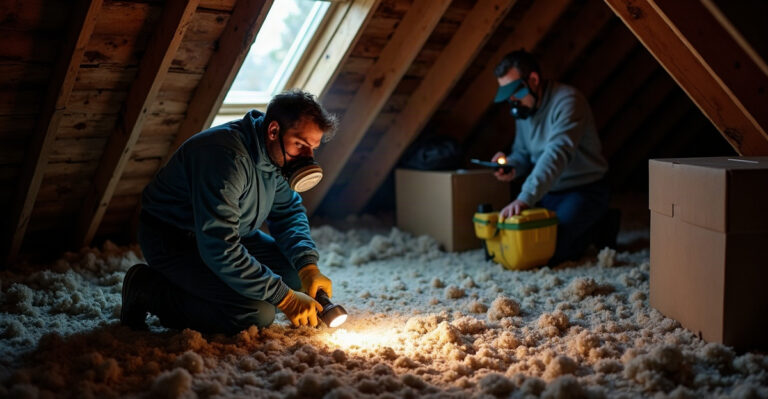
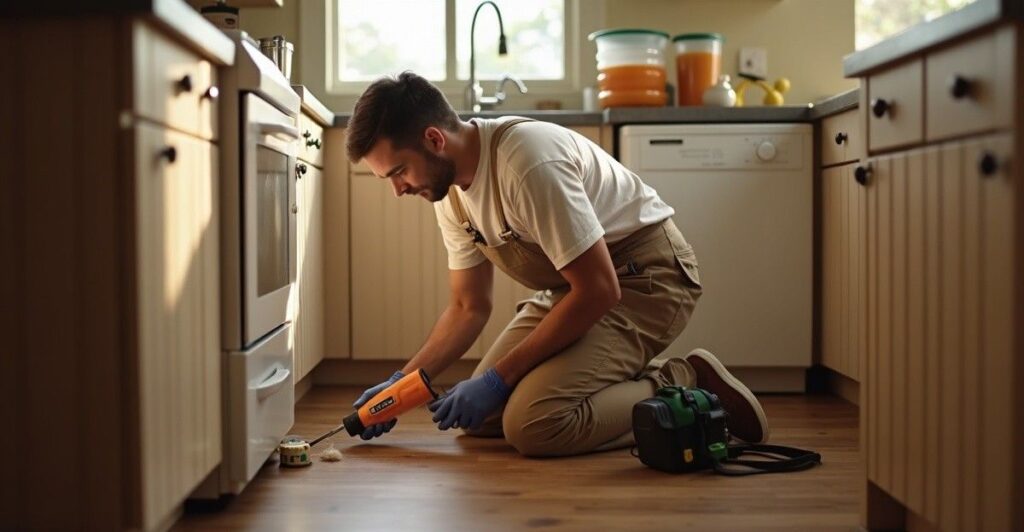
A thorough inspection forms the foundation of effective prevention. We look for entry points, nesting areas, moisture issues, and signs of contamination. From there, we apply targeted treatments in active zones rather than relying on broad, unnecessary applications.
Safe pest control for pets and children remains a top priority. Modern products are selected carefully and applied in measured amounts. Our service professionals follow label guidelines closely and use placement techniques that minimize exposure. Education is part of every visit so families understand what was done and why.
EPA guidance on Integrated Pest Management (IPM) explains how sanitation improvements, sealing gaps, habitat reduction, and measured treatment work together to control pests effectively. This balanced approach delivers consistent professional pest control benefits without creating unnecessary risk.
Working with an experienced Idaho pest control company also means we understand local conditions. We know how rodents in Idaho homes behave in winter and how mosquito pressure rises in summer. That insight allows us to anticipate issues before they escalate.
Homeowners can explore residential pest control options for year-round coverage. Businesses benefit from structured commercial pest control programs that support both health and regulatory standards. Over time, that’s how pest control protects your family and workplace.
Simple Prevention Steps You Can Take Today
Every property owner plays a role in pest prevention in Eastern Idaho communities rely on. Small changes often make a big difference.
Under this section are straightforward steps we recommend:
Everyday Prevention Checklist
Start with these basics:
- Seal cracks and gaps around doors, windows, vents, and foundations.
- Store dry goods and pet food in airtight containers.
- Clean spills quickly and keep trash in sealed bins.
- Reduce moisture in basements and crawl spaces with proper ventilation.
- Trim landscaping and keep mulch and debris away from foundations.
Those actions help reduce attraction and entry for rodents in Idaho homes and other common pests.
Watch for early warning signs that suggest professional attention is needed. Droppings, gnaw marks, and grease trails often signal rodent activity. Repeated daytime sightings may indicate a growing infestation. Nests in attics, garages, or wall voids should never be ignored. Unexplained odors can also point to hidden rodent issues.
Professional pest control benefits include early detection and consistent monitoring. If concerns arise, we encourage scheduling an inspection through our contact page for peace of mind. A clear plan, steady service, and honest communication go a long way in preventing pest-borne diseases in homes and businesses across Eastern Idaho.
Frequently Asked Questions
Pests and household diseases are connected because many pests carry bacteria, viruses, and parasites that can contaminate living spaces. Rodents, cockroaches, flies, mosquitoes, and ticks spread pathogens through droppings, urine, bites, or contact with food and surfaces. When infestations persist and sanitation is poor, the likelihood of illness increases. Managing pests and maintaining a clean environment significantly reduces the risk of disease transmission inside homes and businesses.
Common household pests can transmit a range of illnesses. Rodents may spread diseases through contaminated droppings and urine, while mosquitoes and ticks can transmit illnesses through bites. Cockroaches and flies often carry bacteria from waste to food preparation surfaces. The actual risk depends on infestation severity and sanitation conditions, but controlling pest activity helps limit exposure to these disease-causing pathogens.
Yes, pest control can reduce the risk of household illnesses by limiting pest populations and preventing contamination. Professional services typically include inspections, targeted treatments, and sealing entry points to stop pests from entering buildings. When combined with proper sanitation and property maintenance, pest control reduces the chances that rodents, insects, or other pests will spread bacteria or disease within a home or workplace.
Signs that pests may be increasing health risks include droppings, gnaw marks, grease trails, nesting materials, and repeated pest sightings during the day. Unusual odors or food contamination can also indicate hidden infestations. These warning signs suggest pests may be active in walls, attics, or storage areas. Early inspection and pest management help prevent contamination and reduce the possibility of pest-borne diseases spreading indoors.
The best way to prevent pests and household diseases is to combine sanitation, home maintenance, and professional monitoring. Sealing gaps around doors and foundations, storing food in airtight containers, and reducing moisture remove conditions pests rely on to survive. Regular inspections and targeted pest control treatments help catch infestations early, preventing rodents and insects from spreading bacteria or contaminating household spaces.