Are Bed Bugs Only Found in Beds?

Many believe bed bugs stay confined to mattresses. That’s a myth. They hide in far more places. These pests settle wherever there’s warmth, fabric, and little interference—from couch cushions to electrical outlets, even inside workplace furniture.
Key Takeaways
- Beds aren’t the only target. Bed bugs also hide in upholstered chairs, wall crevices, power outlets, and everyday items like bags or clothing.
- Inside homes, they spread to living rooms, laundry areas, pet beds, and wooden furniture, especially in quiet or less-frequented spaces.
- Offices, hotels, and waiting rooms are also vulnerable, thanks to regular traffic and soft surfaces like couches and lounge chairs.
- Early signs include dark spots, fabric stains, shed skins, and subtle odors—sometimes in places you’d never expect.
- Frequent checks and quick action from professionals help stop small problems from growing into major infestations.

Where Else Do Bed Bugs Hide? Not Just Beds!
Bed bugs are expert hiders. While many folks think they’re only curled up in mattresses and box springs, these pests find homes in far more surprising places. Whether it’s a quiet farmhouse or a bustling hotel lobby, bed bugs follow the warmth of people and the softness of materials.
Common Bed Bug Hiding Places at Home
In homes across Eastern Idaho, especially in older houses or cabins with wood paneling or older furnishings, bed bugs can spread far beyond the bedroom. They prefer tight, dark spots near people, especially where we rest for long periods. Over time, we’ve found them in a wide variety of places.
If you’re checking for signs, make sure to include these common hiding spots:
- Under couch cushions and along seams of upholstered furniture
- Behind headboards, picture frames, and wall hangings
- In cracks in wooden furniture or loose baseboards
- Around window and door frames
- Beneath area rugs and around carpet edges
- Inside dresser drawers, especially the corners
- In piles of clothing on the floor or in hampers
- Nestled in pet beds or toys
Their flat shape lets them squeeze into spaces no thicker than a credit card, according to university extension entomology guidance. We’ve even discovered them tucked inside electrical outlets and behind wall plates. Tracing their movements room by room takes patience, but it’s essential. These are the types of places we thoroughly inspect during any residential pest control service.
Unseen Risks in Commercial Buildings
In commercial buildings, soft seating and foot traffic bring added risk. Bed bugs don’t just hitchhike on suitcases—they move on clothing, backpacks, and deliveries. Hotels, offices, and retail stores often create ideal environments for spread if early signs are missed.
We often find bed bugs in:
- Breakroom chairs or padded benches in waiting rooms
- Theater seats and auditorium cushions
- Storage closets with fabric materials or uniforms
- Furniture in dorms, hostels, and assisted living centers
- Call centers with cloth-covered desk chairs
- Hotel lobbies or seams of room curtains
Even clean and well-run businesses aren’t immune. These pests don’t care how tidy a space is—they care about access to people, a point emphasized by public health agencies. That’s why we recommend regular inspection through our commercial pest control services, especially for locations with overnight guests or high visitor turnover.
In rural spots around Eastern Idaho, bed bugs sometimes take up residence in cabins or unused outbuildings. Wooden walls, older window frames, and worn floorboards offer the perfect shelter. These structures may seem unlikely targets, but we often get calls from families who discover an infestation after reopening a vacation space.
We’ve also helped manage cases in shared laundry areas, retirement homes, and childcare spaces. No one wants to think about bugs in those environments, but that’s why knowing where bed bugs hide is so critical.
If you’re spotting tiny rust-colored stains on furniture or waking up with small bites, it’s a good idea to bring in expertise before the problem spreads. Our team handles thorough inspections and safe treatment strategies—learn more from our bed bug control experts here.
No matter the setting—home, office, or rural lodge—bed bugs adapt fast and settle in quietly. Knowing where they might be hiding is step one. Acting early is the key to stopping them.

Visual Signs You Might Have Bed Bugs
Bed bugs don’t just stick to mattresses—so the warning signs might show up in places we don’t expect. Since they hide during the day and feed at night, we often need to rely on subtle evidence before spotting live bugs themselves.
Common Clues That Indicate a Bed Bug Issue
Knowing what to look for helps us act fast. These markers are some of the first signs of bed bugs in the home:
- Reddish-brown or rusty spots on sheets, pillowcases, or upholstery. These come from crushed bugs or small blood stains left after feeding.
- Tiny black dots, about the size of a pinhead, often found in clusters. These are bed bug droppings.
- Pale yellow skins—shed after molting as the bugs grow through their life stages.
- A faint, musty odor. It’s not overwhelming, but it can give away a more serious infestation.
- Itchy, red bites, especially in a line or cluster, often appear on arms, legs, or exposed skin. These bites are typically the first alert for many families who don’t spot bugs right away.
Where to Look for Live Bed Bugs
Since they avoid light, bed bugs often stay tucked away in tight spaces. We’ve found that they prefer materials close to where people rest or sleep, but they’re known to branch out if left unchecked.
Here are the most common spots we check in homes and businesses:
- Mattress seams, especially along the piping and near the headboard
- Box springs and bed frames
- In and under couch cushions, especially around seams
- Between joints in wooden furniture like nightstands, chairs, or dressers
- Behind wall hangings or baseboards
- Inside electrical outlets or behind switch plates
In homes where folks host guests or travel often, bed bugs can hitch a ride and take hold quickly. We always recommend inspecting luggage after trips and checking guest rooms from time to time, especially if unexplained bites start to show up.
If you’ve seen any of these warning signs or just want peace of mind, our team is ready to help. We offer thorough inspections and safe, effective solutions for getting rid of bed bugs before they spread.
Knowing how to tell if you have bed bugs can make all the difference. Don’t wait until the signs are obvious. If something doesn’t feel right, let’s take a closer look together. Visit our page on residential pest control to learn more about how we protect local families.

Why Early Detection Matters in Idaho Homes and Businesses
Catching bed bugs early can make all the difference. In homes and workspaces across Idaho, what starts as a few stubborn pests in a corner can quickly grow into a widespread issue. One pregnant female can produce over 500 bed bugs during her lifetime, based on documented bed bug reproductive lifecycle data. That’s how fast a quiet nuisance can spark a stressful situation—especially if left unchecked.
Many folks assume these pests stay tucked away in beds, but bed bugs are skilled at hiding. In Eastern Idaho, rural properties often have areas that don’t see daily use—guest bedrooms, old grain storage sheds, or cluttered outbuildings. These less-frequented spaces give bed bugs the low-traffic, quiet conditions they love. And once they’re comfortable, they can move into adjoining rooms or hitch a ride into new buildings.
Risks of Delay for Homes and Businesses
Waiting too long to get help can turn a fixable issue into a full-blown problem. Here’s why early detection is essential:
- Prevents widespread infestation: A small group of bed bugs can move quickly. They crawl between walls and along baseboards, spreading from room to room—and even neighbor to neighbor in apartment buildings or townhomes.
- Protects your peace of mind: Knowing your home or business is bug-free lets all of us rest easier. A professional bed bug inspection catches signs we might not notice ourselves.
- Avoids reputation damage: For Idaho businesses—especially those that rely on customer trust like hotels, offices, or diners—a visible bed bug problem can hurt more than just the bottom line. Even a single online review mentioning bugs can drive customers away.
- Reduces treatment time and cost: Identifying an issue early means quicker, often less-invasive treatment. That saves time, money, and stress down the road.
We’ve seen how quickly bed bugs can go from unnoticed to unbearable. That’s why professional inspections for local homes matter so much—especially in places with storage areas, basements, or unused guest spaces. These quiet spots become ideal for bugs to settle undisturbed.
It’s the same story for local businesses. Bed bugs don’t care if it’s a waiting room, a coat closet, or a breakroom sofa. If they find consistent warmth and a hiding spot, they’ll stick around. That’s why steady workplace pest control isn’t just about product—it’s about protecting staff and customers from the start. If you’re unsure what to look for, our team offers expert recommendations on how to tell if you have bed bugs before they spread.
Whether you’re maintaining a family home, overseeing rental properties, or running a storefront, acting early saves a lot down the line. A regular bed bug inspection offers peace of mind and keeps spaces safe and welcoming for everyone who comes through the door.
DIY Checks You Can Do Before Calling a Pro
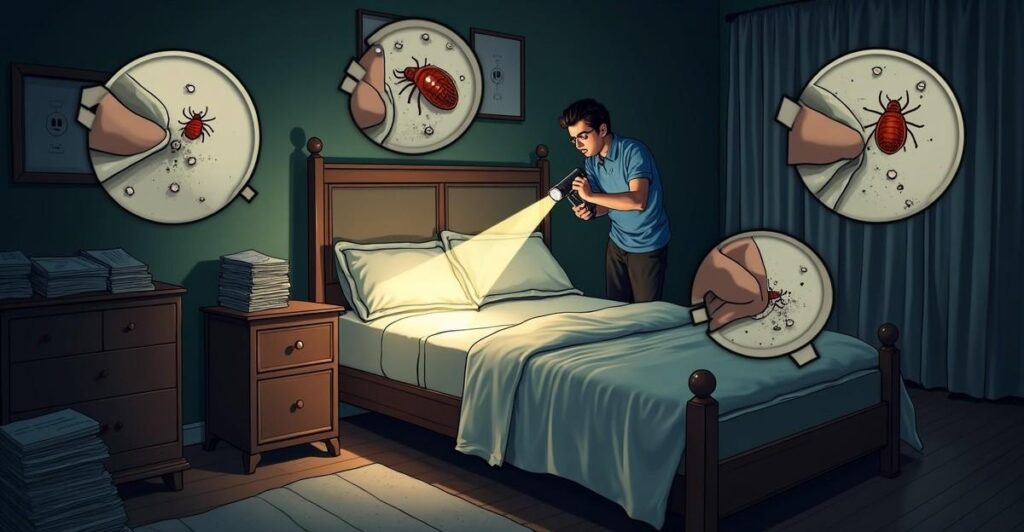
Spotting a bed bug problem early can go a long way toward keeping it from spreading. We recommend starting with a careful inspection using some simple tools and a little patience. Here’s how to find bed bugs in the most common—and surprisingly hidden—places they tend to crawl into.
Inspect Key Spots Around the Room
Grab a flashlight and look closely at areas where bed bugs are known to settle. They can squeeze into a space no thicker than a credit card, so they’re often hiding right under our noses. Focus your inspection on these areas:
- Seams and undersides of upholstered furniture, especially around stitching and cushion zippers
- Mattress edges, around labels, and in any folds or creases
- Cracks in wooden headboards, bed frames, or nightstands
- Behind loose wallpaper or peeling paint
- Inside or around electrical outlets and behind wall-hung picture frames
Look for reddish-brown bugs the size of an apple seed, small white eggs, or tiny dark droppings that resemble ground pepper. Even shed skins can indicate activity. Finding live bugs or blood spots on sheets or pillowcases is a sign that the issue may already be underway.
Reduce Clutter and Treat What You Can
Clearing up clutter gives bed bugs fewer places to hide and helps make your inspections more effective. Old magazines, piles of laundry, or out-of-place storage boxes can make even a light issue hard to assess.
If clothing or bedding might’ve been exposed, we recommend putting it straight into the dryer on the highest heat setting for at least 30 minutes. That’s usually enough to eliminate any hidden bugs or eggs.
While these steps help narrow down the location and severity, DIY checks have limits. Bed bugs can spread into wall cavities, deep under carpets, or across unit walls in apartments. Catching a few doesn’t guarantee that’s all there are.
When in doubt, especially after a hotel stay, travel, or sudden unexplained bites, we suggest speaking with a professional. An early and accurate inspection can prevent a small issue from turning into a widespread one. Our team offers detailed inspections and treatment for common bed bug hiding places—including areas most folks never think to check. Let us help you stay ahead of the problem before it grows harder to control.

Safe & Local Help: How Falls Pest Services Tackles the Issue
We handle bed bugs with a calm, effective approach that puts safety and comfort first. At Falls Pest Services, we offer discreet, non-toxic treatment plans rooted in care for local families and homes. Our goal isn’t just removal—it’s doing the job with as little disruption as possible. We avoid harsh chemicals when safer options will do, and we develop each plan based on the real conditions in your space.
We know Idaho homes, from cabins with antique wood frames to newer structures with tucked-away guest rooms or seasonal sheds. Bed bugs don’t always stick to bedrooms—furniture, wall trim, and even outlets can hide them. That’s why our service professionals are trained to spot signs that might be easy to miss, especially in yesterday’s corners or lesser-used spaces.
Inspections are easy to schedule and carried out with respect for your privacy and property. Whether you’ve found a few suspicious bites or something’s just not feeling right in the guest room, we act quickly. Our bed bug inspection service involves a careful check without turning your home upside down. Quiet, respectful, steady—that’s how we work.
Each case gets a personalized plan, but we’re always honest about expectations. Some infestations take more than one visit. Others clear up quickly. We don’t make promises we can’t keep—but we do promise thorough support and a clear path forward.
Key Steps in Our Bed Bug Response
Expect these calm, professional steps from our team when dealing with bed bugs in furniture and beyond:
- Discreet arrival: Our vehicles and uniforms don’t advertise pest control loudly.
- Thorough inspection: We check beds, couches, chairs, baseboards, and electrical outlets.
- Safe treatment plans: We use non-toxic methods when possible and always consider pets and kids.
- Helpful follow-up: If another visit’s needed, we’ll explain why and work around your schedule.
- Local knowledge: Winterized trailers, basements, outbuildings—we know where to look.
Our treatments blend expertise with hometown care. We’ve helped folks just down the street get back to sleeping easy again—and we’re ready to help you, too. Whether it’s one bedroom or a whole family cabin, you can count on us.
If something feels off in your home or furniture, it’s smart to consider a quick bed bug inspection. Even if the signs are subtle, catching a problem early saves time and stress.
We’re here to help you restore peace of mind calmly and quickly. Learn more about our pest control Idaho Falls services and what to expect when we visit.

What You Can Expect From a Professional Inspection
A proper bed bug inspection looks far beyond the mattress. Bed bugs are small and sneaky, often slipping into baseboards, outlet covers, upholstered furniture, and even picture frames. That’s why a trained service professional doesn’t just walk through the bedroom—they focus on all the places these pests might hide. Our inspections are based on how homes or businesses in Idaho really function. Every space is different, and we treat each one with the care it deserves.
We don’t rely on guesswork. During a bed bug inspection, we:
- Carefully examine sleeping areas, furniture, baseboards, and common gathering spots.
- Use specialized tools when needed—such as detection devices or flashlights—to confirm subtle signs of activity.
- Consider daily activities, cleaning routines, and furniture layout to determine how bugs may have spread.
We’re not in a rush. Our goal is to understand how the infestation started and where it might be headed, all while keeping your daily life in mind. In commercial settings, that includes monitoring high-traffic zones like waiting rooms, staff lounges, and break areas. At home, we pay extra attention to areas near where people rest or store personal items.
How We Minimize Disruption While Getting Results
Treating bed bugs takes focus, but that doesn’t mean your space needs to be turned upside down. We aim for safe, reliable solutions without unnecessary disruption. Here’s what that looks like in practice:
- We explain what we find, using clear language—not alarm bells.
- If treatment is needed, we walk you through the process, timing, and preparation.
- We consider factors like pets, kids, or sensitive equipment before moving forward.
Although bed bugs earned their name from where they often first show up, they can settle into far more places than just beds. To help clarify that, we offer a free downloadable “Bed Bug Hiding Spot Checklist.” This simple guide shows the most common—and surprising—places these pests can be found.
We also recommend reading our related article on what to expect from bed bug treatment in Eastern Idaho, especially if you’re dealing with a larger or recurring issue.
Falls Pest Services is locally owned and proud to serve Idaho Falls, Pocatello, Twin Falls, and the surrounding areas. We’re your neighbors, and we treat every property with the same care we would for our own. You can count on us for honest answers, practical recommendations, and a thorough inspection process to keep your home, apartment, or business protected.
If you’re unsure how to tell if you have bed bugs, or want to schedule a full inspection, we’re here to help. An early, professional evaluation makes a big difference—especially before bugs multiply or spread to new locations.
For proven pest control in Idaho Falls and communities nearby, we’re just a call or click away. Let’s get your space back to normal.
Frequently Asked Questions
Bed bugs commonly hide in places close to where people rest, not just beds. They are often found in couch seams, upholstered chairs, headboards, baseboards, dresser joints, and behind picture frames. Their flat bodies allow them to squeeze into cracks as thin as a credit card, making furniture and wall gaps ideal hiding spots.
Yes, bed bugs can hide inside walls and electrical outlets. They often crawl behind switch plates, outlet covers, and wall crevices to stay protected during the day. These hidden locations allow them to spread between rooms, especially in apartments or older buildings with small structural gaps.
Bed bugs can hide in clothing, bags, and personal belongings, especially items left near sleeping areas. Backpacks, purses, laundry hampers, and folded clothes provide fabric folds and darkness they prefer. This is one of the main ways bed bugs spread between homes, hotels, and workplaces.
In living rooms, bed bugs usually hide in sofas, recliners, and upholstered furniture. They prefer seams, cushion zippers, and areas underneath furniture. They can also hide behind baseboards, under rugs, and inside wooden furniture joints, especially in rooms where people sit or nap regularly.
You can often locate bed bug hiding spots by looking for physical signs. These include small black droppings, rust-colored stains, shed skins, and clusters of bites. Checking seams, cracks, and dark, undisturbed areas near where people rest helps identify where bed bugs are most likely hiding.