What Causes a Cockroach Infestation?
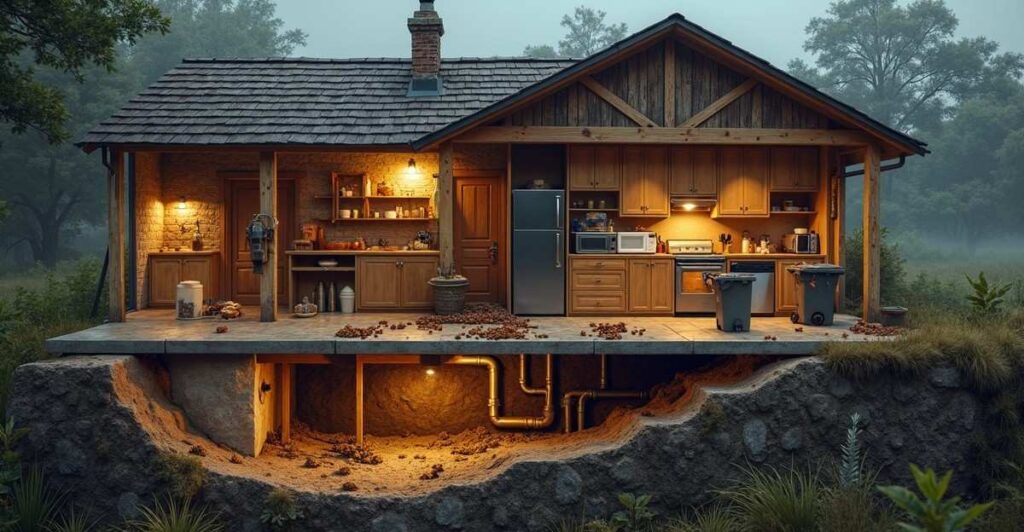
Cockroaches don’t appear by accident. They invade homes and businesses because certain conditions invite them in. The most frequent culprits are food leftovers, excess moisture, and unnoticed entryways. In Eastern Idaho, we often find infestations starting in damp, cluttered spots like basements, kitchens, or garages. These areas become especially attractive during seasonal changes when roaches search for warmth and water indoors.
Key Takeaways
- Food crumbs, grease buildup, and pet food left out overnight quickly draw roaches, according to guidance from the Centers for Disease Control and Prevention on cockroach infestations.
- Extra moisture from leaky pipes, melting snow, or poor drainage creates the perfect setting for cockroach activity.
- Cluttered areas filled with cardboard or paper give roaches places to hide and breed.
- These pests slip in through tiny gaps such as wall cracks, vents, floor drains, and utility openings.
- To keep roaches out, seal up entry points, cut down on indoor humidity, and keep areas clean and organized.
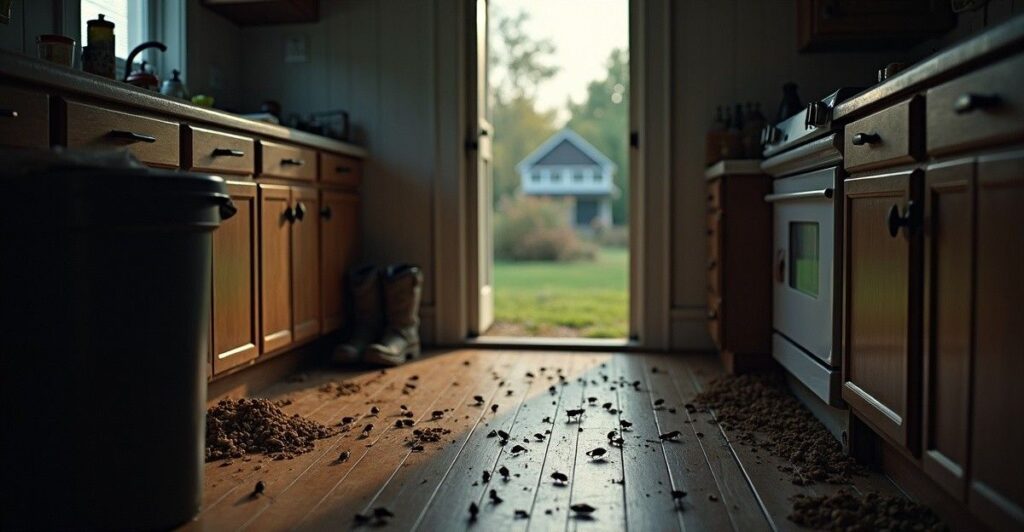
What Cockroaches Are Looking For (And Why They’re Showing Up on Your Property)
Cockroaches don’t randomly appear—they follow their instincts right to wherever they can find what they need: food, water, and shelter. These essentials are often more available than we’d like to admit. From cozy kitchens to barns and storage areas, they’ll take advantage of anything that makes life easier for them. Understanding what attracts cockroaches helps us take simple steps to keep them out.
Common Conditions That Draw Cockroaches In
We often find that the same household habits and maintenance gaps invite cockroaches inside. Roaches might be small, but they have an impressive ability to sniff out what they need. Here are a few of the most frequent cockroach infestation causes:
- Food crumbs and leftovers: Even small bits spilled under the stove or in pantry corners can feed a roach colony.
- Grease and organic buildup: Kitchens in both homes and restaurants can accumulate residue that roaches feed on.
- Open trash bins: Whether inside or outside, uncovered garbage offers both food and moisture.
- Pet food left out overnight: Roaches don’t mind sharing a late-night snack if kibble is easily available.
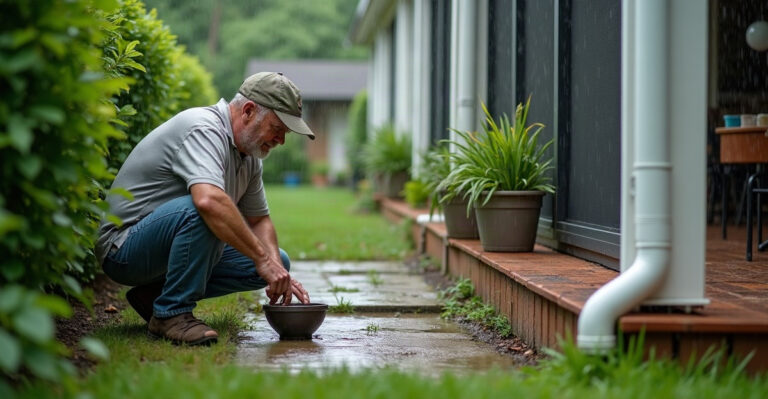
- Moisture from leaks or snowmelt: A dripping pipe or wet basement is enough to attract them, especially during Eastern Idaho’s seasonal transitions.
In areas around Eastern Idaho, we see increases in roach movement during and after snowmelt. That extra moisture in garages, basements, and crawlspaces gives them the hydration they need to thrive indoors, as explained by university extension research on moisture-related pest activity. Seasonal moisture is a top reason for a spike in cockroach infestation in homes.
Beyond homes, cockroach infestation in restaurants is especially common when kitchens are busy and cleanup routines get rushed. Greasy surfaces, floor drains, and food bins create ideal feeding spots if not cleaned regularly.
Rural properties present their own draw for cockroaches. Outbuildings like sheds, barns, and grain facilities offer shelter from temperature swings. These areas can also house spilled grain, livestock feed, or moisture—all of which appeal to a roach’s survival instincts.
We always recommend sealing entry points around doors, pipes, and foundation gaps to cut off access. For homes that may already be seeing the warning signs, our cockroach control services provide a steady and safe solution to remove existing pests and help prevent future infestations.
Keeping food sealed, cleaning up spills quickly, and fixing leaks goes a long way. But if cockroaches are coming back despite those efforts, they may already be well-established nearby. In those cases, we’re here to help with dependable, local support that’s focused on long-term prevention and peace of mind.
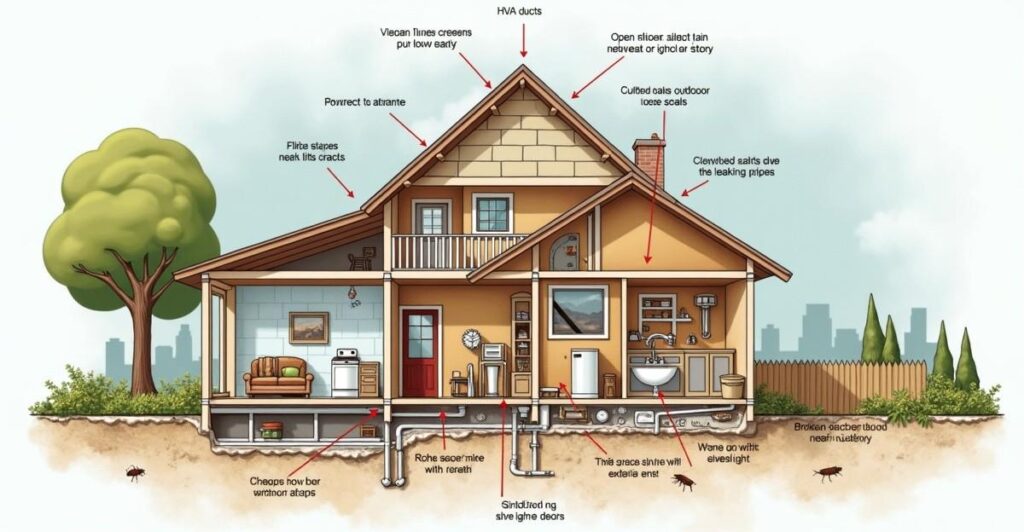
Hidden Entryways: How Cockroaches Sneak Inside
Cockroaches don’t need much to find their way indoors. Even the cleanest homes or businesses can offer just enough space for them to slip through. Their flat bodies and quick movement make it easy to squeeze into tight areas unnoticed.
They often come in through:
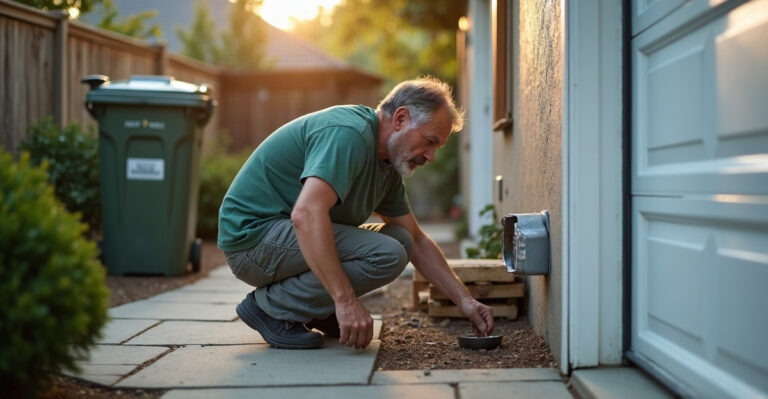
- Cracks and gaps around doors and windows
- Missing or damaged weatherstripping
- Vents and utility pipe entries
- Openings in foundations or walls
- Drains, especially in kitchens or basements
- Cardboard delivery boxes or grocery bags
We see a lot of trouble start with overlooked entry points like worn window screens or gaps under exterior doors. These may not seem like much, but to a cockroach, they’re a freeway into your space. Older homes and rural properties can be hit especially hard thanks to aging materials and wide access to outdoor food or trash sources.
Top Cockroach Entry Points in a House
A few common spots tend to invite roaches indoors, especially if there’s food, moisture, or clutter nearby. We suggest checking these first:
- Pipe openings under sinks and behind toilets
- Floor drains in laundry rooms, basements, and kitchens
- HVAC ducts that aren’t properly sealed
- Gaps around outdoor trash bins or compost piles
- Openings in attic vents or crawl spaces
- Loose outlets or cracks in cabinetry
Don’t forget the packages. Cardboard shipping boxes or grocery bags can bring roaches straight from the store to your pantry. It helps to unpack items over easy-to-clean surfaces and inspect packaging if you’re unsure.
“Seal up gaps and check under sinks regularly—slow leaks and even crumbs in hidden corners are like an open invitation.”
If you’ve ever wondered, “Why are cockroaches in my house?”—it’s often about access, not cleanliness. Even small plumbing leaks or missed spills can attract them. Once inside, roaches head straight for dark, humid areas where it’s warm and quiet.
Preventing a serious infestation starts with cutting off easy access. Taking proactive steps like sealing cracks, managing clutter, and keeping moisture under control makes a big difference. To keep ongoing issues in check, take a look at our
Idaho Falls cockroach control services designed for both homes and businesses.
For regular protection and peace of mind, our
residential pest control plans include thorough inspections of these common entry points. We’re here to help you block them before the bugs move in.
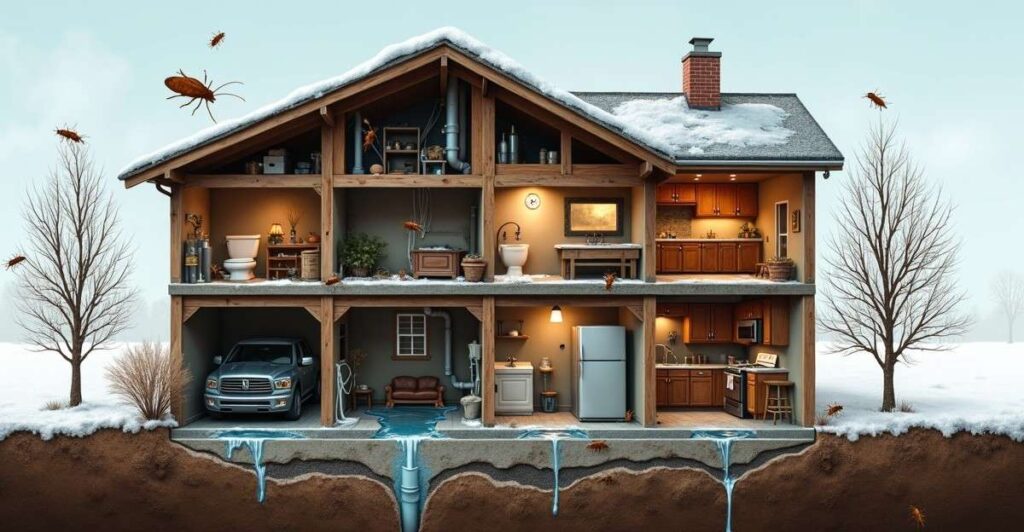
Moisture Matters: Why Damp Areas Draw Roaches
Roaches don’t just show up out of nowhere. They’re driven by survival needs—and moisture is high on that list. Damp areas give cockroaches the water they need to thrive and hide. That’s why one of the most common cockroach infestation causes is excess moisture in and around the home.
In homes across Eastern Idaho, dampness tends to be more than just a seasonal concern. We’ve seen firsthand how melting snow and spring runoff create persistent wet spots in garages, basements, and crawlspaces—especially in older or more rural properties. These moist environments offer exactly what roaches look for: darkness, warmth, and a steady water source.
Take a look behind your refrigerator or under your kitchen sink. Areas like these can stay damp from condensation or slow-dripping pipes, even if they seem dry at a glance. Bathrooms, laundry rooms, and utility areas are also prime targets for roaches. Once they find a damp spot, they’re likely to stay and multiply.
Why Moisture Is a Magnet for Cockroaches
Let’s break down which areas roaches are most likely to invade and why they’re drawn there:
- Basements and crawlspaces: Lower levels tend to hold moisture in the air and on surfaces. If there’s poor drainage or leftover dampness from spring melt, roaches will take full advantage.
- Bathrooms: Constant water use, leaky fixtures, and limited airflow make this a common zone for infestation. A damp bathmat or leaking toilet base is all they need.
- Kitchens: The space behind or under ovens, fridges, and dishwashers can stay slightly damp from spills or steam. A leaky garbage disposal or water line behind the fridge can invite infestations fast.
- Garages: In places with snowmelt or poor grading, garages often collect standing water. Boxes and clutter give roaches cover nearby their moisture supply.
- Under sinks: A slow leak under a bathroom or kitchen sink might not be obvious, but it can supply enough moisture to support a colony for months.
- Poor outdoor drainage: Water pooling near the foundation can leak into wall voids or slabs, keeping things damp long after a rain or thaw. This creates long-term trouble, especially if there are cracks or entry points roaches can squeeze through.
On rural properties, ventilation challenges and older plumbing systems often make moisture more difficult to control. With fewer vents and more exposure to outdoor elements, crawlspaces and well houses can become havens for cockroaches—especially during the warmer months when evaporation doesn’t keep up.
If you’re constantly swatting at bugs near floor drains, noticing musty smells, or spotting cockroach droppings near baseboards, you might be dealing with more than just bad luck. It’s often a sign that moisture levels in the home are too high. In cases where water and shelter are both plentiful, cockroaches can establish themselves rapidly.
Fixing leaks, improving airflow, and sealing up moisture-prone areas go a long way in defending against common cockroach infestation causes. And when that’s not enough, we step in with practical solutions that target both the pests and the conditions attracting them. When moisture has already brought roaches into your home, we’re ready to help with effective and discreet cockroach control services that restore peace of mind quickly.
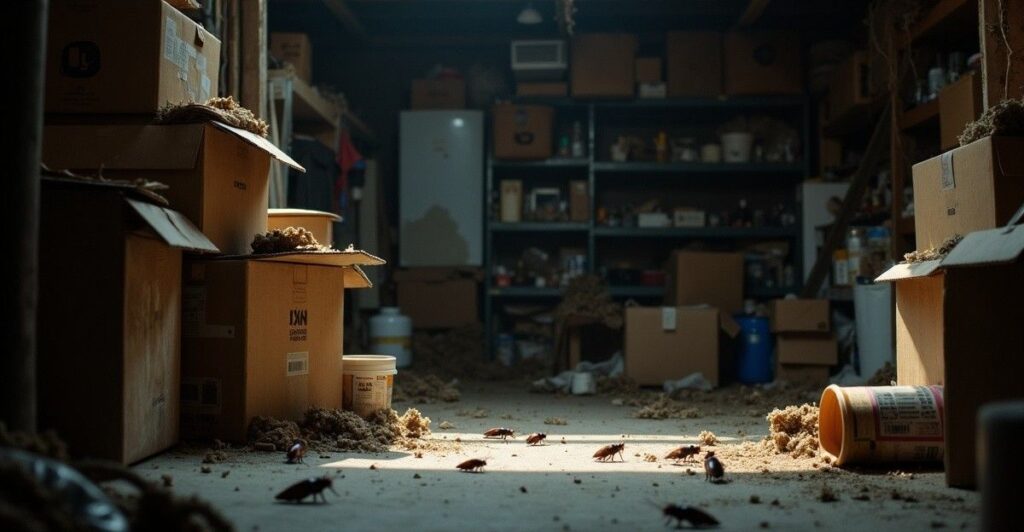
Clutter and Nesting Havens: Inviting Hiding Spots
Roaches don’t need much to settle in—just a bit of darkness, warmth, and a place where no one bothers them. Cluttered and overlooked spaces provide exactly that. Whether we’re tackling a cockroach infestation in homes or spotting early signs of cockroach activity in commercial spaces, clutter is often the root cause.
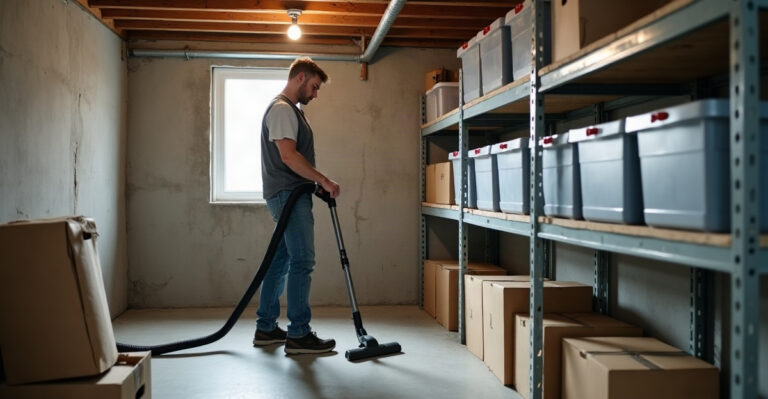
These pests thrive in places we rarely check. Cardboard boxes, paper stacks, overflowing cabinets, and even partially open food containers offer shelter and sometimes a snack. In storage areas where items pile up without regular movement, roaches can build long-term nests, especially if food or moisture is nearby.
Our garages, basements, sheds, and rural outbuildings are ideal environments if left unchecked. They’re dark, often humid, and sometimes filled with old supplies and insulation—perfect nesting locations that let roaches reproduce without disturbance. Cockroaches aren’t just lurking; they multiply quickly. That’s why it’s important to know that just one egg case can carry up to 50 baby roaches, as documented by university entomology research on cockroach reproduction.
Commercial spaces are just as vulnerable. We often find cockroach infestations in restaurants, retail storerooms, and supply closets. If these areas don’t get annual cleanouts or routine pest checks, roaches can settle in behind shelving, under appliances, or inside packaging. Every corner that doesn’t see regular activity becomes a hiding spot.
How to Reduce Roach Hiding Places
Simple changes around the home or workplace can make a big difference. Here’s where to focus:
- Discard unused cardboard boxes. Roaches are drawn to the glue and like to hide between flaps.
- Keep food in sealed containers. Unsealed snack bins, rice bags, or pet food dishes are easy targets.
- Clean out storage spaces quarterly. Rearranging items once every few months helps expose potential nests.
- Fix leaks and moisture sources. Roaches will stay close to water lines, pipes, or humid corners.
- Declutter garages and sheds with labeled plastic bins. They’re less appealing than stacked paper bags or open bins.
- Use minimal shelving gaps. Tight-filled, organized shelves offer fewer hiding spots compared to open, chaotic ones.
- Schedule professional inspections during seasonal shifts. Roaches often relocate indoors as temperatures drop.
Most importantly, trust your instincts. If you smell a musty odor, see droppings, or notice shedded skins or smear marks, it may be time to investigate deeper.
“Tidy storage areas and toss unused cardboard—roaches love to nest where no one’s looking.”
If you’re seeing signs pop up or want help preventing future issues, our team offers complete residential pest control solutions that focus on keeping living areas safe and roach-free. For businesses, especially food service and retail, consistent cleanliness and a partner who knows what to look for are key. Our commercial pest control services step in where most routine cleanings stop.
A cockroach infestation doesn’t start overnight, but ignoring clutter gives them a silent green light. Let’s stay ahead of it.
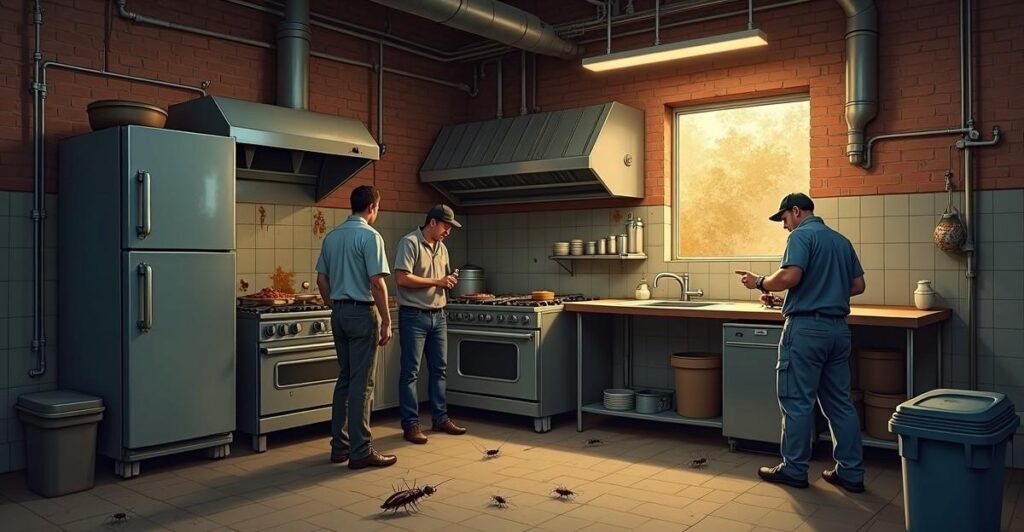
Why Small Businesses Are Especially at Risk
Small businesses—especially those in food service, hospitality, or shared spaces—face higher risks of cockroach infestations simply because they offer more of what roaches look for: steady warmth, hidden spots, moisture, and leftovers. Restaurants, hotels, office kitchens, and warehouses tend to see more foot traffic and generate more crumbs, spills, and clutter. All of these provide the perfect hiding and feeding spots for cockroaches to settle in.
Just one visible roach can spark concerns among customers and employees. In places like restaurants or hotels, this can quickly become a customer service crisis. Even worse, it can lead to health code violations or failed inspections under food safety standards outlined in the FDA Food Code. Word travels fast, especially in smaller communities. Reputations built over years can take a hit in days if pests are seen.
Environmental Factors in Eastern Idaho
In rural parts of Eastern Idaho, older buildings and shared infrastructure can make matters worse. Many small businesses operate in structures with outdated wiring, shared plumbing, or common waste areas—all ideal conditions for roaches to travel and multiply. Cracks in foundations, loose weather stripping, or worn-out seals can give them access. We’ve also seen issues in warehouse offices and staff break rooms, especially if they’re not cleaned regularly.
To reduce the chances of a cockroach infestation in restaurants or other commercial spaces, there are a few key spots we always recommend checking:
- Behind and beneath fridges, ovens, and other large appliances
- Inside wall cavities near stoves or water lines
- Under sinks and around drain connections
- Around stored dry goods and trash bins
- Around heat-generating equipment like dishwashers or freezers
Routine deep cleaning and sealing entry points can help. But once roaches are inside, they’re tough to remove without the right approach.
We treat each business with care and privacy—because protecting your brand and workspace matters. Our commercial pest control options include inspection, prevention, and safe treatments that won’t disrupt operations. They’re also family- and pet-friendly, making them a good fit for hospitality and dining-based businesses. If there’s a cockroach concern, we act fast and discreetly to make things right.
For businesses specifically needing help with cockroach control in Eastern Idaho, we’re ready to assess the problem and create a long-term solution. We treat clients like neighbors—because here, many of them are.

Simple Prevention Tips That Go a Long Way
Stopping a cockroach problem before it starts is easier than folks think. With a few basic habits and some attention to your living spaces, we can keep these pests from turning our homes or businesses into their next hangout. If we’re looking at how to prevent cockroach infestations, it often comes down to keeping things clean, dry, and sealed up right.
Here’s a quick checklist that can make a real difference:
Everyday Prevention Checklist
- Seal cracks, wall gaps, and utility pipe openings with strong, long-lasting caulking
- Clean up crumbs, spills, and trash each night — don’t forget uncovered pet food
- Repair leaking pipes or faucets and use fans in damp places like laundry areas or under sinks
- Cut down on clutter, especially cardboard, paper, and fabric piles where roaches thrive
- Check indoor and outdoor garbage bins regularly and keep lids tightly closed
We’ve seen time and again that even small steps like these can help avoid the stress and cost of an infestation. Roaches are drawn to food, warmth, and moisture — but they’ll move on fast if we make access difficult.
If signs of roaches—like droppings, shed skins, or a musty odor—are already popping up, the good news is these infestations are manageable with steady effort and proper support. Acting early keeps the issue small and saves time down the road.
For folks who’d rather not tackle this alone, we offer trusted, safe pest treatment for families and businesses across the region. If you’re in need of reliable cockroach control in Eastern Idaho, we’re just a call or click away.
We’re proud to be a part of the local community and focus on smart, people-first solutions. Whether you’re looking for full-service residential pest control or just want some advice on prevention, we’re here to help. Visit our Contact Us page any time to connect directly.
Roaches may be stubborn guests, but with a clear plan — and a neighborly hand when needed — we can keep our spaces clean, comfortable, and pest-free.
Frequently Asked Questions
The most common cockroach infestation causes are easy access to food, excess moisture, and hidden shelter. Crumbs, grease residue, uncovered trash, and pet food attract them quickly. Leaky pipes, damp basements, and poor ventilation provide water. Clutter like cardboard boxes or paper piles gives roaches safe nesting areas where they can hide and reproduce undisturbed.
Yes, a clean house can still have a cockroach infestation if moisture and entry points are present. Roaches can survive on very small food sources and are often drawn in by leaks, condensation, or humid areas. Cracks around doors, drains, vents, or plumbing allow them inside even when cleaning habits are good.
Moisture is critical because cockroaches need water to survive longer than food. Leaky pipes, damp crawlspaces, slow drains, and condensation behind appliances create ideal conditions. In homes with snowmelt or poor drainage, persistent dampness can support roach activity even when food sources are limited.
Cockroaches enter through very small openings, including wall cracks, gaps under doors, utility pipe holes, vents, and floor drains. They can also be carried in through cardboard boxes, grocery bags, or deliveries. Once inside, they move toward dark, warm, and humid areas where they can stay hidden.
Ignoring early signs, delaying repairs, and allowing clutter to build up often make infestations worse. Leaving pet food out overnight, skipping deep cleaning behind appliances, and not fixing small leaks gives roaches steady resources. Without reducing food, moisture, and hiding spots, cockroach populations can grow quickly and become harder to control.