Do You Need Pest Control for New Homes?
New homes might appear secure, but early construction often leaves behind small gaps and environmental shifts that attract pests. Soil disturbance and changing seasons—especially in places like Eastern Idaho—create the perfect conditions for ants, wasps, rodents, and spiders to move in fast. Pest control during the building phase targets these weak points before anything settles in.
Key Takeaways
- Pest issues often show up in new homes due to gaps left during early construction and freshly disrupted soil.
- Even top-tier builds can have access points around vents, siding, or utility lines that let pests in unnoticed.
- Treatments such as soil applications and barrier sprays can go in safely while the home’s still being built.
- Many owners spot pests within the first six months as the home adjusts and the surrounding area stabilizes.
- Preventive checks can reveal pest activity early—even when nothing’s moving yet.
Why Brand-New Homes Aren’t Automatically Pest-Free
It’s easy to assume that new homes are sealed tight and built to keep pests out. But pests in new homes are far more common than most folks expect. In fact, the early days after construction can be a high-risk period for pest activity.
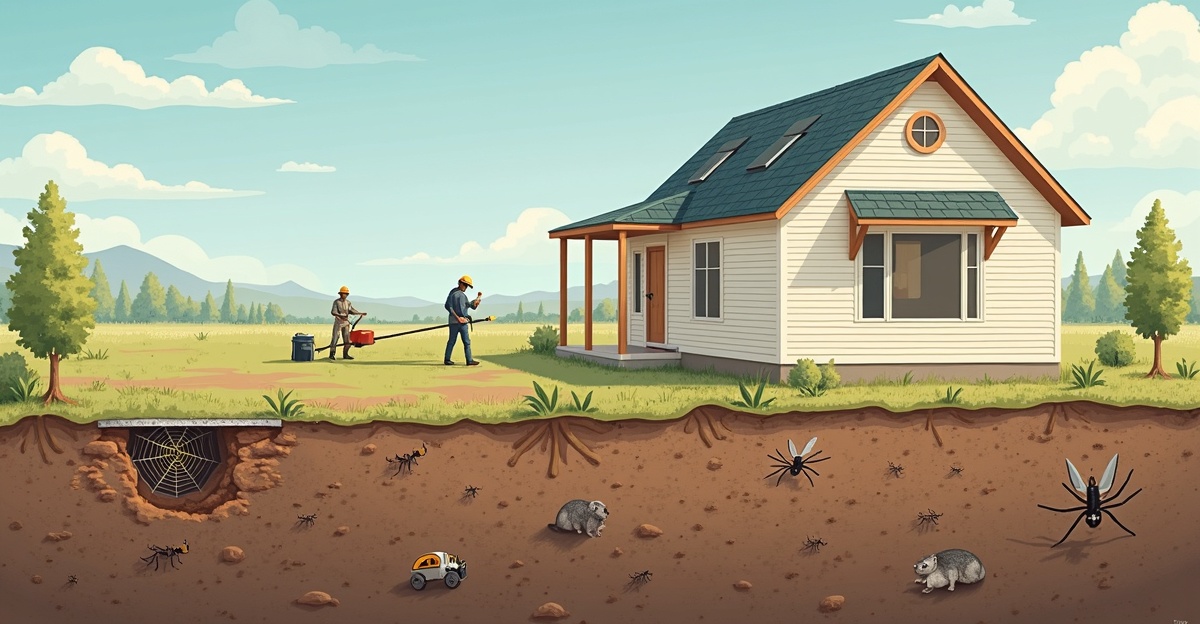
New homes often sit on ground that’s been recently disturbed. University extension research on soil disturbance and ant behavior explains how exposed soil around foundations can attract ants or voles looking for shelter. Construction debris and leftover wood can draw in insects like cockroaches or beetles. Even more, gaps around soffits, vents, windows, and utility hookups may not be closed up completely right away.
Construction itself can displace local wildlife. That includes a range of Idaho new home pests, such as:
- Ants finding their way into kitchens before owners fully settle in
- Voles burrowing in freshly laid sod or garden beds
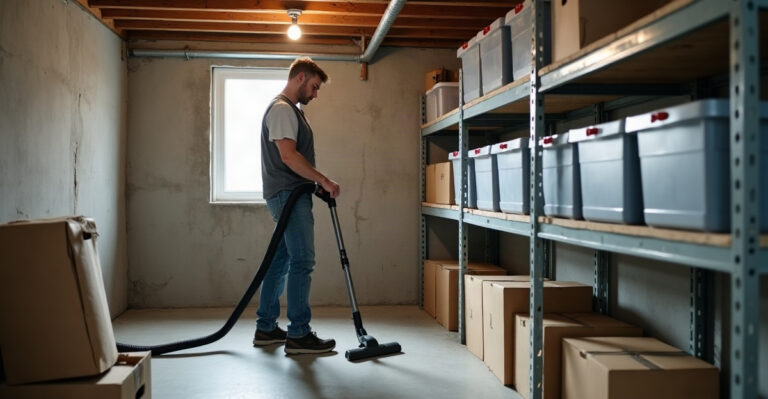
- Spiders webbing up in basements, window wells, or mechanical rooms
- Wasps beginning to build nests under eaves or porch ceilings
Even if the materials are all brand new, the environment around your home has been disturbed—and pests are quick to take notice.
The Hidden Entry Points That Invite Pests In
Modern homes use stronger materials and tighter seals than ever before. Still, even the best build can leave behind minor gaps, cracks, or open seams. The U.S. Department of Housing and Urban Development’s guidance on integrated pest management highlights sealing these openings as a key prevention strategy. Each one is an invitation for pests.
During construction, homes are exposed to outdoor conditions for weeks or even months. During that time, pests can sneak in unnoticed through unfinished siding, attic vents, or gaps under exterior doors. Think of these like the tiny space under a drafty window—it doesn’t take much for a spider or mouse to squeeze in.
Seasonal changes make Eastern Idaho homes especially tempting. As temperatures drop in fall or winter, spiders and rodents begin searching for warmth, a pattern commonly documented in university extension guidance on seasonal rodent behavior. Small issues like loose siding or exposed attic vents become favorite entry points.
To help catch potential problems before they start, homeowners can schedule a new home pest inspection or plan a post-construction pest prevention strategy that addresses these risk zones early.
When to Consider Pest Control During the Building Process
Pest control doesn’t need to wait until a home is fully built or occupied. There are smarter, earlier steps that can go hand-in-hand with construction itself.
Here are a few proactive options that work well during construction without slowing the process:
Construction Pest Control Pre-Treatment Options
These services can be added during different build phases:
- Soil treatments at the framing stage help prevent ants and other ground-level pests
- Perimeter barrier applications before final inspection stop crawling insects from moving in
- Follow-up inspections once utilities and landscaping are complete ensure no new access points have developed
All of these approaches are considered safe pest control for families when applied according to EPA residential pesticide safety guidelines. At Falls Pest Services, we use pet- and child-friendly products, so there’s no need to worry about safety indoors or outdoors.
For homes still under construction or nearing move-in, ask us about pest control for new construction to build in lasting protection right from the start.
What Local Homeowners Have Noticed After Moving In
Many folks don’t spot pests right away. But as the home settles—and the seasons change—activity can begin inside and out. This doesn’t mean something’s wrong. Most of the time, it’s just part of the settling process of a newly built home near recently disturbed soil or vegetation.
Typical homeowner complaints around Eastern Idaho include:
- Ants in kitchen corners or inside cabinetry in a new house
- Wasps beginning to build nests near rooflines or vents
- Spiders taking up residence in basements or mechanical closets
- Rodents sneaking in through gaps in garage doors or foundation blocks
If we’re hearing about pests in new homes, it’s usually within the first six months after move-in. Most of these issues tie back to surroundings, construction residue, or small access points that weren’t visible during the final walk-through.
For specific infestations like ant colonies or spider sightings, targeted services such as ant pest control or spider treatments may help reset the balance and give you long-lasting relief.
Is It Really Necessary If I Don’t See Any Pests?
It’s a fair question—and one we hear often: “If I’m not seeing bugs, do I still need pest control?”
The truth is, pests aren’t always visible. Similar to how we seal windows to keep out cold air before winter arrives, it makes sense to prevent pest activity before it starts.
Homeowners can benefit from a regular prevention plan, even without active signs of bugs or rodents. A professional inspection can evaluate:
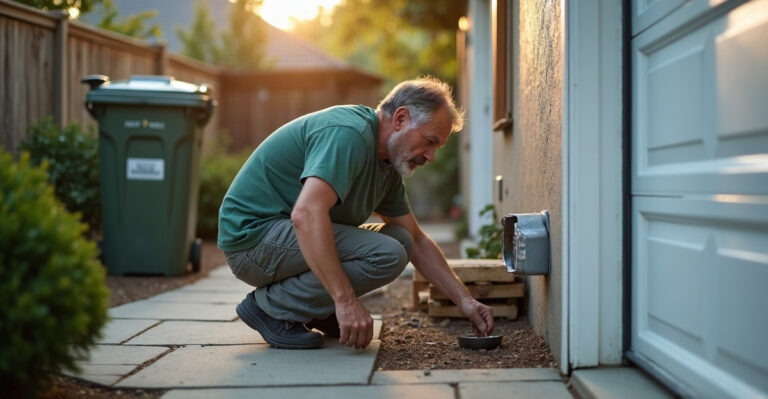
- Gaps around venting, electrical boxes, hose bibs, and crawlspace doors
- Local soil makeup and landscaping that might appeal to ants or voles
- Seasonal behaviors—especially in cooler months when bugs and rodents start heading indoors
We offer local property checks at no cost. These friendly visits are low-pressure ways to catch problems before they grow. And they give peace of mind to families who’d rather stay ahead of surprise infestations.
You can always schedule a winter pest control service or seasonal preventive check without making a long-term commitment.
Choosing a Local Partner You Can Trust
Finding the right pest control provider can feel like one more decision in the homeownership process—but it doesn’t have to be stressful. Especially for families with kids or pets, safety and simplicity matter.
Falls Pest Services is built around those values. We live and work in the same Idaho neighborhoods we serve—Idaho Falls, Rigby, Rexburg, and Pocatello—and we treat every property with the same care we’d give our own.
With calm, clear communication and trusted, pet-safe treatments, we handle pest concerns without overselling or overcomplicating. Whether the issue is early rodent prevention or bed bug inspections, our entire focus is long-term protection and comfort for your home.
If you’re looking for pest control Idaho Falls homeowners trust, we’re right here. Feel free to reach out today and ask questions, schedule a visit, or just find out what fits best for your new home.
Frequently Asked Questions
Yes, pest control is often recommended for new construction homes. Freshly disturbed soil, exposed framing, and unfinished seals can attract ants, spiders, rodents, and wasps. Even well-built homes may have small gaps around vents or utility lines. Preventive treatments help stop pests from settling in during the first critical months after construction is complete.
The best time for pest control in new construction is during the building process or just before move-in. Soil treatments and perimeter barriers can be applied while the structure is still accessible. Early treatments block pests before they establish nests, making prevention more effective and often reducing the need for heavier treatments later.
Newly built homes commonly attract ants, spiders, wasps, and rodents. Soil disruption draws ground-dwelling insects, while construction gaps allow easy access indoors. In regions with seasonal temperature shifts, rodents and spiders often move inside for warmth. These pests usually appear within the first six months as the home and landscape settle.
Yes, modern pest control for new construction uses products designed to be safe for families, pets, and builders when applied correctly. Treatments are typically placed in soil, wall voids, or exterior perimeters, limiting indoor exposure. Licensed professionals follow safety guidelines so prevention can begin without delaying construction or risking occupant health.
Waiting often allows pests to establish hidden nests before they are noticed. Many insects and rodents remain out of sight until populations grow. Preventive pest control focuses on sealing entry points and creating barriers early. This approach reduces future infestations, repair costs, and the need for more aggressive treatments after pests are already active.