How Seasonal Weather Changes Pest Activity?
Seasonal pest activity in Eastern Idaho follows clear weather patterns. Temperature swings, moisture levels, and food access drive changes in pest movement throughout the year. Rodents move inside for warmth in winter. Insects and wasps spread during spring runoff and summer heat. We pay close attention to these shifts so we can respond calmly and at the right time.
Key Takeaways
- Seasonal pest activity rises or shifts based on temperature, moisture, and access to food.
- Winter cold pushes rodents and overwintering pests indoors as they look for warmth and shelter.
- Spring runoff and rain often trigger spikes in ants and other moisture-related insects.
- Summer heat speeds up reproduction, which leads to peak activity for ants, wasps, flies, and spiders.
- Fall cooling drives pests to look for protected spaces, which makes early exclusion and prevention critical.
Seasonal Pest Activity in Eastern Idaho: What to Expect Throughout the Year
Seasonal pest activity refers to predictable changes in pest behavior based on weather patterns. In Eastern Idaho, those changes are easy to spot because our climate has clear extremes—long, cold winters, wet spring runoff, hot and dry summers, and cool fall transitions.
Weather and pests are closely connected. Most pest movement is driven by temperature, moisture, and food availability. As conditions shift, pests adapt. Some move indoors for warmth. Others expand during heat or moisture. This cycle repeats year after year.
Not every pest sighting means there’s an infestation. Many increases are temporary and tied directly to seasonal pest behavior. Knowing what to expect helps homeowners and small businesses across Idaho Falls, Twin Falls, Pocatello, Rexburg, Rigby, and nearby communities respond calmly and effectively.
When we understand seasonal pest activity in Eastern Idaho, we can better decide when to monitor and when to call for professional help.
Winter: Why Cold Weather Pushes Pests Indoors
Eastern Idaho winters are long and often freezing. Snow cover and sustained cold limit outdoor food and water sources. That shift drives winter pest behavior.
Rodents in Eastern Idaho become the top concern during this time. Mice and voles search for warmth, shelter, and accessible food. Spiders and some overwintering insects also settle into quiet indoor spaces.
Seasonal pest activity in winter often shows up as subtle warning signs:
- Scratching sounds in walls or attics
- Droppings in cabinets or storage areas
- Gnaw marks on wiring or boxes
- Webs forming in undisturbed corners
Simple prevention steps make a difference:
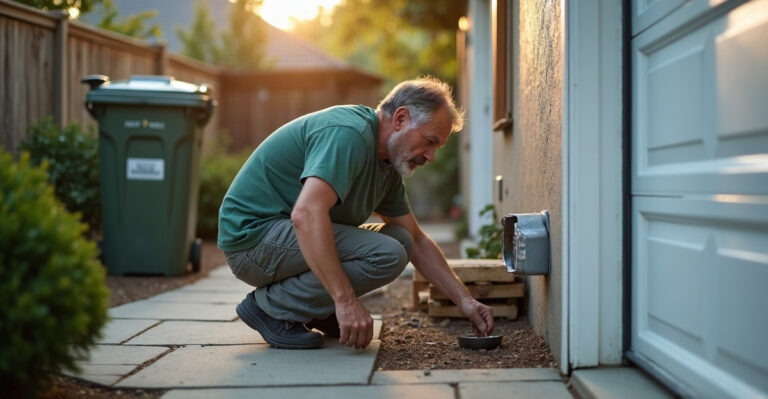
- Seal small exterior gaps around utility lines and foundations
- Store pantry goods in airtight containers
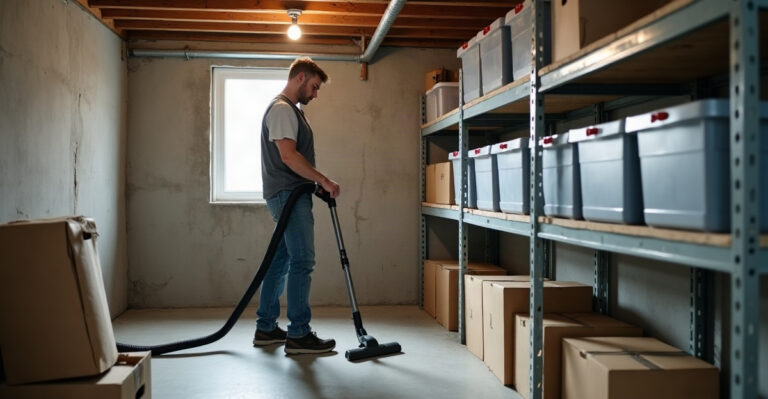
- Reduce clutter in basements and garages
- Keep door sweeps and weather stripping intact
Increased rodent movement during extreme cold is common seasonal pest behavior. For a closer look at cold-weather concerns, our guide on pest control in winter explains what to expect.
Repeated sightings, chewing on wires, or ongoing activity after sealing entry points signal it’s time for help. Our rodent control services are built around safe, practical solutions that fit local winter conditions.
Spring Moisture and Runoff: A Surge in Insects
Spring brings melting snow, runoff, rain, and damp soil. Moisture and pests often go hand in hand. When water levels rise, insect activity follows.
Spring seasonal pest activity commonly includes ants, moisture-related pests, cluster flies, and other emerging insects. Excess moisture supports breeding. Snowmelt can also disrupt overwintering sites, forcing pests to relocate.
Ant activity after rain is a frequent concern. We often see trails forming along foundations or inside kitchens shortly after storms. Sudden heavy rainfall may temporarily increase indoor sightings as insects search for drier ground. Our article on why bugs appear after rain explains this weather-driven pattern in more detail.
Early warning signs include:
- Ant trails along baseboards
- Insects collecting near windows
- Increased sightings within a day or two after rainfall
Prevention starts outside:
- Improve drainage around the foundation
- Keep gutters clear
- Limit standing water near structures
- Seal cracks along concrete and siding
Spring spikes in pest activity are often manageable with early attention. For seasonal preparation tips, our post on pest control in the spring outlines practical next steps. If ants persist, our ant control services address both visible trails and the colony behind them.
Summer Heat: Peak Season for Ants, Wasps, and Outdoor Pests
Hot, dry summers are typical across Eastern Idaho. Extended heat accelerates insect development and reproduction. As temperatures climb, summer seasonal pest behavior becomes more noticeable.
Ants remain active and expand their foraging areas. Wasps build and enlarge nests under eaves, decks, and sheds. Spiders thrive where insect activity increases. Flies gather near trash areas and commercial dumpsters, creating pressure for restaurants and hospitality businesses.
Wasp activity in hot weather raises safety concerns. Nests grow quickly during prolonged warm periods. Disturbing an active nest can lead to stings, so professional help is the safer choice. Our wasp and hornet control team handles nests with care and the right equipment.
Early indicators of summer pest activity include:
- Visible nests under rooflines
- Steady ant trails indoors
- Increased fly presence around garbage enclosures
Securing trash lids, trimming vegetation away from buildings, and keeping exterior spaces clean help reduce attraction. Seasonal pest activity typically peaks during extended hot stretches, making monitoring and timely service especially important.
Fall Transitions: Overwintering Pests Looking for Shelter
Cool nights and dropping temperatures signal another shift in seasonal pest behavior. Fall pest activity centers on survival. Many pests start looking for protected spaces before freezing weather arrives.
Overwintering pests such as spiders, boxelder bugs, and other insects gather on sunny exterior walls. Rodents seeking shelter move closer to garages, sheds, and foundations.
Common fall warning signs include:
- Clusters of insects on siding or around windows
- Increased spider sightings indoors
- Rodent activity near garages or storage areas
Our article on spiders coming inside in fall explains this seasonal pattern in more detail.
Prevention focuses on exclusion:
- Seal gaps around foundations
- Inspect attic vents
- Repair damaged screens
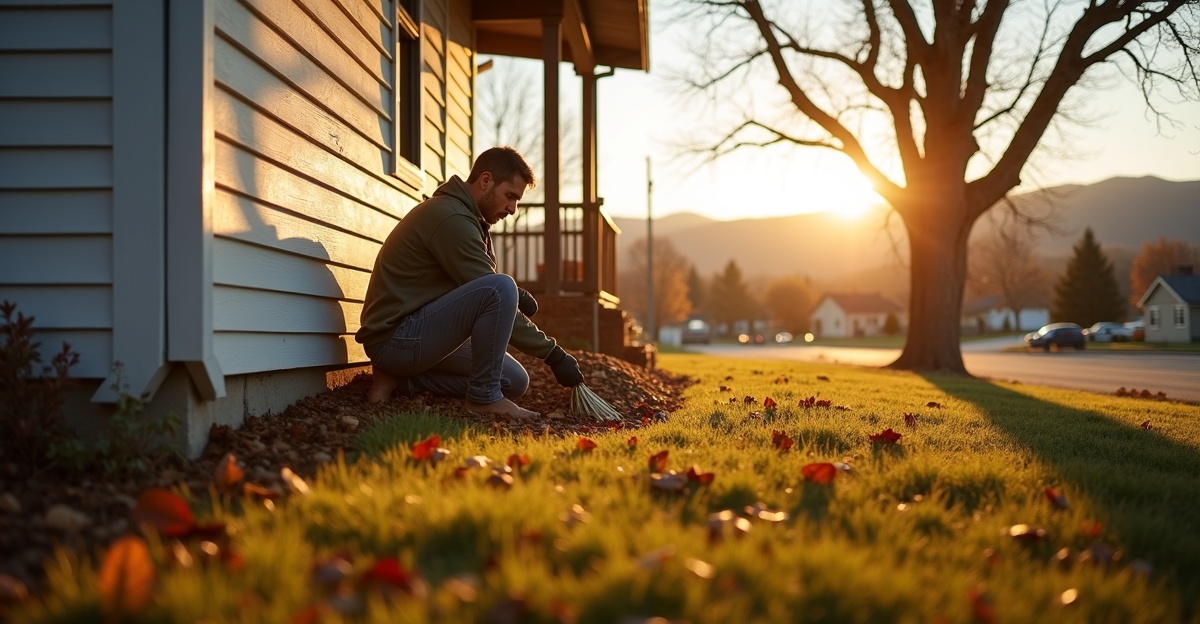
- Address small entry points before winter sets in
Scheduling preventive services early is helpful. Our guide on pest control before winter explains why timing matters.
This fall surge is proactive survival behavior. It doesn’t automatically mean there’s a growing infestation, but delays can allow pests to settle in.
How Sudden Weather Shifts Impact Pest Activity — and When to Seek Help
Eastern Idaho weather can change quickly. A cold snap, heat wave, drought, or heavy rainfall may trigger short-term spikes in seasonal pest activity in Eastern Idaho.
These swings strengthen the weather and pests connection:
- Heavy rain can push insects indoors
- Sudden cold can drive rodents into wall voids
- Extended drought may send pests searching for indoor water sources
Understanding when to monitor and when to call for professional pest control support keeps problems manageable.
Monitor or Call for Support?
We recommend monitoring when:
- There’s a single pest sighting
- Activity is minor and short-lived
- No property damage is visible
We recommend calling for support when:
- Sightings are persistent or increasing
- There’s chewing on wiring or structural materials
- Food contamination is suspected
- Health or safety concerns are present
- Seasonal problems return year after year
Most pest issues follow predictable cycles. With the right timing and practical prevention, they stay manageable. Our team at Eastern Idaho pest control understands local seasonal pest behavior across Idaho Falls, Twin Falls, Pocatello, Rexburg, Rigby, and surrounding areas. We focus on safe, straightforward service that supports families and businesses year-round.