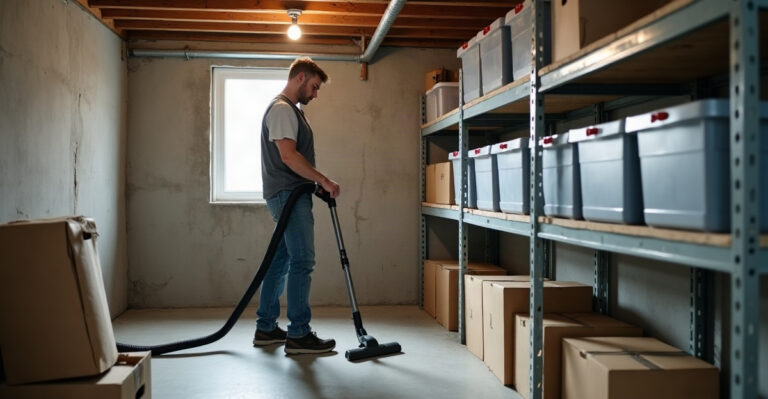
How Businesses Can Reduce Pest Risks Year Round?
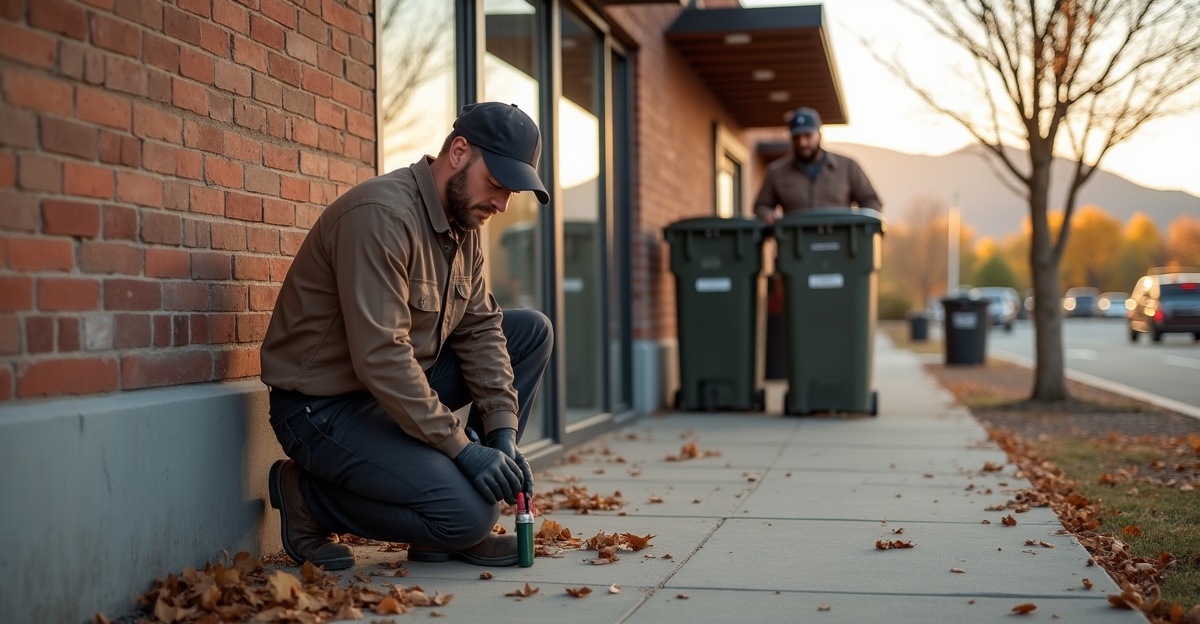
Business pest prevention protects commercial properties year round by controlling the food, moisture, shelter, and entry points that attract pests in every season. We align sanitation routines, structural upkeep, seasonal awareness, and professional commercial pest management to help businesses in Eastern Idaho avoid shutdowns, failed inspections, and reputation damage.
Key Takeaways
- Commercial properties attract pests year round because they offer steady access to food, water, shelter, and structural entry points.
- Seasonal shifts in Eastern Idaho change pest behavior, with insects increasing in warmer months and rodents moving indoors in fall and winter.
- Daily sanitation, proper waste control, exclusion repairs, organized storage, and clear employee reporting systems lower long-term risk.
- Ongoing commercial pest management delivers steady monitoring, documented inspections, and seasonal adjustments that outperform one-time treatments.
- Clear service plans, open communication, and routine inspections help businesses manage costs and maintain compliance and community trust.
Why Commercial Properties Attract Pests in Every Season
Business pest prevention starts with understanding why commercial properties remain attractive to pests all year. Every pest looks for three basics: food, water, and shelter. Restaurants, offices, warehouses, hospitality properties, and small commercial facilities provide all three without much effort.
Food prep spaces, break rooms, storage rooms, delivery zones, dumpsters, floor drains, utility rooms, and busy entryways create steady access points. Even well-run facilities produce crumbs, spills, condensation, and heat. Those everyday conditions support pests if left unmanaged.
Structural details matter just as much as sanitation. Gaps around doors and windows, cracks in foundations, roofline openings, exposed vents, and loading docks that stay open create easy entry. A small opening can become a regular access route for ants or rodents.
In Eastern Idaho, patterns vary by property type and season. A small restaurant in Idaho Falls may notice ant activity in spring as melting snow increases moisture and crumbs collect near prep stations. A warehouse in Twin Falls may see rodent pressure rise in colder months, especially near pallet storage along exterior walls.
The risks are practical and financial. Pest activity can lead to contaminated food, damaged inventory, service disruptions, failed inspections, and reputational harm. Articles like how pest control protects business reputation explain how quickly public perception can shift after a single incident. Calm, proactive workplace pest control keeps small issues from growing into costly problems.
Consistent attention always outperforms reactive cleanup. That’s the core of strong business pest prevention.
A Season-by-Season Breakdown for Eastern Idaho Businesses
Commercial pest management in Eastern Idaho must adjust to the seasons. Idaho Falls, Pocatello, Rexburg, Rigby, and surrounding communities all experience temperature swings that influence pest behavior.
Spring and Summer Pressures
Spring brings warming soil and increased moisture. Ants begin foraging and establishing new trails. Spiders become more visible as insect populations rise. Nesting activity increases around rooflines and eaves.
Restaurants and offices may notice ants along baseboards or near sinks. We often address these issues with professional ant control services and exclusion repairs before colonies grow.
Summer adds flies, wasps, and stored-product pests. Open doors during deliveries or peak traffic hours allow insects to move inside. Exterior dumpsters and compactors require close oversight. Rodent activity can also increase as surrounding fields dry out and food sources shift closer to buildings.
Fall and Winter Risks
Fall signals a shift indoors. Rodents look for warmth and nesting areas inside wall voids, drop ceilings, and storage rooms. Overwintering insects move into attics and structural gaps. Facilities with unsealed utility penetrations see the greatest increase.
Winter problems often stay hidden longer. Pantry pests develop in undisturbed food storage. Rodents may remain active in mechanical rooms and behind shelving. We typically uncover these issues during routine inspections included in structured commercial pest control services.
One-time treatments rarely address seasonal shifts. Ongoing business pest prevention accounts for what pests are likely to do next, not just what they’re doing today. That steady approach defines dependable commercial pest management in our region.
Practical Habits That Strengthen Year-Round Business Pest Prevention
Strong business pest prevention depends on daily habits. Small adjustments reduce long-term risk and support any professional workplace pest control plan.
Foundational Habits for Business Pest Prevention
The following practices create cleaner conditions and fewer hiding places:
- Sweep and mop daily, especially under prep tables and shelving.
- Wipe spills immediately in break rooms and food prep spaces.
- Rotate food stock using a first-in, first-out system.
- Clean beneath equipment where crumbs collect.
- Monitor break rooms as closely as kitchens.
- Keep dumpster lids closed and schedule regular waste pickup.
- Position dumpsters away from entry doors when possible and clean the pad routinely.
- Install and maintain door sweeps and weather stripping.
- Seal cracks around utility lines and repair damaged screens.
- Trim vegetation back from foundations and reduce standing water near the building.
- Store products on elevated shelving and organize pallets off exterior walls.
- Create a clear reporting system so employees log sightings right away.
Consistency matters more than intensity. A simple reporting log helps spot patterns early. Staff reminders during meetings keep awareness high without creating worry.
These habits protect inventory, reduce emergency calls, and support long-term cost control. They also make professional inspections more effective, since service professionals can focus on structural and exterior risks rather than routine sanitation gaps.
Signs It’s Time for Professional Commercial Pest Management
Even strong internal routines sometimes reveal deeper issues. Workplace pest control reaches its limit when signs persist.
Ongoing sightings despite cleaning efforts usually indicate established activity. Droppings, gnaw marks, damaged packaging, grease trails, and nesting materials signal that pests are living on site. Customer or employee complaints also show that an issue has moved beyond isolated incidents.
Restaurants and hospitality properties face additional pressure from inspections. Resources like pest control requirements for restaurants highlight how closely regulators monitor these spaces. A near-failed health inspection often motivates property managers to adopt structured service plans.
Scheduled commercial pest management offers advantages over one-time treatments. Service plans typically include:
- Consistent monitoring
- Documented inspection reports
- Seasonal preventive treatments
- Early detection before activity spreads
Those records support property managers, multi-tenant facilities, and franchise operators who need proof of service. Predictable scheduling also improves budgeting. Emergency treatments often cost far more once downtime, product loss, and reputation are considered.
Pest pressure rarely disappears on its own. A steady workplace pest control plan keeps operations stable and predictable.
Building a Prevention Plan That Fits Your Budget and Builds Trust
Many businesses hesitate because of past experiences with unclear pricing or inconsistent service. Business pest prevention should feel straightforward and predictable, especially for small operations with tight margins and fewer than 50 employees.
A dependable commercial pest management plan generally includes an initial inspection, clear recommendations based on the facility type, and a defined service schedule. Restaurants may require more frequent visits than offices. Warehouses often need focused rodent monitoring. Hospitality properties benefit from routine common-area inspections and seasonal exterior treatments.
Clear scopes of work prevent confusion. Transparent billing prevents surprises. Proactive communication keeps everyone informed about conditions and adjustments.
We emphasize written service reports after each visit. Documentation supports audits, inspections, and internal review. Seasonal adjustments ensure service stays aligned with local pest trends rather than repeating the same treatment year-round.
Businesses operating throughout Eastern Idaho deserve consistent guidance without pressure-based sales tactics. Our team at Falls Pest Services works as a local partner, offering practical plans that align with daily operations. Facilities interested in strengthening their business pest prevention strategy can schedule a no-obligation inspection or start a conversation through our contact page. A straightforward plan today helps prevent disruptions tomorrow while building long-term trust within the community.