Vole vs Mole: What’s the Difference?
Homeowners comparing vole vs mole signs may find it hard to tell which pest is in their yard. Both pests can leave clear signs in lawns and gardens. However, they look different and behave in different ways. Voles are small rodents that eat grass, roots, bark, and other plants. Moles spend most of their time underground and mainly eat worms and insects. Voles often create paths through grass, while moles make raised tunnels in soil. These habits can lead to different types of lawn and plant damage.
Falls Pest Services can help you identify which pest may be causing the problem. Knowing the difference matters because each pest has different habits, food sources, and hiding areas. A careful check of tunnels, runways, plants, and soil can reveal useful clues. Once you know the pest, you can choose a control method that fits the problem.
Vole vs Mole: Quick Comparison
| Feature | Vole | Mole |
| Animal type | Small rodent | Small mammal |
| Size | About 4 to 8 inches long | About 4 to 7 inches long |
| Appearance | Round body, small ears, short tail | Pointed nose, tiny eyes, wide front feet |
| Diet | Grass, roots, seeds, bark, and plants | Worms, insects, and other small soil animals |
| Where they live | Grass, gardens, fields, and shallow burrows | Mostly underground in soil |
| Tunnels or runways | Makes paths through grass and shallow soil | Digs tunnels under the ground |
| Lawn signs | Paths, holes, and chewed grass | Raised soil, ridges, and dirt mounds |
| Plant damage | May eat roots, bark, and plants | May disturb roots while digging |
| Activity | Moves above and below the ground | Spends most of its time underground |
How They Look
The vole vs mole difference is easy to see when you know what to check. Voles look more like small, round mice. They have short tails and small ears. Moles have pointed noses and large front feet. Their strong feet help them dig through soil with ease.
Where They Move
Knowing the mole vs vole movement pattern can also help you find the right pest. Moles spend most of their lives under the ground. They dig tunnels as they search for food. Voles often move through shallow runways near grass, plants, and garden beds.
Signs in Your Lawn
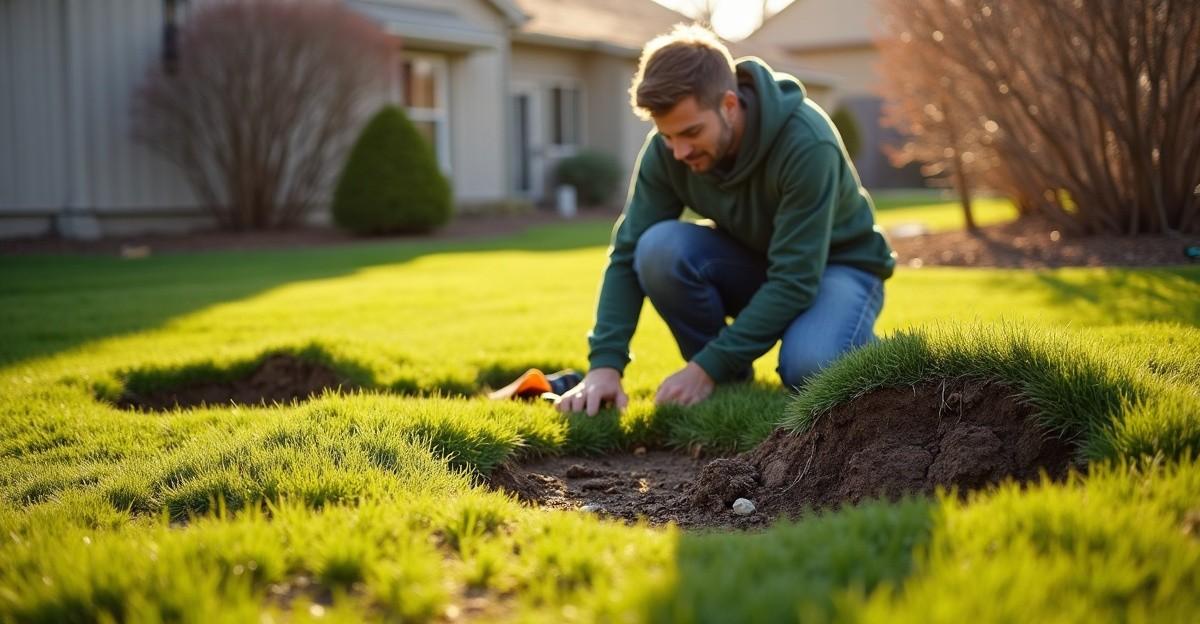
You can study lawn vole vs mole damage to learn what may be living in your yard. Voles can leave narrow paths through grass and may chew nearby plants. Moles can push soil upward as they dig. This action can leave raised ridges and small dirt mounds across the lawn.
What Is a Vole?
What a Vole Looks Like
A vole is a small rodent with a round, thick body. It has small ears, a short tail, and short legs. Voles may look like mice at first, but their bodies are often more round. Learning the mice and voles differences can help you spot the right animal. When comparing vole vs mole, a vole looks much more like a mouse.
What Voles Eat
Voles mainly eat plants, so yards can give them many food choices. They may eat grass, roots, seeds, bark, bulbs, and garden plants. They can also chew bark near the base of young trees. These feeding habits can harm plants when vole activity is high. A vole vs mole check can help you tell plant feeding from mole digging.
Where Voles Live
Voles may live in lawns, gardens, fields, and areas with thick plants. Grass and plants give them food and places to hide. They often make narrow runways along the ground as they search for food. Voles can also dig shallow burrows under grass and plants. If you find signs of rodent activity, rodent control Idaho Falls services can help identify the pest. Correct identification can help you choose the right next step.
What Is a Mole?
What a Mole Looks Like
A mole is a small animal that spends most of its life under the ground. It has a pointed nose, tiny eyes, and ears that are hard to see. Its wide front feet have strong claws for digging. When you compare vole vs mole, the mole has a body made for life under the soil. A mole is also not a rodent.
What Moles Eat
Moles search through the soil to find food. They mainly eat worms, insects, and other small animals that live underground. They do not often eat grass, roots, or garden plants. This fact can help you understand vole vs mole damage in your yard. Moles may still harm grass or roots as they dig tunnels for food.
Where Moles Live
Moles spend most of their time in tunnels below lawns, gardens, and other grassy areas. Healthy lawns can attract them because the soil may hold plenty of food. Moist soil is also easier for moles to dig through. When checking vole vs mole activity, look for raised ridges or fresh dirt mounds. These signs may show where a mole has been digging.
How to Tell Vole vs Mole Damage Apart
Signs of Vole Activity
Voles often leave narrow paths across grass as they move around a yard. You may also see small burrow holes near these paths. Learning about lawn vole vs mole damage can help you spot these signs faster. Voles eat plants, so they may leave chewed grass, roots, bulbs, and garden plants. They can also gnaw on the bark of young trees and shrubs. Small tooth marks near the base of a plant may point to vole activity. When checking vole vs mole signs, plant damage is one useful clue.
Signs of Mole Activity
Moles leave different signs because they spend most of their time under the soil. Understanding mole vs vole signs can help you tell which pest is digging in your yard. Moles create underground tunnels that can push the soil up into long ridges. They may also leave small dirt piles called molehills. As they dig, moles can make the lawn feel soft or uneven. Their tunnels may disturb grass and plant roots, but moles do not often eat those plants. Most mole damage comes from digging as they search for worms and insects.
Why Voles and Moles Come Into Your Yard
Food and Cover for Voles
Voles look for places that give them food and safe cover. Thick grass and dense plants can give them places to hide. Gardens may also provide roots, seeds, bulbs, and other food. When checking vole vs mole activity, remember that voles often stay close to plants.
- Thick grass: It gives voles cover as they move and search for food.
- Gardens: Roots, seeds, and plants can give voles easy food.
- Mulch: Deep mulch may give voles a place to hide near plants.
Soil That Attracts Moles
Moles have different needs because they search for food below the ground. Moist soil can hold earthworms, insects, and other small animals that moles eat. Soft soil also makes digging easier for them. Trees, shrubs, and other landscaping may create soil conditions that support their food.
Why Both May Visit
Voles and moles can live in the same general yard for different reasons. Voles may come for plants, seeds, and shelter. Moles may come for worms, insects, and moist soil. These different habits can lead to different vole vs mole damage around a property. Their presence does not always mean you take poor care of your lawn. Even a healthy yard can provide the food and shelter these pests need.
Can Voles and Moles Damage Your Lawn?
Voles and moles can both cause changes to a lawn, but they cause them in different ways. The amount of damage can depend on how many pests are active. Soil, plants, food, and yard conditions can also affect the problem.
How Voles Can Cause Damage
Voles eat many types of plants, so their feeding can affect lawns and gardens. Learning about lawn vole vs mole damage can help you find the cause. Voles may eat grass, roots, and young plants. They may also chew shrubs and tree bark. Heavy feeding can weaken some plants over time.
- Grass and roots: Voles may eat grass and roots near their runways.
- Young plants: They may feed on soft stems, roots, and bulbs.
- Trees and shrubs: Voles can chew bark near the base of woody plants.
How Moles Can Affect Lawns
Moles cause most problems when they dig tunnels while looking for food. A vole vs mole check can help you tell this digging apart from vole feeding. Mole tunnels can push soil upward and disturb grass roots. This activity may leave raised ridges or soft spots across the lawn. It can also change the look of garden beds and other landscaping. Damage can stay small when mole activity is low.
How to Help Prevent Vole and Mole Problems
Simple yard care can make your property less inviting to some pests. When dealing with vole vs mole problems, focus on food, shelter, soil, and fresh pest signs. These steps can also help you find a problem before it spreads across your yard.
- Trim grass: Keep tall grass short to reduce places where voles can hide and move.
- Reduce ground cover: Remove thick weeds and extra plants where it makes sense.
- Manage mulch: Keep deep mulch away from young trees and other plants that need protection.
- Protect young trees: Use safe tree guards when needed to help protect bark from chewing.
- Watch your garden: Check plants often for chewed stems, roots, bulbs, or other fresh damage.
- Check the lawn: Look for new tunnels, surface paths, small holes, or fresh soil mounds.
- Manage moisture: Fix wet areas when possible, since moist soil may support worms and insects.
- Get professional help: Seek pest control solutions if pest activity keeps coming back.
When Should You Call a Pest Control Professional?
When the Problem Keeps Coming Back
You may need help if lawn or plant damage keeps coming back. A vole vs mole problem can be hard to solve when you do not know the pest. Tunnels may spread across the lawn, or plants may show new damage. Home methods may also fail to reduce the activity. In these cases, a professional inspection can help find the cause.
When You Need the Right Plan
Correct pest identification should come before any treatment. Falls Pest Services can inspect your lawn, plants, soil, and other problem areas. A professional can check vole vs mole signs and look for fresh pest activity. The findings can help guide a treatment plan that fits your property and the pest present.
When You Want Local Help
Homeowners across the Eastern Idaho service areas can seek professional help when they are unsure what is damaging their yards. An inspection can help confirm the pest and show where activity takes place. This step can also help avoid using a method that does not fit the problem. You can then choose a clear plan based on the signs found around your property.
Need Help With Voles or Moles?
Not sure what is causing damage in your yard? Falls Pest Services can help you understand the signs of a vole vs mole problem. A pest inspection can check tunnels, runways, soil, plants, and other lawn and property concerns. Correct pest identification can help you avoid choosing the wrong treatment.
Our team provides professional pest control based on the signs found around your property. We can explain the problem and help you understand your options in simple terms. If you see signs of pest activity, contact us to request a quote. We can help you choose a suitable next step.
FAQs
Are voles and moles the same animal?
No. Voles and moles are different animals. Voles are small rodents that look a bit like mice. They often eat grass, roots, seeds, and other plants. Moles are not rodents. They live mostly underground and eat worms, insects, and other small animals in the soil.
How can I tell if I have voles?
Look for narrow paths through grass and small holes near those paths. Voles may also chew grass, roots, bulbs, plants, and tree bark. These signs can help you spot a possible vole vs mole problem. Check several areas of your yard because one sign may not confirm the pest.
How can I tell if I have moles?
Moles often leave raised ridges as they dig through the soil. You may also see small piles of fresh dirt called molehills. The ground may feel soft or uneven near active tunnels. Moles spend most of their time underground, so you may see their digging signs before you see the animal.
Which causes more lawn damage, voles or moles?
Both pests can affect your yard in different ways. Voles may eat grass, roots, bulbs, and other plants. Moles mainly cause problems by digging tunnels through the soil. The amount of damage can depend on pest activity, food sources, soil, and other conditions around your property.
Can pest control help with voles and moles?
Yes, professional pest control can help identify what is causing the problem. A pest expert can inspect tunnels, runways, plants, and soil for useful signs. Correct identification is important because voles and moles have different habits. The inspection can help determine which control steps may fit your property.