What Attracts Ants to Your Home?

Ants come into homes because we often make it easy for them. Unsealed food, moisture, and small access points create an ideal space for them to thrive. A few crumbs or a leaking sink can be enough to attract an entire colony.
Key Takeaways
- Ants search for easy meals—crumbs, sugary drips, or open food packages bring them in fast.
- Leaky plumbing or pooled water in bathrooms draws ants in, especially during Idaho’s dry summer season.
- Small cracks in the foundation, loose window frames, and gaps around pipes serve as common entryways.
- Once a scout ant finds food or water, it leaves a scent trail that the colony uses to stream directly into your space.
- Stop infestations before they start. Seal gaps, store food in airtight containers, and stick to a consistent cleaning routine.
What Ants Are Really After: Food, Water, and Shelter
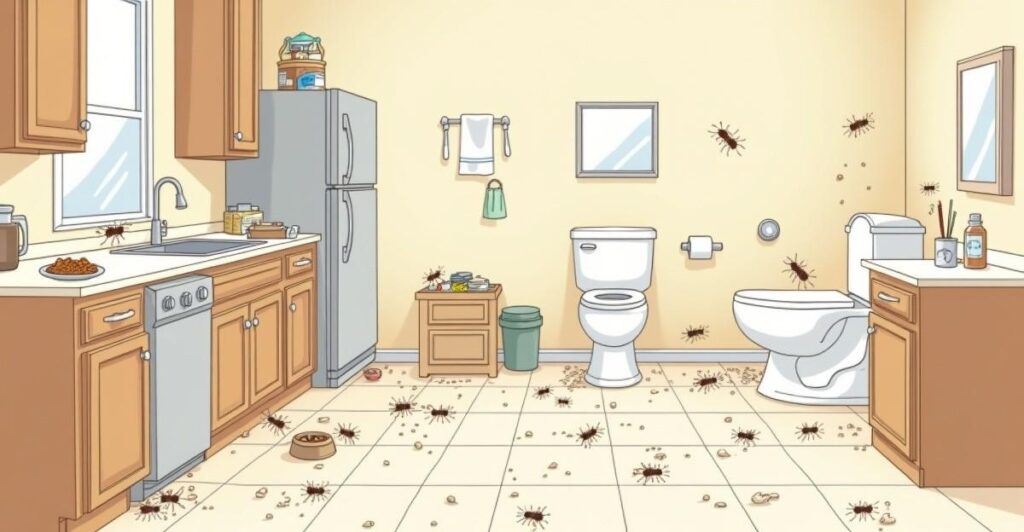
Ants make their way inside because they’re looking for the basics—food, water, and a place to build their colony. In most homes, even small crumbs or a few drops of spilled juice are enough to lead a trail of foragers through cracks and crevices. Many pantry items, even those sealed tightly, can still draw ants in if there’s a scent or trace left outside the container.
Common Ant Attractions Around Homes and Businesses
Understanding what draws ants indoors helps reduce the chance of an infestation. We’ve listed the main things that can attract ants in kitchens, bathrooms, and commercial areas:
- Food crumbs and spills: Sugar, bread, and even greasy residue left behind on counters, floors, or in garbage cans are all appealing to ants.
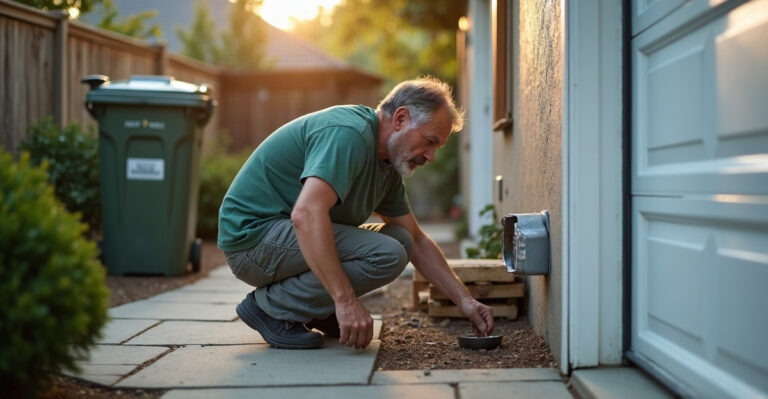
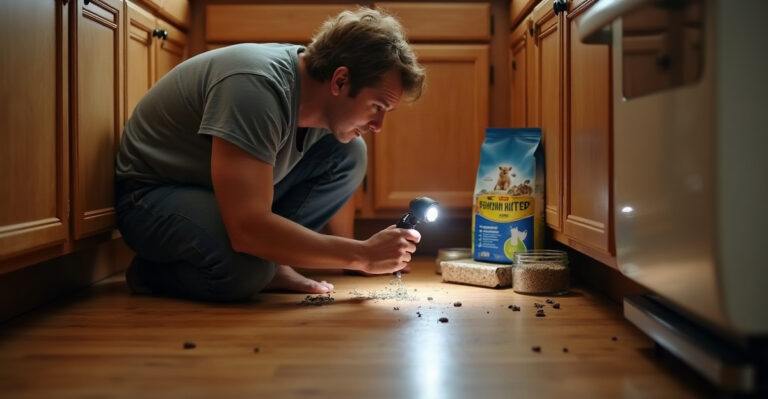
- Pet food: Bowls left out overnight or food stored in unsealed containers become easy meals.
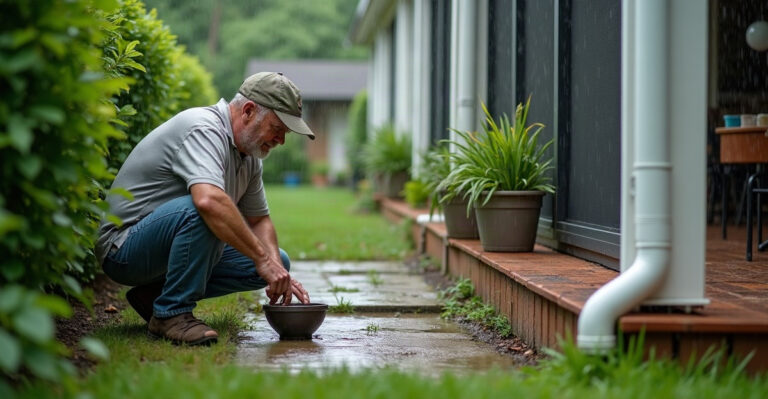
- Moisture sources: Ants gravitate toward wet areas during dry periods. Sinks, leaky pipes, and standing water in bathrooms offer hydration.
- Bathrooms and kitchens: These spots bring together warmth, moisture, and food particles, making them prime targets.
- Tightly packed food containers: Even a smudge of jelly on the outside of a jar can draw ants from surprising distances.
- Messy breakrooms in commercial settings: Workplace kitchens or restaurants that don’t get a regular deep clean often end up as feeding grounds.
In Idaho, the summer heat often sends ants indoors in search of water. That’s why we see more ant trails near bathroom tile grout, under kitchen sinks, or around leaky pipes this time of year. Even a slowly dripping faucet can set off a full-blown trail overnight.
For homeowners, staying ahead of ant problems means keeping food sealed, cleaning up spills immediately, and fixing plumbing leaks quickly. For business owners, especially those in food service, regular deep cleaning and waste control are key to staying ant-free. If ants seem to keep coming back no matter how much we scrub or seal, it might be time to bring in pros. Our approach to ant control services focuses on finding and treating the root of the problem, not just spraying the visible trail.
In both residential and commercial spaces, managing what attracts ants is a big step toward keeping them out for good. We’re always ready to help with home ant problems or keeping shared spaces like office kitchens free from pests. Clear plans, safe treatments, and friendly service—that’s what we bring to every visit.

Seasonal Ant Activity in Eastern Idaho
Eastern Idaho’s climate has a strong influence on ant behavior. Seasonal shifts — from spring thaws to crisp fall days — trigger predictable patterns in ant activity. Knowing these patterns helps us prevent infestations before they settle in.
How Weather Drives Ants Indoors
As soon as the snow melts and the ground warms in spring, ant colonies start waking up. The increase in temperature signals ants to expand their nests and send out scouts to locate food and water. That’s how they often end up inside kitchens, basements, or garages — they’re searching, not invading intentionally.
During the heat of summer and into early fall, Eastern Idaho often experiences dry conditions, according to regional climate data from NOAA. Moisture becomes harder for ants to find outside, so they turn their attention indoors. Kitchens, bathrooms, and laundry rooms offer exactly what they need: steady water sources and cooler spots to escape the dry heat.
Once temperatures begin to dip in the late fall, ants shift again. Food prep smells during harvest time or the approach of winter holidays can lure them inside. Add dropping nighttime temperatures to the mix, and ants start seeing our homes as warming shelters from the cold.
Common Seasonal Ants Seen in Our Area
Not all ants behave the same way. Two types tend to pop up more often in our region, especially during seasonal transitions. If we see ants inside, they’re usually one of these:
- Pavement ants: commonly described in university pest identification guides, often nest under sidewalks, driveways, and foundations. They become more noticeable in late spring and summer when they trail inside in search of sugary or greasy food.
- Odorous house ants: Named for the musty smell they release when crushed, these ants are common in early spring and again in the fall. They’re hardy and quick to adapt, often nesting near heaters or warm appliances once outside temps drop.
Understanding why ants come into houses helps form a clear prevention plan. Regularly sealing baseboards, storing pantry items in airtight containers, and reducing indoor moisture goes a long way. If scouts find nothing useful, they’re unlikely to bring the colony inside.
For those dealing with recurring trails or nests near the foundation, our team can help. Whether it’s a one-time issue or a long-running concern, we provide safe and reliable ant control in Eastern Idaho that fits your schedule and gets to the source.
How Ants Are Getting Inside: Entry Points to Watch
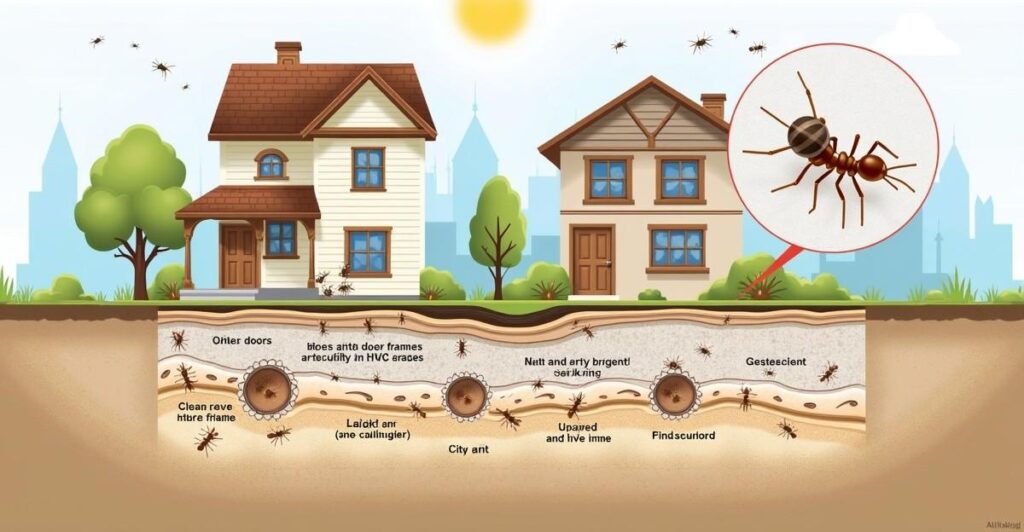
Ants don’t need much room to find a way inside. They can move through cracks as narrow as a credit card’s edge, a fact commonly noted in university pest exclusion guides. These entry points are easy to overlook but can invite an entire colony right into our home or business.
Common Entry Points for Ants in Buildings
We’ve seen time and again that certain access spots are especially popular for ants. Here are the areas we regularly find contributing to infestations:
- Cracks in the foundation or slab
- Gaps beneath doors or around door frames
- Unsealed or aging window frames
- Openings where utility lines enter the building
- HVAC lines that run from the outside in
- Improperly stored outdoor equipment or planters brought inside
Even in well-kept homes and newer buildings, these vulnerabilities can exist. A bit of shifting in the walls, settling concrete, or loosening caulking can open up just enough space for ants to slip through.
Buildings with aging construction or weakened sealing are more prone to these gaps. We often recommend inspecting older homes closely during the spring months when pest activity starts to climb. Simply adding fresh weather stripping or sealing foundation cracks can stop ants before they ever get in.
Why Ants Follow One Another Inside
Once one scout ant finds food or moisture through any of these gaps, it leaves behind a pheromone trail. That scent acts like a road sign pointing the rest of the colony in the right direction. Soon, what started as a single ant visit can turn into a steady stream.
That’s why quick action matters. Wiping up trails with soapy water and cleaning up any crumbs or spills can help stop that scent path. Just tackling the obvious ants isn’t enough. We also look for and seal off those hidden entry points to make sure they can’t reset the trail after treatment.
If ants keep reappearing even after cleaning, it’s time to look deeper. Our service professionals use proven strategies to locate access areas and help block them off. You can also take a closer look at your own space and address the most common issues. For persistent colonies or spots that are hard to access, professional service makes a real difference.
If you’re dealing with repeat ant invasions, consider our ant control service. It helps identify the specific paths ants are taking and gives you a plan to stop them, inside and out.
Regular inspections and treatments can also give added protection for homes and businesses alike. Through our residential pest control services, we work to prevent long-term issues with practical steps that fit your space and schedule.
Understanding Ant Behavior: Why One Ant Means More Are Coming
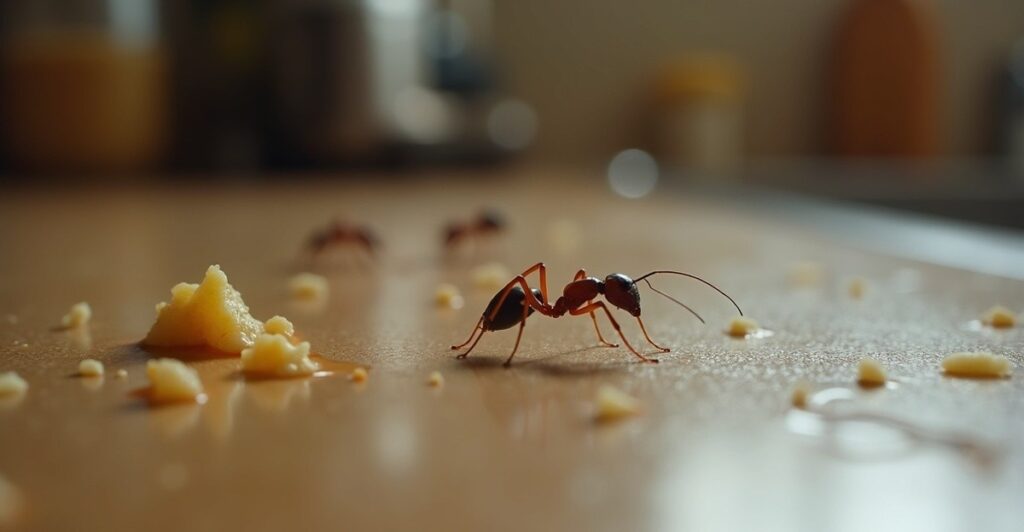
Ants don’t wander into homes by chance. Most of them are on a mission. Seeing just one scout ant indoors is usually a sign that more aren’t far behind. These scouts are searching for steady sources of food and water. Once they find one — even something as small as a sticky countertop or a few crumbs in the pantry — they alert the rest of the colony.
How Ants Communicate and Multiply
Scout ants use scent trails, or pheromones, to guide their nestmates, as explained by university entomology research on ant pheromone communication. Once a food or moisture source is discovered, a pheromone trail is laid on the path back to the colony. Others quickly follow. That’s why we often see single-file lines of ants marching across kitchen floors or along walls.
Here’s how the process typically unfolds:
- A scout ant enters your home through a crack, gap, or open door.
- It finds food or water — sugar, grease, pet food, leaky sink.
- It returns to the colony, releasing a chemical trail.
- Other ants follow the trail, reinforcing it as they travel.
- Within hours, you may see dozens or even hundreds converging.
These trails are especially resilient. Even if we wipe them away, remaining ants often retrace old paths or begin searching for nearby entries again. Ants are persistent problem-solvers. Unless the original source is removed and entry points are sealed, they’ll keep coming.
What This Means for Homeowners in Idaho
Ant infestations in Idaho follow this same pattern. Species like odorous house ants and pavement ants are common in our area and are known to use this scout-and-trail method. While they don’t typically pose serious health threats, they’re persistent, intelligent, and tough to fully eliminate without addressing the cause.
To reduce the risk of ants setting up shop in your space, it helps to look at your environment the way they do. Ants come into houses looking for:
- Easy food: crumbs, pet food, sugary spills, unsealed containers.
- Moisture: leaking pipes, pet water dishes, humid basements.
- Shelter: warmth and safe nesting spots, especially near kitchens or bathrooms.
We often hear from folks who clean thoroughly yet still battle ants. That’s common, especially during warmer months when ant activity picks up. The truth is, ants can find the smallest bits of protein or sugar and are incredibly efficient at following up on what their scouts discover.
If you’ve started seeing ants in your kitchen or bathroom, you’re likely dealing with more than just a few strays. That’s the time to take steps before the problem spreads. Preventive cleaning, sealing entry points, and using proper treatments around the foundation can help. But in many cases, professional ant control is the most reliable way to deal with the colony and the source of attraction long-term.
And if the situation gets tougher — say ants start popping up in different rooms — it may be time to consider a more comprehensive service like our residential pest program, which targets not just the symptoms but also the reasons ants return.
We’ve worked with homes and businesses across Eastern Idaho and understand the behavior specific to local ant species. Our approach always starts with a calm inspection and smart planning, so you don’t deal with the same problem season after season.
For businesses, especially those dealing with food, one scout can signal big trouble if left unchecked. If you’re managing a commercial space, our commercial pest services offer the consistency and discretion needed to keep pests out year-round.
Understanding why ants come into houses — and recognizing that one ant is rarely alone — gives you a head start on controlling them. It’s all about removing what attracts them in the first place and knowing how they move as a colony.
If you’re seeing activity and aren’t sure where it’s coming from, feel free to reach out to us directly. We’re happy to check things out and help find the right solution.

Simple Ways to Help Prevent Ants — The Neighborly Way
Keeping ants out starts with small habits that make a big difference. We’ve found that staying ahead of what attracts them is the best first step in keeping our homes and yards free of these tiny invaders.
Our Go-To Tips for How to Prevent Ants
Try these everyday practices to help reduce ant activity while keeping things safe and family-friendly:
- Clean as you go. Wipe down kitchen counters and dining tables after meals. Crumbs, grease, and sugary spills—especially around appliances—draw ants fast. Don’t forget under toasters or behind trash cans.
- Store food the smart way. Ants can sniff out open packages in a hurry. Use airtight containers for cereal, snacks, and pet food. Rotate and check pantry items often, and give cabinets a regular clean-out.
- Fix water drips and humidity. Pests like ants are drawn to moisture. Repair any leaky pipes or faucet drips right away. Keep air moving in damp areas with a bathroom or kitchen exhaust fan.
- Block the entry points. Even tiny openings can look like welcome signs to ants. Use caulk or weather stripping around windows, door frames, and along the foundation to close those gaps.
- Mind your landscaping. Trim back bushes and tree limbs that touch your house. Stack firewood or lumber a good distance away. Thick ground cover right outside your foundation can also give ants an easy path indoors.
Sometimes even with the best prevention, ants still find their way inside. When that happens, it’s helpful to know there’s safe ant control for families that doesn’t put your household at risk.
Regularly inspecting for ant trails, nests, or signs around baseboards can also catch a problem early. If things start feeling overwhelming, or you spot ants returning again and again, we’re here with dependable residential pest control services built on trust and care.
We don’t believe in quick fixes that come with surprises. Our approach is steady, focused on what works for homes like ours. Whether you’re dealing with a few scouts in the pantry or a full colony making itself at home, we’re always ready to step in with safe, proven solutions.
When to Call in Local Help the Smart Way
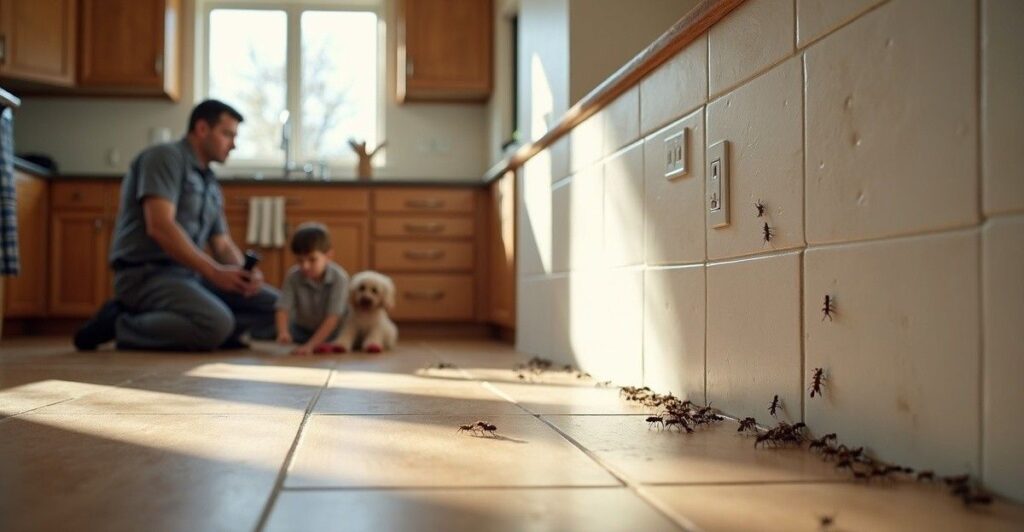
Persistent ant problems can wear on anyone—especially when we’ve tried to keep counters clean, seal up cracks, and store food tightly. If ants keep showing up or seem to reappear in the same spaces, it’s possible there’s a nest tucked away behind walls or under flooring. These hidden colonies can be hard to reach without experienced help.
Signs It’s Time to Bring in a Professional
Not all ant invasions require outside help, but certain situations call for more focused attention. Here are some scenarios where expert eyes can make a big difference:
- You’ve seen ants coming from inside walls, outlets, or cabinets repeatedly.
- Trails of ants show up near pantries or food-prep areas, even after cleaning and sealing.
- Over-the-counter treatments reduce activity but don’t stop it.
- You’re concerned about safety around pets or small children and want safe ant control for families.
- Ants keep returning season after season in the same locations.
Business properties have to meet different demands. Facilities like restaurants, shared housing, or warehouses dealing with food often attract more stubborn infestations. In these spaces, taking fast, thorough action matters for reputation and compliance.
Local Solutions With Eastern Idaho in Mind
We’ve worked with homeowners and businesses across Eastern Idaho, so we understand which ants are most common here—and how they behave. Whether we’re treating sugar ants in a kitchen or dealing with carpenter ants near damp framing, we use proven solutions that protect what matters most.
We’re not just providing a one-time fix. We focus on long-term prevention that fits the way your home or building operates. You’ll get honest recommendations and the freedom to choose the level of help that fits your needs, all without upsells or pressure.
If you’re dealing with ongoing ant troubles, it might be time to look into our ant control services. We’ll identify the likely reason why ants come inside and help you take back control of your space—with clear answers and dependable follow-up.
For property managers or business owners, our commercial pest control plans are built to prevent interruptions while protecting staff and guests. And for anyone interested in full, year-round protection, residential pest care keeps common ants in Eastern Idaho, and many other pests, from gaining a foothold in the first place.
If you’re unsure whether it’s time to call us, we’re happy to talk it through. Helping folks feel confident and safe in their own homes or buildings is what we do. Let’s figure out what’s best—together.
Frequently Asked Questions
Ants can appear even in clean homes because they’re attracted to tiny food traces and moisture we don’t notice. A few crumbs, a sticky residue, or a dripping pipe can be enough to draw scout ants inside. Once they find a reliable source, they leave scent trails that guide the rest of the colony indoors.
Ants are most likely to come inside during spring and summer. In spring, warming soil activates colonies and sends scouts searching for food. During hot, dry summer periods, ants enter houses looking for moisture, especially in kitchens, bathrooms, and laundry rooms where water sources are consistent.
Yes, ants can enter through extremely small openings. Tiny cracks in foundations, gaps around windows or doors, and openings around utility lines are all common entry points. Ants only need a space about the width of a credit card edge to gain access, which makes sealing these areas important for prevention.
Ants keep returning because cleaning visible ants doesn’t remove the colony or the scent trails they leave behind. If food, moisture, or entry points remain available, new scout ants will rediscover the same spots. Long-term control requires removing attractants and blocking access points, not just wiping up trails.
Yes, seeing one ant usually means more are nearby. That ant is typically a scout searching for food or water. If it finds something useful, it communicates the location through pheromone trails, leading other ants to follow. Early action helps prevent a small sighting from turning into a full infestation.