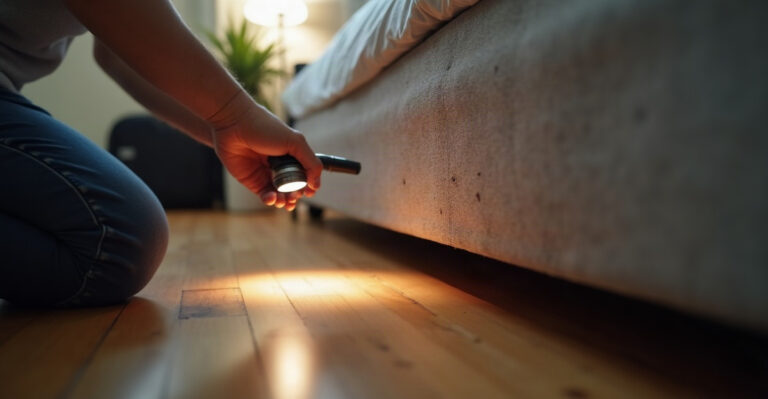
What’s the Difference Between Hornets and Wasps?
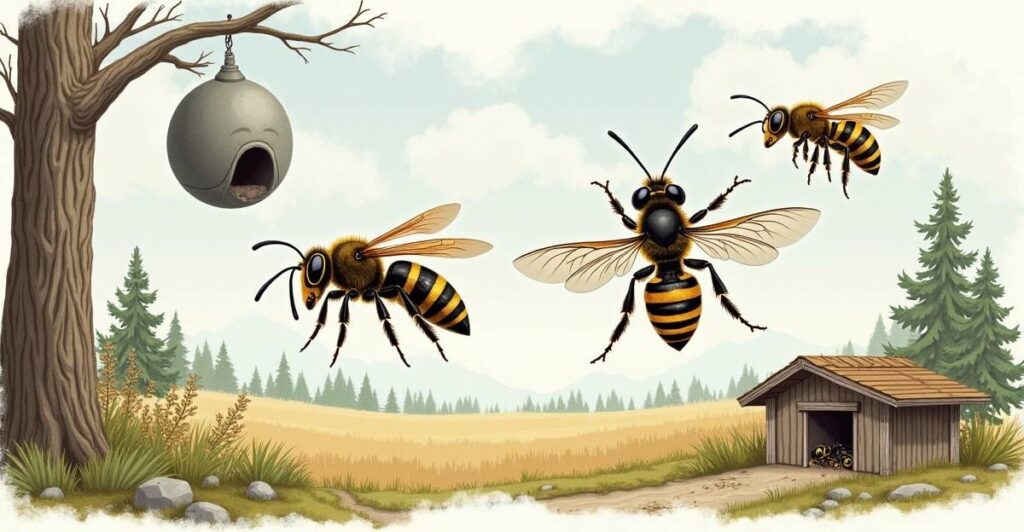
Hornets and wasps often get mistaken for one another at first glance. Still, we can spot key differences in size, behavior, and habitat that set them apart, as explained by University of Idaho Extension’s guide to wasps and hornets. Knowing how to recognize each helps us avoid stings and respond correctly, especially across Eastern Idaho where they’re common.
Key Takeaways
- Hornets grow larger with thicker bodies and more muted colors. Wasps appear slimmer and often flash bright patterns.
- Hornets make enclosed, football-shaped nests high in trees or on buildings. Wasp nests depend on species—yellowjackets, for example, often nest underground.
- Hornets guard their nests fiercely. Paper wasps usually stay calm unless someone disturbs them directly.
- Yellowjackets scavenge around human activity—picnics, trash cans, and open food especially—and USDA entomology resources note that colonies become more defensive in late summer as food sources decline.
- In Eastern Idaho, we most often spot bald-faced hornets, paper wasps, and yellowjackets. These three cause most stinging insect encounters.
Common Signs You’re Dealing with a Hornet or a Wasp
If we’re seeing buzzing insects around the house or yard, the first step is knowing who we’re dealing with. Hornets and wasps share some traits — both have stingers, narrow waists, and wings — but there are a few easy ways to tell them apart at a glance.
Hornets tend to stand out with their large size and bold coloring. Many, like the bald-faced hornet, display striking black-and-white patterns. Their bodies appear thicker and more powerful. Wasps, like paper wasps and yellowjackets, are slimmer overall. They usually have brighter patterns like yellow, red, or even metallic hues with well-defined waists.
Behavior helps too. Hornets are more likely to guard their nests aggressively. In contrast, paper wasps act calm unless disturbed. Yellowjackets hover around food and trash, especially in the late summer.
Here’s a quick way to size up stinging insects safely:
Safe Identification Checklist
- Size: Hornets are bigger and bulkier than most wasps.
- Color: Hornets often appear black-and-white or dull yellow; wasps usually have more intense, bright striping.
- Flight Pattern: Wasps move with more of a side-to-side hover; hornets fly in straight lines with purpose.
- Behavior: Yellowjackets hover near food and garbage; hornets patrol their aerial nests.
- Location: Check where the insect is active — nests in trees or eaves may suggest hornets, while ground-level or wall-cavity activity may point to yellowjackets.
A photo snapped from a safe distance can help us—or any professional—give you a fast, clear answer. Not sure what you’re seeing near your home in Pocatello? We’re happy to help with same-day answers — just send us a photo.
How Hornets and Wasps Behave Differently
Understanding how these stinging insects behave can give clues without needing to get close. It also helps us all stay safer around them.
Hornets, especially bald-faced hornets, have a reputation for guarding their nests fiercely. If their aerial nest feels threatened, even just by someone walking nearby, they’ll respond quickly. Wasps vary. Yellowjackets can be aggressive, especially near food or in high-traffic areas. Paper wasps are less hostile — they’ll only sting if provoked or swatted.
Feeding behavior varies, too. Wasps often scavenge. We’ll see them hanging around outdoor snacks, pet food, or garbage bins. Hornets are more focused predators. They’ll hunt other insects and bring them back to the nest to feed their young.
Some folks wonder, are hornets more dangerous than wasps? The answer depends. A hornet sting can be more painful simply due to their size. But the species matters more than the name. Yellowjackets, for example, can sting multiple times and become very defensive in late summer.
Most wasps and hornets don’t want to sting unless provoked. But they should still be treated with caution, especially near nests or large groups.
Spot the Nest: Hornet Nests vs Wasp Nests
Nests tell us a lot. By comparing structure, location, and activity, we can figure out which insect family is nearby.
| Feature | Hornets | Wasps |
|---|---|---|
| Nest Location | High places — trees, eaves, overhangs | Under decks, inside walls, underground (yellowjackets) |
| Nest Appearance | Papery, football-shaped, enclosed | Open comb structure (paper wasps), or hidden (yellowjackets) |
| Activity Level | High in late summer, strong defense of nests | Also peak mid to late summer, varies by species |
Hornet and wasp nests are best observed from a distance. Disturbing a nest triggers defense mode fast — even noise or vibration can set things off. Never attempt to knock one down or spray it without support. For safe handling, visit our page for professional wasp and hornet removal.
Hornets and Wasps in Eastern Idaho: What You’re Likely to See
In Eastern Idaho, we tend to see three main types of wasps and hornets. Knowing which ones are common around Idaho Falls, Rexburg, or Twin Falls helps prepare us for safer seasons outdoors.
- Bald-faced hornets: These are easy to spot with their black bodies and creamy white faces. They often nest up high and will defend their territory boldly.
- Yellowjackets: These smaller wasps are often mistaken for bees. They build hidden nests—sometimes underground, sometimes in walls—and become aggressive in peak summer.
- Paper wasps: Longer and thinner with shades of red, brown, or dark yellow, they build umbrella-style comb nests under eaves, roof edges, and even furniture.
We commonly get calls about these insects showing up near sheds, behind window shutters, in tree branches, or near backyard trash bins. Their activity picks up sharply in warmer months and peaks in late summer when food sources are abundant.
For more on common signs, see our seasonal guide: why wasps are nesting on porches and patios.
When to Call Falls Pest Services
Some situations call for more than swatting or store-bought sprays. If you’re wondering when to call an exterminator for wasps or hornets, here are a few times it just makes sense:
- Someone in the home is allergic to stings.
- The nest is near a doorway, play area, or high-use space.
- You’ve seen activity for weeks and can’t find the nest location.
- Pets or kids spend time outside where insects are active.
Wasps and hornets don’t always come back to the same spot — but if one area has sheltered them once, it’s worth keeping an eye on. Looking for safe removal options in Rigby or beyond? We’re here to take a look — same-day visits available, no-pressure advice. Just reach out through our contact page and we’ll be in touch quickly.
Tips to Stay Sting-Free: Prevention and Peace of Mind
Keeping pests out starts early. In spring, wasps and hornets begin scouting out spots to build nests. Here are a few steps we can all take to help prevent stinging insects from settling in:
- Keep food and sweet drinks covered during outdoor meals.
- Store pet food inside and keep garbage bins sealed tight.
- Inspect under eaves, sheds, and deck railings in spring for early nest building.
- Seal gaps or holes around windows, rooflines, or siding — small entryways invite indoor nesting.
- Schedule seasonal pest control checks, especially if nests have been an issue before.
If flying pests keep returning year after year, we recommend a routine inspection. Our residential pest control services offer peace of mind and proactive treatment through every season. Need more ideas for outdoor peace? Browse our pest control blog for simple solutions and seasonal tips.
It’s easier to enjoy the Idaho outdoors with fewer stingers in the picture — and we’re here to help make that happen.
Frequently Asked Questions
The main difference is size, behavior, and nesting habits. Hornets are generally larger with thicker bodies and build enclosed, football-shaped nests in elevated areas. Wasps are slimmer, often more brightly colored, and their nests vary by species, including open combs or underground colonies. Hornets are usually more defensive near nests, while many wasps are aggressive around food.
Hornets are more aggressive when defending their nests, especially if someone gets too close. However, wasps like yellowjackets can be more aggressive overall, particularly in late summer when food is scarce. Aggression depends more on species and situation than the general label of hornet or wasp.
Hornet nests are enclosed, papery, and often shaped like a football, usually found high in trees or on buildings. Wasp nests vary: paper wasps build open, umbrella-shaped combs, while yellowjackets often nest underground or inside wall cavities. Nest location and structure are the easiest ways to tell them apart.
Hornet stings tend to be more painful due to their larger size, but the venom is similar to that of wasps, according to CDC guidance on stinging insect reactions. Many wasps, especially yellowjackets, can sting multiple times and may attack in groups. The severity of a sting depends on the species, number of stings, and individual sensitivity.
Wasps are more commonly encountered around homes because many species are attracted to food, trash, and outdoor activity. Yellowjackets and paper wasps frequently nest near structures or high-traffic areas. Hornets are less common near people but can still pose a risk if their elevated nests are disturbed.