Why Cockroaches Enter Homes?
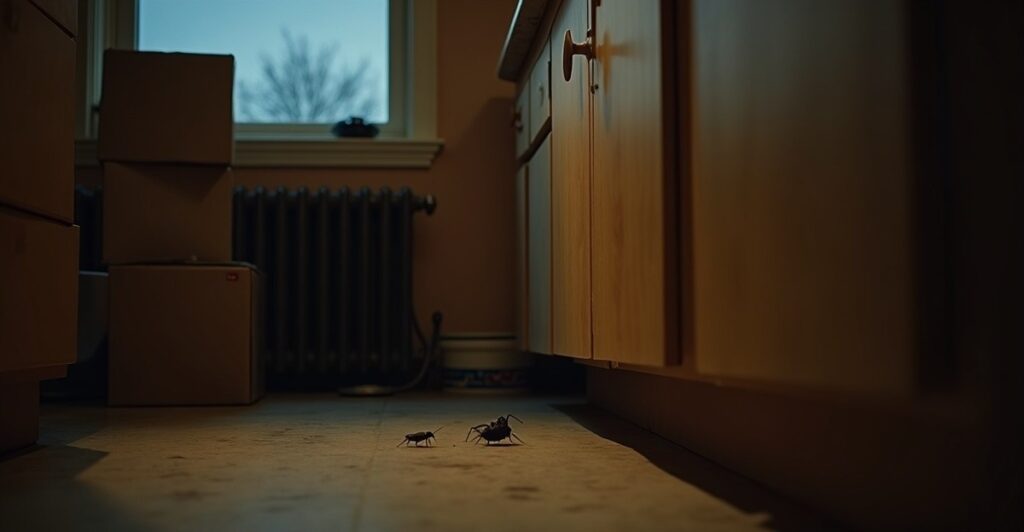
Cockroaches enter homes in Eastern Idaho for three main reasons—food, water, and shelter. These factors explain why they appear even in clean, well-kept houses. We see activity increase as indoor heat rises during colder months. Plumbing moisture, indoor humidity, and small structural gaps create ideal conditions for roaches to settle and reproduce without notice.
Key Takeaways
- Cockroaches look for steady food, moisture, and shelter, and once they find them, they stay.
- Leaks, condensation, pet food, cardboard storage, and crumbs behind appliances draw roaches indoors.
- Small cracks, gaps around doors and utility lines, drains, and transported items like boxes or used appliances give them easy access.
- Frequent daytime sightings, droppings that look like coffee grounds, egg casings, and musty odors point to a growing infestation.
- We recommend sealing entry points, lowering moisture levels, storing food in airtight containers, and reducing clutter to prevent activity. Ongoing problems call for professional inspection and treatment.
The Real Reasons Roaches Show Up in Your Home
Cockroaches come inside for three simple reasons: food, water, and shelter. Once those needs are met, they stay.
That explains why cockroaches enter homes across Eastern Idaho every year. Kitchens, bathrooms, and basements offer steady moisture, warmth, and access to crumbs or pantry goods. Even clean homes in Idaho Falls, Twin Falls, Pocatello, Rexburg, and Rigby deal with this issue. Access and environment matter just as much as tidiness.
We often hear about sudden roaches in kitchen cabinets or one scrambling across the bathroom floor late at night. These sightings feel random, but they aren’t. What attracts cockroaches usually hides in plain sight: a leaky pipe under the sink, pet food left out overnight, cardboard boxes stacked in a basement.
Colder months also play a big role. As outdoor temperatures drop, roaches look for stable shelter indoors. Idaho winters push them toward heated structures where food and water remain available. Understanding why cockroaches come inside helps us respond calmly and take practical steps before a small issue turns into a larger one.
What Attracts Cockroaches Most Inside Eastern Idaho Homes
Cockroach infestation causes almost always trace back to accessible food, moisture, and shelter. Cleanliness helps, but sealing entry points and reducing moisture often make the biggest difference.
Food Sources That Draw Roaches In
Roaches eat almost anything organic. Grease splatter behind a stove, crumbs tucked beneath a refrigerator, or open cereal boxes can support an entire population.
High-concern areas include roaches in kitchen cabinets, under appliances, and inside pantries. Cardboard food packaging gives them both food residue and a place to hide. Pet bowls left out overnight create easy feeding opportunities. Even small spills we can’t see can sustain them.
For a deeper look at common cockroach infestation causes, it helps to consider how often food goes unsealed or unnoticed.
Moisture and Shelter They Depend On
Water is often the deciding factor. Plumbing leaks under sinks, refrigerator condensation lines, and standing water in basements all attract roaches. Humid bathrooms offer reliable moisture, especially in homes with limited ventilation. We’ve also seen irrigation systems near foundations raise soil moisture and make entry easier.
Basements and crawl spaces in Eastern Idaho homes provide steady shelter. Clutter, cardboard boxes, wall voids, and storage areas create protected nesting spots. Seasonal shifts compound the problem. When cold weather hits, roaches move indoors for warmth and consistent humidity.
Many homeowners are surprised to learn that bugs can survive in clean homes. Accessibility matters as much as housekeeping. Reducing clutter and sealing gaps often has more impact than deep cleaning alone.
Bathrooms and basements deserve special attention. If moisture lingers, issues like bugs in the bathroom or basement pests tend to follow.
How Cockroaches Get Inside in the First Place
Roaches don’t appear out of nowhere. They enter through structural gaps and everyday items that move between locations.
Small cracks in foundations, gaps around windows or doors, and openings around utility lines give them entry. Garage thresholds often leave just enough space for insects to slip through. In some cases, pests also travel through plumbing systems, which explains concerns about whether pests can come through drains.
Multi-unit buildings present added risk. Shared walls and common utility lines allow roaches to move between apartments. A neighbor’s untreated issue can quickly become a shared one.
Grocery bags, used appliances, and storage boxes sometimes transport roaches inside. Cardboard is especially attractive. Rural and agricultural proximity in Eastern Idaho increases exposure as well. Outbuildings, grain storage, and barns create nearby breeding grounds that push insects toward warmer structures.
Commercial settings carry higher risk. Restaurants, warehouses, and food-service businesses manage frequent deliveries, food storage, and grease buildup. Those conditions raise the likelihood of activity without strong sanitation and inspection routines. In these environments, ongoing monitoring through commercial pest control plans helps maintain stability.
Early Signs You May Have a Growing Infestation
An occasional roach doesn’t always mean a full infestation. Repeated sightings, however, tell a different story.
Seeing roaches during the day often suggests a larger population competing for space. Cockroaches prefer darkness. Daytime activity can indicate overcrowding behind walls or beneath appliances.
Droppings resemble ground pepper or coffee grounds. These often appear in drawers, along cabinet edges, or near baseboards. Egg casings, called oothecae, may turn up behind refrigerators or inside pantry shelves. A musty or oily odor in enclosed areas can also signal an established presence.
The difference between one stray roach and a developing infestation comes down to frequency and evidence. If multiple signs show up across rooms, it’s time to act. Early intervention makes treatment simpler and more effective.
A Practical Prevention Checklist You Can Start Today
Consistent habits reduce risk and limit what attracts cockroaches. Start with these practical steps:
- Store food in sealed containers and wipe kitchen surfaces nightly.
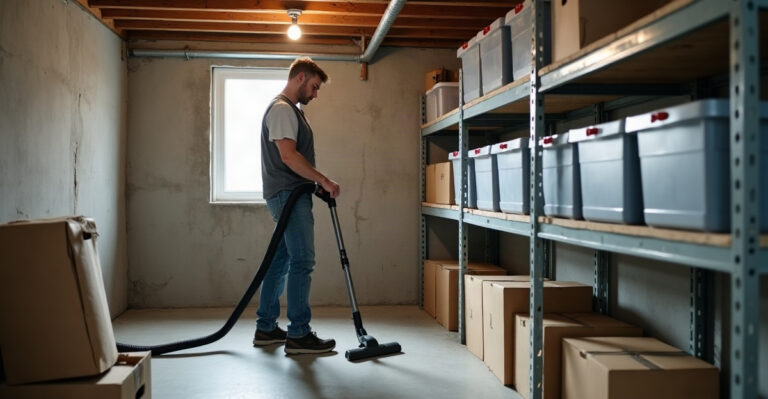
- Vacuum and sweep regularly, especially under appliances and inside cabinets.
- Fix plumbing leaks promptly and eliminate standing water.
- Seal cracks and gaps around doors, windows, and foundation lines.
- Remove cardboard clutter and organize storage areas.
- Keep pet food sealed and avoid leaving it out overnight.
- For commercial kitchens, maintain strict cleaning schedules and manage grease buildup carefully.
Prevention lowers the chances of activity. Still, established infestations often require more than surface cleaning. Roaches hide deep in wall voids and behind structural elements. In those cases, professional solutions through cockroach control services provide targeted treatment that reaches concealed areas.
When It’s Time to Call a Local Professional
Recurring sightings despite steady cleaning efforts signal a deeper issue. Discovering egg cases or droppings in multiple rooms confirms that roaches have settled in. Repeated roaches in kitchen areas deserve prompt attention.
Multi-unit housing and restaurants often require coordinated strategies. Do-it-yourself methods rarely solve widespread activity in these environments. A full inspection identifies entry points, nesting sites, and contributing factors that aren’t visible at first glance.
Professional treatment ensures safe application around children and pets while addressing the root problem. We focus on thorough inspections, targeted solutions, and steady follow-up. Our approach stays calm and practical. Families and businesses across Eastern Idaho trust us for residential pest control and ongoing support.
If uncertainty remains about whether the issue is small or expanding, scheduling an inspection brings clarity. A quick conversation through our contact page helps determine the right next step and restores peace of mind.