Why Are Wasps Nesting on My Porch?
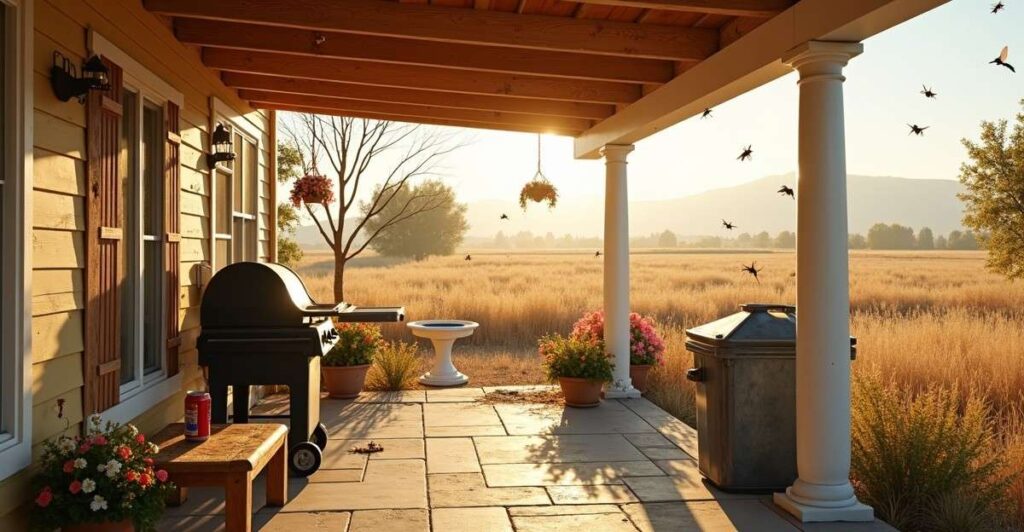
Wasps often build nests near homes in Eastern Idaho, especially around porches, due to the region’s sunny, dry climate and an abundance of covered outdoor spots. These areas give queen wasps the shelter, nearby food, and structural features they need to start new colonies each spring.
Key Takeaways
- Porches attract wasps because they offer protected, steady surfaces for building nests—such as eaves, beams, and overhangs—a nesting preference documented by university entomology experts.
- Food — including leftovers from grills, sweet drinks, uncovered garbage, and blooming plants — can draw wasps to your space.
- Their presence usually starts in early spring and reaches its highest point by late summer, when nests expand and wasps become more territorial, as explained in seasonal wasp lifecycle guidance from extension services.
- Watch for visible paper-like nests, frequent wasp flight in one zone, or a soft buzzing near siding or soffits.
- Call in professionals if nests get big, sit near walkways or entry points, or if wasps begin acting aggressively.
What Attracts Wasps to Your Porch in Eastern Idaho?
Eastern Idaho’s landscape and weather patterns make it a prime spot for wasps. Dry, warm summers paired with wide open areas and residential communities give these insects plenty of reasons to settle near homes. Around porches and rooflines, it’s common to see wasps scouting for nesting spots once the temperatures start rising.
We often hear folks ask, “Why are wasps on my porch?” The truth is, porches offer a stable, sheltered space that ticks off many boxes for a queen wasp looking to start a colony in late spring. Once she finds a good spot under an eave, beam, or ceiling corner, she’ll begin building. By mid to late summer, that small paper nest can grow significantly as worker wasps join the effort.
Main Reasons Wasps Choose Your Porch
There are several common draws that might be encouraging wasps to stick around—and many of them are right outside our front or back doors. Here’s what we’ve found to be the biggest attractants for wasps near home:
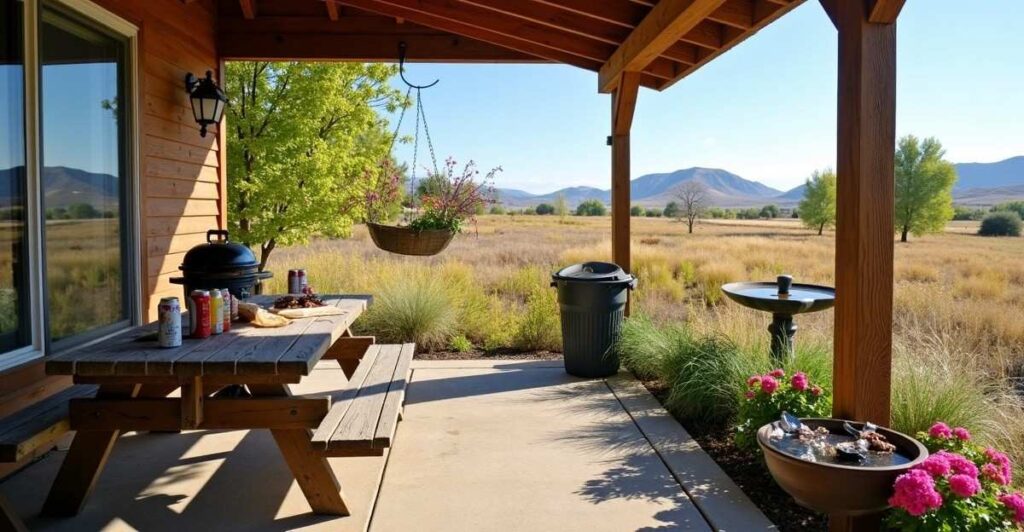
- Sheltered areas: Overhangs like porch ceilings, eaves, beams, railings, and even outdoor furniture create well-protected spaces that keep nests dry and safe from wind. These are favorite locations for building paper nests.
- Sugary food and drink: Open cans of soda, juice, or leftover treats from a backyard barbecue can lure wasps quickly. Wasps love sweet substances, especially as summer progresses and their colony matures.
- Grills and outdoor eating spaces: Bits of meat, grease, and food particles around grills can be especially appealing in spring and early summer when wasps crave protein to feed their young.
- Open trash bins: Unsealed or overflowing outdoor garbage bins are like a buffet, particularly those containing fruit peels, meat scraps, or sugary leftovers.
- Flowering plants and gardens: Gardens full of blooming flowers attract wasps hunting for nectar. Native plants, fruit-bearing shrubs, and hanging baskets near porches can increase activity.
- Standing water: Birdbaths, pet bowls, or even puddles give wasps a place to drink. If the water source stays in the same spot, wasps may return regularly.
Wasp Season in Idaho: When to Watch Closely
Wasp activity in Idaho follows a predictable seasonal cycle. Understanding that pattern makes it easier to control nesting early, before a small issue becomes a bigger concern.
- Spring: This is the start of wasp season in Idaho. As temperatures rise, queen wasps emerge from their winter hiding places, often inside wall voids or tree bark, a behavior outlined by entomology extension programs. This is the best time to stop wasps before nests grow.
- Late Spring to Summer: Nest-building begins in late spring. By mid-summer, wasps become more aggressive as their colonies grow. They’ll expand the nest and increase their foraging—bringing them into regular contact with food and water sources near homes.
- Fall: Activity slows down, but wasps can become more erratic as they search for sweets and face the end of their lifecycle. Some may attempt to overwinter in attics or sheds.
Staying a step ahead can make a big difference. During early spring inspections, look for small papery starts to nests in hidden corners under your porch. Removing them early helps prevent a larger colony from forming.
If wasps keep returning, or if nests are already active, our team can step in to help. We use proven techniques to remove nests safely and reduce the conditions that help them thrive. Learn more about our full wasp and hornet control services right here.
Regular upkeep—including cleaning food spills, securing garbage containers, and trimming back flowering plants—can also cut down on wasps nesting around the house. For comprehensive help that covers more than just wasps, our residential pest control plans are built with Idaho homes and seasons in mind.
Understanding Wasp Behavior: Why They Choose Your Home
Wasps nesting around a house is a common sight in Eastern Idaho, especially as the weather warms up. We see this most often with paper wasps and yellow jackets. These species tend to build nests on porch beams, in eaves, rafters, sheds, and outdoor furniture—anywhere that offers a blend of shelter and structural support. These spots give the nest protection from wind and rain while keeping it close to potential food sources.
Wasps are driven by biology more than anything else. In spring and early summer, their goal is to build and expand their nests. Queen wasps look for quiet, protected places to lay eggs, and human-built structures provide just that. As the season continues, their priorities shift slightly, but the key needs remain the same:
Factors That Attract Wasps to Your Porch
The following conditions often encourage wasps to nest near or on homes in Idaho:
- Shelter from the elements – Covered porches, soffits, and overhangs offer safety from storms and wind.
- Nearby food sources – Flowering plants, compost bins, open trash, or even barbecues can attract foragers.
- Water access – Bird baths, leaky faucets, or pet bowls give wasps what they need for nest cooling and care.
- Few natural predators – Residential areas tend to be less threatening than forests or open fields.
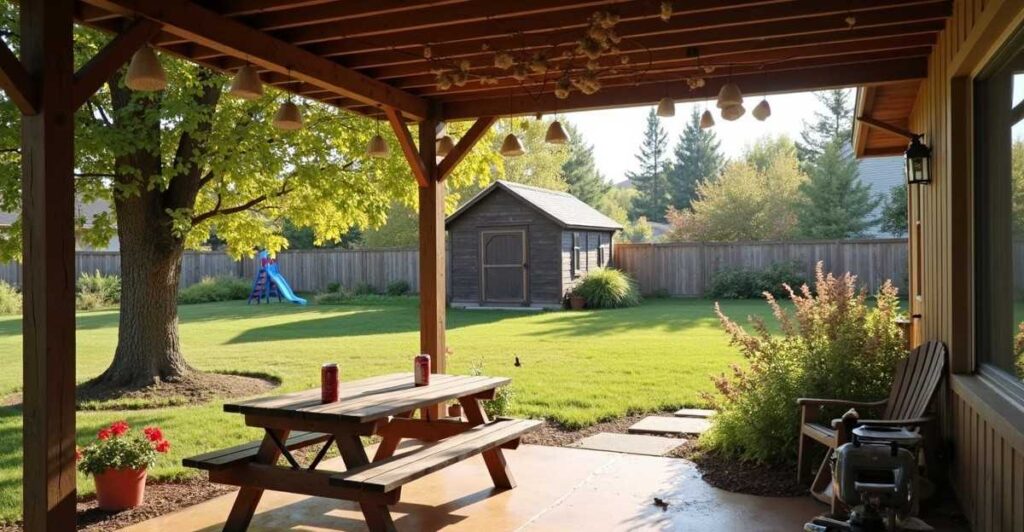
In late summer and early fall, we notice a change in behavior. Wasps become more aggressive. That’s because their nests are fully developed, and the colony is focused on protecting the queen and the last of the season’s brood. Food sources like nectar and protein are drying up, so they start scouring wider areas—even your soda cans and picnic tables—seeking out sugars and fats.
This late-season activity catches many people by surprise. A nest that went unnoticed all summer can suddenly lead to stings in September. That’s why ongoing monitoring matters, especially in areas where wasps have nested before. Some queens return to familiar areas each year if they find favorable conditions.
In Idaho, wooden rafters, aging garages, and even play structures are common trouble spots. We regularly help homeowners who discover nests tucked into corners they walk by every day. If you’re noticing increased activity or have discovered a paper-like nest on your home, it’s time to check in with local experts. Our Eastern Idaho wasp control team can safely remove current nests and create barriers to prevent future ones.
We always stress that handling wasps isn’t just about removal—it’s about understanding what brought them there in the first place. Our inspections focus on long-term solutions, not just quick fixes. If you’d like help identifying wasp-prone areas around your property, our residential pest control services are built with that care in mind.
Is a Wasp Nest Dangerous? Know the Signs and the Risks
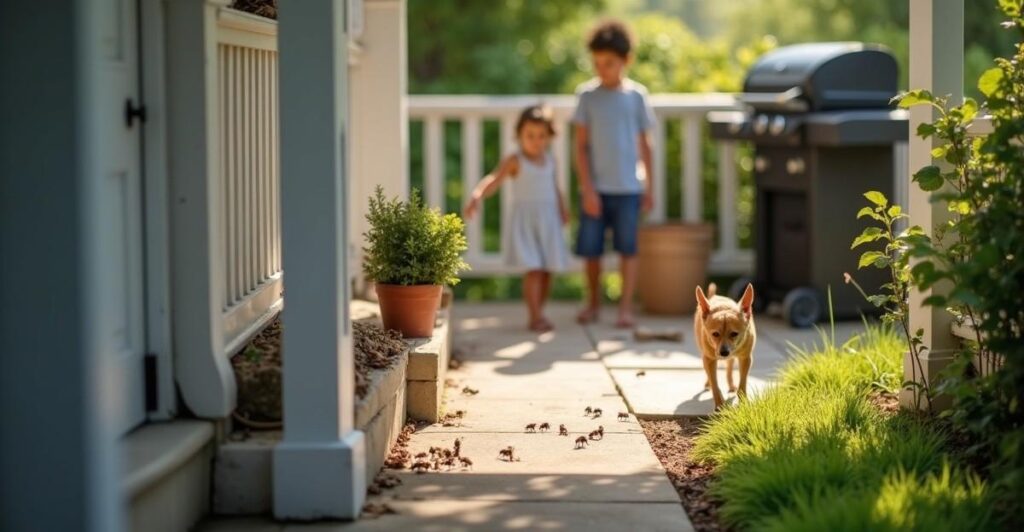
Wasp nests around porches or near entryways raise valid concerns—and with good reason. Some species grow more aggressive later in the summer and into fall, especially when food gets scarce and the colony’s numbers peak. That’s when we’re more likely to see defensive behavior, particularly if someone gets too close.
Wasp stings can be quite painful, but for some, they’re a serious risk, according to public health guidance on insect sting reactions. Children, pets, and anyone with insect sting allergies are especially vulnerable. Even a single sting can trigger severe reactions in allergic individuals, and multiple stings may cause issues for even those without allergies. If the nest sits near a door, mailbox, or gathering spot, the risk of unplanned encounters increases.
Where Wasps Like to Nest
Spotting the early signs can help us stay ahead of a larger problem. Wasps look for sheltered locations that offer good cover and access to open space. Keep an eye out in some of their favorite areas:
- Beneath porch ceilings or overhangs
- Inside deck joints or under patio furniture
- In eaves, attic vents, barn rafters, or cluttered sheds
- Corners of windows or door frames
The nests themselves may look dome-shaped or like smooth, grayish paper. Depending on the species, they can hang freely or attach to wood and other materials. Frequently seeing wasp traffic flying in and out of the same spot almost always points to a nearby nest. If we notice that kind of pattern, especially along rooflines or sheltered porch corners, there’s a good chance nesting wasps are setting up shop.
Recognizing the Signs of a Nest
Not all nests start large. By the time one becomes easily visible, it’s likely been growing for several weeks. Look for early clues that help us act before the colony expands.
Here’s what to watch for:
- A visible gray nest, often with a papery texture and a round or cone shape
- Wasps flying in a loop back to a specific point—especially if it repeats over days
- Increased wasp numbers in one area, such as near the grill or patio door
- A low, steady humming or buzzing sound coming from soffits or siding gaps
Even a small nest can house dozens of wasps. By fall, that number might rise to hundreds if left alone. These insects fiercely defend their space, especially once the queen has laid eggs and the colony’s activity ramps up. That’s where safe removal becomes critical.
If we spot any of these signs and think wasps may be settling in, visiting our wasp and hornet control service page is a good next step. We’re here to help assess the risks and take care of the problem safely. Sometimes that means removal, sometimes it’s preventive treatment—but we’ll always guide the best solution with your family’s comfort in mind.
What to Do When You Spot a Wasp Nest
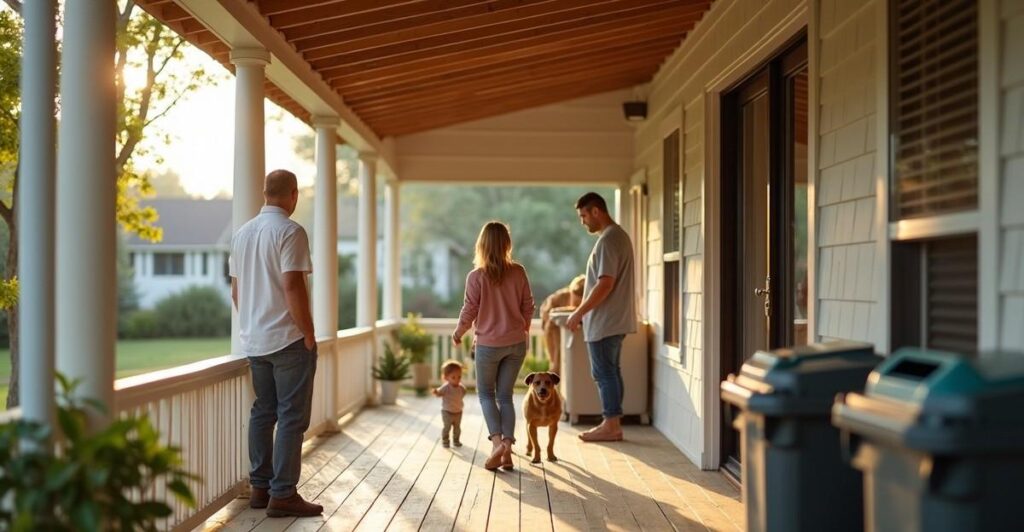
Spotting a wasp nest on the porch can catch anyone off guard, but staying calm is one of the most important things we can do. Wasps can become defensive if they sense quick movement or vibration nearby. Here’s how we prepare and protect our homes and families while we wait for professional help.
Stay Safe with These First Steps
Until help arrives, there are a few actions we should take right away to minimize risk and avoid stirring up the hive:
- Stay calm and move slowly: Sudden motions or swatting can make wasps defensive.
- Keep a wide distance: Observe the nest from afar. Don’t try to poke or knock it down.
- Keep kids and pets away: Curious little ones—or pets sniffing around—can easily provoke wasps.
- Secure any outdoor food or drinks: Open containers attract more insects.
- Cover or move pet dishes indoors: Wasps will check out food and water bowls.
- Close nearby windows or doors: This discourages wasps from moving indoors.
- Bring in trash bins if possible: Wasps are drawn to sugary and protein-filled garbage.
These small changes help reduce nearby activity that might make the nest feel threatened.
Trying to remove a nest ourselves—especially near doors, porches, or areas with regular foot traffic—can be risky. Even a store-bought spray might not fully eliminate the problem and often stirs up aggression. Unless the nest is completely dormant and far from where people gather, it’s better to leave things to experienced professionals.
If we’re wondering how to keep wasps from building nests on my porch or keep wasps away from house spaces long-term, one of the most effective strategies is prevention. Keeping the area clean, sealing up any holes or gaps under soffits and eaves, and calling in local experts can make a huge difference.
For peace of mind and safer solutions, we handle fast, accurate removal with an emphasis on prevention. We know exactly how to approach nests without putting families at risk. Learn more about our approach to safe wasp removal in Idaho.
Above all, trust that this can be handled. The key is not rushing it. We’re here to make the process safe and simple—without putting anyone in harm’s way.
When It’s Time to Call a Professional
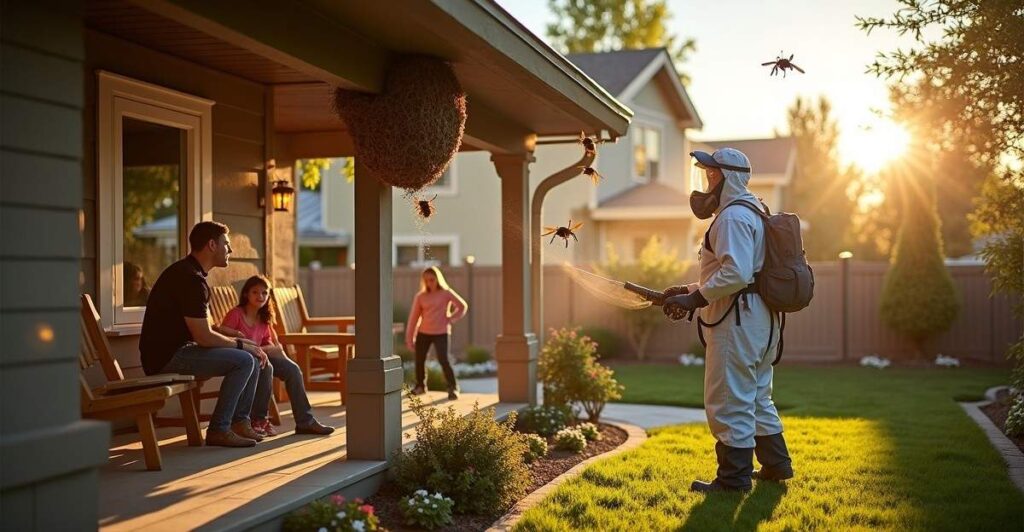
Some wasp problems are more than a nuisance—they’re a real safety concern. If a nest is growing larger, getting close to doors or windows, or you’re seeing more aggressive behavior, it’s time to let trained professionals step in.
Situations That Call for Expert Help
Handling a few wasps flying around is one thing. But certain signs tell us that it’s no longer a simple situation.
Here’s when to call an exterminator for wasps:
- A nest is bigger than a softball or keeps growing quickly
- Wasps are nesting near high-traffic areas like porches, doors, or play sets
- You’re finding more than one nest around the home or outbuildings
- Wasps seem aggressive or fly directly at people and pets
- DIY sprays or traps haven’t made a difference
Multiple nests or persistent activity can signal that your property offers an ideal spot for wasps—something professionals can help change.
Why Professional Help Matters
Our team brings more than removal—we provide peace of mind. Wasps vary widely in behavior, from relatively docile mud daubers to highly defensive species like yellowjackets. Knowing what we’re dealing with allows us to use a safe and effective plan.
Here are a few reasons folks count on professional pest control in Idaho Falls:
- We identify the species so we know how best to approach it
- Removal is done using proven methods that protect pets and people
- We look for contributing factors—like open soffits or easy food sources
- You’ll get prevention tips built from real local experience
- Local teams like ours can address follow-up issues quickly if needed
We don’t just take away the nest—we help set your porch or yard up to stay wasp-free season after season. If necessary, we can schedule recurring inspections or recommend long-term protection plans through our residential pest control services.
Fighting wasps with store-bought sprays may seem like a quick fix, but larger colonies or recurring nests often require more than that. Our trained experts use tools and protective gear to handle nests safely, and we work quietly and cleanly so your daily life isn’t disrupted.
If you’re seeing wasps around your home or porch in Idaho Falls or surrounding areas, Falls Pest Services is here to help. We’ll take care of the problem so you can enjoy your space again without worry.
Why Falls Pest Services Is the Smart Local Choice
We live and work right here in Eastern Idaho, just like you. That means we don’t just understand wasp problems—we see them on decks, eaves, garages, and porches every season. Our team is trained to recognize the patterns these pests follow in our specific climate. We know which times of year they’re aggressive, which materials attract nest building, and how quickly a small hive can turn into a risky situation. Local experience matters when dealing with outdoor spaces, rural properties, and unique weather swings that other national services may overlook.
We Bring Calm, Local Know-How to Wasp Removal
There’s nothing pleasant about discovering wasps on your porch. But you don’t have to handle it alone, and you definitely don’t need scare tactics or rushed decisions. We work calmly, safely, and quickly—focused on smart removal and real prevention. Our trained professionals take the time to explain exactly what’s happening and why those wasps might’ve chosen your home.
Here’s how we approach things:
- We assess the nest placement and surrounding environment to determine why it’s appealing to wasps.
- We remove the nest safely using EPA-approved treatments designed for use around your family and pets.
- We apply follow-up control methods geared toward long-term deterrence, not just temporary relief.
- We help you identify simple changes that can reduce future wasp activity, such as securing wood materials or sealing porch gaps.
Eastern Idaho wasp control isn’t about one-size-fits-all treatment. We adjust our strategy based on your structure, surrounding vegetation, and predictable patterns we’ve seen season after season. It’s that combination of professional pest control and small-town care that sets us apart.
Honest Service From a Team You Can Count On
Choosing someone to protect your home should feel comfortable—not like you’re being sold to. That’s why we operate without pressure or gimmicks. We answer questions plainly. We lay out practical next steps. And whether we’re removing a small starter nest or addressing a larger issue, we do it with respect for your time and property.
If you’ve been hearing buzzing under the eaves or noticing wasps flying around your porch, we’re ready to help. Our safe wasp removal Idaho services focus on quick response and solutions that last.
It’s also helpful to know we’re fully licensed, and every job is handled by service professionals trained right here in Idaho. You won’t get shuffled between departments or have to wait days for answers. We follow up after every job to make sure you’re taken care of, and we stick around if more help’s needed.
Choosing a pest service shouldn’t add more stress to the situation. With Falls Pest Services, you get honest work with a neighborly feel—and the confidence that your porch will stay wasp-free long after we leave. For folks needing dependable professional pest control in Idaho Falls, we’re proud to be the trusted choice.
Frequently Asked Questions
Wasps nest around houses because they find shelter, food, and stable surfaces nearby. Areas like eaves, porches, siding gaps, and deck beams protect nests from wind and rain. Open trash, outdoor meals, flowering plants, and water sources further attract them, making homes ideal locations for starting and growing colonies.
Yes, recurring wasp nesting is common if conditions stay favorable. While old nests aren’t reused, new queens often return to areas with good shelter and food access. If gaps, overhangs, or attractants remain unchanged, wasps may continue nesting around the house each spring and summer.
Wasps typically begin nesting in early to mid-spring as temperatures warm. A single queen starts building a small nest, which expands rapidly by summer. Activity usually peaks in late summer when colonies are largest and most defensive, making early detection and prevention especially important.
Wasp nests can be dangerous, particularly near doors, porches, or walkways. As colonies grow, wasps become more territorial and may sting if disturbed. This poses higher risks for children, pets, and individuals with allergies, making nests around living spaces a safety concern.
The best way to prevent wasps from nesting is to remove attractants and block nesting spots. Seal cracks, clean food spills, secure trash bins, and limit standing water. Regular inspections in spring help catch small nests early, and professional treatment may be needed for ongoing problems.