Why Are Bugs Attracted to Light?
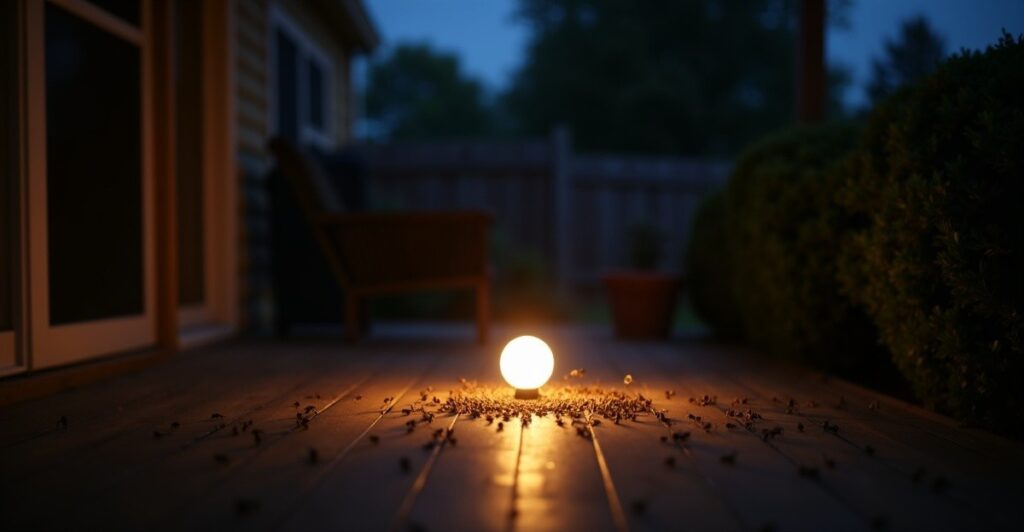
Bugs swarming outdoor lights go beyond being a warm-weather hassle. They’re reacting to instincts such as phototaxis—a behavior that causes some insects to move toward light. Artificial lights, particularly bright or cool-white ones, can interfere with their sense of direction and lure them in.
Key Takeaways
- Some insects fly toward light because of positive phototaxis, while others stay away entirely.
- Bright, cool-toned bulbs—like incandescent or halogen—draw more insects than warmer LEDs or yellow-tinted “bug lights.”
- Many bugs cluster around lights because they confuse them for natural sources like moonlight or sunlight.
- Small adjustments—like installing motion-activated lights or changing bulb types—can cut down on bug activity near your home at night.
- Warmer seasons, especially in places like Eastern Idaho, bring more bugs to outdoor lights due to increased insect movement.
What’s Really Going On When Bugs Swarm Outdoor Lights?
Bugs gathering around porch lights or streetlamps aren’t being nosy—they’re responding to a natural behavior called phototaxis, a well-documented light-response behavior in insects. That’s just a term for how some creatures react to light. When insects like moths or beetles move toward light, that’s called positive phototaxis. Others, like cockroaches, actively avoid it—which is negative phototaxis.
Many flying insects use natural light like the moon to guide their movement at night, a navigation strategy researchers have studied extensively in nocturnal insects. But artificial lights—especially overly bright or blue-toned ones—confuse their system. Instead of flying straight, they can begin to circle light bulbs in a disoriented spiral.
Some insects that are typically active during daylight hours may also be drawn to bright lights that remind them of the sun. That’s why even non-night insects may appear under porch bulbs after dark.
Still, not all bugs are attracted to light. And many that are—like small moths or midges—are harmless. Seeing a few near your porch light doesn’t mean you’ve got a pest crisis. It’s often just a natural side effect of outdoor lighting.
Which Lights Attract Bugs the Most (and Which Ones Don’t)
Some lights act like an open invitation for bugs, while others are less appealing. What makes the difference? Mainly the type of bulb, how much heat it gives off, and its color temperature.
Here’s a simple comparison of common light types:
- Attract the most bugs:
- Incandescent bulbs (older-style, warm but very hot)
- Halogen bulbs (very bright, high heat)
- Compact fluorescent lights (CFLs) with cooler tones
- Attract fewer bugs:
- Warm-colored LED bulbs (emit less heat and light in the blue spectrum)
- Yellow “bug lights” (specially tinted to avoid attraction)
- Sodium vapor bulbs (often used in street lighting, unattractive to most insects)
Cooler color temperatures emit more shortwave light, often in the blue or ultraviolet range—wavelengths many insects are especially sensitive to. These cooler white or blue lights practically glow like a beacon. That explains why a cool white porch bulb in Rexburg may attract far more nightly visitors than a softer amber one.
Quick Fixes: Easy Ways to Reduce Bugs Around Your Outdoor Lights
We don’t always need to replace every bulb or overthink outdoor setups. But a few simple adjustments often make a big difference in making evenings more comfortable.
Here are some no-nonsense changes we recommend to reduce swarming bugs:
- Swap out regular bulbs for warm-hued LED or yellow “bug” lights.
- Move lights farther from entry doors or patios where people gather.
- Install motion sensor lights so bulbs aren’t lit all night long.
- Use outdoor light timers to keep lights off during low-traffic hours.
- Keep the area around lights clean and dry to avoid insect breeding spots.
These fixes aren’t universal, but they can make a noticeable improvement—especially during summer months when insect activity is at its peak. If you’ve been wondering how to keep bugs away from outdoor lights, these steps offer safe and practical starting points.
When More Than Gnats Show Up: Signs It’s Time to Call a Pro
Bug activity near outdoor lights is common. But if the numbers become distracting or aggressive pests appear—like stinging insects or biting flies—it may point to a rising pest problem on your property.
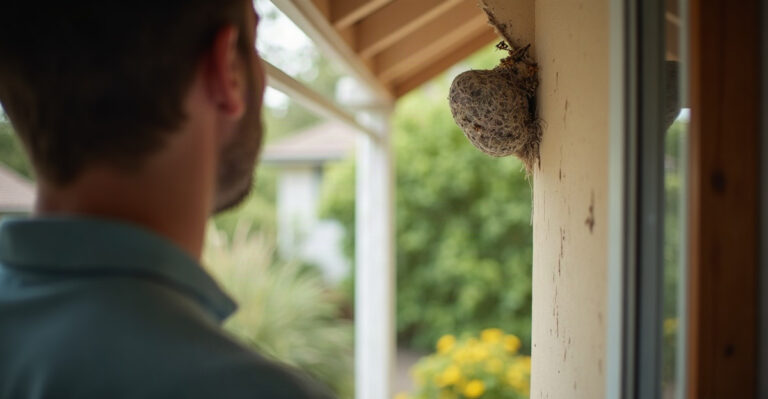
We often hear concerns about wasps hovering near porch lamps or flies sneaking into entryways. Light may not be the direct cause, but it can draw them closer, allowing insects to find cracks or openings into your home.
In Eastern Idaho, pest pressure usually rises in late spring and stays high through early fall, especially in places like Pocatello and Idaho Falls. If bugs begin entering your home or if outdoor swarms grow especially large, it’s worth checking into.
If you’re in Idaho Falls or nearby and your bug issue is getting more serious, a local pest expert like Falls Pest Services can help assess the situation without any scare tactics or pressure. We keep things simple and solve what needs solving—nothing more.
Local Know-How: How Idaho’s Seasons Affect Bug Activity
Bug swarms near outdoor lights become most noticeable from May through September in eastern Idaho. As things warm up, insect movement increases—especially around dusk.
Once temperatures consistently stay around 65°F or higher in the evenings, we start seeing more moths, beetles, mosquitoes, and midges drawn to porch, patio, or parking area lights. It’s a pattern locals know well. Whether it’s a patio dinner in Rigby or a restaurant entrance lit late in Twin Falls, bright evening lights tend to bring in winged company.
It helps to remember: this seasonal behavior is predictable, and most of it is normal. Reducing attraction through smart lighting choices makes a big difference, especially when pest conditions climb mid-summer.
Straightforward Answers to Common Bug-Light Questions
Here are a few of the most common questions we hear about insects and lights:
Do LED lights attract insects?
→ Less than older bulbs like incandescent or CFLs. Warm, yellow-toned LEDs tend to attract the fewest bugs.
What kind of light repels bugs?
→ While no light repels insects outright, amber or sodium vapor lights attract far fewer than cool white or blue LEDs.
Are bugs near lights dangerous?
→ Most aren’t. A few moths or small flies swarming a bulb aren’t a threat. However, large volumes or the appearance of stinging pests near lights could suggest it’s time to reassess your setup—or check for other pest signs.
Summer brings its fair share of activity around lights, but it doesn’t have to ruin your evening routine. Making a few lighting updates often goes a long way. And if peace of mind is what you’re after, even a quick chat with a local professional can help. Feel free to reach out—we’re happy to take a look and offer advice.
Frequently Asked Questions
Bugs are attracted to outdoor lights because many insects exhibit positive phototaxis, meaning they naturally move toward light sources. Artificial lights can disrupt how insects navigate using moonlight or sunlight. Bright or blue-toned lights are especially confusing, causing insects to circle or linger near bulbs instead of flying in a straight path.
Yes, LED outdoor lights generally attract fewer bugs than incandescent, halogen, or CFL bulbs. LEDs emit less heat and can be made in warmer color temperatures that reduce blue and ultraviolet light. Warm white or amber LEDs are less visible to many insects, making them a better choice for minimizing bug activity around homes.
Yellow, amber, and warm white lights attract the fewest bugs. These colors produce longer wavelengths of light that insects don’t see as easily. In contrast, cool white or blue-toned lights emit short wavelengths that insects are highly sensitive to, which is why they tend to draw more bugs at night.
Yes, simple lighting changes can significantly reduce bugs around outdoor areas. Switching to warm-colored LED or yellow bug lights, using motion sensors, and placing lights away from doors can limit how long and where insects gather. These steps reduce attraction without affecting safety or visibility.
Yes, increased bug activity around outdoor lights is normal during warmer months. As temperatures rise, insects become more active, especially at dusk and night. Outdoor lights become gathering points during this time, particularly from late spring through early fall when insect populations are at their peak.