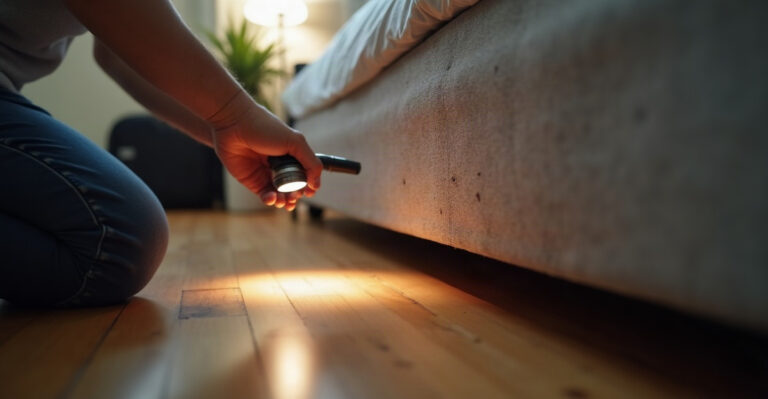
Why Clover Mites Enter Homes?
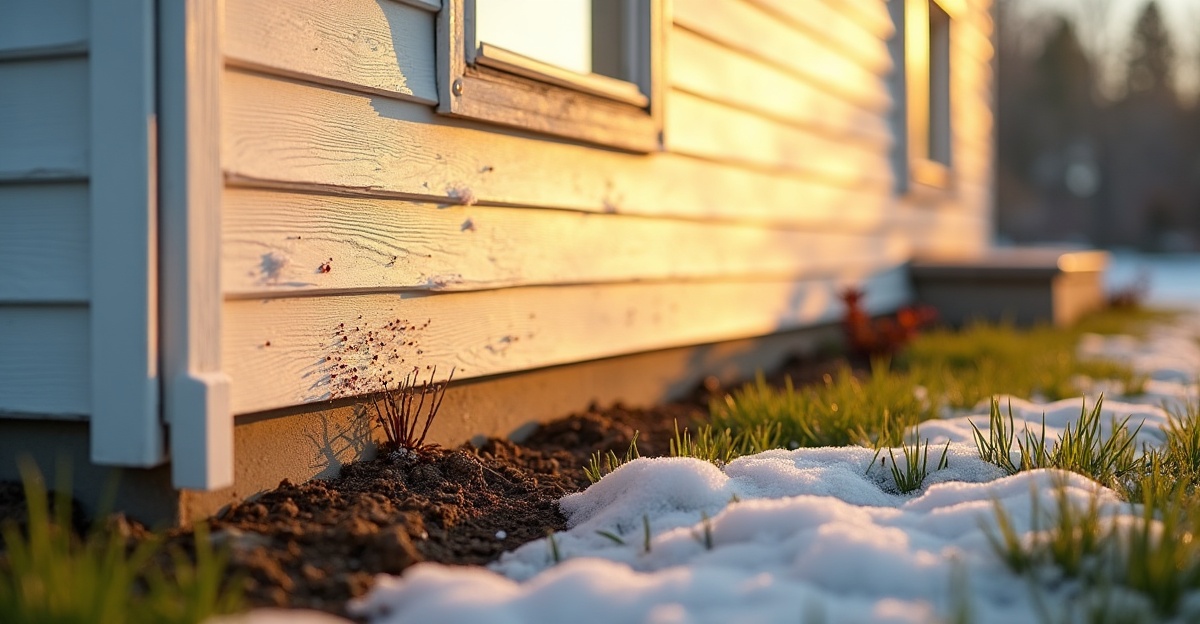
Homeowners across Eastern Idaho often ask why clover mites come inside, especially when they appear at once on sunny walls during spring temperature swings. We see uneven warm days, cool nights, snowmelt, and fresh plant growth drive these nuisance mites from lawns and sun‑heated siding toward small gaps around foundations, windows, and doors. Rapid temperature shifts push them to search for stable surfaces. Sun‑exposed walls attract them first. Small cracks and crevices then give them a pathway indoors.
Key Takeaways
- Clover mites migrate indoors during spring due to shifting temperatures, moisture changes, and rapid vegetation growth.
- They gather on sun-facing walls and enter through tiny cracks around foundations, windows, doors, and utility lines.
- Clover mites do not bite, spread disease, or cause structural damage, but crushing them can leave red stains.
- Reducing vegetation against the foundation and sealing exterior gaps helps prevent indoor movement.
- Exterior-focused prevention or professional perimeter treatments address the source rather than just indoor sightings.
What It Means When You See Clover Mites on Walls in Spring
Clover mites are one of the most common seasonal mites we see in Eastern Idaho each spring. They often appear suddenly in large numbers, especially as clover mites on walls, windowsills, sliding glass doors, and sun-facing exterior walls.
This activity usually follows spring temperature swings. Warm afternoons paired with cool nights create perfect conditions for mites to move. Many homeowners first notice them clustered on bright, sunny sides of the home.
Although a spring mite infestation feels alarming, clover mites are nuisance pests. They do not bite. They do not spread disease. They do not damage siding, insulation, or structural materials. Our team often directs homeowners to practical information about whether clover mites are dangerous to help ease concerns.
The main issue is cosmetic. When crushed, clover mites leave a noticeable red stain on walls, curtains, trim, and flooring. That stain can be frustrating to clean, which is why proper removal matters.
Seeing mites in spring is common across our region. With the right steps, it’s manageable and preventable.
Why Clover Mites Come Inside During Eastern Idaho’s Seasonal Swings
Homeowners often ask why clover mites come inside in the first place. In Eastern Idaho, climate plays a major role.
Spring here brings uneven temperatures. Days warm quickly in the sun, then drop sharply at night. Those shifts push seasonal mites to look for more stable surfaces. Exterior siding and foundation walls that heat up in the sun become gathering points. As temperatures cool again, mites squeeze into tiny gaps.
Snowmelt and shifting soil moisture also increase mite activity. As the ground thaws and dries, clover mites move upward from lawns and landscaping around foundations.
Food is another driver. Clover mites feed on grass and other vegetation. Early spring growth supports rapid population increases. When exterior surfaces heat up or dry out too quickly, mites migrate from turf areas toward cooler cracks and shaded entry points in homes and businesses.
This combination of warming sun, cool nights, new plant growth, and fluctuating moisture explains why clover mites come inside during a typical Eastern Idaho spring. That same pattern is also why most spring mite infestations taper off once temperatures become consistently hot and dry.
The behavior is predictable. That makes it easier to prevent with the right exterior approach.
How Clover Mites Get Indoors: Tiny Entry Points Around Your Foundation
Clover mites are extremely small. They can move through nearly invisible openings around a structure. When homeowners see clover mites on walls inside, the source is almost always outside.
They commonly enter through:
- Cracks around window frames
- Gaps beneath door thresholds
- Small foundation cracks
- Seams in siding
- Utility line penetrations
Homes with grass, clover, or heavy vegetation against foundations face higher pressure. When we see thick groundcover touching siding, the connection is clear. Mites travel directly from plant material onto exterior walls and then into gaps.
Properties across Idaho Falls, Twin Falls, Pocatello, Rexburg, Rigby, and surrounding rural communities often experience stronger activity. Open landscapes and irrigated lawns support larger mite populations during spring.
It’s important to understand that clover mites do not reproduce indoors. They migrate from outside. Interior sightings signal an exterior population working its way through small openings.
Sealing foundation cracks and reducing vegetation against foundations makes a noticeable difference in reducing migration.
Safe, Practical Steps to Prevent a Spring Mite Infestation
A few focused changes around the exterior of a home can greatly reduce mite pressure. Safe DIY prevention works best when it targets the foundation line.
We recommend these practical steps:
- Create a vegetation-free strip 12–24 inches wide between the lawn and the foundation. This buffer reduces direct migration.
- Trim back grass, clover, and ornamental plants touching exterior siding.
- Seal gaps around windows, doors, and visible foundation cracks with quality exterior caulk.
- Improve drainage and avoid overwatering directly against the home.
This simple buffer zone disrupts the path mites use to reach walls. It also limits the moisture swings that increase seasonal mite activity.
If mites appear inside, use a vacuum instead of crushing them. Crushing leaves red stains that can set into paint and fabrics. Avoid heavy indoor spray use without guidance, especially in homes with children and pets. Indoor spraying rarely solves the exterior source of a spring mite infestation and can create unnecessary exposure.
A calm, exterior-focused approach protects both the household and the structure.
When Professional Treatment Makes Sense
Occasional spring activity is normal. Recurring or heavy infestations year after year may call for professional clover mite treatment.
Exterior perimeter applications, applied safely and responsibly, typically provide better results than repeated indoor cleaning. By focusing on siding, foundation lines, and surrounding turf areas, we address why clover mites come inside rather than chasing them room by room.
Commercial properties often benefit from a coordinated plan. Offices, retail spaces, and medical buildings have larger exterior surfaces and higher visibility concerns. Preventive exterior service keeps mites from clustering around entrances and windows.
Our team at Falls Pest Services focuses on clear communication, transparent pricing, and treatments that fit Eastern Idaho’s climate. We use targeted exterior methods that prioritize safety and long-term management. Property owners who need continued support can learn more about our residential pest control services or review our general clover mite treatment options.
Professional service is about prevention and consistency. Clover mites are not an emergency threat, but repeated spring invasions can be frustrating. A steady exterior plan keeps homes and businesses comfortable year after year.
Common Questions Homeowners Ask About Clover Mites
Do clover mites cause damage?
They do not cause structural damage. They are nuisance pests that create cosmetic issues and may leave red stains if crushed.
Why are they mostly here in spring?
Activity increases during spring temperature fluctuations and early vegetation growth. As conditions stabilize and turn hot and dry, populations usually decline.
Will they go away on their own?
Many spring mite infestations slow down as summer heat settles in. However, exterior populations can return the following year if conditions remain favorable.
Are they harmful to kids or pets?
Clover mites are not known to bite or spread disease. They are considered nuisance pests.
What’s the safest way to remove them?
Careful vacuuming works best. Avoid crushing mites on walls. Limit indoor chemical use unless guided by a professional plan that addresses the exterior source.
Understanding why clover mites come inside helps reduce frustration. Seasonal movement is predictable. With prevention steps and steady exterior management, spring mite issues stay under control throughout Eastern Idaho.