
Do I Need Pest Control in Winter?
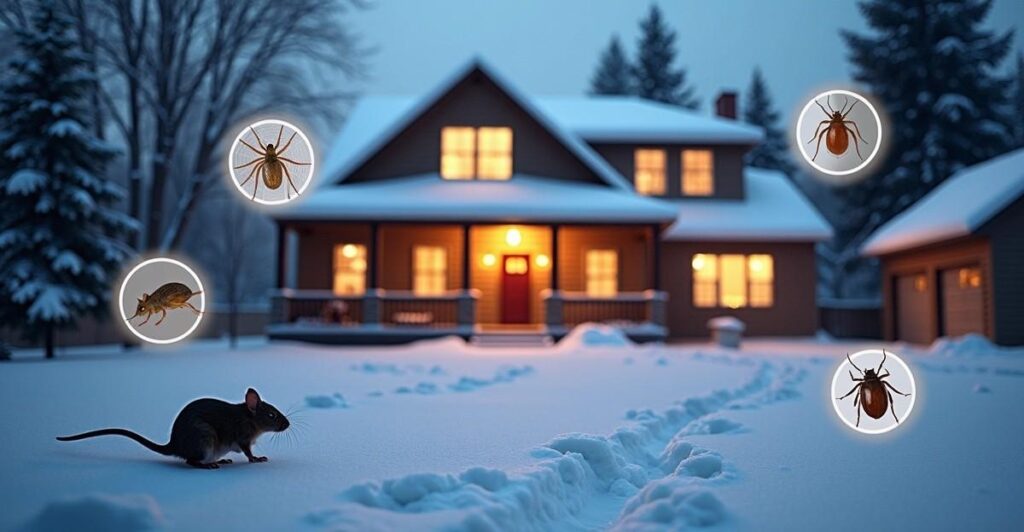
Many pests don’t vanish in winter—they sneak inside, according to guidance from the CDC on rodent behavior in cold weather. Cold drives them to find warmth, shelter, and food. In Eastern Idaho, rodents, spiders, and insects stay active inside walls and attics, often going unnoticed until a major problem shows up in spring.
Key Takeaways
- Indoor pest activity often rises during winter as animals search for heat and food.
- Treating pests in colder months stops their lifecycles and cuts down spring infestations.
- Mice, rats, spiders, cockroaches, and overwintering insects are common winter intruders in Idaho.
- Cold weather provides a solid opportunity for deep inspections and smart prevention steps.
- Buildings with clutter, entry points, or aging insulation face greater risk from hidden pests.

Why Winter Pest Control is More Important Than You Think
It’s easy to believe pests vanish once the cold sets in. That’s one of the most common seasonal pest control myths we hear. While it’s true some bugs slow down in the cold, many pests don’t go dormant — they just go indoors, which is easier to understand once you know What Is the Difference Between a Pest and an Insect.
Rodents like mice, spiders, and even cockroaches often become busier inside homes during winter. They’re attracted to warmth, shelter, and readily available food. Once they’re in, they tend to stick around. That means winter gives pests more time to settle deep into attics, walls, and kitchens — places that are harder to inspect during the busy spring months.
We often hear folks wondering, “is pest control needed in cold weather?” Absolutely. There’s a common misconception that winter pest control is just an upsell. In reality, winter is one of the most effective times to treat for hidden infestations. During colder months, pests are less active out in the open, but that’s when they’re settling into areas where they’ll thrive once warmer weather hits.
Why Winter Treatments Are Worth It
Here’s why winter pest control necessity is more than just a once-a-year service:
- Indoor infestations often worsen during winter as pests hide behind walls and in basements.
- Cold-weather treatments can prevent early spring outbreaks from pests that overwinter indoors.
- It’s easier to spot signs of activity in winter — like rodent droppings or spider webs — before pests multiply.
- Treating in winter interrupts the pest lifecycle, a strategy supported by university extension research on overwintering pests, making spring prevention far more effective.
- Most importantly, it helps protect your home’s structure and the health of anyone living inside.
We don’t treat pest control as a one-and-done visit. Each season plays a role in long-term protection. Winter is about prevention and identifying hidden issues early. Neglecting it allows small problems to turn into springtime surprises. With options like our residential pest control program, we’re able to keep your home pest-free all year long.
Rodents in particular love sneaking inside once temperatures drop. If you’ve noticed scratching sounds or droppings, it’s time to take action. Professional help with indoor rodent control during winter can keep damage — and stress — to a minimum.
We believe pest control is about more than removing bugs or traps. It’s about peace of mind. A safe, steady, and pest-free home should feel like second nature. That’s what we deliver.

Eastern Idaho Pests That Don’t Hibernate
Eastern Idaho’s cold winters don’t stop every pest from making themselves at home. While summer brings its own challenges, winter has a unique set of pests that stay active and often head indoors looking for warmth, shelter, and food. It’s smart to stay on top of prevention and continue regular pest control services year-round.
Active Winter Pests in Eastern Idaho
Even in freezing conditions, several pests remain a concern. Here are the most persistent Eastern Idaho winter pests we deal with during the colder months:
- Rodents – Mice and rats are among the most common winter intruders. Cold weather pushes them into attics, wall voids, barns, and garages. They’re not just a nuisance — They gnaw wiring and wood and leave unsanitary droppings behind, a well-documented fire and safety risk noted by home safety authorities. Barn-style homes, older insulation, and rural structures are especially vulnerable. For serious or ongoing issues, we recommend checking out our rodent control solutions.
- Spiders – Hobo and cellar spiders are some of the spiders people commonly notice in homes, and you can learn more about What Types of Spiders Are Found Indoors as they thrive in low-light areas like basements and storage closets. Winter drives them deeper indoors where they can go undisturbed. While most Idaho spiders aren’t dangerous, their webs and presence can still cause concern, especially in quieter corners of homes or businesses. Get support before they multiply with our targeted spider control service.
- Cockroaches – These pests stick close to heat and moisture sources. In winter, they often settle near kitchen appliances, water heaters, and pipes. Because they multiply quickly, even a few roaches can lead to a larger winter pest infestation if left unchecked.
- Overwintering insects – Boxelder bugs and stink bugs may appear less threatening, but they sneak into homes and commercial buildings to ride out winter. You’ll often find them near windows or warm surfaces. Though they don’t usually cause structural harm, they’re unpleasant to have indoors and can leave behind stains or odor when squished.
Eastern Idaho’s winter mix of freezing nights and occasional thaws creates the perfect conditions for these pests to stay active, as outlined by University of Idaho Extension pest specialists. Older homes and those located near fields or open land are especially susceptible since pests can slip in through the smallest gaps or cracks as they seek warmth.
Different Risks for Homes and Businesses
Whether it’s a neighborhood ranch house or a downtown storefront, pests behave differently depending on what kind of shelter they find. Here’s how winter pest activity varies between residences and small businesses:
- Homes: Rodents often settle in attics or crawl spaces. Homeowners may hear scratching in the walls or find droppings around pantries and cabinets. Spiders gather in corners and basements, and when temperatures drop, even garages or mudrooms can draw pests inside.
- Businesses: Especially food service locations, deal with high risks. Rodents may burrow in insulation or behind appliances in kitchen areas. Cockroaches cling to pipe chases and electrical units. Spiders set up in stockrooms, utility closets, and less-frequented areas. We recommend ongoing pest control for Idaho homes and small businesses to stay ahead of infestations during slower winter months.
Small businesses often close or reduce hours in winter, which gives pests more time to settle in unnoticed. That’s why winter is a critical time for inspections and preventative steps.
We’ve also found that homes with attached barns or sheds are more likely to have rodent issues, especially in windswept rural areas around Idaho Falls. These outbuildings provide a prime starting point for pests before they move indoors. Sealing up entry points and reducing attractants like open feed containers or pet food helps, but regular checks make the biggest difference.
If you’re unsure whether these pests are a problem in your home or business, we’re here to take a look. Every structure is different — but pests don’t care. They’ll take any opportunity to find food and warmth.
To learn more or schedule an inspection, reach out through our contact page. We customize each treatment to suit the space, even in the winter.

Where Winter Pests Hide (and Why You Might Not Notice Them)
Pests don’t take the winter off. In fact, when temperatures drop, most rodents and insects make a quiet move indoors. They’re drawn by warmth, shelter, and an easy meal. Because they tend to move into tucked-away places, it’s easy to miss the early warning signs. That’s why many homeowners are surprised by pest problems that seem to come out of nowhere as spring arrives.
Many of the signs of winter pest activity are easy to overlook or misread. Here’s what we often find during the colder months:
Common Clues That Go Unnoticed
Even in the dead of winter, pests remain active indoors. Here are some subtle indicators to watch for:
- Scratching or scurrying sounds in ceilings or between walls, usually during the evening or early morning
- Tiny droppings in the back of cabinets, under sinks, or in pantries
- Chewed wires, frayed insulation, or shredded bits of soft material used for nesting
- A musty or unexplained odor, especially in basements and crawl spaces
If any of these signs show up, there’s a good chance pests have made themselves at home—and they likely did it weeks ago.
Rodents like mice and rats are especially clever about staying hidden. They can fit through openings as small as a dime and tend to settle in attics, behind appliances, or inside walls. Spiders and ants may slow down in cold weather but don’t disappear completely. With access to warmth and leftover food crumbs, some insect populations can continue quietly multiplying.
We often find greater hard-to-see pest issues in homes with a few common traits. Buildings with older insulation, gaps around vents or pipes, unsealed doors, or cluttered garages are more likely to have hidden winter pests. Warm hiding spots and less foot traffic make these areas comfortable for nesting or breeding throughout the winter months.
Because signs develop gradually, families often don’t notice anything unusual until a warm spell stirs up more activity. That’s why proactive care is key—not just during spring and summer, but all year round. We’re here to help with year-round protection and residential pest control plans that work through every season.
We also offer rodent control in winter specifically aimed at eliminating current issues and preventing new entries. Even a small population can cause damage or health risks if left alone too long. Don’t wait for a full infestation—winter is one of the best times to act.
Are pests active in the winter? Absolutely. And staying ahead of them now saves a much bigger mess later.

Why Winter is the Best Time for Preventative Pest Control
Winter pest control plays a key role in keeping homes protected long before most pests become a visible problem. While it’s tempting to think pests simply disappear once temperatures drop, many don’t go far—they just move indoors. That’s why we treat winter as one of the best opportunities for proactive pest prevention.
Stopping Problems Before They Start
Cold weather slows insect and rodent activity on the surface, but behind walls, under insulation, and in attics or crawlspaces, pests stay active. Mice, spiders, and ants don’t need an invitation—they need a small crack and a little warmth. This slower period gives us time to find and treat small issues before they grow into major infestations when spring warmth returns.
By taking action now, we can:
- Seal access points before pests use them as entryways.
- Eliminate spiders that winter over in undisturbed spaces.
- Interrupt rodent nesting while colonies are small.
- Treat hidden insect populations that would re-emerge in spring.
Winter treatments make inspections easier, too. With less pest movement, it’s simpler to spot traces and identify problem zones. That gives us a clearer picture and a better head start on protective service plans.
Creating a Solid Barrier for Spring
Spring may bring the surge, but the groundwork begins in colder months. A strong winter strategy sets the tone for consistent year-round pest control in Idaho homes. Waiting until pests are out in full force limits our options. Treatments then have to play catch-up, battling a population that’s already established a foothold.
Here’s how winter pest control builds a better barrier:
- Surfaces stay dry and stable, allowing treatments to bond better around doors, windows, and foundations.
- Many pests are in or near egg states; stopping development now shortens the cycle later.
- With rodents and insects slowed by cold, targeted treatments work with natural conditions to increase success.
We often hear the question, “Should we wait until we see pests before calling?” The truth is, by the time pests appear, they’ve likely been inside for weeks—maybe longer. Winter isn’t a break in pest activity; it’s our best chance to stay ahead of it.
Using consistent service through winter not only reduces current risk, it stops the breeding process before it starts in spring. If pests don’t have the numbers, they can’t cause the problems.
Common winter invaders in Idaho like mice and spiders may nest where we can’t see them. Our strategy includes checking basements, garages, attics, and other quiet corners where pests hunker down. Through services like professional rodent control, we locate points of entry and reduce the risk of property damage or contamination.
Homeowners often assume pests take a break in winter. Some do, but many adapt. Our winter services address those pests that don’t stop—and that’s key to staying pest-free year round.
If you’re managing your home early or starting service for the first time, our team’s ready to help. We build seasonal schedules with the right timing and placement so your home stays protected—even when snow is on the ground. Our residential pest control programs adapt to your space and the season, giving you peace of mind now and fewer problems when the weather changes.
Making winter pest control part of your plan isn’t just smart—it’s safer, cleaner, and helps you avoid surprises when spring arrives. If you’re curious about where to begin or unsure what to expect in colder months, reach out to our team. We’ll walk through options with you and make a plan that fits.

Easy, Safe Prevention Tips for Homeowners and Small Businesses
Keeping pests out during Idaho’s colder months starts with simple, preventive steps that make your space a lot less inviting to rodents and insects. We’ve compiled a checklist to help both homeowners and small business owners keep winter pests out, safely and effectively.
Quick Steps to Minimize Winter Pest Activity
These are low-effort actions we recommend anyone take right away:
- Check for and seal small gaps or cracks around doors, windows, attic access points, and the foundation. Even a gap as thin as a pencil is enough for mice to squeeze in.
- Keep food—human and pet—in airtight containers. Avoid leaving anything edible in open bags or bowls overnight.
- Clear out cluttered storage areas, especially garages and basements. Pests love dark, undisturbed piles of cardboard or fabric. Switch to plastic bins when possible.
- Regularly inspect around stoves, refrigerators, and under sinks for droppings or shredded material. Early signs are easy to miss but help catch problems before they grow.
- For businesses, especially restaurants or stores, keep a close eye on trash disposal. Outdoor dumpsters and indoor storage rooms should be clean, closed tightly, and checked often.
Pest control for Idaho homes and businesses doesn’t require drastic changes—just consistent, conscious attention to the little things. Prevention now saves larger cleanup later.
We only recommend treatments and solutions that are effective yet safe around kids, pets, and staff. That means traps over poisons when possible, targeted sprays rather than general foggers, and baits in secured stations. Our process at residential pest control services uses people- and pet-friendly options that keep your home comfortable through winter.
For local shops, offices, and other small operations, business pest control in winter is especially important. Cold weather drives rodents and insects to warmth, and even one overlooked entry point can result in costly problems. We partner with many Idaho business owners to stay ahead. Things like commercial-grade sealing, scheduled monitoring, and safe treatments protect the workspace and reputation.
If you’re unsure of where to begin, or see signs that pests are already settling in, our team can help. Even one inspection goes a long way toward proactive pest prevention all season long. Regular visits mean no surprises once spring rolls around.
Winter doesn’t mean pests are gone, just that they’re trying harder to come inside. A few simple actions—combined with safe strategies—keep Idaho homes and businesses secure.

How Falls Pest Services Helps Idaho Stay Pest-Free Year-Round
At Falls Pest Services, we understand that pests don’t take the winter off. While some go dormant, others like rodents and spiders head indoors, right into Idaho homes and businesses. That’s why we provide dependable winter exterminator services rooted in local experience and steady prevention.
We’re a family-run company with strong ties to communities like Idaho Falls, Rexburg, Rigby, and Pocatello. That hometown connection means we care deeply about building lasting trust. Our crew knows how to spot seasonal entry points, assess weather-related risks, and offer practical solutions that keep homes protected all season long.
Local Know-How with Friendly Support
Our winter pest assessments are based on real insight—what’s active in your neighborhood right now, how recent weather has affected pest behavior, and what future conditions might bring. We don’t offer one-size-fits-all fix-alls. Instead, we focus on what works best for your space and lifestyle.
For businesses, our commercial programs work around your hours and ensure service doesn’t interfere with everyday operations. An effective plan for business pest control in winter not only preserves your property but also safeguards your clients, inventory, and reputation.
And we’re always mindful of the folks inside the building. We offer safe, environmentally friendly options that work well in homes with kids, pets, and sensitive conditions. You can count on us to explain everything clearly and offer solutions that make sense for you.
Why Year-Round Prevention Matters
Waiting until spring is too late. Pest eggs laid in winter can hatch just as the weather warms. Rodents often settle in behind walls or beneath floors when snow falls—and they don’t leave on their own. Investing in year-round pest control for Idaho homes means keeping infestations from taking root and protecting your property even when pests seem invisible.
Here’s what you’ll get with our winter services:
- Thorough inspections focused on common cold-weather pests
- Sealing and exclusion work to block entry points
- Monitoring programs to track activity throughout the season
- Follow-up visits when needed for peace of mind
- Courteous, residue-free treatments safe for your whole household
We strongly recommend using professional support instead of relying on temporary fixes or store-bought products, which rarely reach the source of the issue. Our crew is trained to catch things early—before a small nuisance turns into costly damage.
It’s about prevention, peace of mind, and protecting what matters. If you’re curious about how year-round coverage could support your home or business, start on our general pest control services page. You can also reach us directly through our contact form to schedule a winter inspection or ask a quick question. We’re always happy to help.
Frequently Asked Questions
Yes, pest control is necessary during winter because many pests move indoors to escape the cold. Rodents, cockroaches, and spiders remain active inside walls, attics, and basements where warmth and food are available. Treating during winter helps eliminate hidden infestations and prevents pests from multiplying before spring.
Common winter pests include mice, rats, spiders, cockroaches, and overwintering insects like stink bugs. While outdoor activity slows, these pests stay active inside heated structures. They often hide in wall voids, insulation, kitchens, and storage areas, making winter an important time to address them before populations grow.
Yes, winter pest control significantly reduces spring infestations. Treating pests during colder months interrupts their breeding cycles and removes populations before they expand. By eliminating pests while they are concentrated indoors, you reduce the number that emerge and spread once warmer weather returns.
Pests can cause serious damage during winter. Rodents chew wiring, insulation, and wood, increasing fire and structural risks. Cockroaches contaminate surfaces, and spiders create webs in undisturbed areas. Because pests stay hidden in winter, damage often occurs unnoticed until it becomes costly to repair.
Winter is one of the best times for preventative pest control. Reduced outdoor activity makes inspections more effective, and treatments can be precisely targeted. Sealing entry points and addressing small infestations during winter creates a strong barrier that protects your home and lowers pest pressure throughout the year.