What Is the Difference Between a Pest and an Insect?
Understanding the difference between pests and insects begins with a simple idea: not every insect causes problems, and not every problem pest is an insect. An insect becomes a pest when it creates health risks, damages property, or disrupts everyday comfort.
Key Takeaways
- Insects make up a vast group of six-legged creatures. Most support the environment and don’t require control.
- Pests get their label based on behavior—destroying structures, spreading illness, or showing up indoors where they aren’t welcome.
- Typical household pests include insects like carpenter ants and wasps, along with other creatures such as mice.
- Situation matters. The setting, population size, and activity levels often show whether an insect deserves action or simply belongs outdoors.
- Many insects, such as bees and ladybugs, provide clear benefits and don’t pose a problem in most cases.
Understanding What Makes a Bug a Pest
To keep things simple, here’s how we explain the difference when talking about pests vs insects.
An insect is any small, six-legged arthropod with a body that’s divided into three parts: head, thorax, and abdomen, as defined by university entomology departments. Insects can have wings or be wingless. They make up the largest group in the animal kingdom, and most aren’t a problem.
A pest, on the other hand, is any creature that causes harm or becomes a nuisance. That includes damaging our homes, threatening human health, contaminating food, or just showing up where we don’t want them—especially indoors. While many pests are insects, not all insects are pests. Some are spiders, rodents, or other wildlife.
It’s important to note that many insects are beneficial. If we’re asking, are all insects pests? Not even close. Some insects pollinate plants, break down dead organic matter, or even eat other pests. That’s why understanding what something is—and what it’s doing—is more helpful than just reacting to a bug on sight.
How to Know If an Insect Is a Problem or Just Passing Through
Not every bug needs a reaction. Some might just be passing by. So how do we tell the difference?
Insects become pests when they cross a line—by building nests inside, causing damage, triggering allergic reactions, biting, stinging, or carrying disease. Some creatures are a nuisance by sheer numbers alone. Others are unsettling because of their sudden appearance, especially in sensitive spots like kitchens or bedrooms.
Location matters. A beetle on your back deck isn’t likely to be a concern. But a pile of insect wings beneath a windowsill might be a bigger issue. Same goes for ants in the yard versus a trail leading into your pantry.
Context is everything. Behavior, numbers, and whether they’re showing up indoors all help determine the answer to this common question: do I need pest control? If something’s acting like it’s making itself at home—damaging property, multiplying, or staying longer than a day—it might be time to take action.
Insects You Might See Around—And Whether to Worry
In Eastern Idaho, we deal with a wide range of insects. Some are regular visitors that don’t pose any real problems. Others can cause costly damage or health risks if left unchecked. Here’s how we break it down.
Common Examples: Harmless vs Harmful
These bugs are generally harmless and even helpful:
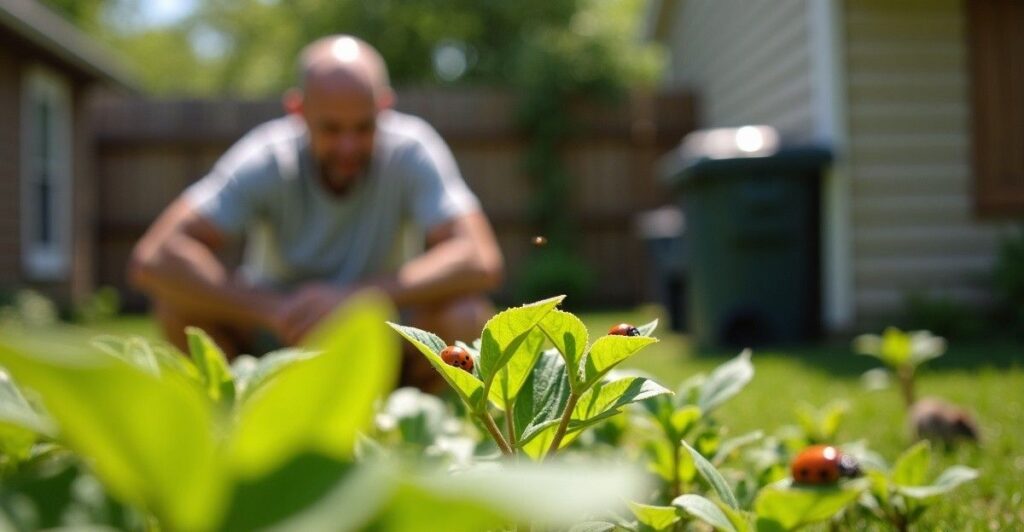
- Ladybugs: These colorful little beetles help control aphids in the garden. They don’t harm people or homes.
- Earwigs: Despite their scary reputation, they rarely cause problems. Most of the time, they wander indoors by mistake. Learn more on our earwig control page.
- Leaf beetles: Often spotted on outdoor plants. They don’t often enter homes or cause lasting damage to property.
Now here are some examples of pests that usually need addressing:
- Carpenter ants can tunnel through wood and weaken structural elements over time, leaving your home vulnerable. Learn more in our article about ants and structural damage or visit our ant control page.
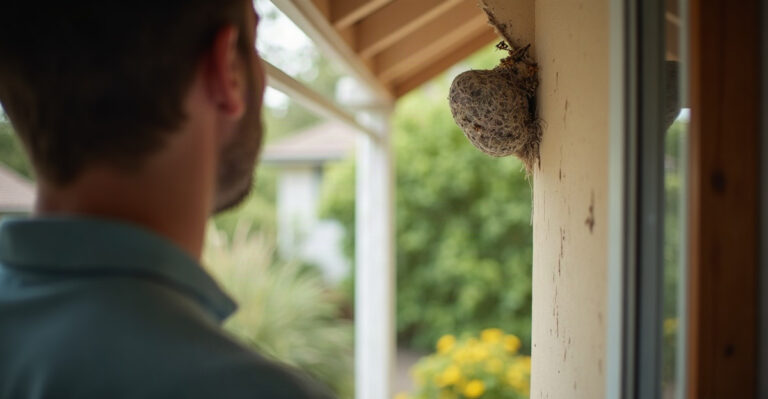
- Wasps: Often build nests under eaves or porches. Their stings are painful and can trigger allergic reactions in sensitive individuals, and they can be aggressive, especially in fall. Find out why wasps might be choosing your porch.
- Mice: Not insects, but definitely pests. They enter homes looking for food or warmth and can contaminate pantries and damage insulation.
Here’s a simple side-by-side comparison for a clearer picture:
| Non-Pest Insects | Common Pests in Eastern Idaho |
|---|---|
| Ladybugs | Carpenter Ants |
| Earwigs | Wasps |
| Leaf Beetles | Mice |
So if you’re seeing bugs around the house, it helps to know which ones are just part of the neighborhood—and which ones need a deeper look. Whether you’re dealing with unwanted beetles or deciding whether that spider in the corner needs attention, we’re here to help.
Signs It’s Time to Call a Pest Professional
Wondering if things have gone from normal to problematic? Here are key signs it’s time to call pest control:
- You notice insect activity concentrated in kitchens, basements, or entryways.
- You’re seeing pests more frequently—even after cleaning or sealing gaps.
- You find signs of damage like chewed surfaces, crumbs, or unexplained messes.
- Household members are dealing with bites, itchiness, or allergic reactions.
- You’ve tried store-bought products with little or no improvement.
These signs indicate it’s time to bring in someone who knows what to look for—without guessing. Not sure what you’re seeing in your home? Reach out to the trusted experts at Falls Pest Services—we’re happy to take a look.
Why Not All Bugs Are Bad: The Value of Insects
It’s easy to assume every bug needs removing—but that’s not always true. Some insects play helpful roles in our ecosystem and in our gardens.
Useful insects include:
- Bees: Pollinate flowers and food crops.
- Ladybugs: Feed on plant-damaging pests like aphids.
- Pill bugs: Help with soil health by breaking down organic matter.
Some bugs are neighbors, not enemies. As tempting as it may be to spray or squash first, extermination isn’t always the best answer. Especially with endangered pollinators or insects that are just accidental visitors. Many of these contributors support ecological balance right in our own backyards.
Understanding which bugs belong and which require action is part of responsible pest care. And if you still have questions, that’s where we step in.
How Falls Pest Services Helps You Make the Right Call
We live and work right here in Eastern Idaho. That means we know which pests are common at different times of year—and which ones are harmless regulars. At Falls Pest Services, our job isn’t just to treat your home; it’s to offer honest, straightforward advice you can rely on.
Our pest control solutions are safe, family-friendly, and focused on long-term comfort. Whether you’re dealing with ants, spiders, wasps or hornets, or wondering if bed bugs are only found in beds, we’re here to help you sort it out calmly and clearly.
We always start with inspection, not pressure. You’ll know what’s going on, what your options are, and what makes the most sense for your family.
For trusted, steady guidance with your home’s pests—from tiny flyers to surprise nesters—count on Falls Pest Services, your neighbor in Eastern Idaho pest control.
Frequently Asked Questions
The main difference is that insects are a biological group, while pests are defined by their impact. An insect is any six-legged arthropod, but it only becomes a pest if it causes harm, spreads disease, damages property, or becomes a nuisance indoors. Many insects are harmless or beneficial and never need control.
No, not all pests are insects. While many common pests are insects, pests can also include rodents, birds, spiders, and other animals. A pest is any organism that negatively affects human health, property, or comfort, regardless of whether it is an insect or another type of creature.
An insect becomes a pest when it enters living spaces and causes problems such as contamination, structural damage, bites, stings, or persistent infestations. Location, behavior, and population size matter. A few insects outdoors are normal, but repeated indoor activity usually signals a pest issue.
Beneficial insects can be considered pests if they appear in the wrong place or in large numbers. For example, pollinators like bees are helpful outdoors but may become a problem if they nest inside walls or pose a sting risk. The label depends on behavior and environment, not the species alone.
Not always. Minor or occasional insect activity may resolve on its own with cleaning or exclusion. Professional pest control is recommended when pests are causing damage, spreading quickly, returning repeatedly, or posing health risks. A proper inspection helps determine whether treatment is necessary or avoidable.