
How Often Should Pest Control Be Done?
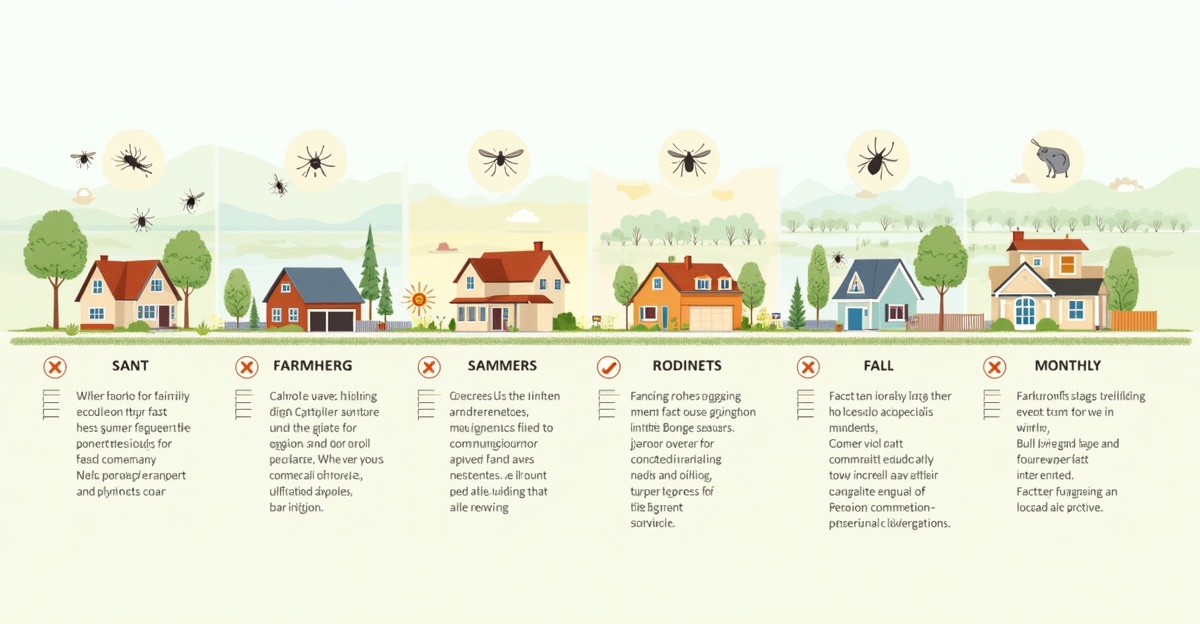
Pest control timing relies on real conditions like previous infestations, property structure, and seasonal shifts across Eastern Idaho. Many homes benefit from quarterly or seasonal visits, while high-risk properties often require more frequent check-ins to stay ahead of pests.
Key Takeaways
- Quarterly treatments work well for most homes in Eastern Idaho since they match usual seasonal pest surges.
- Monthly or bi-monthly visits often suit commercial spaces or properties that have a history of pest problems.
- Shifts in seasons—such as ants in spring or rodents in winter—play a big role in pest behavior and should influence when services happen.
- How often to treat depends on the type of building, its condition, and its surrounding environment.
- Ongoing preventative service lowers long-term issues and supports safer, more efficient protection.
Understanding the Best Pest Control Schedule for Your Home or Business
Pest control frequency isn’t “one-size-fits-all.” Every home, business, and location faces different pest pressures, so the best schedule depends on specific conditions. Generally, most residential properties benefit from a quarterly or seasonal approach, while some spaces may call for monthly or bi-monthly service.
Our core pest control frequency recommendations are:
- Monthly: Ideal for some commercial properties or homes with repeated pest problems.
- Bi-monthly (every 2 months): Suits moderate pest activity and higher-risk businesses.
- Quarterly (every 3 months): A popular residential starting point—targets shifting pest behaviors each season.
- Seasonal (twice a year): Works well for newer homes or areas with milder pest activity.
We always prioritize safe pest control for families and pets, using methods that are low-toxicity and responsibly applied. Proactive pest management not only lowers the risk of infestations but also helps avoid more aggressive (and costly) treatments later on, following the principles of Integrated Pest Management outlined by the EPA.
A well-timed pest plan offers peace of mind. We’re here to guide you to a schedule that controls pests without over-servicing. Long-term protection is the goal, delivered with honest care.
What Affects How Often You Need Pest Control?
Several factors influence how often pest control service is needed. Understanding these helps us recommend the right schedule for lasting results.
Key factors that determine pest control frequency:
Pest threats change throughout the year, especially with Eastern Idaho’s distinct seasons. Here’s what impacts your plan:
- Geography and seasonal shifts: Cold months drive rodents indoors, as university extension research on rodent winter behavior explains. Spring and summer bring ants, wasps, and spiders. These cycles shape all local pest control Idaho Falls strategies.
- Property type: Homes and commercial buildings face different risks. A restaurant may need monthly attention; a single-family home may do well with quarterly.
- Past pest activity: If your space had infestations before, you may need more frequent service for a while.
- Nearby conditions: Open fields, water, food waste, or wooded areas attract pests and raise your risk.
- Structure condition: Older homes may have more gaps and wear, allowing easier pest access. Even newer buildings can develop hotspots over time.
For newer homeowners just settling in, it’s often enough to monitor seasonally at first. Over time, changes in weather, landscaping, or pests will guide adjustments. Whether for pest prevention for homes or planning commercial pest control frequency, a strategic schedule makes all the difference.
Seasonal Guide: Which Pests Show Up When in Eastern Idaho
Staying ahead of common pests means understanding when they’re most active. Eastern Idaho’s climate plays a big role in pest habits, which is why adjusting a quarterly pest control schedule makes sense for most homes and small businesses.
Here’s a seasonal rundown:
- Spring: Warming weather brings ants, spiders, and voles out of dormancy. They begin foraging close to homes and nesting in crawlspaces.
- Summer: Wasps, mosquitoes, and earwigs thrive with warmer temperatures and backyard activity. Patios, trash bins, and garden beds become hubs for insect traffic.
- Fall: As temperatures fall, boxelder bugs swarm sunny sides of buildings, and mice begin entering structures to seek warmth and food.
- Winter: Rodents like mice and voles stay active indoors, especially in basements and garages. Some spider species also become more visible inside cozy environments.
Sticking to a seasonal pest control Idaho plan—usually four times per year—helps defend against each wave. Some seasons may only need monitoring while others require direct treatment. A balanced, year-round approach lowers the chance of major infestations.
How Homeowners and Small Business Owners Should Approach Pest Control
Pest control strategies vary depending on how the space is used. Homes and businesses face different challenges, so their treatment plans should too.
Recommended approaches by property type:
For homeowners, prevention is key:
- Schedule regular quarterly or seasonal treatments.
- Add targeted visits as needed when signs of pests appear.
- Stay ahead with services like spider control treatments or ant barriers.
For commercial spaces, especially restaurants, clinics, or lodging:
- Consider monthly or bi-monthly visits depending on industry and regulations.
- Focus on perimeter barriers, entry point sealing, and sanitation practices.
- Plan for long-term protection to avoid disruptions and complaints.
Across all properties, proactive pest management is often simpler and safer. Waiting for problems to arise can lead to more discomfort, higher expense, and potential damage.
We also know safety matters. That’s why we use safe pest control for families and pets with modern tools that minimize exposure while maximizing effectiveness. Every plan is adjusted to match household needs and patterns.
Common Questions About Pest Control Frequency
We hear a lot of smart questions when helping folks plan their pest control schedule. Here are a few of the most frequent:
- Is quarterly pest control enough in Idaho?
Often, yes. A quarterly service usually handles common pest cycles. However, if your property has a history of issues or sits near open land, it might benefit from additional checks.
- Should we treat for pests if we don’t see any?
Definitely. Most pest problems stay hidden until they’re widespread, which is why entomology experts note that early infestations often go unnoticed. By the time bugs become visible, colonies or nests have often established. Preventative treatments stop that cycle early. - How do we know when it’s time to call for help?
Look for pest droppings, damaged wood, nests, or frequent signs of the same insects around the house. This guide on when to call for pest control explains important warning signs to catch early.
- Is pest control harmful to pets?
Not when handled by trained professionals using approved products that follow EPA pesticide safety guidelines for homes and pets. We’re always careful to select techniques and times that keep pets safe. Here’s more on how pet-friendly treatments work.
A personalized approach to pest control frequency gives the best protection—based not just on the calendar but real conditions.
When to Consider a Personalized Pest Control Plan
If you’re unsure how often do you need pest control, the most reliable answer comes from a local expert. Rather than relying on guesswork, we always recommend a thorough assessment of the property, environment, and past activity.
Our team at Falls Pest Services offers free inspections and pressure-free evaluations. Whether you’re managing pest prevention for homes or thinking about long-term commercial maintenance, we build every plan around local Idaho knowledge and careful observation.
Schedules can also evolve with need. For example, if vole activity increases in spring, we can step up treatments short-term. During calmer periods, we may scale back. It all depends on current conditions.
If you’re getting ready to sell or buy a property, it may be smart to consider a pest inspection before selling your home. Spotting an issue early protects both parties from costly surprises.
Curious what schedule is best for your home or business? Contact us for a free, no-obligation inspection. Every plan is shaped by honest assessments, reliable service, and a commitment to safe pest control for families and pets. As a family-owned local business, we’re here to help you feel comfortable and confident—season after season.
Frequently Asked Questions
For most homes, pest control should be done quarterly. Quarterly treatments align with seasonal pest activity, helping prevent ants, spiders, rodents, and other common pests before they become established. This schedule provides consistent protection without overusing treatments and is often enough for properties without ongoing infestations or high-risk surroundings.
Monthly pest control is not always necessary but can be beneficial in certain situations. Homes with recurring infestations, nearby fields, heavy pest pressure, or structural gaps may need more frequent service. Monthly visits are also common for businesses that require strict sanitation standards or faster response to pest activity.
Seasonal pest control can be effective for newer homes or areas with lower pest activity. Treating two to four times per year targets peak pest seasons, such as insects in warmer months and rodents in colder months. However, seasonal service may miss early infestations that develop between visits, so monitoring is important.
Pest control frequency depends on factors like past infestations, property type, building condition, surrounding environment, and local climate. Homes near water, open land, or food sources often need more frequent treatments. Older structures with entry points may also require closer monitoring to prevent pests from entering.
Yes, preventive pest control is worth it even when no pests are visible. Many pests remain hidden until populations grow large. Routine service helps stop infestations before damage or health risks occur, often reducing the need for stronger treatments later. Prevention is usually more cost-effective than reacting to active pest problems.