How Safe Are Pest Treatments for Pets?
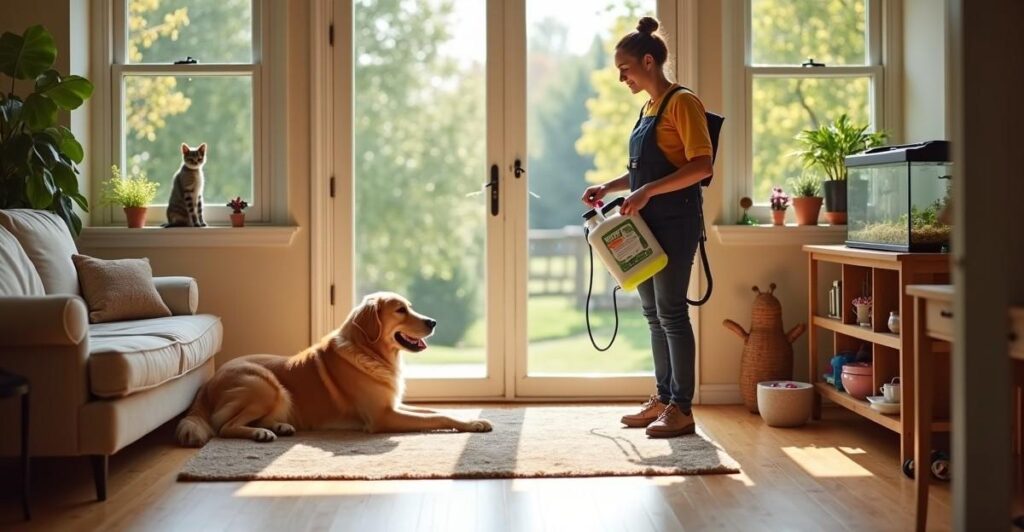
Pet-safe pest control helps reduce risk to animals at home, but safety hinges on how we select, apply, and manage treatments. With smart planning, open communication, and expert support, we can protect both our space and our pets effectively.
Key Takeaways
- “Pet-safe” doesn’t guarantee no risk—it means using the right products, applying them correctly, and setting clear timelines to limit exposure.
- Different pets have different sensitivities. We must factor in species, behavior patterns, and how our home is set up.
- Safe pest control includes smart prep steps like relocating pet bedding and clear post-treatment guidance such as wait times for safe reentry.
- Don’t assume “natural” or “low-toxicity” means harmless. Some plant-based oils and botanical treatments can cause serious issues in pets, as outlined by the National Pesticide Information Center.
- Choosing trained professionals brings peace of mind. They use EPA-approved methods built around real household needs—protecting both pets and people.
Understanding What “Pet-Safe” Pest Control Really Means
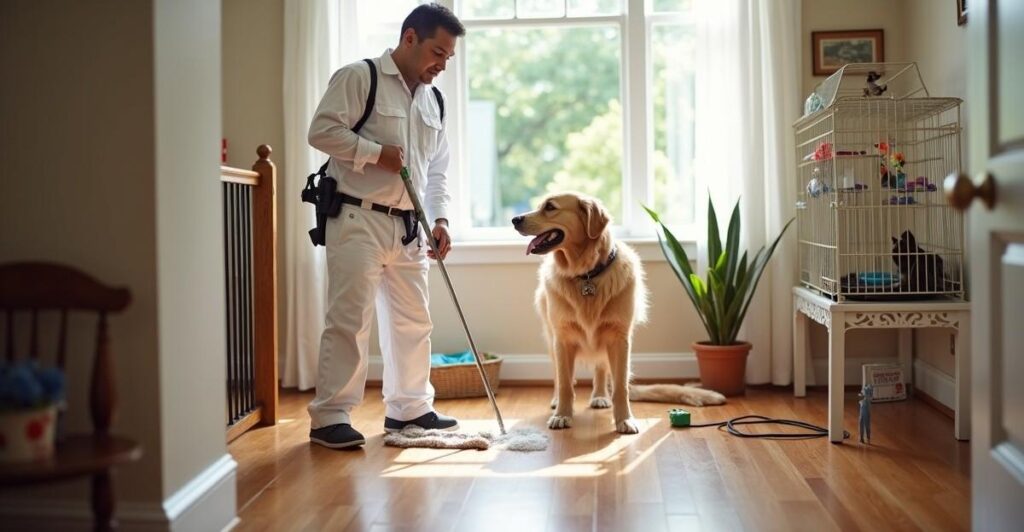
“Pet-safe pest control treatments” are often misunderstood. It doesn’t mean there’s zero risk—it means we’ve taken careful steps to lower that risk as much as possible. That includes choosing the right products, applying them the right way, and giving families clear instructions for timing and pet safety.
We believe in safe pest control for pets and family, and that starts with knowledge. Let’s break down what pet-safe control really involves and how we help protect the animals we care about.
What Goes Into Pet-Safe Pest Control
There’s no one-size-fits-all label for “safe” when it comes to pest control. Safety depends on the pet, the problem, and the approach. We focus on three key areas:
- Product Selection: We use pest control solutions that are tested and approved for use in homes with pets. But even low-toxicity materials need to be applied with care.
- Timing and Application: Treatments are timed to allow drying or settling before pets return to the area. We always provide guidance on how long to wait.
- Pet Habits and Environment: Cats may lounge on windowsills. Dogs might lick floors. Birds and reptiles react strongly to airborne particles, a sensitivity documented by veterinary and university extension programs. Knowing your pet’s behavior helps us make smart choices when applying treatments indoors or outdoors.
Pet-safe means thoughtful—not reckless. It means following a plan to keep your home pest-free while your animals stay out of harm’s way.
What You Can Do to Keep Pets Safe
Pets are like family, and each type has unique needs. As part of our process, we help homeowners prepare before treatments and adjust afterward. Here are a few simple steps:
- Talk with us ahead of time. Let us know what pets live in your home—especially birds or exotic animals, which may require extra care.
- Move food and water bowls. Always relocate them away from treatment zones.
- Use separate space temporarily. Keep pets in another room, in a bathroom or garage, or outside the home depending on the treatment type and duration.
- Follow return instructions. Don’t let pets re-enter too soon. If a surface needs to dry or ventilate, wait for our go-ahead.
- Watch for unusual behavior. If your pet is acting listless or agitated after treatment—even hours later—re-check the space and contact your vet if needed.
Remember: pet-safe doesn’t mean pets can roam freely during treatment—it means you have a well-thought-out plan while we treat for pests like ants, spiders, or rodents.
More Than Just Product Labels
Labels matter, but they’re not the full story. A treatment labeled “low-toxicity” can still cause harm if pets come into contact with it too soon. And “natural” doesn’t automatically mean harmless—certain ingredients like essential oils can be dangerous to cats or birds.
We build pet safety into how we treat your home. That includes local knowledge of pests and how they behave seasonally. Whether we’re treating for pesky spider activity or keeping rodents away from backyard sheds, we put safety right up front.
Looking for safe options for your home? Our residential pest control service is designed with families and pets in mind. We take the time to explain our approach and work with pet owners every step of the way.
Why Professional Guidance Makes a Big Difference
DIY treatments often skip the planning part—and that’s where accidents happen. Spraying a store-bought product near pet bedding or applying bait within reach of a curious puppy can lead to serious trouble.
By trusting professionals, you’re also trusting our ability to:
- Choose the right treatments for your pest issue
- Apply them safely and in the right amounts
- Identify risk factors based on pet behavior and household layout
- Give you clear advice for follow-up and pet re-entry
There’s no safe pest control for pets and family without clear communication. That’s why we always encourage folks to ask questions—even after treatment.
If you’re wondering, “is pest control harmful to pets?” the honest answer is: it can be, without proper steps. But with a plan, expert care, and a team that puts your pets’ safety first, it doesn’t have to be a worry.
To learn more about what we treat and how, check out our services for rodents or other common pests in our area. We’re here to help you solve pest problems while keeping your furry, feathered, or scaly friends out of harm’s way.
How Expert Pest Control Services Help Keep Pets Safe
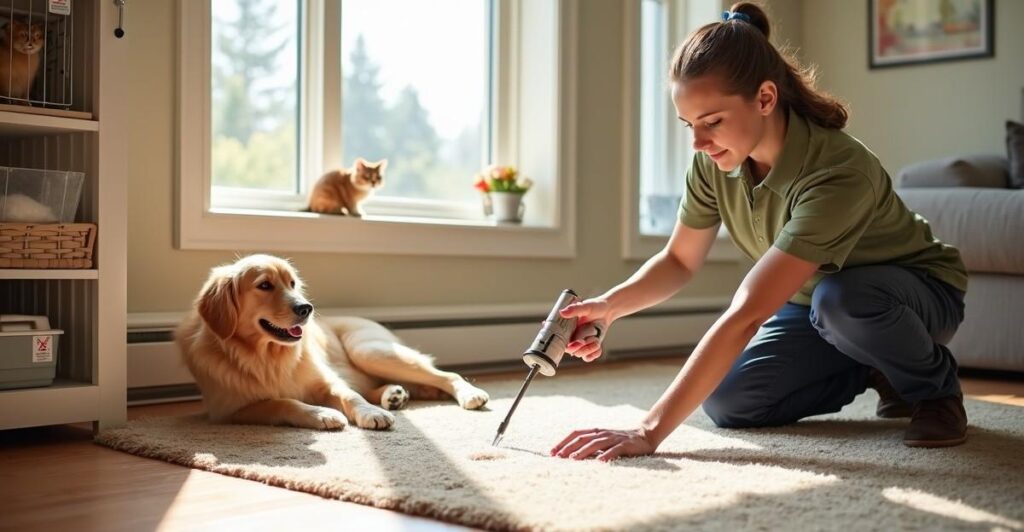
Hiring licensed professionals like us at Falls Pest Services means leaning on training, certification, and a steady hand to help protect your home—including your pets—during pest control. We use only EPA-approved products that are specifically selected and applied based on guidance from the Environmental Protection Agency’s household pesticide safety guidelines and the National Pesticide Information Center. These substances, when used by trained service professionals, are considered safe for households with animals.
Custom Safety Strategies for Pet-Friendly Homes
Every home in Eastern Idaho is a little different—pets come in all shapes and sizes, just like pest issues. That’s why we take the time to understand your living space before treatment begins. Whether you have curious kittens, free-roaming pups, or caged guinea pigs, we adapt our pest control methods with your animals in mind.
We assess:
- The types of pets you have and where they spend their time
- The design and layout of your home, including sleeping and feeding areas
- Common pests in your area like ants, rodents, and spiders
From there, we identify the safest plan of action. For example, we might use low-toxicity, targeted baits for ant control instead of broadcast sprays, or exclude rodents with sealing and traps rather than chemical repellents. You can learn more about specific services, such as rodent pest control, to understand how we handle these issues without risking pet health.
Safe Practices That Put Pets First
It’s not just about the products we use—it’s also how and where we apply them that makes a real difference for safety. We follow best practices to make sure treatments stay effective while minimizing contact for your pets.
These include:
- Creating treatment zones and placing pets in unaffected areas during applications
- Using natural, non-toxic repellents where appropriate for light infestations
- Ventilating inside areas after indoor sprays before pets reenter
- Providing clear aftercare instructions so you know exactly when it’s safe for animals to return to treated zones
Our team always communicates before and after service so you’re confident that your home remains a secure space. Our commitment to EPA approved pest control for pets means we won’t cut corners or skip steps.
If you’re looking for pet friendly pest control in Idaho Falls, we’ve made it our priority to offer solutions that strike the right balance—getting rid of pests while keeping wagging tails and whiskers safe. From ants in the pantry to spiders in the basement, we craft each response with your whole household in mind.
What to Expect Before, During, and After a Pest Treatment
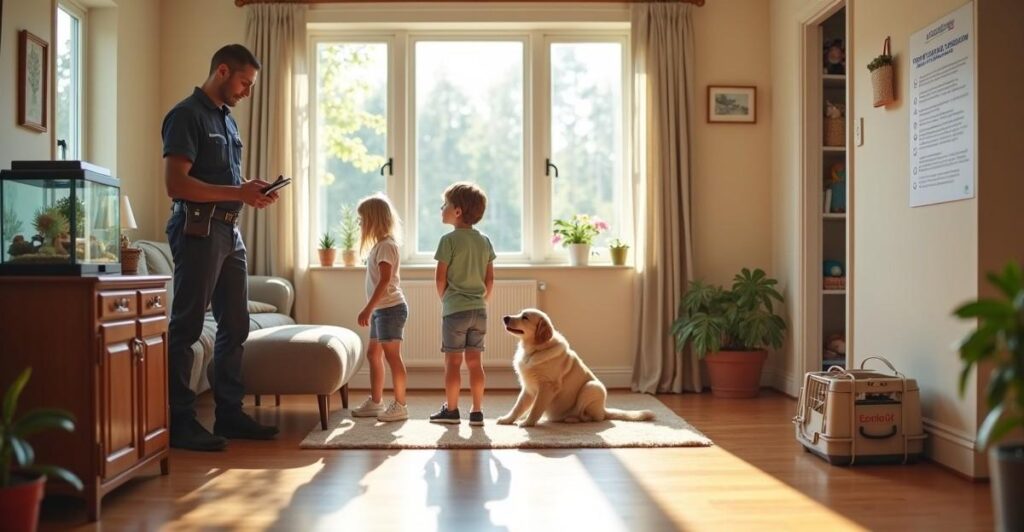
We always put safety first—for families, homes, and furry companions alike. When planning a treatment, pet owners often ask: is pest control safe for dogs and cats? The short answer is yes, especially when you’re working with professionals who use pet-conscious methods and licensed products.
Here’s what to expect from start to finish when working with a team that prioritizes pets.
Before the Visit: Simple Steps for Pet Prep
A little planning goes a long way. To help the service go smoothly and safely:
- Remove all food and water bowls, litter boxes, and pet bedding from the treatment area.
- Unplug or cover fish tanks and terrariums—chemicals, even gentle ones, can affect aquatic and sensitive animals.
- Move small pets like birds, hamsters, or reptiles to another room or take them off-site for a few hours.
- Let us know ahead of time about any pet health concerns or sensitivities.
We’ll also walk through a plan with you to make sure everyone’s comfortable before we begin. If you’re scheduling a visit soon, you can learn more about our safe and effective residential pest control options here.
After the Treatment: Keeping It Safe
After the treatment, the main concern is giving products time to settle and dry:
- Keep pets out of treated rooms until surfaces are fully dry—this generally takes 1 to 2 hours, consistent with published pesticide re-entry safety guidance.
- Open windows or run fans to air out the space, especially if your pets have respiratory sensitivities.
- Watch pets closely for any unusual behavior. Most pets won’t react, but in rare cases, drowsiness or mild sneezing may occur.
- Wipe down food prep and play areas if you’re unsure whether any residue remained.
Whether we’re treating for ants, spiders, or rodents, our materials are chosen carefully to balance effectiveness with safety. If your visit involves targeted pest services—like rodent control or ant treatment—we’ll let you know exactly which rooms were treated and what to avoid.
- Move pet food, water, and toys away from treated areas.
- Cover or unplug aquariums and move small pets temporarily.
- Keep pets out of treated spaces until dry—usually 1–2 hours.
- Ventilate your home after treatment.
- Alert your pest service professional to any pet health needs or sensitivities.
If you’re ever unsure about pet safety after an exterminator visit, give us a call. Our team’s here to help with practical advice and real answers. You can also reach out through our contact page for quick support.
Real Concerns from Local Pet Owners—and How They’re Resolved
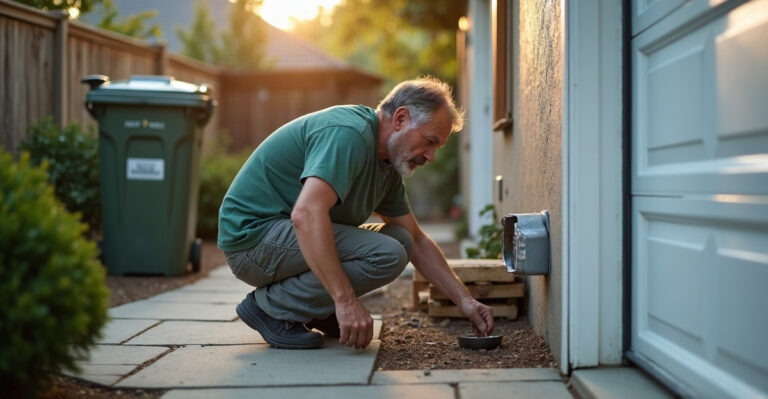
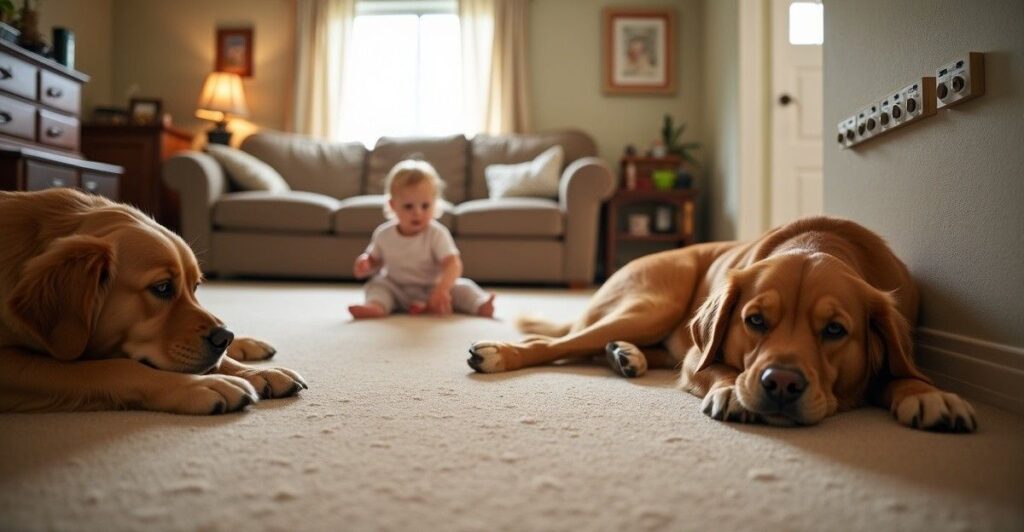
A family in Rexburg reached out last spring, worried about a mouse problem in their basement. They had two energetic golden retrievers and a curious toddler, so every decision had to be safe for both pets and kids. We understood their concerns right away. Instead of using open bait or sprays, we installed secured bait stations in tamper-resistant boxes. These were placed in discreet, inaccessible areas—far from where the dogs or child could reach. The result? The mice were gone within days, and the family felt confident in the safety of their home.
That story isn’t unusual. Every week, we work with pet owners who want peace of mind without compromising care. When dealing with pest control near animals, it’s not about using the strongest products—it’s about using the right approach. That often means low-impact treatments, targeted placement, and timing suited to your home’s needs.
Why Local Knowledge Really Matters
Serving neighborhoods across Eastern Idaho means we understand more than just pests—we know how families here truly live. Whether you’re living on the edge of Pocatello or tucked away near the hills outside Rexburg, every home is a little different. That’s why we build each treatment plan around the size of your home, the pests you’re seeing, and the pets you care about.
Our team stays up to date with the safest industry practices and integrates options for natural pest control in Eastern Idaho when they’re a good fit for your space. That might include using plant-based agents, mechanical traps, or sealed bait systems. We always walk through what we’re doing—and why—before getting started.
What Pet Owners Can Expect from Us
Clear communication is key. We take time to explain our approach and answer questions before and after any treatment. Pet-safe pest solutions don’t need to be a guessing game. Here’s how we make sure every step is as safe as it is effective:
- Offer scheduled treatments during times when pets can be safely moved or monitored.
- Use enclosed or elevated traps and bait where paws and noses can’t reach.
- Recommend cleaning and ventilation guidelines just to be extra cautious.
- Prioritize low-toxicity applications when treating for common intruders like ants or spiders.
Even with something more serious like rodents or wasps, safety never takes a back seat. You can read about our responsible approach to mice on our rodent control service page if you’re facing a similar issue.
From start to finish, we aim to provide local pest control in Pocatello and beyond with a focus on consistency, clarity, and care. When your pets are like family, our job is to treat your home like ours.
Questions Every Pet Owner Should Ask Before Hiring a Pest Control Company
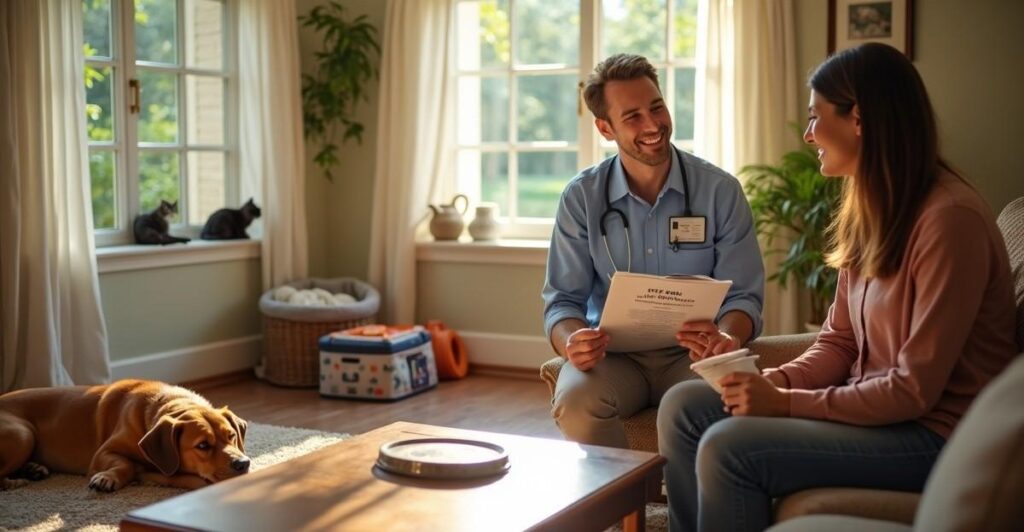
Keeping pests at bay is important, but not at the cost of our pets’ safety. Before we partner with any company, it helps to ask the right questions up front. Open communication sets the stage for safe pest control for pets and family.
What to Ask Your Pest Control Provider
We’ve put together a quick checklist below. These questions help ensure the company prioritizes our pets’ well-being:
- Are the treatments you use EPA-approved for homes with animals?
- How long should I keep my pet away from treated areas?
- Will you walk me through a pet-safe treatment plan?
- Do you offer pet friendly pest control in Idaho Falls?
- Are there non-chemical options available for sensitive pets?
- How do you prevent cross-contamination in food and water areas?
- Will you notify me before follow-up treatments so I can prepare our pets?
Asking these questions up front can reduce the risk of allergic reactions, stress, or exposure to chemicals we wouldn’t want near our four-legged family members.
What a Trusted Pest Control Company Should Do
A reliable provider won’t just tolerate these questions—they’ll welcome them. That’s how we know we’re placing our trust with the right team. At Falls Pest Services, we explain every step, especially when pets are involved.
Here’s what to expect from a company that puts safety first:
- Clear advice on how long pets should stay clear of treated spots—typically just a few hours for most indoor treatments.
- Information sheets that highlight the products used and how they rank for pet safety.
- Custom scheduling so treatments don’t interfere with feeding or playtime.
- Walkthroughs of areas to check for exposed food, bedding, or toys that need to be moved before treatment.
Some pets, especially cats and small dogs, may be more sensitive to certain products. That’s why our approach to pet friendly pest control in Idaho Falls puts safety and planning side by side.
We’re proud to say we only use approved methods that can be trusted around homes with pets, children, and anyone who may be extra sensitive.
If you still have concerns, never hesitate to get in touch. Whether we’re addressing rodents, bed bugs, or ants in your home, we’re always ready to explain your options with your pets in mind. Our goal is simple: pest control that’s thorough, safe, and comforting to the whole household.
To speak directly with a member of our team about customized plans, please reach out to us here.
Why Choosing a Local Eastern Idaho Expert Matters
Eastern Idaho has its own set of pest problems—ones that change with the seasons, weather, and even neighborhood. A large chain service may treat your home like just another job on the list. But a trusted local provider knows better. At Falls Pest Services, we live and work here too. That’s why we approach pest challenges with care, understanding not just the bugs, but the way they affect daily life for families, pets, and businesses in our community.
We focus on what matters: safe results that fit your real needs. Whether we’re treating for ants, spiders, or rodents, we avoid blanket solutions. Every home is different. So is every pet and every concern you might have about keeping them safe. That’s why our team uses proven, low-risk products and methods as part of our pet safe pest control treatments. From active families to local shops and rental properties, we keep each solution practical—and never overdone.
Local knowledge helps us choose the right tools for the job. Pests common in Pocatello or Idaho Falls take more than guesswork to manage. Whether you’re dealing with voles in the garden or an ant problem in the pantry, we bring years of experience without overusing chemicals. Our approach to local pest control in Pocatello is straightforward: treat what needs treating, and protect everything else.
What Makes Falls Pest Services Stand Out
Here’s what puts us a step ahead when you’re looking for pet friendly pest control in Idaho Falls and nearby communities:
- We use products carefully chosen for safety, especially in homes with pets and kids.
- Every service professional explains what treatments are being applied, where, and why—before we begin.
- We offer flexible scheduling and check-ins to make sure you’re comfortable each step of the way.
- You never get a “one-size-fits-all” plan. We assess your space, your needs, and your concerns first.
- We’re part of the same community, so safety and trust always come first.
Backing all this is a steady, calm service mindset that reflects how we’d want our own homes treated. We believe in pairing effective results with clear, honest communication. That’s what you’ll get each time—before, during, and after any visit.
Need answers before making a decision? We’re happy to walk you through your options and help you feel confident every step of the way. From residential pest control to targeted, pet-conscious treatments, we’re here to serve Eastern Idaho with real care and thoughtful solutions.
Frequently Asked Questions
Pet safe pest control treatments are not completely risk-free, but they are designed to minimize exposure and harm when used correctly. Safety depends on proper product selection, controlled application, and following re-entry instructions. Pets can still be affected if they contact wet surfaces, ingest residues, or enter treated areas too soon, which is why preparation and timing matter.
Most pet safe pest control treatments require pets to stay out of treated areas until surfaces are fully dry, usually one to two hours. Some treatments may need longer ventilation times, especially for sensitive animals like birds or reptiles. Your pest professional should give clear guidance based on the product used and the areas treated.
Natural or organic pest control products are not automatically safer for pets. Many plant-based ingredients, such as essential oils, can cause skin irritation, breathing issues, or poisoning in cats and birds. Pet safety depends more on how a product is applied and managed than whether it is labeled natural or chemical-free.
Birds, reptiles, fish, and small mammals usually need extra precautions during pest control treatments. These pets are more sensitive to airborne particles and chemical residues. Aquariums may need to be covered, and cages or tanks may need to be moved temporarily. Always inform your pest control provider about all pets in your home.
Professional pest control is generally safer for pets than DIY treatments because service professionals are trained to apply products in precise amounts and locations. Store-bought sprays and baits are often misused, increasing the risk of pet exposure. Professionals also provide clear instructions for preparation and re-entry, reducing accidental contact or ingestion.