Do Mosquitoes Breed in Yard Water?
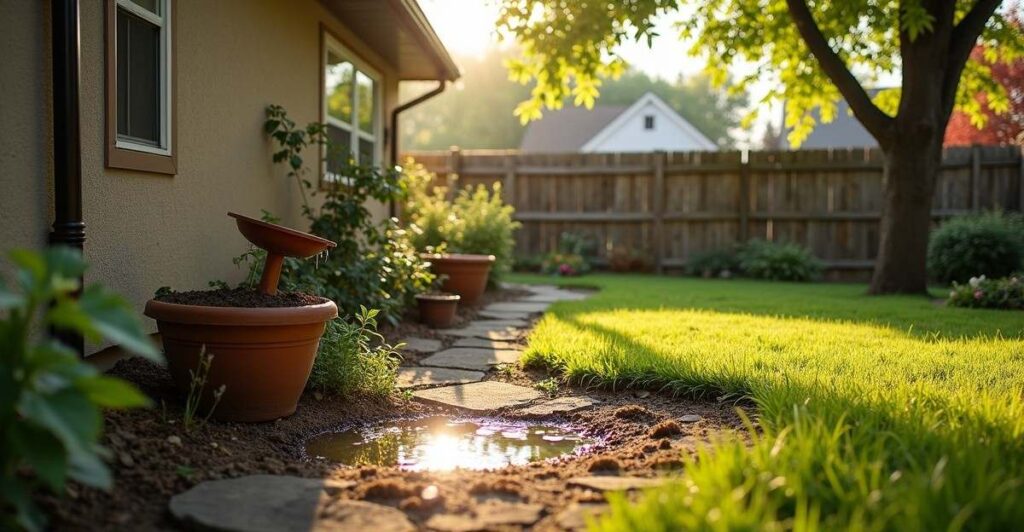
Mosquitoes thrive in Eastern Idaho yards, especially where stagnant water collects. Even small pools—from clogged gutters to flowerpots with extra water—offer ideal spots for rapid breeding. Our mix of irrigation, rainfall, and seasonal heat demands consistent upkeep to keep mosquito numbers low.
Key Takeaways
- Mosquitoes reproduce in as little as a bottle cap full of water, so even tiny puddles pose a risk.
- Breeding sites often include pet bowls, birdbaths, toys, discarded tires, and blocked gutters.
- Simple weekly habits like dumping standing water, sealing leaks, and turning unused items upside-down make a big difference.
- We recommend prevention methods safe for kids and pets over using strong chemicals.
- If mosquitoes keep coming back, the source might be outside your yard. That’s when bringing in professionals makes sense.
How Standing Water Becomes a Mosquito Nursery
Mosquitoes don’t need much to multiply. A little warmth, a quiet corner of standing water, and they’re set. Female mosquitoes lay their eggs right on the surface of still water, and in some cases, even on moist soil nearby. In the heat of Eastern Idaho’s spring and summer, these eggs hatch fast—larvae emerge in as little as 48 hours.
Even tiny puddles can host mosquito larvae. A bottle cap filled with water is enough space for hundreds of babies to grow, according to the Centers for Disease Control and Prevention’s mosquito prevention guidance. Now imagine what that means for a yard with a clogged gutter or an unused birdbath.
With the mix of snowmelt, yard sprinklers, and frequent summer rain, our region sees lots of puddling—especially around homes and businesses. If you’ve wondered, “why are there so many mosquitoes in my yard,” the answer often lies in plain sight. Mosquito breeding in standing water is one of the leading reasons we see persistent backyard mosquito problems in Idaho.
Common Mosquito Havens in Eastern Idaho Yards
Some areas collect small amounts of moisture day after day and go unnoticed. Others start wet and stay that way with regular irrigation. Either way, they become spots where mosquitoes thrive.
Most-Overlooked Hiding Places
- Clogged gutters and downspouts after spring storms
- Low spots on the lawn or under uneven pavement
- Flowerpots without drain holes or overwatered beds
- Bird baths, pet water bowls, and kid’s toys left out
- Pool covers, tarp piles, and anything that gathers rain
- Unused tires and wheelbarrows behind sheds
- Livestock troughs or natural dips in irrigation ditches
In a rural area like Eastern Idaho, we also see more exposure to irrigation-heavy landscaping and farming spaces that naturally hold moisture. These hidden mosquito breeding spots become easy for families or property owners to miss during routine yard care.
Simple, Safe Ways to Prevent Mosquito Breeding
We recommend regular upkeep habits that make any yard or business exterior less mosquito-friendly.
Actions That Make a Big Difference Weekly
- Dump out water from birdbaths, toys, plant saucers, and anything left in the yard every 5–7 days
- Rinse pet bowls and refill with fresh water daily
- Clean gutters and check downspouts every month
- Fix leaky spigots or broken irrigation heads where puddles form
- Store buckets, garden equipment, and kids’ toys upside-down when not in use
Beyond water removal, keep your lawn trimmed and remove piles of leaves or weeds where dampness lingers. For longer-term improvements, look into adding better drainage lines or switching to ground covers that don’t trap moisture.
Following these mosquito prevention tips early in the season can help reduce the chance of swarms later. For extra peace of mind, consistent service from a provider like our residential pest control team keeps protection going year-round.
Keeping Kids and Pets Safe in the Fight Against Mosquitoes
Controlling mosquitoes shouldn’t mean adding new worries for families. Many backyard treatments use strong products that aren’t designed for play zones or pet areas. That’s why we focus on low-risk, high-impact solutions that homeowners can trust.
Stick to prevention methods that don’t use harsh chemicals when possible. Screens and netting around patios or playsets add protection without residue. If needed, use EPA-approved mosquito repellents listed by the U.S. Environmental Protection Agency that are designed to be safe for children or animals when used as directed.
Avoid using foggers or heavy sprays near swing sets, picnic tables, or kennels unless applied professionally. We always choose treatments that are locally approved and safe to use around pets and children. Every option we apply for mosquito control considers family safety first—because protection shouldn’t come with trade-offs.
What to Do If Mosquitoes Just Keep Coming Back
If you’ve done the cleanup and still have swarms, the problem could be bigger than your yard. Hidden trouble spots—like blocked ditches, dense underbrush, or neighboring ponds—might support a much larger mosquito population.
For businesses with outdoor seating or shared spaces, the number of mosquitoes can climb fast. Those locations often need a more structured approach. Our commercial pest control service includes larger-area solutions built to handle properties like restaurants, event spaces, stables, and lodging facilities.
Whether we’re treating a business lot or a family backyard, we aim for methods that work with Eastern Idaho’s climate, terrain, and schedules. Our team lives and works in the same neighborhoods we serve, and every decision we make puts community care first. If you’re seeing pests repeatedly, it may be time to check out when to call for pest control and explore long-term options.
Why It’s Not Just You: Mosquitoes Are a Seasonal Challenge in Idaho
Mosquito issues in Eastern Idaho aren’t a sign of neglect—they’re a seasonal pattern many of us deal with, as noted by the Idaho Department of Health’s seasonal mosquito advisories. Our mix of irrigated fields, rural pastures, and residential neighborhoods creates ideal breeding conditions all summer long.
Between warming temperatures, evening storms, and high water use, it makes sense that backyard mosquito problems in Idaho increase by late spring. But there’s good news: staying ahead of the problem with regular maintenance and support from reliable pest control services goes a long way.
You don’t have to do it all perfectly. What matters most is doing a little bit consistently. For everything else, we’re right here when you need backup from a local mosquito exterminator you can trust.
Frequently Asked Questions
Yes, mosquitoes can breed in extremely small amounts of standing water. As little as a bottle cap full of water is enough for female mosquitoes to lay eggs. In warm conditions, those eggs can hatch within two days, allowing larvae to develop quickly. This is why even minor puddles or overlooked containers can significantly increase mosquito activity.
Mosquito breeding happens fast once standing water is present. Eggs can hatch into larvae in 24–48 hours during warm weather, as outlined in university entomology extension research on mosquito life cycles. The full life cycle from egg to adult can take as little as 7–10 days. This rapid development means untreated standing water can lead to noticeable mosquito problems within a week.
Common sources include clogged gutters, birdbaths, pet bowls, plant saucers, toys, tarps, and low spots in lawns. Irrigation systems and leaky spigots also create persistent puddles. Many of these areas are easy to miss but provide ideal conditions for mosquito breeding in standing water if not maintained regularly.
Mosquitoes prefer still water and typically do not breed in moving water like flowing streams or active sprinklers. Properly chlorinated pools are also unsuitable for breeding. However, water that appears to move but sits for long periods, such as irrigation runoff or poorly circulating ponds, can still support mosquito larvae.
The most effective method is removing standing water at least once a week. Dump containers, clean gutters, fix leaks, and improve drainage in low areas. For water that cannot be drained, such as ponds or troughs, mosquito control products designed to be safe for pets and wildlife can help prevent larvae from developing.