Can You Get Rid of Pests Without Spraying?
Non-spray pest control options manage many common pests when we pair early detection, exclusion work, trapping, heat treatments, and structured monitoring. We see excellent results without broad interior spraying in many Eastern Idaho homes and businesses. Some established infestations still require targeted treatment as part of a balanced, integrated plan.
Key Takeaways
- We use exclusion, entry point sealing, trapping, and habitat modification to resolve many pest issues without routine interior spraying.
- We often rely on enclosed bait stations or controlled heat treatments, which target specific areas instead of applying product broadly.
- We achieve better results with early action, while larger or established infestations demand a clear, step-by-step strategy.
- We follow Integrated Pest Management (IPM) principles as defined by the U.S. Environmental Protection Agency, which combines inspection, prevention, monitoring, and minimal targeted treatment when needed.
- We depend on safety, patience, and consistent follow-through to deliver long-term results with low-impact pest control methods.
Yes, Some Pests Can Be Controlled Without Spraying — But Not All
Yes, some pests can be managed without spraying, but not every situation can be solved that way. Non-spray pest control options work well in many homes and businesses across Eastern Idaho, especially when we act early and use a clear plan.
Non-spray doesn’t mean doing nothing. It includes practical strategies like sealing entry points, trapping, habitat modification, monitoring systems, enclosed bait stations for rodents, heat treatment for pests, and integrated pest management Idaho approaches. These methods focus on stopping the problem at its source.
It’s important to clarify that “non-spray” doesn’t always mean completely chemical-free. For example, bait stations for rodents may contain products, but they’re enclosed, targeted, and placed in controlled areas. That’s very different from broad interior spraying.
We also set realistic expectations. Non-spray methods often take more time and consistency, especially with established infestations. A single mouse may be handled quickly with traps and rodent exclusion methods. A larger colony inside walls takes a structured plan.
With the right inspection and follow-through, pest control without chemicals or with low-impact pest control methods can be highly effective. Many families choose this route because they want pet-safe pest control and family-safe pest control solutions. Businesses prefer it for food prep areas and customer-facing spaces. We support those priorities and build treatment plans that reflect them.
Non-Spray Methods That Work Well in Eastern Idaho Homes and Businesses
Eastern Idaho homes face unique pressures. Cold winters push mice indoors. Crawl spaces, basements, and attached garages create entry points. Seasonal ant and spider activity increases in spring and summer. We address these conditions with eco-friendly pest control Idaho strategies that rely heavily on prevention and structure.
Exclusion, Trapping, and Monitoring Systems
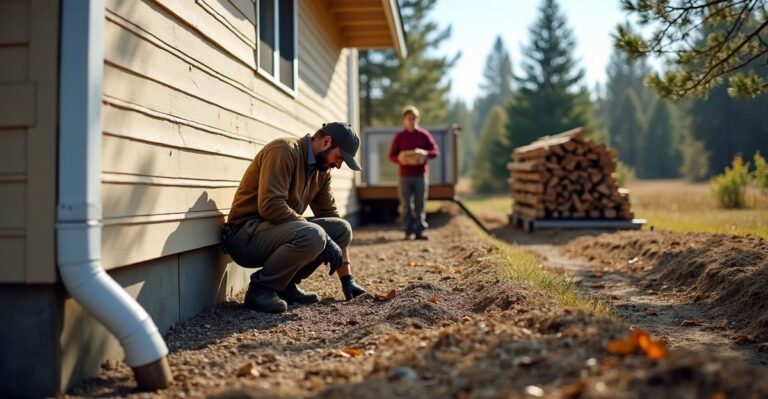
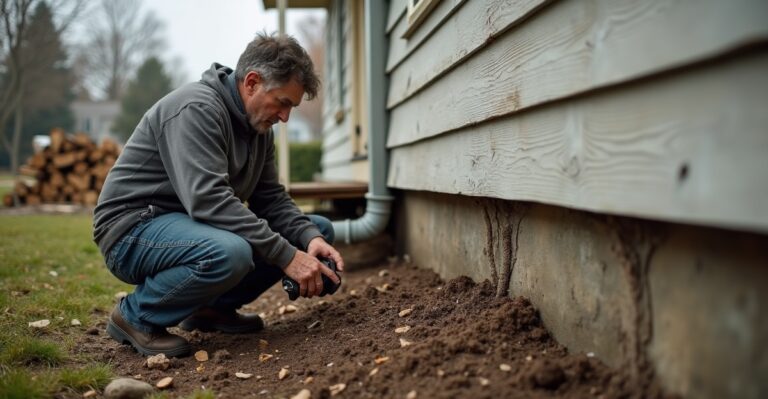
Exclusion is often the most effective starting point. We focus on sealing foundation gaps, repairing torn window screens, installing door sweeps, sealing cracks around utility lines, and reinforcing crawl spaces and basements. Rodent exclusion methods are especially important in Idaho Falls during winter when mice search for warmth. Sealing access points combined with traps is usually more effective long-term than repeated interior spraying.
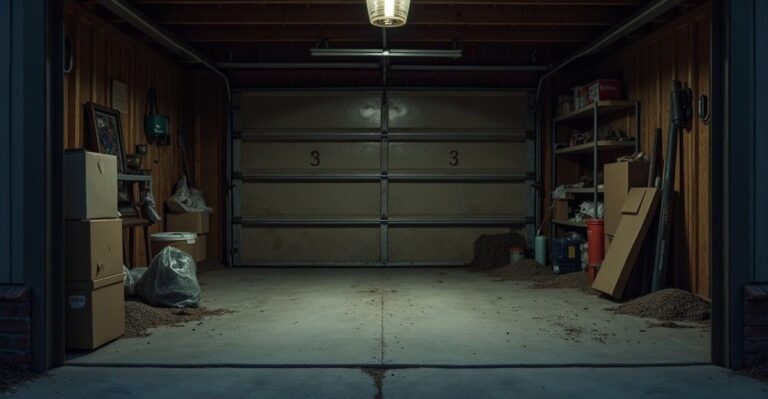
In garages, sheds, warehouses, and restaurants, trapping systems play a key role. Snap traps, multi-catch traps, and monitored traps allow us to control rodent populations directly and track activity patterns.
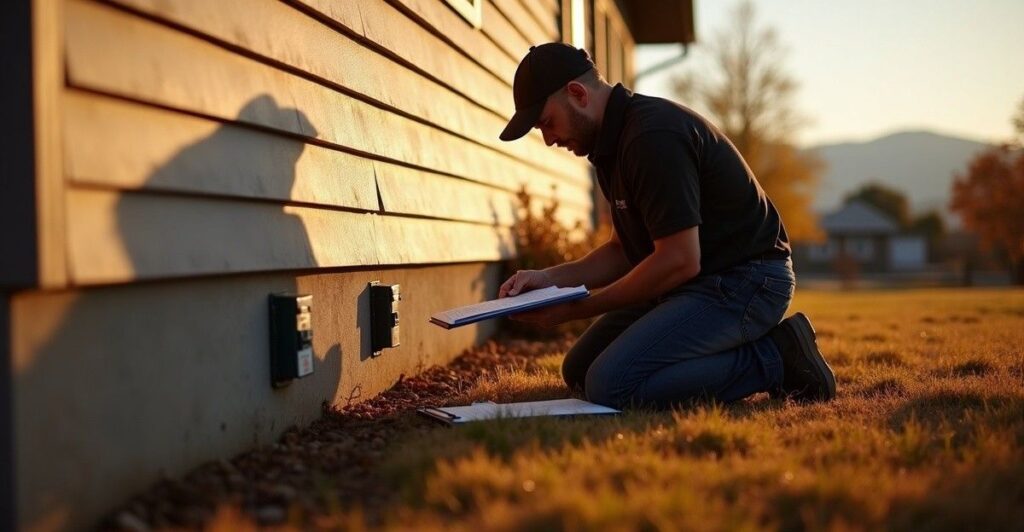
Exterior monitoring and bait systems also help reduce indoor issues. We place discreet, tamper-resistant bait stations for rodents around the perimeter to intercept activity before it moves inside. These placements are targeted and controlled, supporting low-impact pest control methods.
Sanitation and habitat modification matter just as much. We often recommend:
- Store pet food and livestock feed in sealed containers and avoid leaving feed in garages overnight.
- Keep trash lids tight and move bins away from entry points.
- Reduce clutter in basements and storage spaces.
- Trim vegetation away from siding and foundations.
- Seal cracks early in spring before ant trails develop.
For ongoing ant issues, our ant control services often combine exclusion and targeted strategies rather than relying solely on spray applications. For rodents entering through foundation gaps or garage frames, we pair sealing work with professional rodent control that emphasizes monitoring and correction.
Heat and Targeted Non-Spray Treatments
Heat treatment for pests is another strong non-spray solution. It’s especially effective for bed bugs in homes and hospitality settings. Professional equipment raises temperatures to levels that eliminate bed bugs, consistent with university extension guidance on lethal heat thresholds for bed bugs, without traditional spray applications. Preparation is required, but the results can be comprehensive.
For spiders in garages, sanitation and reducing insect prey often lowers activity significantly before any product is applied. For wasps building around eaves, physical removal and nest deterrence may reduce repeat activity. Homeowners interested in prevention can explore strategies in our guide on natural wasp prevention.
In kitchens, proper storage and sealing cracks makes a major difference. Simple steps outlined in our resource on preventing ants in the kitchen often resolve minor issues without the need for widespread application.
These approaches reflect eco-friendly pest control Idaho practices that focus on structure, sanitation, and monitoring first.
When Non-Spray Methods May Not Be Enough
Honesty matters here. Some established infestations require additional targeted treatment to fully resolve the issue.
Large ant colonies nesting inside wall voids may continue expanding if we rely only on exterior sealing. Heavy cockroach activity in food service areas often needs precise intervention to stop reproduction and protect sanitation standards under Idaho Department of Health and Welfare food establishment regulations. Repeated wasp nesting in high eaves may require direct treatment to eliminate active colonies. Severe bed bug infestations beyond early detection typically need comprehensive measures such as professional heat or combined treatments.
Integrated pest management Idaho brings these components together. We begin with inspection, exclusion, monitoring, and habitat correction. If needed, we use minimal, targeted applications in specific areas rather than broad routine spraying. The goal is control with precision.
We never promise permanent results with zero chemicals in every situation. Construction styles, climate shifts, and surrounding landscapes all affect pest pressure in Eastern Idaho. A farmhouse with multiple outbuildings faces different risks than a downtown commercial kitchen.
Our approach starts with inspection and a customized plan. We factor in crawl space access, foundation type, insulation condition, and seasonal patterns. When products are required, we prioritize safety and careful placement. Families with pets often review our guidance on pet-safe pest treatments to better understand how modern methods protect animals.
For businesses, we adapt solutions through structured commercial pest control programs that balance compliance, safety, and minimal disruption.
What to Expect: Timeline, Safety, and Realistic Results
Exclusion and trapping take patience. With rodents during cold months, we may see activity for several days or weeks before monitoring shows a steady decline. That’s normal. Mice already inside must be removed while entry points stay sealed.
Heat treatments for bed bugs move faster. Once preparation is complete and professional equipment is in place, resolution happens in a defined treatment window. Follow-up inspections confirm results.
Safety remains central in every situation. Homes with children and pets benefit from contained systems and limited environmental exposure. Restaurants and food businesses rely on precision placements that protect food prep areas. Small commercial spaces often prefer monitoring-based programs rather than routine broadcast applications.
Pest control without chemicals can reduce exposure, but it still requires proper setup and monitoring. Low-impact pest control methods reduce reliance on routine broad spraying while maintaining effectiveness through structure and follow-up.
If homeowners want to compare their options carefully, reviewing information about DIY pest treatments can help clarify when professional support provides longer-term value.
A Practical Non-Spray Pest Control Checklist You Can Start Today
Start with the basics. Small steps prevent large problems.
- Seal visible cracks around doors, windows, siding joints, and foundations.
- Install or replace door sweeps on exterior doors.
- Repair torn window screens and soffit vents promptly.
- Store pet food and livestock feed in sealed containers.
- Avoid leaving feed in garages overnight.
- Keep trash cans tightly closed and position them away from entry points.
- Reduce clutter in basements, crawl spaces, sheds, and garages.
- Trim shrubs and tree branches away from siding and rooflines.
- Watch for early warning signs such as droppings, grease marks, shed skins, or new ant trails.
For homeowners and businesses in Idaho Falls, Twin Falls, Pocatello, Rexburg, Rigby, and nearby communities, a structured inspection helps determine which non-spray pest control options fit best. In some cases, sealing and monitoring are enough. In others, a customized plan through local Idaho pest control services ensures the issue is resolved safely and completely. When ready to review a specific situation, scheduling an evaluation through our contact page is a simple next step.
Frequently Asked Questions
The most effective non-spray pest control options include sealing entry points, trapping, habitat modification, and structured monitoring systems. These methods focus on preventing pests from entering and eliminating active problems without routine interior spraying. Heat treatments and enclosed bait stations may also be used in targeted areas. Success depends on early detection and consistent follow-up.
Non-spray pest control options focus on prevention and targeted solutions, while traditional spraying often relies on broad product application. Exclusion work, monitoring, and trapping address the root cause of infestations instead of temporarily reducing visible activity. Although non-spray methods may take longer, they often provide longer-lasting control when combined with proper inspection and maintenance.
Most non-spray pest control options are designed to reduce exposure risks for pets and children. Sealing gaps, improving sanitation, and using traps limit the need for widespread chemical application. When products are required, enclosed bait stations and carefully placed treatments target specific areas. Professional planning ensures safety while maintaining effective pest management.
Rodents can often be eliminated without sprays by combining exclusion and trapping strategies. Sealing foundation gaps, repairing vents, and installing door sweeps prevent entry, while snap traps or monitored traps remove existing mice. Exterior bait stations may be used in controlled placements. Larger infestations may require a structured plan to fully resolve activity inside walls or crawl spaces.
Non-spray pest control options may not be enough for large or well-established infestations. Heavy cockroach activity, widespread bed bug problems, or expanding ant colonies inside walls often require targeted treatment. Integrated pest management combines inspection, exclusion, monitoring, and minimal product application when necessary. This balanced approach ensures effective control while limiting unnecessary exposure.