How to Stop Ants From Coming Back
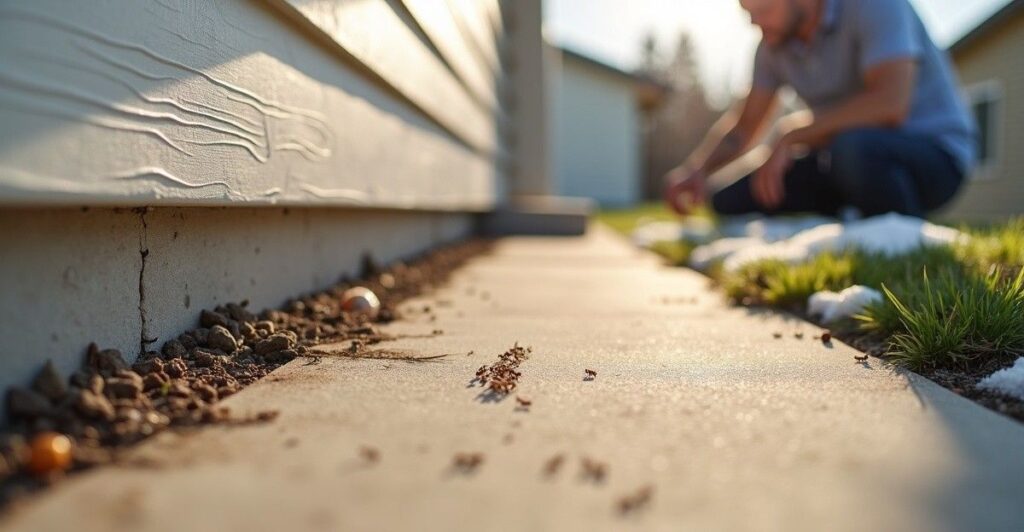
Ants return because surface sprays remove the workers we see but leave the queen, nest, and scent trails intact. We see this often across Eastern Idaho. If we fail to eliminate the entire colony, ants rebuild fast and follow the same invisible highways back inside.
We stop recurring ant problems by targeting the colony at its source and correcting the conditions that attract it. We combine nest-focused treatments with seasonal planning, moisture control, strong sanitation habits, and sealed entry points. One-time sprays rarely solve the issue for long.
Key Takeaways
- Ants reappear because most surface sprays kill visible workers but leave the queen and primary colony alive.
- Food debris, excess moisture, small structural gaps, and protected nesting zones commonly drive repeat infestations.
- Inconsistent DIY spraying can cause colonies to split or shift locations, a phenomenon known as colony budding described in university entomology research.
- Strong prevention relies on sanitation, sealing gaps, moisture control, and carefully placed bait that reaches the colony.
- Professional inspections identify the nest source and factor in Eastern Idaho’s seasonal ant activity patterns.
Ants Keep Coming Back: The Real Reasons Behind Recurring Infestations
Ants rarely live alone. When we see a line of ants across the counter or along a baseboard, we’re seeing a small part of a much larger colony working behind the scenes.
That’s the main reason ants keep coming back. Worker ants leave scent trails to food and water, while the queen stays protected in the nest. Most surface sprays kill the ants we see but leave the colony untouched, a limitation explained by university entomology extension guidance on ant colony structure and control methods. As long as the queen and nest remain active, new workers replace the ones that were eliminated.
Several common ant infestation causes drive this cycle:
- Easy access to food, including crumbs, grease, and sugary spills
- Moisture sources from leaks, condensation, or damp soil near foundations
- Shelter areas in wall voids, crawl spaces, or beneath slabs
- Structural gaps that allow entry around doors, windows, and utilities
Large colonies can also form satellite nests. When a colony grows, it may split and create secondary nesting sites. That’s why ants may disappear from one area of a home or business, then show up in another a few weeks later. Without eliminating the primary nest and its satellites, activity often returns.
Seasonal ant activity in Idaho also plays a major role, as documented in National Institutes of Health (NIH) Extension resources on insect seasonality in Idaho. During spring and early summer, colonies expand and forage aggressively. In hot, dry summers, ants move indoors searching for water. As temperatures drop in fall across Eastern Idaho, they look for warm shelter inside structures. Effective ant control in Eastern Idaho takes these seasonal patterns into account.
Preventing recurring ant problems means targeting the nest, identifying entry points, and removing attractants. Focusing only on the ants we see is rarely enough.
Common Mistakes That Lead to Ongoing Ant Problems
Over-the-counter sprays create a false sense of progress. They eliminate visible ants and temporarily disrupt scent trails. However, they may also cause the colony to split or relocate without solving the core issue. Inconsistent DIY ant control methods can even make long-term control harder.
Sanitation gaps are another frequent issue. Crumbs under appliances, sticky spills in pantries, pet food bowls left out overnight, and overflowing trash cans all provide steady food sources. In small businesses, breakrooms and storage areas often get overlooked. Understanding what attracts ants to your home helps pinpoint these overlooked spots.
Structural entry points also matter. Small cracks around doors and windows, gaps along foundations, and openings near plumbing lines make it easy for ants to enter. Ignoring these openings allows new ants to replace those removed.
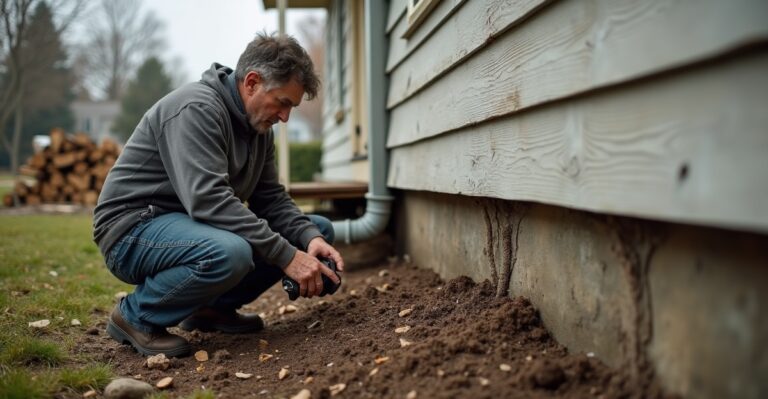
Moisture is just as important as food. Leaky pipes, irrigation overspray, poor drainage, and clogged gutters create damp environments that ants prefer. In Eastern Idaho, landscaping rock can trap heat and moisture close to foundations, increasing activity near slab edges.
Stopping treatment too early is another common mistake. Activity may drop after a few days, but that doesn’t mean the colony is gone. There is no instant or permanent elimination from a single spray. Realistically, how to keep ants out of your house requires consistent monitoring and follow-through.
Practical Steps That Help Keep Ants Out for the Long Term
Long-term control starts with practical, consistent habits. These ant prevention tips work well for many homeowners when infestations are small and nests are likely outdoors.
Step-by-Step Prevention Strategies
We recommend focusing on four key areas:
- Sanitation: Store food in sealed containers. Wipe counters nightly. Clean under appliances regularly. Secure trash with tight-fitting lids.
- Entry point control: Caulk cracks. Repair weather stripping. Seal foundation gaps. Screen vents and utility penetrations.
- Moisture control: Fix plumbing leaks promptly. Direct downspouts away from the foundation. Adjust irrigation to avoid constant damp soil near the building.
- Landscaping adjustments: Trim vegetation away from siding. Move firewood away from structures. Limit mulch depth near foundations in Eastern Idaho climates.
Targeted baiting can also help. When used correctly, bait allows worker ants to carry the product back to the colony. That approach addresses the source instead of repelling them immediately. Spraying directly on trails often interferes with this process.
Many people ask about how to get rid of ants permanently. In reality, long-term control depends on ongoing prevention and seasonal awareness. Consistency is what makes the difference, not a one-time application.
For deeper guidance inside the home, our resource on how to prevent ants in the kitchen outlines practical steps that reduce risk in high-activity areas.
When DIY Is Reasonable — And When It Falls Short
DIY efforts can work in certain situations. Small, early-season activity traced to an obvious food source may respond well to cleaning and properly placed bait. Outdoor perimeter issues without signs of indoor nesting also fall into this category.
However, DIY is less effective when ants reappear repeatedly in the same location. Activity in multiple rooms signals a larger issue. Ants emerging from walls, baseboards, or outlets may indicate nesting inside. Large numbers usually mean a mature colony that requires a more structured approach.
For restaurants, offices, and hospitality businesses, recurring ants raise sanitation and reputation concerns. In those settings, commercial pest control provides consistent documentation and monitoring that DIY methods can’t match.
Professional assessment is often more efficient and cost-effective when colonies are well established. Many property owners also wonder do pests come back after treatment. The answer depends on conditions around the property and whether attractants and entry points are addressed along with the colony.
Safety Considerations for Families, Pets, and Food-Based Businesses
Safety matters in every situation. Homes with children and pets require careful product selection and proper placement of baits. We avoid widespread indoor spraying whenever possible and focus on targeted applications.
All product labels should be read and followed exactly. Misuse can reduce effectiveness and create safety concerns.
Food-based businesses face additional responsibilities. Documented treatments, correct product use, and compliance with health standards are essential. Clear records support inspections and protect brand reputation.
Our approach stays calm and transparent. We identify the ant species, locate likely nest areas, and apply targeted products where they are needed. We avoid unnecessary treatments and explain each step in plain language. That steady process helps maintain safe pest control in homes and businesses alike.
What to Expect From a Professional Ant Treatment in Eastern Idaho
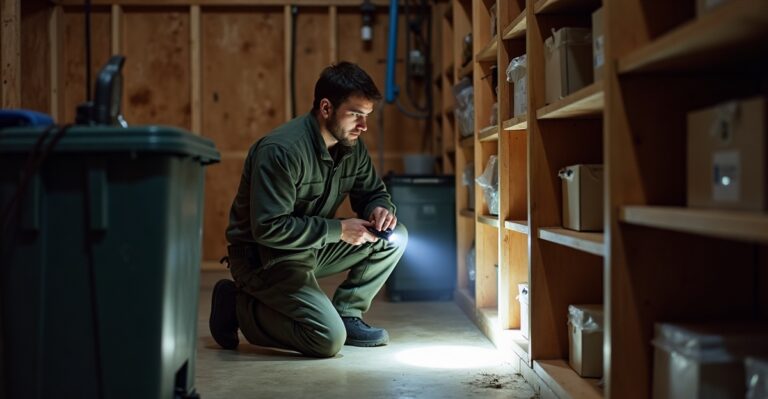
A professional service visit begins with a thorough inspection. We identify the species, locate nesting areas, evaluate entry points, and assess environmental contributors such as moisture or landscaping.
From there, we build a targeted treatment plan. The goal is to address the colony source rather than focusing only on the ants we see. Exterior-focused strategies typically form the foundation, with interior spot treatments used when necessary.
Ongoing monitoring supports seasonal ant prevention. Many homeowners ask how often should pest control be done. The right frequency depends on property conditions, past activity, and local trends in seasonal ant activity Idaho residents experience each year.
We serve Idaho Falls, Twin Falls, Pocatello, Rexburg, Rigby, and surrounding communities through our Eastern Idaho service area. Local building styles, weather patterns, and soil conditions all influence ant behavior. That regional insight shapes effective ant control strategies.
Homeowners can learn more about our residential pest control programs, or review details about specialized ant control services for persistent issues.
Clear communication, transparent pricing, and steady follow-up define our process. We avoid pressure and focus on practical solutions. If ant activity continues or the source remains unclear, scheduling an inspection through our local pest control team can clarify next steps and create a realistic prevention plan built for Eastern Idaho homes and businesses.
Frequently Asked Questions
Ants return when the main colony and queen are not eliminated. Surface sprays often kill visible workers but leave the nest intact. As long as the queen survives, new workers rebuild and follow existing scent trails. Preventing recurring ant problems requires targeting the colony source, not just the ants seen indoors.
The best way to stop ants from returning is to combine sanitation, sealing entry points, moisture control, and properly placed bait. Store food in airtight containers, repair leaks, and caulk cracks around doors and foundations. Bait works by reaching the colony, which is essential for preventing recurring ant problems long term.
Yes, inconsistent DIY spraying can sometimes worsen infestations. Repellent sprays may cause colonies to split, forming satellite nests in new areas. This makes elimination more difficult and spreads activity throughout the structure. Targeted baiting and consistent monitoring are more effective strategies for preventing recurring ant problems.
Seasonal changes strongly influence ant behavior. In spring and early summer, colonies expand and forage aggressively. During hot, dry periods, ants move indoors seeking water. In fall, they search for shelter. Understanding these seasonal patterns helps homeowners adjust prevention efforts before activity increases.
You should contact a professional when ants repeatedly appear in the same areas, spread to multiple rooms, or emerge from walls and baseboards. These signs often indicate a mature or hidden colony. Professional inspections identify nesting locations, contributing conditions, and provide a structured plan for preventing recurring ant problems.