Do Bugs Come Through HVAC Systems?
What Really Happens Inside Your HVAC System
Can bugs travel through air vents? Yes, pests in air vents and ducts can happen, but it’s far less common than many homeowners fear. Most modern systems are closed, filtered, and designed to limit debris and insect movement under normal conditions.
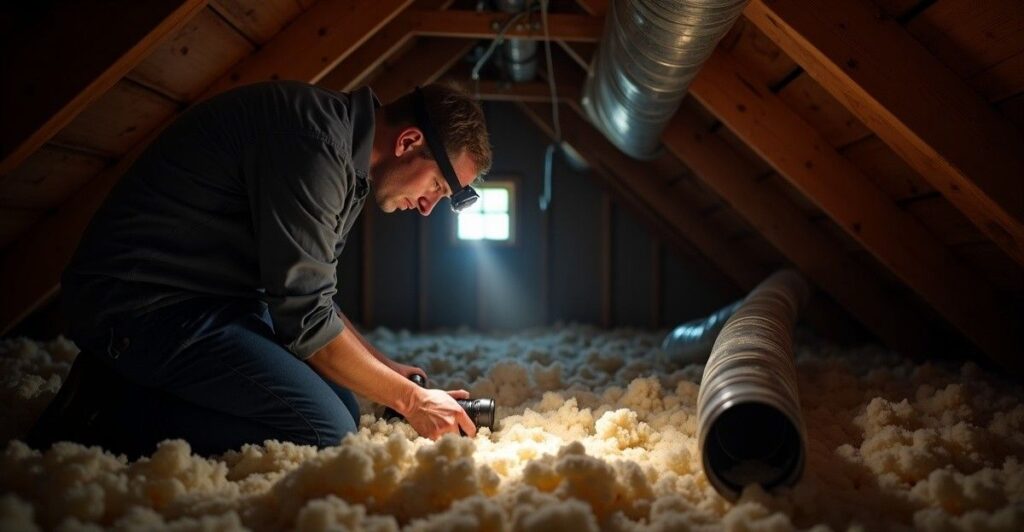
A typical HVAC system pulls air in through return vents, pushes it through ductwork, and delivers conditioned air back into rooms through supply vents, as explained by the U.S. Department of Energy’s overview of how home heating and cooling systems operate. Those ducts often run through attics, crawl spaces, wall voids, and basements. When everything is sealed and intact, airflow moves air—not insects—through the system.
Bugs in HVAC system components are different from pests entering damaged ductwork. In many cases, insects or rodents don’t “ride” the airflow from one end of the home to the other. Instead, they access ducts through gaps, disconnected joints, or exterior openings. Once inside a section of duct, they may show up at the nearest vent.
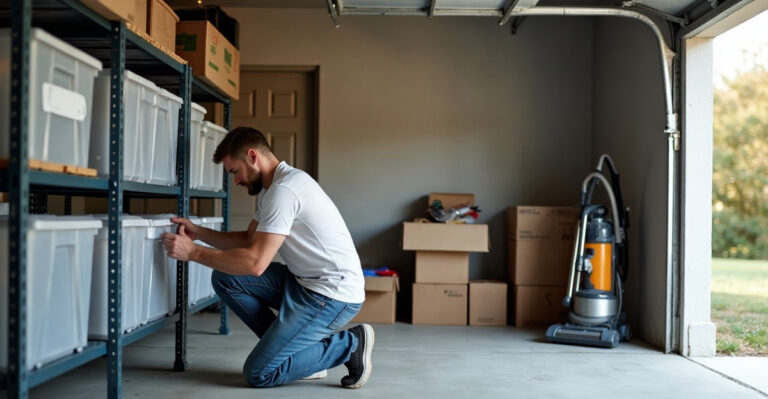
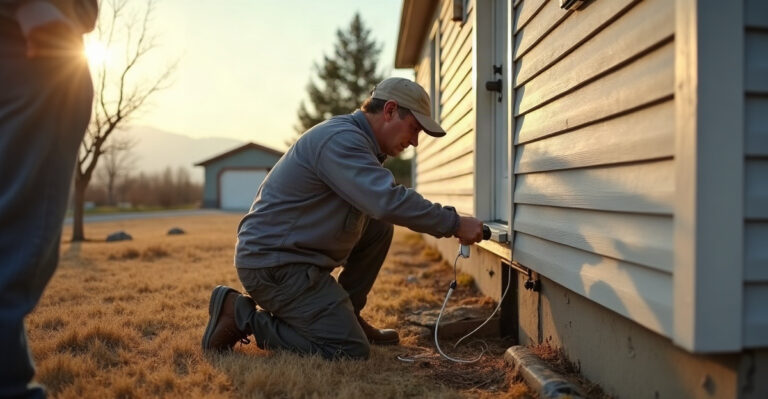
We often find that pests enter from attics, crawl spaces, garages, or small exterior penetrations where lines pass through walls. The system itself usually isn’t the source. The good news is that even when insects coming through vents are present, it doesn’t automatically mean a widespread infestation. Most cases are localized and manageable with proper inspection and sealing.
Why Are There Bugs in My Vents? Common Entry Points
Homeowners understandably ask, why are there bugs in my vents? In our experience with Eastern Idaho pest control, the answer usually comes down to access points—not airflow strength.
Small gaps around duct connections are a common issue. Flexible ducts can loosen over time. Metal duct seams may separate slightly. Even small openings are enough for insects to enter.
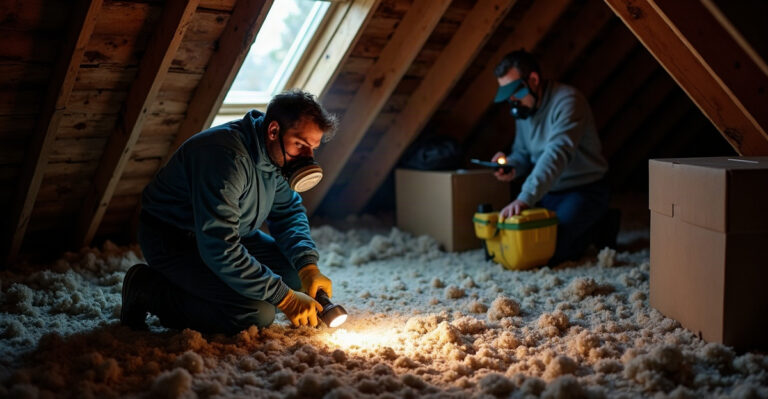
Damaged or disconnected ductwork in attics and crawl spaces is another frequent cause. If a duct section pulls away from the main trunk line, pests in those areas can move directly inside. Unsealed wall penetrations for plumbing or electrical lines also create pathways into wall voids near vents.
Exterior vent covers and screens wear out. A missing or bent cover makes it easier for wasps, flies, and even small rodents to explore.
We also see rodents in ductwork during colder months. Mice in HVAC system components often chew through flexible ducts to create nesting areas. Winters in Idaho Falls, Twin Falls, Pocatello, Rexburg, and Rigby push mice and voles indoors, a seasonal movement pattern documented by University of Idaho Extension guidance on rodent behavior in cold weather. Warm duct insulation becomes an attractive shelter.
Airflow can carry lighter insects, such as cluster flies, short distances. Still, most insects coming through vents originate near that specific vent opening—often from an attic or wall void close by. The issue typically starts locally.
Pests Most Often Found in Eastern Idaho HVAC Systems
In Eastern Idaho, certain pests show up in air ducts more often than others. Seasonal changes play a big role.
Mice and voles are at the top of the list. Cold winters drive them indoors. If entry points exist, they may settle in insulation or chew into ducts. Mice in HVAC system areas often choose attics and crawl spaces first, then expand from there.
Spiders also appear in vents, especially during fall. As temperatures drop, they move indoors for shelter. We’ve covered this pattern in our article on why spiders come inside in fall. Vents near ceilings or in quiet rooms can collect webs because they’re undisturbed.
Cluster flies are another common issue. They overwinter in wall voids and attics. When conditions shift, homeowners may notice insects coming through vents near sunny exterior walls. In many cases, the flies never traveled through the full system. They emerged from wall cavities close to that vent.
Wasps sometimes build nests inside exterior vent openings. If covers are damaged, they can access duct entry points with little resistance.
While pests in air vents and ducts are unsettling, we avoid overstating the health risks. Rodents can contaminate insulation or duct surfaces if nesting occurs, and that’s something we address carefully. Early detection helps keep the problem contained and cleanup straightforward.
Warning Signs That Indicate a Larger Problem
One isolated insect doesn’t usually signal a major concern. Repeated signs, however, deserve attention.
Watch for these indicators:
- Scratching or scurrying sounds in ceilings or walls.
- Droppings near vent covers or in mechanical rooms.
- Musty or foul odors when the HVAC system runs.
- Airflow changes caused by blocked or damaged ducts.
- Recurring insects coming through vents at the same location.
Persistent pests in air vents and ducts may point to rodents in ductwork or insects nesting nearby. Mice in HVAC system components often leave shredded insulation or nesting materials inside ducts. Repeated cluster fly or wasp activity usually means a nearby void is supporting them.
We approach these situations calmly. Air quality, family comfort, and pet safety matter. That said, most issues can be resolved with proper sealing, exclusion, and targeted treatment. Acting early keeps complications to a minimum.
Prevention Steps That Make a Real Difference
Effective HVAC pest prevention focuses on access control. Duct cleaning alone won’t solve the problem if entry points stay open.
Practical prevention includes:
- Sealing gaps around duct joints and exterior penetrations.
- Inspecting attics and crawl spaces for small openings.
- Repairing or replacing damaged vent covers and screens.
- Swapping out torn or crushed flexible ducts.
- Reducing exterior attractants like open trash or cluttered foundations.
Seasonal inspections are especially important in Eastern Idaho. Cold winters push rodents inside. Warmer months increase insect activity. A simple attic or crawl space check before winter can prevent mice in HVAC system areas later.
If ant activity is part of the issue, understanding what attracts ants to homes can help reduce conditions that draw them indoors in the first place. Good sanitation and exclusion work hand in hand.
When homeowners continue asking why are there bugs in my vents despite basic fixes, we recommend a structured inspection. Thorough sealing and coordinated pest control for air ducts provide longer-term results.
When It’s Time to Call a Local Professional
Some situations call for experienced help. Persistent activity after sealing efforts is one. Visible signs of rodents in ductwork, including chewed ducts or nesting debris, are another.
Recurring infestations in either homes or small businesses also warrant professional support. For business owners, sanitation and compliance concerns add another layer of responsibility.
Professional pest control for air ducts begins with a detailed inspection. We identify access points, confirm the pest species, and assess duct condition. From there, we recommend sealing improvements and deliver safe, targeted treatment. If rodents are involved, our rodent control services focus on removal and exclusion. For insect concerns, broader pest control services address the source, not just the symptoms.
As a locally focused Eastern Idaho pest control provider, we understand the seasonal patterns in Idaho Falls and surrounding communities. Cold snaps, snow cover, and dry summers all influence pest movement. Practical solutions reflect those local conditions.
If pests in air vents and ducts continue to appear, we encourage scheduling an inspection. Our team provides steady, straightforward Idaho Falls pest control built on safety and community care. Questions are always welcome, and we’re ready to help assess the situation and guide the next steps.
Frequently Asked Questions
Pests in air vents and ducts usually stay near their entry point rather than traveling throughout the entire system. Most HVAC systems move air efficiently but are not designed for animals to move freely inside. Rodents or insects typically enter through gaps in attic or crawl space ductwork and appear at the closest vent.
The cost to remove pests from HVAC ductwork depends on the type of pest and the extent of damage. Minor insect issues may only require sealing and localized treatment, while rodent infestations often involve removal, sanitation, and duct repair. A professional inspection helps determine the scope and prevents ongoing contamination or repeat entry.
Pests in air vents and ducts can pose health risks if left untreated. Rodents may leave droppings, urine, or nesting debris that affect indoor air quality, a concern outlined in Centers for Disease Control and Prevention guidance on rodent contamination risks. Certain insects can also introduce allergens. Prompt inspection, cleaning, and sealing reduce contamination and help maintain a healthier airflow system inside the home.
Preventing pests in air vents and ducts starts with sealing access points. Repair disconnected duct sections, replace damaged vent covers, and close gaps around exterior penetrations. Regular attic and crawl space inspections also help. Controlling outdoor attractants such as exposed trash or foundation clutter further reduces the likelihood of entry.
Duct cleaning alone is not enough to solve pests in air vents and ducts. Cleaning removes debris and contamination, but it does not address how the pests entered. Without sealing gaps, repairing damaged ducts, or treating the source infestation, insects or rodents are likely to return. Long-term prevention requires exclusion and targeted control.