Why Do Bugs Appear After Rain?
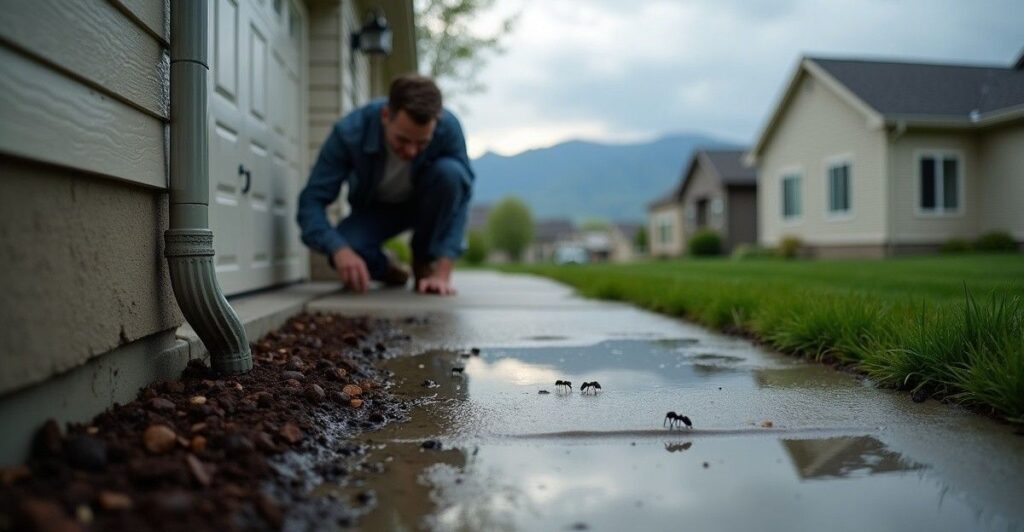
Pests often become more visible after heavy rain. Storms flood underground nests and collapse burrows, driving insects and rodents to seek dry shelter along foundations, basements, and garages. In Eastern Idaho, saturated soil, clay-heavy drainage, irrigation runoff, and rapid moisture changes all contribute to why bugs appear after rain even when properties seemed unaffected the day before.
Key Takeaways
- Heavy rain saturates soil, displaces ants, spiders, earwigs, rodents, and other pests, and pushes them toward dry, stable structures.
- Eastern Idaho’s clay soils and surface water buildup near foundations increase the likelihood of indoor pest activity after storms.
- Storms often expose existing infestations by flushing pests from wall voids, crawl spaces, and slab areas.
- Practical steps like sealing gaps, improving drainage, and reducing moisture help prevent further activity.
- Short-term sightings are common, but ongoing pest issues after conditions dry may signal a deeper problem that needs professional evaluation.
After a Heavy Storm, It’s Normal to See More Insects and Rodents Around Your Property
A heavy thunderstorm rolls through Eastern Idaho. By morning, ants trail across the kitchen floor, spiders show up in the basement, and earwigs line the garage wall.
Pests after heavy rain are common in our region. Storms disrupt outdoor habitats and push insects and rodents to find dry, stable shelter. That often leads them straight to foundations, crawl spaces, basements, garages, and sheds.
Heavy summer thunderstorms, rapid snowmelt, and irrigation runoff in Eastern Idaho all contribute to sudden spikes in insects after heavy rain. Saturated soil floods underground nests and burrows. Standing water collects near structures. As conditions shift, pests move.
Homeowners often ask why do bugs appear after rain when everything seemed fine the day before. In most cases, the storm simply forced activity into plain view. Bugs after rain in Idaho are normal, and this pattern is manageable with steady, practical action.
Rodents after heavy rain follow the same logic. When burrows fill with water, mice and voles seek higher, drier areas. Outbuildings, crawl spaces, and garages become easy substitutes.
The key is staying proactive. A surge in pests after heavy rain doesn’t mean a home is unsafe. It means local wildlife is reacting to weather.
How Heavy Rain Disrupts Pest Habitats and Drives Them Indoors
Soil holds small air pockets that many insects rely on for nesting. When heavy rain saturates the ground, those pockets fill with water. Colonies lose oxygen. Tunnels collapse. Movement starts quickly.
Ants after rain are a clear example. Flooded colonies relocate fast, and interior wall voids or kitchens close to exterior walls can look like safe new shelter. That’s often why we suddenly see lines of worker ants inside.
Rodents after heavy rain behave similarly. Underground burrows can flood or cave in. Mice and voles climb into crawl spaces, sheds, and garages to escape moisture.
Eastern Idaho’s clay-heavy soils make things worse. Stormwater runoff often pools near foundations instead of draining away. As a result, water pressure builds against basement walls and slab edges. Small cracks, gaps around utility lines, poorly sealed doors, and aging weatherstripping become easy access points.
Basement pests after storms frequently point to this type of exterior drainage issue. Crawl space moisture pests also become more active when humidity rises beneath a home. Our semi-arid climate means many pests are adapted to dry surroundings. Sudden moisture changes trigger movement and exploration.
Preventive work matters here. Sealing gaps, improving drainage, and reducing moisture are central steps in how to prevent pests after rain. Consistent maintenance paired with professional pest control Eastern Idaho services keeps pressure low during storm season.
Common Pests in Eastern Idaho You’re Likely to See After Rain
Bugs after rain Idaho homeowners report tend to follow predictable patterns. Storms increase both moisture and insect movement, which draws certain species closer to structures.
Ants after rain are often the first visible sign. Trails appear along sidewalks, near foundations, and inside kitchens. For persistent activity, targeted ant control services help locate and manage the colony source instead of just the surface trail.
Spiders after rain usually increase because their food supply increases. More insects outside leads to more web activity inside garages and basements. For ongoing buildup, structured spider control reduces both webs and the insects attracting them.
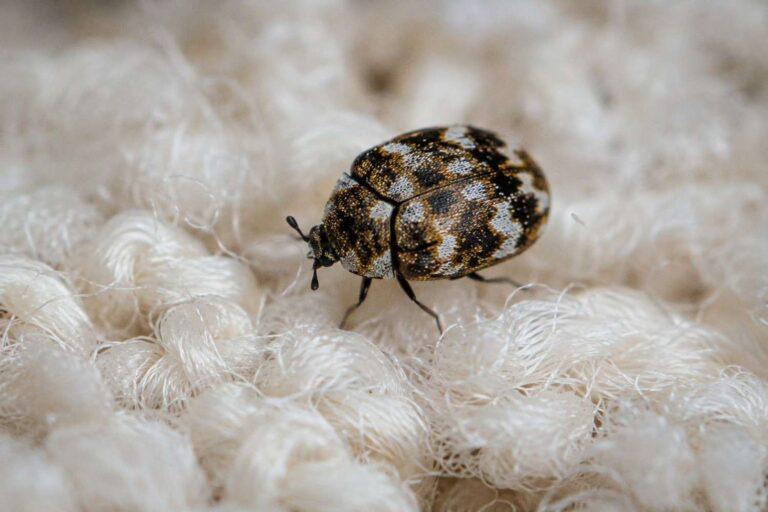
Earwigs after rain thrive in damp mulch beds and along entry points. They often cluster near door thresholds and bathrooms. We cover practical prevention steps in how to get rid of earwigs, especially during wet periods.
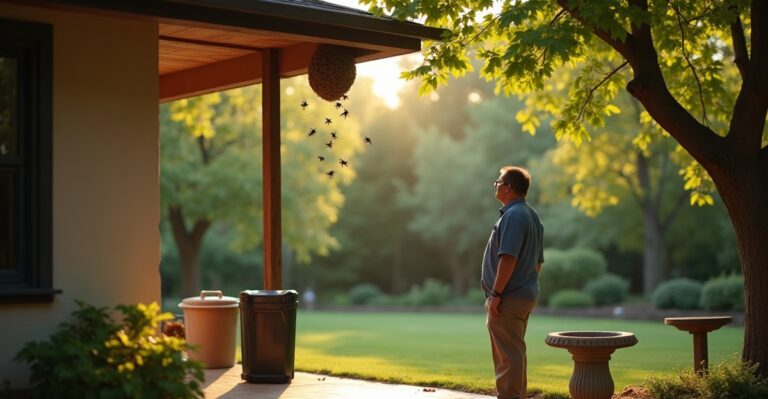
Boxelder bugs and wasps may appear along siding and under eaves once storms pass. Standing water can also increase fly activity, making fly control helpful for homes and businesses near irrigated fields.
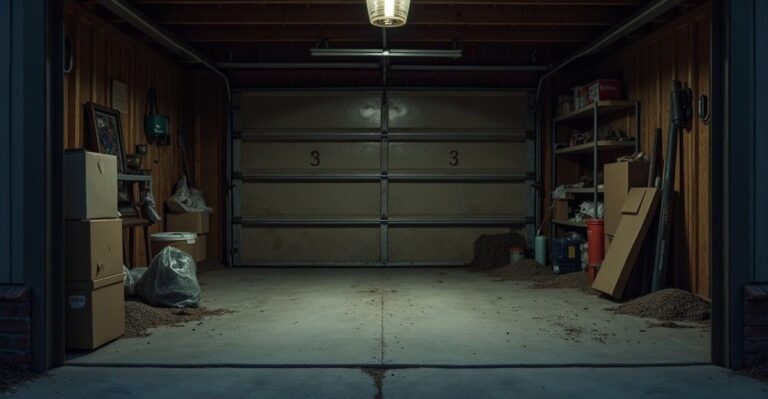
Rodents after heavy rain frequently move into garages and sheds. We often see issues similar to those described in common garage pests, especially on rural or acreage properties.
Homes in Idaho Falls, Twin Falls, Pocatello, Rexburg, and Rigby often have irrigation systems, crawl spaces, and detached structures. These features create ideal post-storm conditions. With experienced Idaho Falls pest control, activity is manageable and predictable.
Why Rain Sometimes Reveals a Hidden Infestation
Storms don’t always create a new problem. Many times, they expose one that already existed.
Heavy rainfall can flush pests from wall voids, beneath slabs, and inside crawl spaces. Homeowners suddenly notice insects after heavy rain and assume they just arrived. In reality, the colony may have been active for weeks.
Basement pests after storms often indicate ongoing moisture buildup. Water intrusion, minor foundation cracks, or poor exterior grading can create long-term shelter conditions. Once humidity rises, crawl space moisture pests become more active and easier to spot.
Repeated waves of pests after heavy rain can signal structural gaps or drainage problems. If sightings spike during every storm, we recommend evaluating both pest entry points and moisture management. Identifying the source early keeps a seasonal issue from turning into a year-round infestation.
What Homeowners and Business Owners Can Do Right Away
Taking steady steps after a storm makes a real difference. These actions reduce how attractive a structure looks to displaced insects and rodents.
Focus on these practical measures:
- Seal gaps around windows, doors, foundations, and utility penetrations.
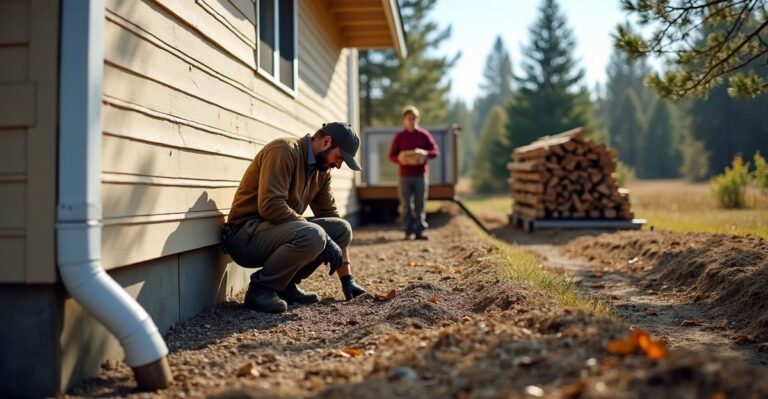
- Check gutters and downspouts so water drains several feet away from the foundation.
- Remove standing water near crawl spaces, basements, and outbuildings. You can learn more about how mosquitoes breed in yard water and why drainage matters.
- Store firewood and building materials away from exterior walls.
- Improve crawl space ventilation to limit crawl space moisture pests.
- Monitor pest activity for several days after rainfall to see if it declines as conditions dry.
These steps define how to prevent pests after rain in a practical way. Consistency matters. Many basement pests after storms are tied to repeated moisture exposure that could have been corrected earlier.
For seasonal planning, we also encourage reviewing spring pest control timing, since early prevention reduces storm-driven infestations later in the year.
When It Makes Sense to Call a Local Professional
Short-term pest activity after a storm is normal. Ongoing activity is different.
If pests continue for more than a few days after the ground dries out, it’s time for closer evaluation. Repeated waves of ants after rain or continued scratching sounds from rodents after heavy rain suggest an established nesting site.
Chewed wiring, damaged insulation, or visible droppings indicate structural risk. Commercial properties also need fast response when insects after heavy rain appear, since cleanliness and reputation matter.
A local inspection helps determine whether we’re dealing with temporary displacement or a deeper issue. Professional pest control Eastern Idaho services focus on clear identification, moisture assessment, and targeted treatment.
As a locally owned company, we understand regional soil, irrigation patterns, and building styles. Our pest control services are straightforward and transparent. We explain findings clearly and outline practical next steps without pressure or hidden fees.
Persistent pests after heavy rain deserve steady attention. With experienced Idaho Falls pest control, both homes and businesses stay protected through every storm season. If questions remain or activity continues, we’re always available through our contact page to schedule a local evaluation.
Frequently Asked Questions
Pests after heavy rain appear because saturated soil floods underground nests and burrows. Ants, spiders, earwigs, and rodents are forced to leave their habitats and search for dry shelter. Foundations, basements, garages, and crawl spaces often provide the stable conditions they need. Storms don’t usually create new infestations but instead push existing outdoor pests closer to buildings.
Pest activity after heavy rain usually lasts a few days while the soil and surrounding areas dry out. As moisture levels return to normal, many insects move back outdoors or rebuild nests in drier ground. However, if pests remain active for more than several days, it may indicate a nearby colony, structural gaps, or a hidden infestation inside walls or crawl spaces.
Yes, heavy rain can drive rodents such as mice and voles into homes. Flooded burrows and collapsed tunnels force them to seek higher, dry shelter. Garages, crawl spaces, sheds, and wall cavities provide protection from moisture and predators. If scratching sounds, droppings, or chewed materials appear after storms, rodents may have established a temporary nesting area.
Ants, spiders, earwigs, flies, and rodents are among the most common pests after heavy rain. Ant colonies relocate quickly when soil becomes waterlogged. Increased moisture also attracts insects, which leads to more spider activity. Earwigs prefer damp environments near foundations and doorways. Standing water can also increase fly populations around homes and buildings.
The best way to prevent pests after heavy rain is to reduce moisture and block entry points. Seal gaps around foundations, doors, windows, and utility lines to stop insects and rodents from entering. Ensure gutters and downspouts direct water away from the structure. Removing standing water, improving drainage, and maintaining crawl space ventilation helps keep pests from seeking shelter indoors.