What’s the Best Way to Get Rid of Earwigs?
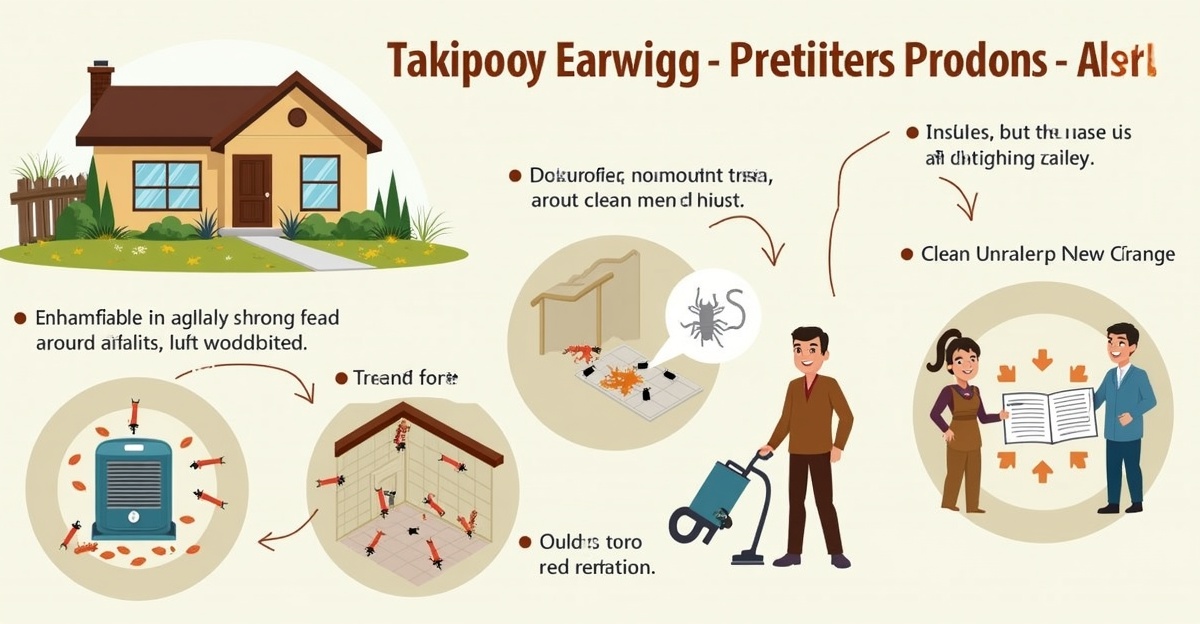
Eliminating earwigs takes a clear strategy focused on outdoor barriers, indoor moisture control, and direct traps. In places like Eastern Idaho, earwigs often slip indoors during shifts in temperature or damp weather. Consistent maintenance and quick response play a key role in keeping them under control.
Key Takeaways
- Earwigs move inside to find moisture and shelter, especially during extreme heat, dryness, or wet weather.
- Blocking entry points, clearing outdoor clutter, and reducing bright light near doors helps stop them from coming in.
- Inside, basic traps, vacuuming, and lowering humidity offer safe and simple control methods.
- Home solutions can solve minor infestations, but larger or stubborn ones usually need expert attention.
- Pest control professionals provide safe, family-friendly treatments that match local building types.
Why Are Earwigs in My Home or Business?
Finding earwigs indoors can catch anyone off guard. Their sharp-looking pincers can be unsettling, but here’s the good news — Earwigs aren’t usually harmful to people or pets, according to university extension entomology guidance on earwig behavior and risk. Still, when they start showing up in kitchens, bathrooms, or office corners, it’s worth understanding why.
In Eastern Idaho, earwigs tend to become more noticeable during wetter spring months and again in late summer. They often move indoors when outdoor conditions become too dry, hot, or cold, as explained in university extension resources on seasonal earwig migration. These insects are looking for moisture, warmth, and shelter — and our basements and crawl spaces often offer just that.
Earwigs are usually about three-quarters of an inch long, dark brown to reddish-black, with noticeable pincer-like appendages at the rear. While they look alarming, those pincers aren’t dangerous.
Earwigs are nocturnal and prefer hiding during the day. Common hiding spots include cool, damp areas like under sinks, behind baseboards, in bathrooms, or near appliances. Outside, they shelter beneath mulch, plant debris, or stones close to the foundation.
Sometimes you’ll see signs before you spot the pest itself. If garden plants start yellowing or there are earwig clusters near doors or thresholds, that may signal a nearby infestation. If you’re wondering when it’s time to call for pest control, a sudden and recurring presence indoors is a clear sign.
How to Prevent an Earwig Problem Before It Starts
Eastern Idaho homes and small businesses face unique seasonal shifts that can make them prone to occasional invaders like earwigs. The key is to make indoor and outdoor spaces less inviting before they move in.
Practical Steps for Better Protection
Here are smart, effective ways to prevent earwigs from showing up indoors:
- Seal up cracks and crevices near home foundations and basement windows.
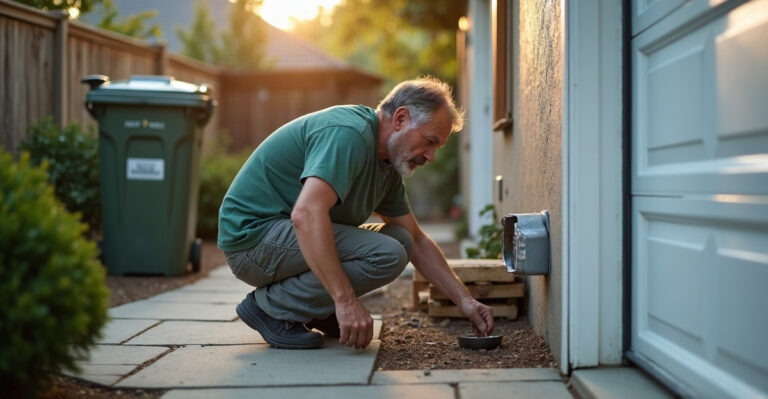
- Clear away mulch, leaves, and plant debris from around exterior walls.
- Improve drainage around the structure, fixing issues like leaky downspouts or irrigation runoff.
- Install door sweeps and check for worn weather stripping.
- Turn off or reposition outdoor lights, especially porch lights, since earwigs are drawn to them at night, a behavior documented in entomology extension publications.
Yard upkeep plays a big role too. During the wetter months of spring and early summer, keep lawns trimmed and garden beds tidy. Moisture control is essential for consistent earwig prevention. These small maintenance steps can make a difference in long-term results.
Safe and Simple DIY Ways to Eliminate Earwigs
If a few earwigs have already made their way inside, there are safe, effective ways to handle the issue before it grows.
DIY Strategies That Work for Homes and Families
These easy steps are family-safe and good for immediate control:
- Set out sticky traps near moisture-prone areas like bathrooms or under sinks.
- Use a vacuum to remove visible earwigs quickly and efficiently.
- Reduce humidity indoors by using dehumidifiers or improving air circulation in basements and crawl spaces.
- Control outdoor lighting by switching to yellow or motion-activated lights.
- Try dish soap and water in shallow containers as a passive trap, keeping them away from pets and children.
Always follow safety instructions on any pest control product and place traps where little ones and pets can’t access them. For DIY options in general, check out our guide on how effective DIY pest treatments really are.
While DIY steps are often helpful, they may not be enough if the infestation is larger or ongoing.
When to Call in a Local Expert
Some situations call for more targeted, professional support. Here’s when we recommend calling in trained pest control experts:
- You’re seeing earwigs indoors for multiple days in a row.
- DIY solutions aren’t reducing the problem.
- You’re concerned about using any pesticide near kids, pets, or sensitive areas.
A professional approach doesn’t need to upend your schedule or involve harsh chemicals. At Falls Pest Services, we provide earwig control in Twin Falls, Idaho Falls, Pocatello, and surrounding areas with safe earwig removal solutions designed for local homes and families.
We use targeted methods that reduce hassle and protect the people and spaces that matter most to you.
Quick Answers to Common Earwig Questions
We hear these questions all the time — here are the clear, simple answers.
- Are earwigs dangerous? No. They don’t bite or carry diseases. They’re mostly just annoying.
- Will they damage my home? Earwigs won’t hurt the structure, but they can damage soft garden plants if numbers grow outside.
- Can they infest my house permanently? No. They’re temporary but may stick around if left unchecked indoors.
- Can I get rid of them on my own? Sometimes, yes. But if they keep coming back, it’s best to get local help.
Remember, in Eastern Idaho, earwigs tend to be a seasonal concern. Taking early action helps prevent lasting issues.
Your Options Are Simple — And Help Is Close to Home
There’s no need to panic over earwigs. They aren’t dangerous, and you’ve got reliable, trusted options to deal with them. Start with outdoor prevention, basic indoor steps, and some well-placed traps.
If the problem lingers, reach out to our local team. We’re close by, easy to talk with, and take pride in solutions that work for families and businesses alike.
Still wondering how safe pest treatments are for pets? We’ve answered that too, so you can feel confident and informed every step of the way.
If earwigs keep showing up despite your efforts, Falls Pest Services is here to help with safe, local solutions for your home or business.
Frequently Asked Questions
You can eliminate earwigs naturally by reducing moisture, sealing entry points, and using simple traps. Dehumidifiers, fixing leaks, and improving ventilation make indoor spaces less attractive. Sticky traps or shallow containers with soapy water help catch earwigs already inside. Consistent outdoor cleanup, like removing mulch and debris near foundations, also limits future entry.
Earwigs usually enter homes to escape extreme outdoor conditions like heavy rain, heat, or dryness. They are drawn to moisture, darkness, and shelter, which makes basements, bathrooms, and crawl spaces ideal hiding spots. Gaps around doors, windows, and foundations make access easy. Addressing moisture and sealing openings helps stop repeat invasions.
The fastest way to get rid of earwigs indoors is to vacuum visible insects and place traps in damp areas. Vacuuming provides immediate removal, while sticky or soapy-water traps reduce remaining activity overnight. Lowering indoor humidity and turning off unnecessary lights near entrances prevents more earwigs from being attracted inside.
Earwigs do not typically cause long-term infestations indoors. They prefer outdoor environments and usually enter homes temporarily when conditions outside are unfavorable. However, if moisture problems and entry points are not corrected, they may continue appearing. Ongoing indoor sightings usually indicate an outdoor population close to the structure that needs to be addressed.
You should call a professional if earwigs appear indoors for several days in a row or DIY methods aren’t working. Professionals can identify hidden moisture issues, exterior nesting areas, and entry points that are easy to miss. They also use targeted treatments designed to control earwigs safely without unnecessary chemical exposure.