Are Ladybugs a Problem Inside Homes?
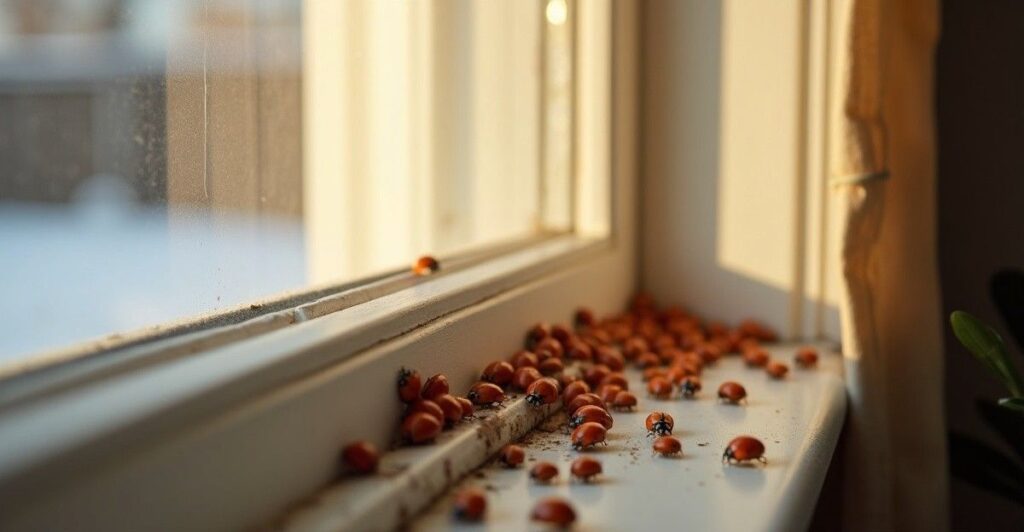
A ladybug infestation indoors often poses more of a seasonal challenge than a structural concern. These insects look for warmth in the fall and tend to cluster around windows or light fixtures during winter. While they won’t harm wood or wiring, large groups can stain surfaces, emit odors, and cause minor irritation. Homeowners often ponder if ladybugs present a significant issue indoors.
Key Takeaways
- Most ladybugs seen indoors are Asian lady beetles, which tend to form sizable groups and emit odors when disturbed.
- They enter homes in the fall to spend the winter, slipping through tiny gaps around windows, doors, siding, and vents.
- Though they don’t breed indoors or damage structures, their clusters can cause staining, odors, and mild allergic reactions.
- Vacuuming offers the safest method to eliminate visible insects, and avoiding crushing prevents stains and odors.
- Sealing entry points and applying timely exterior treatments before fall effectively prevents repeat infestations.
Why You’re Seeing Ladybugs Inside — And Whether It’s a Real Problem
Ladybugs inside house walls or windows can feel alarming at first. In most cases, though, they’re a seasonal nuisance rather than a serious threat.
So, are ladybugs harmful? Generally, no. They don’t damage wood, wiring, insulation, or structural materials. They don’t chew through walls or create nests that weaken a home. A typical ladybugs infestation indoors is about comfort and cleanliness, not property damage.
That said, we understand the frustration. When numbers build up, real concerns can follow:
- Yellow staining when ladybugs are crushed
- A noticeable odor released when they’re disturbed
- Mild allergic reactions in sensitive individuals
Even a few visible insects can make a space feel unsettled. Clusters around windows or light fixtures can disrupt daily routines at home or work.
Here in Eastern Idaho, including Idaho Falls and surrounding communities, these seasonal invasions are common. The good news is they’re usually manageable and rarely dangerous. With calm, practical steps, most homeowners regain control quickly and avoid repeat problems.
Ladybug or Asian Lady Beetle? Why the Difference Matters
Many of the “ladybugs” we see indoors are actually Asian lady beetles. Understanding the difference in the Asian lady beetle vs ladybug comparison helps explain why some invade homes in large numbers.
Both insects are beneficial outdoors. They feed on aphids and other garden pests, and farmers value them. The challenge starts when they move inside for shelter.
Asian lady beetles often vary in color from light orange to deep red. They may have many spots, very few, or sometimes none at all. One clear sign is a dark “M” marking just behind the head. That marking is usually visible when we look closely.
Compared to native ladybugs, Asian lady beetles are:
- More likely to gather in large groups
- More prone to entering homes in fall
- More defensive, sometimes giving a mild nip if handled
- More likely to release an odor-causing secretion when disturbed
Those defensive secretions cause the staining and smell some homeowners notice. While the bite is rare and mild, it can still catch someone off guard.
Even with these differences, both insects play a helpful role outside. The issue doesn’t start until they decide our walls and attics look like a safe winter spot.
Why Ladybugs Enter Homes in Eastern Idaho
We often hear the same concern: why are ladybugs in my home?
The answer starts with overwintering behavior. As temperatures drop in fall, ladybugs in winter look for warm, sheltered spaces to survive the cold months. Homes provide steady temperatures and protection from wind and snow.
Seasonal temperature swings across Idaho Falls, Twin Falls, Pocatello, Rexburg, and Rigby trigger this movement. Warm sunny afternoons followed by cool nights push them to find stable shelter quickly. This pattern contributes to many seasonal pest problems Idaho residents see each year.
Sun-warmed exterior walls attract them first. South- and west-facing walls tend to collect the most heat during the day. Ladybugs gather there, then explore for entry points.
They slip through surprisingly small openings, including:
- Cracks in siding
- Gaps around windows and doors
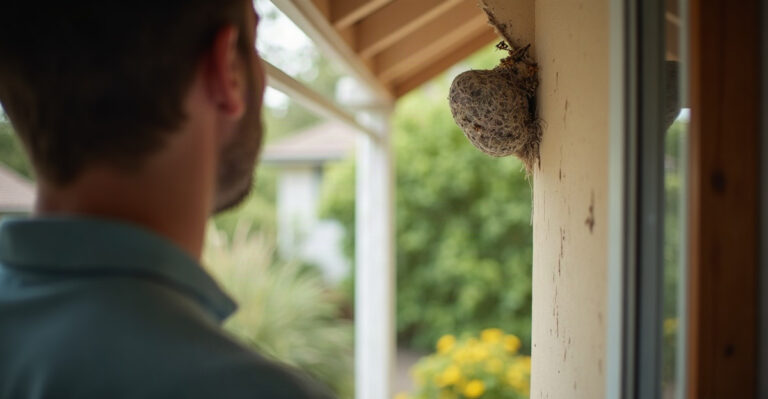
- Spaces in soffits or rooflines
- Vents without proper screening
Some homeowners wonder if bugs enter through ductwork. While that can happen in certain situations, we’ve explained more about this in this guide on HVAC entry.
Once ladybugs settle inside wall voids or attics, they stay mostly dormant. On warm winter days, indoor heat or sunshine can wake them. That’s when they suddenly appear around windows, often weeks or months after fall pest control Eastern Idaho efforts seemed complete.
Common Problems Caused by Large Indoor Clusters
A few ladybugs usually don’t cause major concern. Larger clusters are another story.
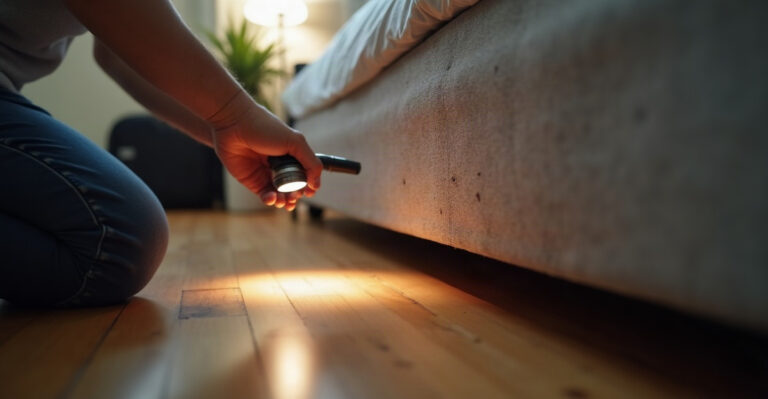
A visible ladybugs infestation indoors can become disruptive, even if it’s not destructive. Common frustrations include yellowish stains on walls, curtains, or furniture when insects are crushed. Odor from defensive secretions can linger in enclosed spaces.
Sensitive individuals may experience mild allergic reactions. This can include minor respiratory irritation or skin discomfort. While serious reactions are rare, any ongoing irritation matters, especially in homes with children or older adults.
Clusters gathering along ceilings, inside light fixtures, or near windows can also create stress. Families and employees often feel uneasy seeing insects in shared areas. That discomfort alone makes the issue worth addressing.
It helps to know that ladybugs do not reproduce indoors during winter. They’re sheltering, not building a breeding population inside the home. Still, repeat invasions year after year can feel like a constant infestation if entry points stay open.
How to Get Rid of Ladybugs Indoors and Prevent Future Entry
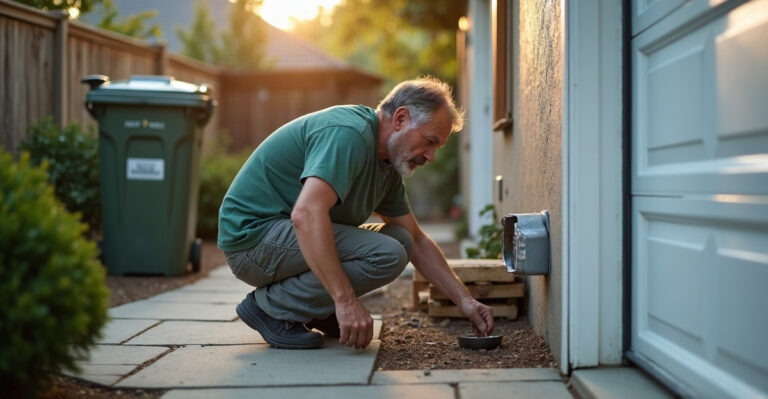
Removal should be simple and careful. Vacuuming is the safest and most effective way to handle visible insects. Avoid crushing them, since that causes staining and odor. After vacuuming, empty the bag or canister promptly to prevent lingering smells.
Prevention matters even more than cleanup. Before fall temperatures drop, we recommend:
- Sealing cracks and gaps with quality caulk
- Installing or replacing weather stripping around doors
- Repairing damaged window screens
- Checking door sweeps for tight seals
- Inspecting siding, soffits, and vent openings
Many homeowners ask whether it’s possible to keep every insect out. Realistically, a home can’t be sealed perfectly, but steps like these make a major difference. We discuss this further in this overview of pest-proofing a home.
Seasonal exterior barrier treatments also reduce entry. Timing is key. Treatments applied before large fall movements begin are most effective. Our approach to pest control in Idaho Falls focuses on targeted applications around likely entry points. We apply products carefully, with attention to children, pets, landscaping, and nearby businesses.
For those who prefer lower-impact options, we also share ideas in this guide to keeping bugs out without chemicals. Simple adjustments often provide meaningful improvement.
When Should You Call a Professional?
Seasonal insects are common in our area. Still, some situations call for extra support.
Professional help may be the right choice if:
- Ladybugs return year after year despite sealing efforts
- Large clusters form in attics or high exterior peaks
- Entry points are difficult or unsafe to access
- DIY steps haven’t solved the issue
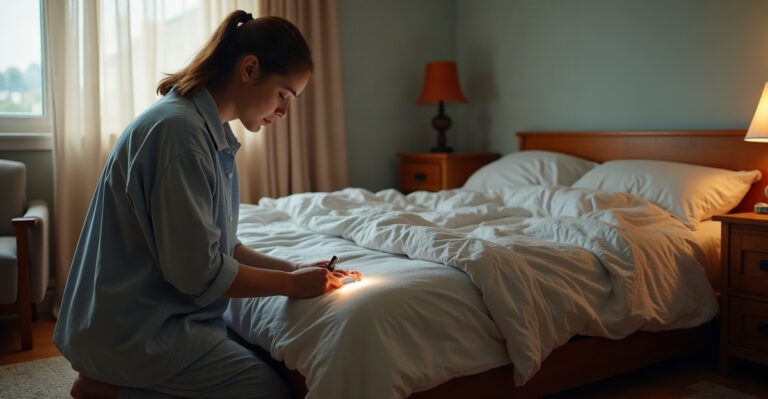
An inspection allows us to identify source areas and recommend practical solutions for seasonal pest problems Idaho homeowners face. We understand how our climate affects pest movement because we live and work here, too.
If you need beetle control in Twin Falls or help with recurring ladybugs inside your Idaho Falls area home, our local team can identify the source and provide safe, effective solutions. Simple prevention, applied at the right time, often stops the cycle and restores peace of mind.
Frequently Asked Questions
No, ladybugs generally do not reproduce inside homes. Most ladybugs found indoors during winter are sheltering rather than breeding. They enter buildings in the fall to overwinter in warm, protected spaces like wall voids or attics. Once inside, they remain mostly dormant until temperatures rise. Seeing multiple insects usually means many entered at the same time, not that a new indoor population has developed.
A ladybugs infestation indoors typically lasts through the winter months. The insects remain inactive in hidden spaces until warmer temperatures or sunlight trigger movement. When this happens, they may appear around windows, ceilings, or light fixtures. Activity often decreases again as temperatures stabilize. The issue usually resolves naturally in spring when the insects leave the home.
In most cases, ladybugs indoors do not cause serious health risks. However, large clusters can trigger mild allergic reactions in sensitive individuals. Symptoms may include minor respiratory irritation, skin discomfort, or irritation from contact. Asian lady beetles may also release a defensive fluid that has a noticeable odor. While reactions are usually mild, reducing indoor clusters can improve comfort.
Ladybugs are attracted to warmth and sunlight when outdoor temperatures begin to drop. Homes with south- or west-facing walls often absorb heat during the day, drawing insects to those areas. Once there, ladybugs search for small openings around windows, doors, siding, or vents to enter. They seek protected indoor spaces to survive winter conditions.
The most effective way to prevent a ladybugs infestation indoors is to block entry points before fall. Sealing cracks, repairing window screens, installing weather stripping, and ensuring vents have proper covers can significantly reduce access. Exterior pest control treatments applied before ladybugs begin seeking shelter can also help. Combining sealing and seasonal prevention provides the most reliable long-term results.