What To Do Before Bed Bug Treatment?
Preparing correctly before bed bug treatment ensures results that are thorough, efficient, and far less disruptive to our home or business. We improve treatment success when we declutter, launder fabrics on high heat, and follow our service professional’s instructions closely. This preparation gives our pest control team clear access to the cracks and hidden areas where bed bugs hide and reproduce.
Key Takeaways
- Remove bedding, clothing, and soft items from affected rooms. Wash and dry everything on high heat, then seal cleaned items in bags or containers until treatment finishes.
- Reduce clutter and create clear access to baseboards, furniture seams, outlets, and wall-floor junctions so service professionals can treat all hiding spots.
- Vacuum carpets, mattresses, bed frames, and upholstered furniture with care. Seal and dispose of vacuum contents in a bag placed in an outdoor trash bin.
- Avoid over-the-counter sprays, foggers, and moving unsealed items between rooms. These actions scatter bed bugs and weaken treatment results.
- Follow the exact preparation and safety instructions from our pest control team, especially those involving children, pets, and re-entry timing.
Start Here: Why Proper Preparation Matters for Effective Bed Bug Treatment
Preparing properly makes a real difference in how well treatment works. When we prepare for bed bug treatment the right way, we help our service professional reach the cracks, seams, and hidden spaces where bed bugs gather.
Bed bugs don’t stay out in the open. They hide in mattress seams, behind baseboards, inside furniture joints, and even in electrical outlets. If those areas are blocked by clutter or personal items, treatment may not fully reach them.
We always recommend following the exact instructions provided by our team. Every home, apartment, office, or rental property is different. If our guidance differs from general advice, our specific instructions should take priority.
Families often worry about children, pets, and cleanliness. Business owners may be concerned about operations and reputation. These are valid concerns. With clear steps and steady preparation, the process becomes manageable.
Skipping preparation can lead to delays, extra visits, or reduced effectiveness. Taking time upfront helps us eliminate the problem faster and with fewer disruptions.
Across Eastern Idaho—including Idaho Falls, Twin Falls, Pocatello, Rexburg, Rigby, and surrounding communities—we work with homeowners and small businesses who want straightforward direction. The goal is simple: reduce stress and make sure treatment works the first time.
Bed Bug Prep Checklist: Room-by-Room Preparation Guide
Following a clear bed bug prep checklist keeps things organized and ensures we don’t overlook key areas.
Bedrooms, Closets, and Living Areas
Before we begin, keep this in mind: bed bugs travel easily. Bag items before moving them to avoid spreading them into clean areas.
Bedrooms
Remove all bedding, including sheets, pillowcases, mattress covers, and blankets. Strip beds completely. Prepare mattresses and box springs exactly as instructed by our service professional.
Empty nightstands and dressers near sleeping areas so we can inspect interior seams and joints.
Pull furniture slightly away from walls if we advise it. This gives us access to baseboards and wall-floor junctions where bed bugs hide.Closets and Clothing
Remove clothing, linens, and other soft items from affected rooms.
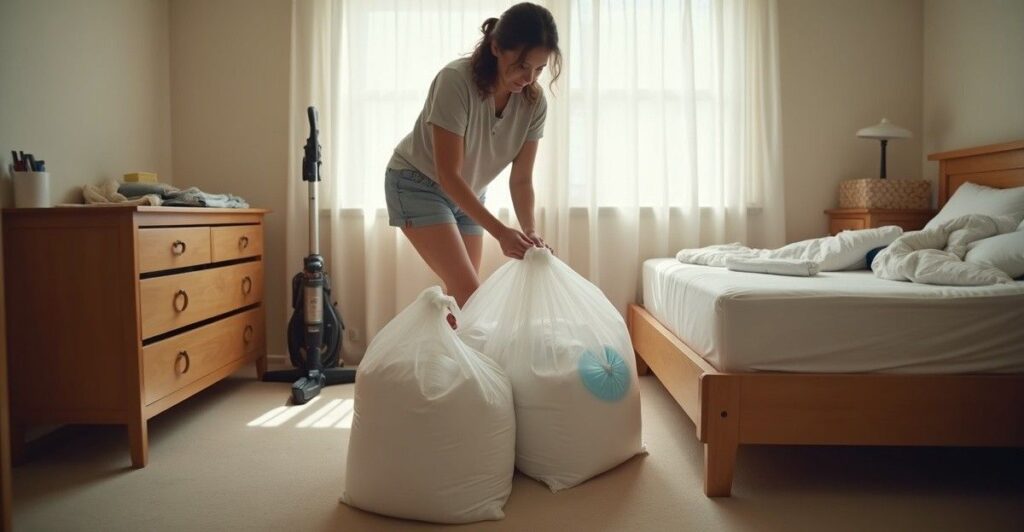
Place items in sealed plastic bags before carrying them to the laundry area.
Keep cleaned and dried items sealed in bags or bins until treatment is complete and our service professional tells us it’s safe to return them.Living Areas
Clear clutter from floors and from under couches and chairs.
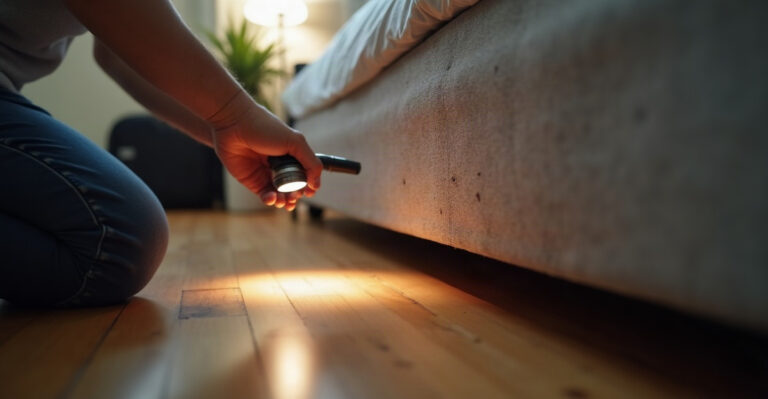
Ensure access to baseboards, electrical outlets, upholstered furniture seams, and cracks in hardwood flooring.
For small offices, hospitality rooms, rentals, or other business spaces, make sure workstations, seating, and storage areas are accessible for inspection and treatment.
This matters because bed bugs hide in very tight gaps. Clear access allows us to inspect thoroughly and treat effectively. Leaving clutter or sealed-off areas untreated can increase the risk of reinfestation.
It also helps to understand that bed bugs are not only found in beds. They often spread into nearby furniture and adjoining rooms, which is why full-room preparation is important.
Bed Bug Cleaning Steps Before Your Exterminator Visit
Smart bed bug cleaning steps completed before an exterminator visit can reduce the active population and improve overall results.
Start with laundry. Heat is one of the most effective tools available.
Wash clothing, bedding, and washable fabrics in hot water whenever the material allows. Dry items on high heat for at least 30 minutes. High dryer temperatures help kill both bed bugs and their eggs. After drying, place items into new, clean plastic bags or tightly sealed bins. Keep them sealed until treatment is finished and we provide further instructions.
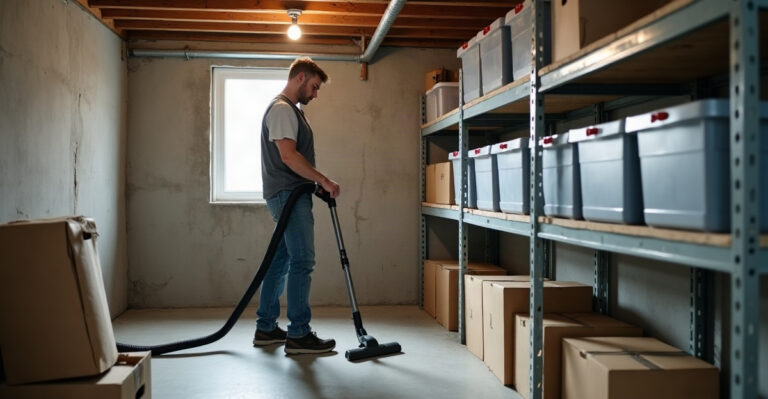
Vacuum thoroughly. Focus on carpets, rugs, mattress seams, bed frames, baseboards, and upholstered furniture. Use crevice tools to reach tight areas. Immediately remove the vacuum bag or contents, seal them in a plastic bag, and dispose of them in an outdoor trash container.
Manage clutter carefully. Avoid moving infested items into other rooms. If discarding items, seal them in plastic before taking them outside. This prevents bed bugs from spreading through the home or building.
If treatment extends beyond bedrooms, store open food items in sealed containers. In commercial settings such as restaurants, offices, or warehouses, follow the specific guidance our service professional provides so operations stay safe and compliant.
These steps don’t replace professional service. Instead, they support it. By lowering the number of active bed bugs beforehand, we improve the chances of a successful outcome.
If there’s uncertainty about whether bed bugs are present, review the signs early by learning how to tell if you have bed bugs. Early confirmation helps prevent spreading the issue during cleaning.
How to Prepare Children’s Items, Pets, and Sensitive Belongings
Homes with children and pets require extra care, and we approach those situations with safety in mind.
Wash stuffed animals and soft toys in hot water when possible. Dry them on high heat for at least 30 minutes. For non-washable toys or delicate items, place them in sealed plastic bags and ask our service professional for guidance on the next step.
Remove all bedding from cribs and bassinets. Follow the same laundering instructions used for regular bedding. Ensure that sleeping areas are fully accessible for inspection and treatment.
Pets may need to be temporarily relocated during service, depending on the treatment method. Our team will give clear direction. If aquariums are present, we may recommend covering or temporarily relocating them. For more detail, review guidance on pet safety after pest control and follow our specific instructions.
Store medications, personal documents, and valuables securely. In most cases, these items can remain in the home, but we’ll advise on any special precautions.
Professional treatments are applied carefully and according to label instructions. In some cases, temporary relocation during service is required. We’ll explain whether occupants can remain onsite by discussing being home during pest treatment and outlining what fits the selected method.
Common Mistakes to Avoid Before Bed Bug Treatment
Certain actions can make treatment less effective or spread the infestation further.
Avoid over-the-counter sprays or total-release foggers before service. These products often push bed bugs deeper into walls or adjacent rooms, making elimination harder.
Do not move mattresses or furniture into hallways or other parts of the home unless items are fully sealed. Moving untreated furniture can spread bed bugs through the structure.
Do not skip laundering because items look clean. Bed bugs and eggs are small and easy to miss.
Do not return cleaned items to treated rooms until we confirm it’s safe. Reintroducing belongings too early can disrupt the process.
Resist the urge to over-prepare. Excessive handling and rearranging can unintentionally move bed bugs into new areas. Always follow the specific preparation guidelines we provide for the property.
What to Expect on Treatment Day and After Service
On treatment day, our service professional begins with a detailed inspection of affected and adjacent areas. We identify active harborages and determine the best application strategy.
Next, we apply targeted treatments into cracks, crevices, seams, wall-floor junctions, and other hiding spots. For detailed information about our process, visit our bed bug control services page.
Re-entry timing depends on the treatment method used. We provide clear instructions before we begin. If questions come up about timing, take a look at what to expect after a pest treatment for general guidance, then rely on the instructions specific to the home or business.
Some infestations require follow-up visits. Bed bugs can be persistent, especially in multi-unit housing or commercial properties. Our commercial pest control services are structured to address these environments carefully and discreetly.
Preparation plays a major role in success. When we prepare thoroughly, treatment is more precise and efficient.
For homeowners and business owners across our Eastern Idaho service area, we’re here to provide steady, local support. If there are questions about how to prepare for bed bug treatment or if it’s time to schedule an inspection, reach out through our contact page. We’ll walk through the steps clearly and make the process as straightforward as possible.