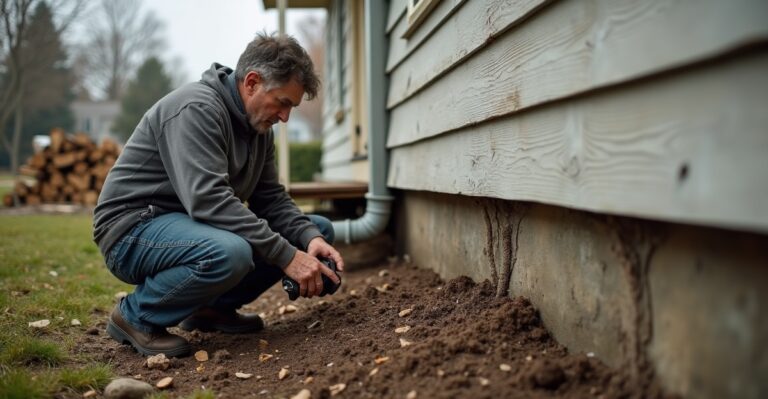
How to Prevent Voles in Your Yard?
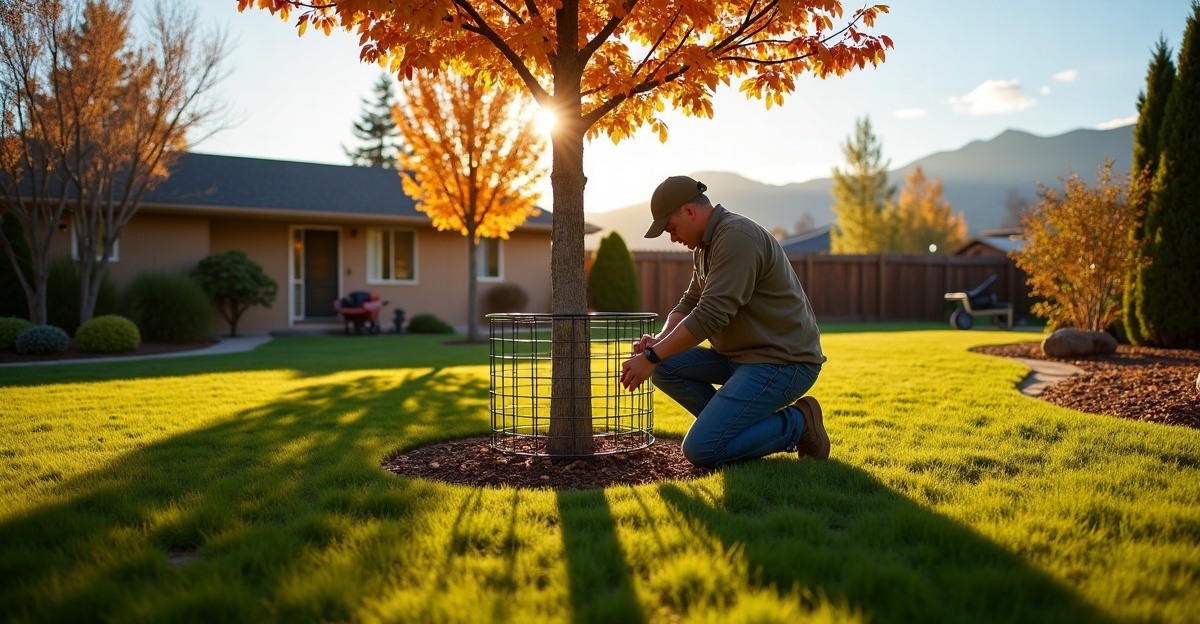
Vole prevention in Eastern Idaho starts with disciplined yard maintenance that removes shelter, food sources, and winter cover before snow hides damage. We manage grass height, mulch depth, plant density, and seasonal inspections to limit vole activity and protect lawns, trees, and gardens throughout the year.
Key Takeaways
- We mow grass short, remove debris, and trim dense vegetation to eliminate cover and feeding areas for voles.
- We prepare yards in late fall to reduce winter damage, since snowpack insulates voles and allows hidden tunneling and feeding.
- We identify voles correctly by checking for shallow surface runways and gnawed bark instead of large soil mounds.
- We protect vulnerable plants with tree guards, proper mulch spacing, and hardware cloth barriers around garden beds.
- We combine habitat reduction with monitoring and targeted trapping for consistent, long-term vole control.
Stop Vole Damage Fast: What Eastern Idaho Homeowners Should Do First
Vole prevention starts with simple, practical yard care steps that reduce shelter and food sources. These small rodents can cause serious damage to lawns, gardens, trees, and even foundation plantings if we give them the right conditions.
In Eastern Idaho, timing matters. Snow cover insulates voles through winter, allowing them to tunnel and feed unseen for months. By the time snow melts in Idaho Falls, Twin Falls, Pocatello, Rexburg, Rigby, and surrounding communities, lawns can look like a maze of chewed grass and exposed soil. That’s why fall preparation before heavy snowfall is especially important.
The first steps are straightforward:
- Keep grass mowed short, especially late in the season.
- Remove thick mulch and debris near trees and foundations.
- Trim back dense ground cover along fences and sheds.
- Clear brush piles and stacked firewood away from structures.
These actions reduce hiding spots and feeding areas. They also make it easier to spot early activity.
Vole prevention isn’t a one-time fix. Ongoing maintenance is the key to protecting landscaping investments and keeping outdoor spaces safe for families and pets. If we stay consistent, we limit the conditions that allow vole populations to build year after year.
Spot the Signs Early: How to Tell If Voles Are in Your Yard
Voles are small, mouse-like rodents that live close to the ground. They differ from moles and gophers, and mixing them up can lead to the wrong solution.
Here’s how to tell them apart. Voles create visible surface runways—narrow, crisscrossing paths through grass or under snow. Moles push up raised tunnels and leave ridges or volcano-shaped soil mounds. Gophers make larger, fan-shaped mounds and dig deeper burrow systems. Voles focus on roots, bark, and low vegetation rather than pushing up large piles of soil.
Common signs of vole activity in Eastern Idaho yards include:
- Shallow runways throughout the lawn, especially after snowmelt.
- Gnawed bark at the base of young trees and shrubs.
- Sudden dieback in garden plants.
- Soft, spongy areas where tunnels sit just under the surface.
- Increased feeding near irrigated areas and garden beds.
Damage often becomes visible in early spring. Under steady snowpack, voles stay active and feed on bark near the soil line. Snow shields them from predators, which can lead to heavier winter losses.
Before taking action, we need to confirm the pest. Misidentifying moles or gophers as voles changes the entire control plan. If there’s any doubt, reviewing the difference between mice and voles can help clarify what we’re seeing and support better decisions.
Why Voles Thrive in Eastern Idaho Yards
Eastern Idaho provides excellent conditions for voles. Long winters, steady snowpack, and seasonal irrigation create a protected feeding environment.
Voles are drawn to:
- Tall, unmanaged grass.
- Thick mulch layers around shrubs and trees.
- Dense ground cover and ornamental plantings.
- Consistently moist soil from irrigation.
- Gardens and properties bordering fields or open land.
Snow cover plays a major role. That insulating layer allows voles to move freely above the soil surface while staying out of sight. They feed on grass stems, roots, and tree bark for weeks or months without interruption. When spring arrives, damage appears all at once.
Rural acreage around towns like Rexburg and Rigby often experiences higher vole pressure than tightly managed suburban lawns. Properties near agricultural fields can see reinfestation from neighboring land. That doesn’t mean suburban homes in Idaho Falls or Pocatello are immune. Even small yards with thick decorative landscaping can support populations.
The good news is that vole issues are common and manageable. With steady yard care and targeted action, we can greatly reduce their impact. Clear expectations lead to less frustration and more effective results.
Practical Vole Prevention Steps for Your Yard
Strong vole control yard strategies focus on habitat modification first. We reduce cover, limit access to food, and protect vulnerable plants.
Lawn and Vegetation Management
Keep grass cut short, especially in late fall. Long grass gives voles protection from predators. Pay attention to fence lines and property edges where vegetation tends to grow thicker.
Manage mulch carefully. Avoid deep mulch layers around shrubs and trees. Pull mulch back several inches from trunks so bark stays exposed and dry. Dense ground cover plants may look attractive, but they often create ideal shelter.
Prepare the yard before winter. A final mow and debris cleanup before snowfall can reduce winter survival. If we’ve wondered do you need pest control in the spring, the answer often depends on how well we managed conditions the previous fall.
Protect Trees, Gardens, and Foundations
Young trees are especially vulnerable. Install tree guards before winter to prevent bark chewing at the base. Inspect trunks after snowmelt and address any damage early.
Clear shelter areas near the home. Remove brush piles and keep stacked firewood elevated and away from siding. Trim shrubs so they don’t rest against foundations. These steps also support broader preventative pest control efforts around the home.
For gardens, hardware cloth barriers can protect raised beds and sensitive plantings. Make sure barriers extend below soil level to limit access.
If trapping or using repellents, prioritize safety. Place traps in covered boxes to protect children and pets. Follow all label instructions carefully. Humane, well-placed methods are safer and generally more effective than random placement.
Consistency matters most. Ongoing mowing, trimming, and inspection form the backbone of effective vole prevention.
How to Get Rid of Voles: What Works, What Doesn’t, and Safety Considerations
Many homeowners search for how to get rid of voles and hope for a single quick fix. In practice, control works best as a layered approach.
Repellents may offer short-term relief, especially around ornamental plantings. However, rain, irrigation, and snow reduce their effectiveness. They rarely solve a larger population issue on their own.
Trapping can work well in localized areas with clear runway systems. Proper placement directly in active runways increases success. Covered trap stations protect pets and wildlife. Regular monitoring is important.
Rodenticides require caution. Incorrect placement can pose risks to pets, livestock, and non-target wildlife. We recommend avoiding casual use, especially in residential areas with children and irrigation systems.
Effective pest control for voles programs combine:
- Habitat reduction through mowing and debris removal.
- Monitoring for new activity.
- Targeted trapping or treatment in active zones.
No method guarantees instant elimination. Population pressure from nearby fields or unmanaged properties can lead to recurring activity. That’s why prevention and monitoring remain just as important as treatment.
When to Consider Professional Vole Control for Long-Term Protection
Sometimes DIY methods aren’t enough. Recurring damage year after year is a clear sign that outside help may be needed. Extensive runway systems across large lawns also point to established populations.
Tree and shrub loss despite prevention efforts is another indicator. Rural acreage near agricultural land often benefits from a structured management plan instead of spot treatments.
Professional rodent control services typically begin with a detailed inspection. We identify active areas, pressure points, and landscape features contributing to the problem. Treatment focuses on the affected zones while considering pets, wildlife, and family safety.
Long-term plans often include seasonal monitoring and habitat adjustment. Our experience working across the Eastern Idaho service area helps us account for local climate, snowpack patterns, and surrounding land use.
Homeowners in Idaho Falls can also explore our dedicated Idaho Falls pest control services for location-specific support.
Consistent management usually produces the best results. If we’re seeing signs of vole damage and want a clear, safe plan for the property, the team at Falls Pest Services is here to help with a local inspection and long-term prevention strategy.