Are Pest Treatments Safe for Gardens?
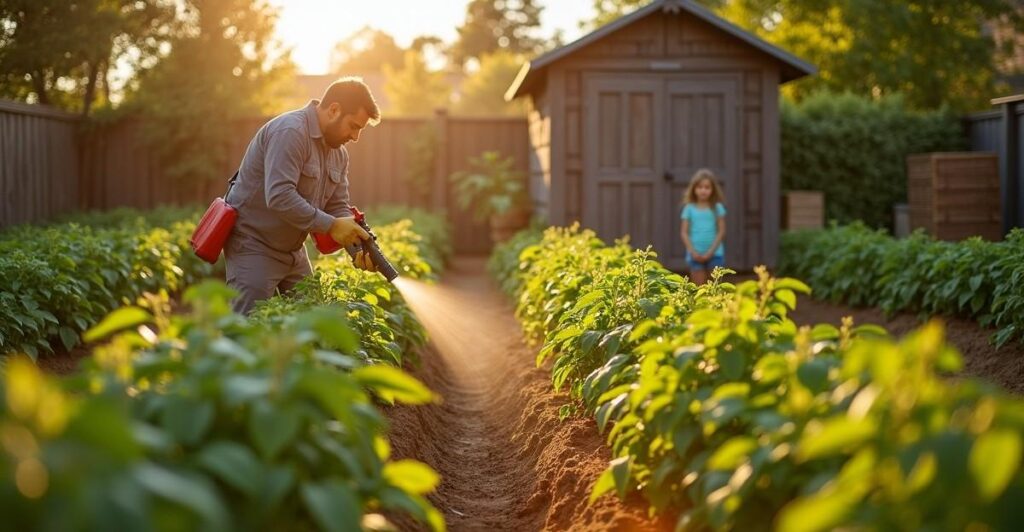
Pest control near vegetable gardens can be done safely when we apply the right methods at the right time. At Falls Pest Services, we rely on EPA-registered products and follow Integrated Pest Management strategies. These steps help us protect your crops while reducing impact on pollinators, soil, and harvests.
Key Takeaways
- Safe pest control around gardens starts with careful planning: smart product choices, buffer areas, and well-timed applications all matter.
- Falls Pest Services applies EPA-registered, low-toxicity treatments that work well near edible crops.
- We focus on Integrated Pest Management strategies—using physical barriers and beneficial insects—before turning to chemical treatments.
- Organic solutions are available, though they often require more frequent use and correct timing to avoid damaging plants or insects that help your garden.
- Stick to re-entry timelines after treatment to keep produce safe to eat and handle.
What You Need to Know First: Are Pest Treatments Safe Around Edible Gardens?
Using pest control near vegetable gardens can be safe when handled properly. At Falls Pest Services, we stick to EPA-registered products and follow Integrated Pest Management (IPM) practices to protect your garden and your peace of mind. Those methods help keep treatments effective while limiting risks to plants, soil, and people.
Treatments can be safely applied near edible plants, but success hinges on thoughtful planning. We look closely at timing, how the product is applied, and how far it’s kept from garden beds. Creating buffer zones and avoiding application during pollinator hours—especially during early morning bloom—helps reduce risks while managing pests where they cause the most trouble.
We use family-safe and pet-safe pest treatment options suited for yards that include homegrown herbs, vegetables, or fruit. With careful application and guidance, pest control can support a thriving garden rather than threaten it.
Smart and Safe Pest Control Methods for Garden Areas
How Integrated Pest Management Works Around Gardens
We approach garden pest issues using Integrated Pest Management (IPM) principles outlined by the USDA that avoid blanket sprays and favor environmentally responsible steps. Our first choices often include:
- Physical barriers like netting or copper tape
- Attracting beneficial insects that feed on pests
- Trapping or removing insects manually
These steps reduce pest activity without risking long-term impacts on your plants or soil.
If chemical treatments are necessary, we select options considered lower in toxicity and apply them as precisely as possible. Always EPA-registered, these products are used sparingly and in line with expert advice.
Balancing Organic Methods with Effective Prevention
We also offer garden-friendly pest control with organic options. These products are derived from natural sources and can work well—especially with routine monitoring. However, they may need to be reapplied more often to stay effective. We’ll guide you through when that makes sense and when other strategies might be safer and more reliable.
Our priority is always to reduce harm to pollinators, protect edible plants, and support your outdoor space without overusing any treatment.
How Falls Pest Services Keeps Eastern Idaho Gardens Safe
Garden care in Idaho requires local insight. We treat properties across Eastern Idaho with an understanding of common seasonal pests like spider mites, aphids, earwigs, and voles. Our service professionals are trained to recognize local plant cycles, from early spring lettuce to late-summer squash.
Every treatment is planned with consideration for pollinators. We avoid spraying during bloom and skip any applications during peak bee activity, following EPA pollinator protection guidance for pesticide applications. Whether you’ve got raised beds, herbs growing in pots, or a full backyard greenhouse, we work with your space to keep things growing safely.
As your reliable choice for local pest control services near me, we never take shortcuts. Our approach is both careful and practical, built to guard your garden while solving the pest issues around it. When working with edible plants, we offer direct advice and planning before we begin any treatment.
Common Misconceptions About Pest Control and Gardens
There’s a lot of confusion around pest control safe for edible plants. One myth is that any product labeled “natural” comes with no risks. In truth, even essential oil sprays—though from plants—can still damage leaves or stress pollinators when sprayed at the wrong time or concentration.
“Safe” doesn’t mean hazard-free in every condition. Safety comes from how—and when—the treatment is applied. Even some organic pest control near garden beds needs to be handled with training and care.
Another misconception surrounds DIY methods. While home remedies and store-bought sprays can look harmless, misuse often causes over-application. That not only wastes money but may cause more damage to your plants than the pests would have.
We help avoid all that by offering advice and treatments that work. Before applying anything near your vegetables or herbs, we check the environment, spacing, crop type, and weather. That’s how we make pest control safe for vegetable gardens without making assumptions.
For a helpful look at the downsides of over-the-counter methods, see are DIY pest treatments effective?.
What You Should Ask Before Booking Pest Treatment Near Your Garden
The right questions help ensure safe protection around your vegetable patch. Here’s a helpful checklist to guide your conversation:
- Is the product EPA-registered for use near homegrown food?
- Will there be a buffer zone between treatment areas and edible plants?
- How long is the re-entry period, and what does it mean for harvesting?
- Are the products used during bloom safe for bees and pollinators?
- Do you offer organic or low-impact alternatives if I prefer?
Our team answers these questions in plain language. We’ll walk through your garden layout, listen to how and when you plant, and lay out exactly what to expect.
For deeper guidance on timing after service, read what to expect after a pest treatment. That’s the kind of transparency that helps families feel confident in their garden care decisions.
Answering Your Top Garden Safety Questions
Can I Eat Vegetables After Pest Treatment?
Yes—just wait until the re-entry window passes. That window varies depending on the product but is usually between 24 to 72 hours, based on re-entry interval guidelines explained by the National Pesticide Information Center. We always provide that guidance in writing after a visit. Once that period expires, it’s safe to harvest, wash, and eat from your garden as usual.
Is Organic Pest Control Always Better for Gardens?
Organic methods can be effective, but not always better in the long run. Their main advantage is lower risk of long-term residue. However, without the right knowledge, even organic products can harm plants or require frequent reapplication that stresses your ecosystem.
For many garden-heavy properties, low-impact synthetic treatments—chosen and applied by professionals—offer stronger consistency with fewer side effects. We help you weigh the options clearly, never pushing one method over another without reason.
To prepare your garden before a visit, we recommend:
- Covering exposed produce if possible
- Clearly marking edible beds or containers
- Pausing watering the day of treatment
- Letting us know which areas should stay chemical-free
If pets also roam your garden, you can check out our guide on how safe pest treatments are for pets for added peace of mind.
For safe bug spray for vegetable gardens that doesn’t put your crops—or your family—at risk, we encourage a simple, no-pressure consultation. Contact us today, and we’ll work out the right plan for your space. Our job is to solve the problem without hurting what you’ve worked hard to grow.
Frequently Asked Questions
Yes, pest control can be safe near vegetable gardens when products are properly selected and applied. Using EPA-registered treatments, maintaining buffer zones, and applying products at the right time reduces risk to edible plants. Professional pest control services follow guidelines designed to protect soil health, pollinators, and food crops while still managing pest activity.
You should wait until the product’s re-entry or pre-harvest interval has passed before harvesting. This timeframe is usually between 24 and 72 hours, depending on the treatment used. Following the recommended waiting period ensures residues break down to safe levels and produce can be washed and eaten safely.
Pest treatments can harm pollinators if applied incorrectly. Risk is reduced by avoiding applications during bloom periods and peak bee activity. Targeted treatments, spot applications, and Integrated Pest Management methods help control pests while minimizing exposure to beneficial insects like bees and butterflies.
Organic pest control methods can be safer but are not risk-free. Natural products may still damage plants or beneficial insects if overapplied or used at the wrong time. They often require more frequent applications, so proper timing and dosage are essential to maintain garden health without disrupting the ecosystem.
You should ask whether the products are approved for use near edible plants, how buffer zones are handled, and how long re-entry periods last. It’s also important to ask about pollinator safety and whether low-toxicity or organic alternatives are available for garden-specific pest concerns.