How to Keep Rodents Out of Crawlspaces
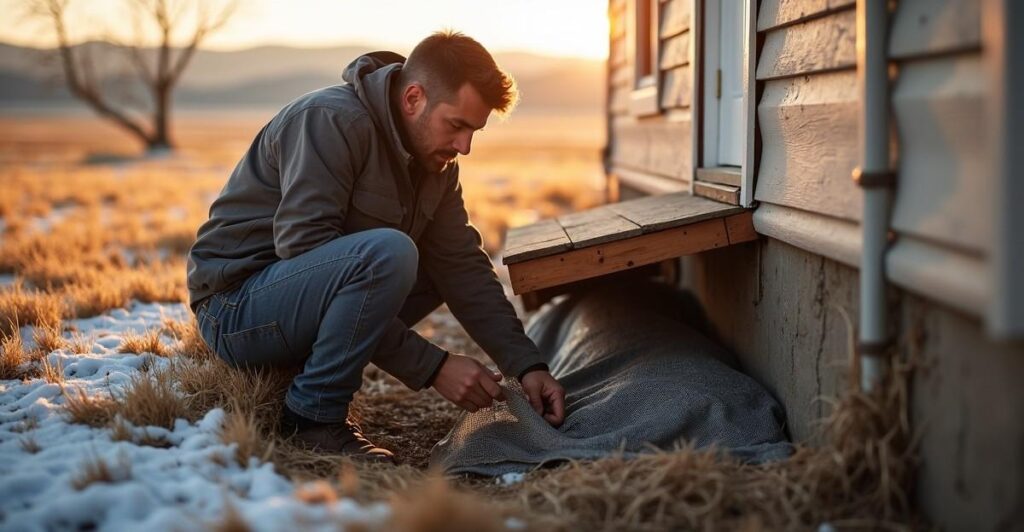
Rodent proofing crawlspaces remains critical in Eastern Idaho. Cold winters, open farmland, and moisture buildup create ideal shelter for mice and rats beneath our homes. We keep rodents out of crawlspaces by sealing entry points, managing moisture, and addressing the specific risks these pests pose to insulation, wiring, and indoor air quality.
Key Takeaways
- Crawlspaces attract rodents because they provide warmth, nesting materials, moisture, and quiet shelter, especially during fall and winter.
- Common entry points include foundation gaps, vent screens, sill plates, pipe penetrations, and poorly sealed access doors.
- Rodents damage insulation, chew electrical wiring and plumbing, contaminate air quality, and increase heating costs.
- Effective prevention combines durable sealing materials, proper ventilation, drainage improvements, and exterior maintenance.
- Professional inspections identify hidden entry points and deliver long-term solutions for recurring or complex infestations.
Why Crawlspaces Attract Rodents in Eastern Idaho
Crawlspaces offer steady shelter during Eastern Idaho’s long, cold winters and unpredictable freeze/thaw cycles. The space beneath a home stays warmer than the outside air, which makes it highly attractive to mice and rats searching for protection and nesting space.
Homes across Idaho Falls, Twin Falls, Pocatello, Rexburg, and Rigby often sit near fields, irrigation ditches, or open land. Properties with acreage or agricultural surroundings naturally experience more rodent pressure. It’s no surprise we frequently hear about mice in crawl space Idaho homes during late fall and early winter.
Crawlspaces also provide everything rodents need to settle in:
- Exposed insulation that works as soft nesting material
- Quiet, undisturbed conditions
- Access to plumbing lines and electrical wiring
- Moisture buildup from poor drainage or ventilation
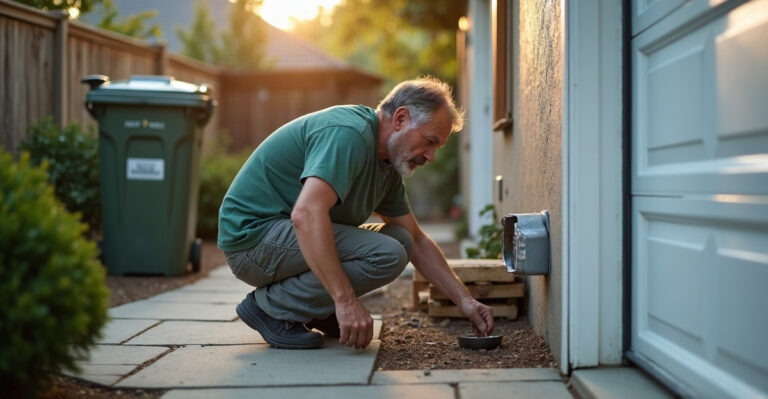
Local construction features can unintentionally create entry points. Block foundations, crawlspace vents, sill plates, pipe penetrations, and utility lines are common access areas. Even small gaps around access doors can invite activity.
Rodent proofing crawlspaces starts with understanding these conditions. Effective crawlspace rodent prevention focuses on closing gaps, addressing moisture, and limiting nesting features that make the area comfortable.
The Real Risks: What Rodents Can Damage Beneath Your Floors
Rodents don’t stay still once they enter a crawlspace. They chew, nest, and move materials around. Over time, that activity leads to costly and sometimes dangerous damage.
Rodent-damaged insulation is one of the most common problems. When insulation is shredded or compressed for nests, it loses effectiveness. During Eastern Idaho winters, that loss can increase heating costs and make floors feel noticeably colder.
Electrical wiring is another frequent target. Rodents chew to prevent their teeth from overgrowing. Damaged wiring can result in expensive repairs and, in some cases, increased fire risk, as documented by the Bills Pills Termite Control regarding rodent-related electrical damage. Plumbing lines and vapor barriers may also be affected.
Crawlspaces connect to the rest of the home’s air system. Contaminated insulation and droppings can impact indoor air quality as air circulates upward, a concern outlined by the Centers for Disease Control and Prevention (CDC) on rodent contamination risks. Musty or ammonia-like odors often spread through HVAC systems, even when the source is below the floor.
Long-term moisture and burrowing may affect framing and soil stability. Most homes won’t experience structural damage overnight, but ignoring the issue allows small problems to grow into larger repairs.
Clear signs of rodents in crawlspace areas should never be dismissed. If rats are suspected, immediate rat proofing crawlspace measures help limit further damage.
Early Warning Signs of Rodent Activity in a Crawlspace
Rodents are typically most active at night. Scratching, scurrying, or movement noises beneath the floor are often the first indicator.
Other visible signs may include:
- Droppings along foundation walls or on insulation
- Torn or sagging insulation
- Gnaw marks on wood framing, pipes, or wiring
- Musty or ammonia-like odors
- Burrow holes near the exterior foundation
- Damaged vent screens or gaps along sill plates
These are all common signs of rodents in crawlspace environments. In Eastern Idaho, seasonal migration increases in fall as temperatures drop, which is when many homeowners first notice activity.
Routine inspections strengthen crawlspace rodent prevention. Checking vent screens, access doors, and foundation lines several times each year allows small entry points to be corrected early.
If rodent activity extends to nearby areas like attached garages, reviewing concerns outlined in garage rodent entry issues can provide useful insight.
Practical Steps for Crawlspace Rodent Prevention
Effective prevention begins outside the home and works inward. Rodent exclusion requires durable materials and careful attention to detail.
Sealing Entry Points the Right Way
Small gaps around pipes, utility lines, and foundation cracks often serve as primary entry routes. Hardware cloth and metal flashing offer long-term protection. Spray foam alone may slow rodents, but it rarely withstands persistent chewing.
Crawlspace vents should have secure, properly fitted covers that allow ventilation while blocking rodents. It’s important to maintain appropriate airflow to prevent moisture buildup.
Crawlspace access doors must close securely and include weather stripping. Even a small opening can allow mice or rats to enter.
Rat proofing crawlspace systems should also include inspecting sill plates where framing meets the foundation, as natural settling can create gaps over time.
Managing Moisture and Exterior Conditions
Crawlspace moisture control plays a major role in denying rodents the environment they prefer. Damp conditions increase nesting appeal and long-term damage risk.
To reduce moisture and rodent attraction:
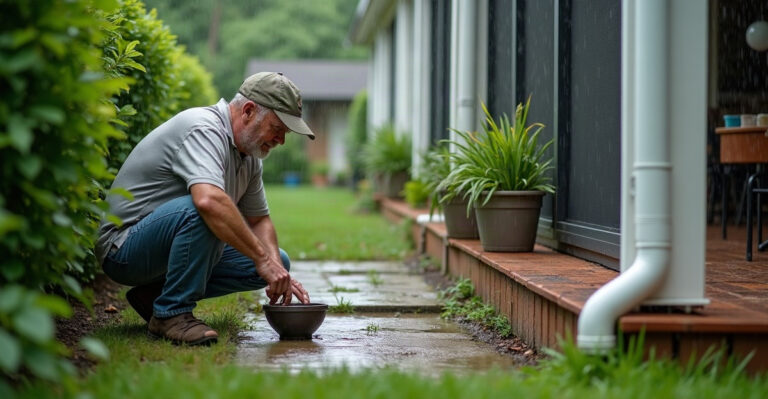
- Direct downspouts away from the foundation
- Ensure grading slopes outward from the home
- Install vapor barriers where appropriate
- Keep vegetation and stacked wood away from foundation walls
These improvements support long-term crawlspace rodent prevention and help maintain structural stability.
Safety matters. Crawlspaces often contain exposed wiring, tight spaces, and contaminants. Complex repairs should be handled carefully to avoid creating ventilation or structural problems.
For persistent issues, professional support such as rodent control services offers a thorough and structured solution. We also provide rodent control in Twin Falls for homes with recurring crawlspace activity, hidden entry points, or ongoing rodent concerns.
DIY vs. Professional Rodent Exclusion: What’s the Safest Option?
Basic exterior maintenance and visible gap sealing are practical starting points for homeowners. Replacing damaged vent screens and sealing obvious openings can significantly reduce access.
However, hidden entry points around utility penetrations and block foundations are common. Sealing only visible gaps may leave rodents with alternative routes. In some cases, improper sealing can unintentionally trap rodents inside.
Professional rodent exclusion involves a comprehensive inspection of the structure, identification of potential access areas, and implementation of safe, durable sealing techniques. Follow-up monitoring ensures long-term results.
This is especially valuable for recurring infestations, complex crawlspace layouts, and agricultural properties. Homeowners noticing similar patterns in garages may benefit from reviewing common garage pests to better understand rodent movement trends.
For insight into how structured services prevent repeat problems, explore long-term pest protection strategies.
Ongoing Protection and Local Support You Can Count On
Rodent proofing crawlspaces is most effective when combined with regular seasonal inspections, particularly before winter and after spring thaw in Eastern Idaho.
Monitoring insulation, vent covers, grading, and foundation seams supports year-round crawlspace rodent prevention. Addressing small issues early helps avoid larger restoration expenses.
As a local team serving communities throughout our Eastern Idaho service area, we understand how climate, soil movement, and rural surroundings impact homes here. Reliable rodent exclusion services Eastern Idaho homeowners trust should always reflect local construction and seasonal conditions.
If entry points aren’t clear or rodent activity continues despite preventive repairs, a professional inspection provides clarity and direction. Our residential pest control programs focus on safety, consistency, and long-term protection.
When crawlspace concerns arise, steady action and practical solutions make the difference. Support from a trusted local provider helps keep homes protected through every season.
Frequently Asked Questions
The cost of rodent proofing a crawlspace typically ranges from a few hundred to several thousand dollars, depending on size and damage. Pricing is influenced by the number of entry points, insulation replacement needs, and moisture control improvements. Larger homes or properties near farmland may require more extensive exclusion work and follow-up inspections.
The best way to seal a crawlspace is by using durable materials like hardware cloth, metal flashing, and properly fitted vent covers. These materials resist chewing better than spray foam alone. Sealing pipe penetrations, sill plates, and foundation gaps while maintaining proper ventilation helps prevent rodents without creating moisture problems.
Yes, rodents commonly chew insulation and electrical wiring in crawlspaces. Shredded insulation reduces energy efficiency and can raise heating costs, while exposed wiring increases fire risk. They may also damage plumbing lines and vapor barriers. Prompt rodent proofing crawlspaces reduces repair expenses and protects indoor air quality.
Crawlspace rodent prevention should be completed before fall and winter when rodents seek warm shelter. In colder regions, activity increases as temperatures drop. Spring inspections are also important to check for new gaps caused by soil movement or freeze-thaw cycles, ensuring your crawlspace remains sealed year-round.
Professional rodent exclusion is often more effective for long-term protection. Experts conduct detailed inspections to locate hidden entry points and apply durable sealing methods. DIY efforts can address visible gaps, but missed openings may allow rodents to return. Professional services also include monitoring and guidance for moisture control improvements.