How to Spot a Pest Problem Early
Spotting a pest problem early starts with recognizing the first signs of activity. We look for repeated droppings, faint scratching in walls at night, grease marks, or lingering odors in enclosed areas. Across Eastern Idaho homes and businesses, these subtle but consistent patterns often follow seasonal shifts. We treat them as warning signals. When we act early, we reduce the risk of structural damage, contamination, and costly disruptions.
Key Takeaways
- Early signs of infestation appear as repeated patterns, including droppings, unusual smells, nighttime scratching sounds, or consistent sightings in the same areas. We track patterns instead of isolated incidents because repetition signals active pests.
- Common warning signs include gnaw marks, grease trails, nesting materials, mud tubes, and daytime cockroach activity. We confirm the pest type by matching these clues with location, material damage, and activity timing.
- Seasonal shifts in Eastern Idaho influence pest behavior, with rodents moving indoors in winter and ants becoming more active in spring. We adjust prevention and treatment strategies as temperatures and moisture levels change.
- Acting at the first signs reduces repair costs, health risks, and business disruptions. We contain problems early before they spread into wall voids, insulation, or food storage areas.
- A professional inspection provides clear identification, explains contributing conditions, and outlines safe, targeted treatment options. We combine experience with proven methods to resolve the issue efficiently and prevent repeat infestations.
The First Clues Most People Miss
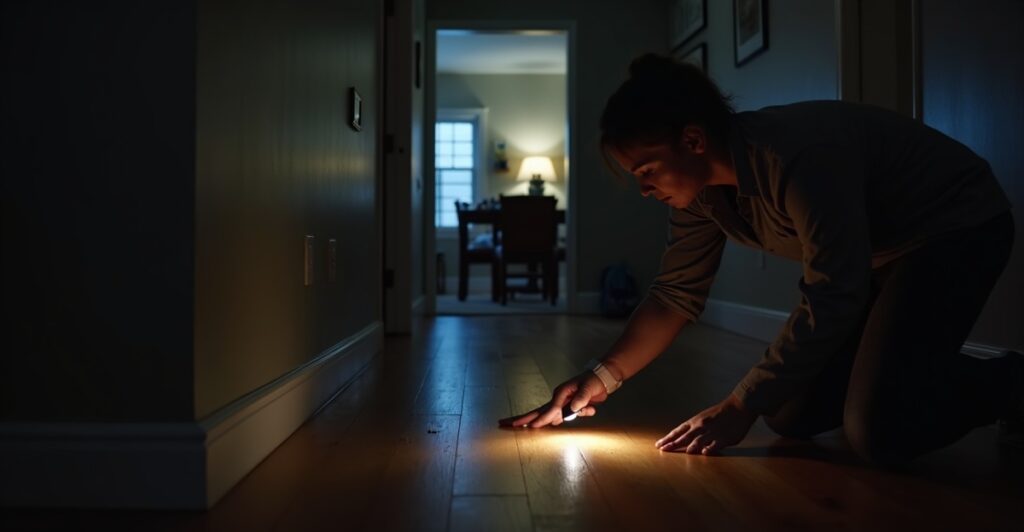
Residents in Idaho Falls, Twin Falls, Pocatello, Rexburg, Rigby, and nearby communities often notice small changes before they realize they’re signs of a pest problem. Soft scratching or faint sounds in walls at night. A few tiny droppings in the pantry. A musty or ammonia-like smell drifting from the garage or crawl space.
Early signs of infestation rarely look dramatic. We don’t usually see major damage at first. Instead, we notice subtle, repeated patterns. Learning how to tell if we have a pest infestation often comes down to paying attention to those patterns.
One stray insect near a door on a warm afternoon may not signal much. Repeated sightings in the same area at certain times of day are different. Ants consistently trailing along baseboards. Rodents active after dark. Cockroaches appearing in the same cabinet several nights in a row. Those regular occurrences point to a larger issue behind the walls or under the floors.
Catching these early clues allows for simple, safe solutions. Acting early keeps a minor concern from becoming a bigger disruption.
The Most Common Early Warning Signs Inside and Around Your Property
What to look for in and around your home or business:
- Droppings: Rodent infestation signs include dark, rice-sized pellets near food storage or along walls. Cockroach droppings often resemble ground pepper inside cabinets or drawers.
- Unusual smells: A persistent musty odor can be linked to rodents or cockroaches. A sharp, ammonia-like smell may point to rodent urine, especially in enclosed areas.
- Sounds in walls or ceilings: Light scratching, gnawing, or scurrying—especially at night during colder months in Eastern Idaho—often suggests rodents moving indoors for warmth.
- Gnaw marks or structural damage: Chewed food packaging, damaged wires, or small holes along baseboards can indicate active rodents.
- Grease marks along walls: Dark smudges where rodents repeatedly travel are a common but overlooked clue.
- Nesting materials: Shredded paper, insulation, or fabric gathered in quiet corners, garages, or crawl spaces.
- Live sightings at unusual times: Cockroaches seen during the day can suggest a larger hidden population. Repeated signs of ants in the house near foundations or kitchen areas often mean an established colony.
- Mud tubes: Early signs of termites include pencil-width mud tubes along foundation walls or inside crawl spaces.
Many of these clues appear gradually. Seeing one may not confirm a problem. Seeing several at once usually means action is needed.
If droppings resemble small pellets or smear-like specks, it helps to review rodent behavior before deciding on next steps. Our rodent control service addresses these early indicators quickly and safely.
For crawling insects, understanding what causes a cockroach infestation can clarify why activity develops in certain rooms. If trails persist along baseboards or sidewalks, our ant control service focuses on treating the colony source rather than surface activity.
When mud tubes or wood damage appear, identifying early signs of termites helps prevent structural issues from progressing unnoticed.
Why Early Detection Matters for Homes and Small Businesses
Addressing an issue early often keeps repair costs manageable. Rodents can chew wiring and insulation, increasing fire risk according to the U.S Fire Administration. Insects can contaminate food storage areas or packaging. Termites can quietly weaken wood framing over time, a risk documented by the U.S. Department of Agriculture Forest Service. Quick action reduces the risk of structural repairs, inventory loss, and repeated treatments.
Health and safety also matter. Droppings and nesting materials can trigger allergies. Certain pests carry bacteria that spread through food preparation areas, as outlined by the Critter Control. Acting at the first signs helps protect family members, pets, employees, and customers.
For small businesses across Eastern Idaho, cleanliness standards and reputation are essential. Restaurants, retail stores, warehouses, offices, and hospitality spaces must maintain consistent sanitation. A small issue caught early is far easier to resolve than one discovered during a busy season or health inspection.
Early monitoring often leads to simpler, less disruptive treatment. We can focus on targeted solutions instead of large-scale interventions. That approach keeps daily routines on track.
Seasonal Pest Patterns in Eastern Idaho
Pest problems in Eastern Idaho follow predictable seasonal patterns. Recognizing them helps us interpret what we see.
Winter drives rodents indoors. As temperatures drop in Idaho Falls, Rexburg, and Rigby, mice and other small animals seek warmth. That’s when reports of sounds in walls at night often increase.
Spring brings expanding ant colonies. Warmer soil temperatures push ants to forage more actively. Signs of ants in the house frequently appear along foundation lines, sidewalks, and kitchen areas.
Summer activity shifts outdoors. Wasps and other stinging insects build visible nests under eaves, in sheds, or along fencing. Garages may also show increased insect movement. Identifying the most common pests in garages helps prevent surprises in storage areas.
Fall marks another transition. Spiders and rodents move inside as temperatures cool. Homeowners in Pocatello and Twin Falls often notice increased indoor sightings during this period.
Understanding seasonal pests in Idaho allows us to respond promptly and appropriately. Timing often explains the activity we observe.
When to Monitor and When to Call a Pest Control Professional
Some situations allow for brief monitoring. A single insect near an open door or window may have simply wandered in. If no additional signs appear after several days and no droppings, smells, or damage are present, careful observation may be reasonable.
Other signs suggest it’s time to move forward. Droppings that reappear after cleanup indicate ongoing activity. Visible mud tubes, gnaw marks, or grease trails point to hidden nesting sites. Consistent sounds in walls at night rarely resolve without intervention. Daytime sightings of multiple cockroaches often signal a larger concealed population.
Any issue affecting a food-based or customer-facing business should receive immediate professional attention. Business owners can’t risk contamination or disruption.
Understanding when to call a pest control professional removes uncertainty. Requesting an inspection is a practical step. It isn’t an overreaction. It provides clarity and direction.
What a Professional Inspection Looks Like and What to Expect
A professional inspection begins with a careful interior and exterior evaluation. We review crawl spaces, foundations, attics, garages, and common entry points. We look for access gaps, moisture issues, food sources, and nesting areas.
Our team identifies the pest type and explains contributing conditions such as open utility lines, foundation cracks, or storage practices that make access easier. We explain findings in plain language. Clear communication allows informed decisions without confusion or pressure.
Safe, family-friendly methods guide our approach. Homes with children and pets require thoughtful application and clear instructions. We focus on solutions that resolve the issue while maintaining comfort and safety.
As a local pest control Idaho Falls provider, we understand the patterns specific to our climate and communities. Our residential pest control services address early signs before they develop into larger challenges.
If we’re unsure how to tell if we have a pest infestation, scheduling an inspection through our contact page can provide straightforward answers and peace of mind.
Frequently Asked Questions
The earliest signs of infestation usually include repeated droppings, faint scratching sounds at night, unusual odors, or small grease marks along walls. These signs often appear before visible damage occurs. Watching for consistent patterns rather than isolated incidents helps confirm active pest presence and allows for quicker intervention before the issue spreads.
Rodent droppings are typically dark, pellet-shaped, and found along walls or near food sources, while insect droppings often resemble pepper-like specks or smears inside cabinets. Identifying shape, size, and location helps determine the pest type. Correct identification is important because treatment methods differ for rodents, cockroaches, and other insects.
Scratching or scurrying noises in walls at night often indicate rodents seeking shelter or nesting indoors. Mice and similar pests are most active after dark, especially during colder months. If sounds are consistent and accompanied by droppings or gnaw marks, it likely signals an active infestation rather than a one-time occurrence.
You should contact a professional when signs persist after cleanup or when multiple indicators appear together. Repeated droppings, mud tubes, grease trails, or daytime cockroach sightings suggest a hidden population. Early professional inspection helps confirm the pest species, locate entry points, and prevent structural damage or contamination.
Yes, seasonal temperature shifts often trigger early signs of infestation. Rodents commonly move indoors during winter for warmth, while ants become more active in spring as soil temperatures rise. Understanding seasonal pest behavior helps explain sudden activity and allows for preventive measures before infestations become established.