How Long Does a Pest Treatment Last?
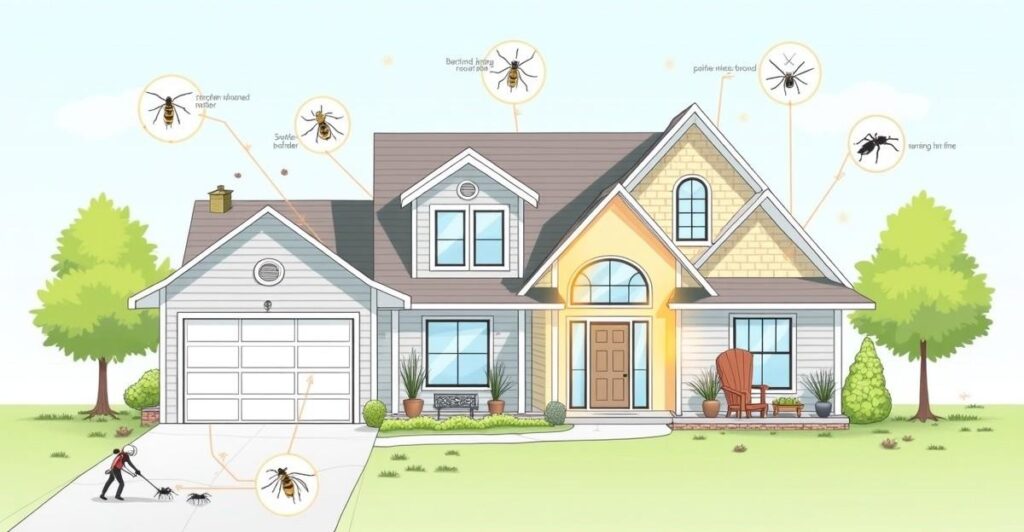
When homeowners ask how long does pest control last, the answer is that pest control usually lasts between 30 and 90 days, depending on the situation. The type of pest, treatment used, weather, and how well we maintain the property all play a role. If pest activity is high or conditions shift often, more frequent service ensures better protection.
Key Takeaways
- Spray barriers for ants, spiders, and wasps typically hold for 30–90 days, as explained by university extension guidance on residual insecticides and weather exposure.
- Rodent control works best by sealing entry points and checking regularly, a method recommended by public health and rodent exclusion authorities. Results improve over a few weeks as we interrupt their patterns.
- Cockroaches and other quick-breeding insects often need a second visit within 10–14 days to fully stop their growth cycle, based on documented cockroach life cycle and egg-hatching timelines.
- Heavy rain, gaps in home sealing, or open food sources reduce how long treatments stay effective—especially in situations like Do Mosquitoes Breed in Yard Water, where standing moisture creates new pest activity quickly.
- In places like Eastern Idaho, seasonal pest control must match pest cycles, as outlined in Idaho-based seasonal pest activity research. Combining this with steady upkeep brings the best outcome.
What to Expect Right After a Pest Treatment
Every pest situation is different, but in most cases, treatments begin working within hours. We usually see clear signs of progress within a few days, though the full effect can depend on the type of pest and how far the infestation had progressed. For example, heavy activity from ants or cockroaches may take a bit longer to taper off.
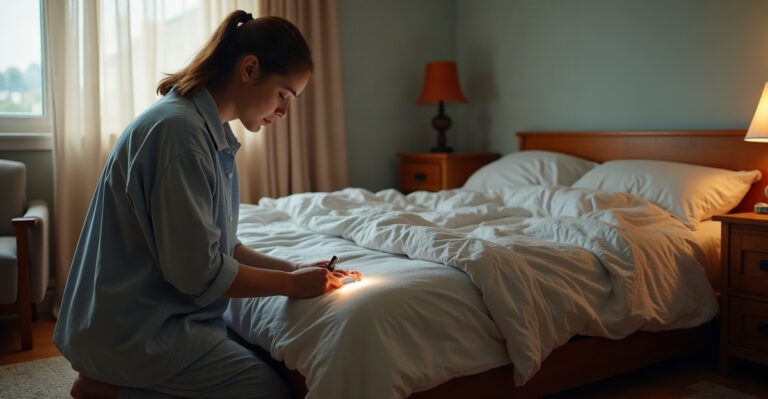
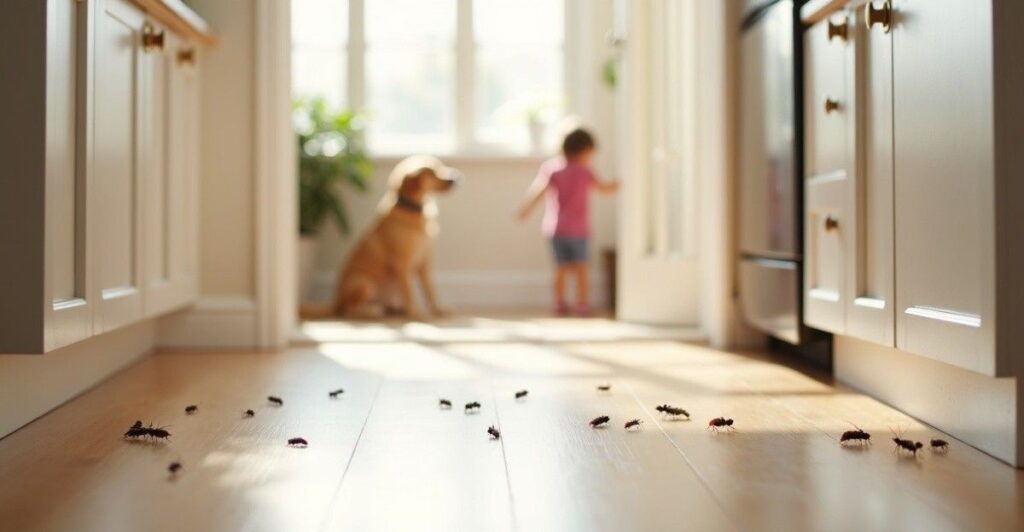
Occasionally, things might look a little more active before they get better. That’s perfectly normal. Some pests, especially cockroaches and ants, can become more visible right after treatment. This happens as the application starts driving them out of their hiding places. It’s a sign the treatment is doing its job. Within a short window, the population should start to drop off steadily.
We design our services to reduce pest numbers quickly and then build a barrier to prevent return visits. That said, pest control doesn’t always mean an overnight fix. Most environments need a little time and a consistent plan—especially in homes or commercial spaces with years of pest pressure. If you’ve ever had ant trails coming back again and again, that’s a good example of why reinforcements matter. In those cases, long-term control involves follow-ups and ongoing support.
Safety and Peace of Mind
We know that safe pest treatments for pets and kids are a top concern for many families in our community. That’s why we use products that are effective but also safe when used properly. Most of our indoor applications pose no harm once dry, and for homeowners asking how long does pest control smell last, we always let families know how long to wait before reentering a treated space.
Here’s what we recommend right after a treatment:
- Keep kids and pets out of treated areas until products are completely dry—this is usually within 1–2 hours.
- Follow any specific instructions our service professional provides during your visit.
- Ventilate spaces if directed, especially for indoor treatment.
- Hold off on deep cleaning or mopping treated surfaces for a day or two. This helps the treatment stay effective longer.
- Monitor any remaining pest activity and let us know if you see steady movement past the expected window.
Communication is part of our service. We always make sure you understand what was applied, how it works, and what steps to take next. If you’re ever unsure, we’re just a phone call away—or visit our contact page.
For common indoor invaders like ants or roaches, it helps to know the problem may need more than one visit. That’s why our pest control solutions are built to be both responsive and preventative. We don’t just chase symptoms—we lay the groundwork for long-term relief.
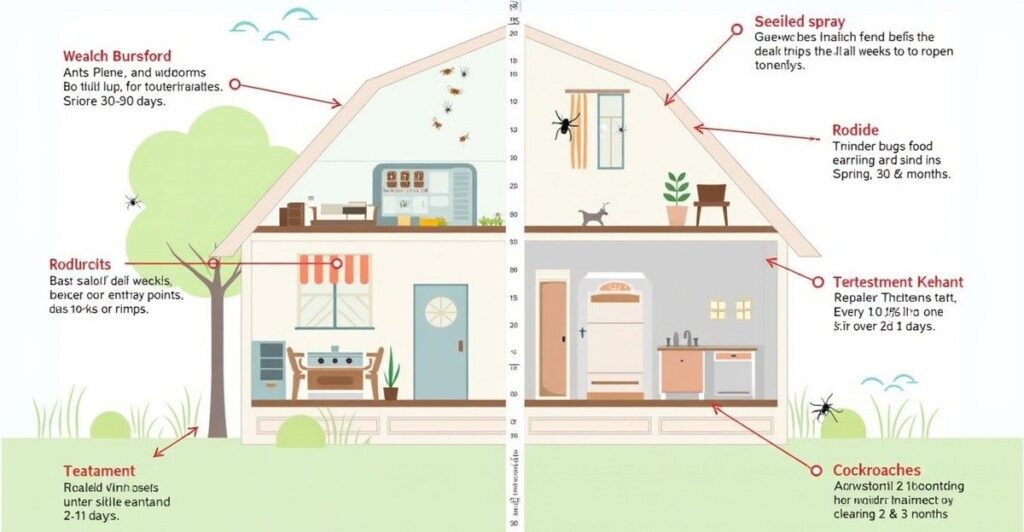
Typical Lifespan of Common Treatments by Pest Type
How Long Pest Control Lasts for Common Household Pests
Treatment effectiveness isn’t one-size-fits-all. It depends on the type of pest, the conditions of your home or business, and how well the property is maintained between visits.
Here’s a closer look at how long pest control solutions usually remain effective across different pest types:
- Ants, Spiders, and Wasps: Most barrier sprays for these insects hold up well for 30 to 90 days—but many homeowners also ask, Can You Prevent Wasps Naturally?. Wind, rain, snowmelt, and sun exposure can shorten their lifespan, especially around high-traffic entry points. For homes around Eastern Idaho, spider control treatments—common in areas like Rexburg basements—tend to last around 8 weeks, though increased humidity may require an extra application.
- Rodents: Trapping and exclusion services aren’t set-it-and-forget-it. Typically, they take a few weeks with active monitoring. Lasting success depends on sealing off the entry points rodents use. Without that key step, the problem often returns. We recommend regular perimeter inspections and keeping food sources sealed tightly to prevent re-entry.
- Boxelder Bugs & Earwigs: These seasonal insects are common in spring and fall. Treatments usually offer protection for one to two months. Many residents plan preventative visits around these peak times to cut down on overwhelming numbers outdoors and inside.
- Cockroaches are one of the toughest pests to manage, which is why many homeowners ask how long does cockroach treatment last before a second visit may be needed. Initial treatments generally need to be repeated within 10 to 14 days to break the breeding cycle. In high-risk areas like commercial kitchens, consistent maintenance every 2 to 3 months is often necessary. In those settings, it’s wise to schedule professional commercial pest control in Idaho Falls to help keep up with the demand.
Keeping Treatments Effective Over Time
To get the most out of each visit, we focus on both chemical applications and property management. A few key practices help extend the life of any pest treatment:
- Control moisture—check basements, crawl spaces, and around foundations.
- Seal cracks and gaps around windows, doors, and vents.
- Keep landscaping trimmed away from the house to limit shelter for pests.
- Store food in airtight containers and clean spills promptly.
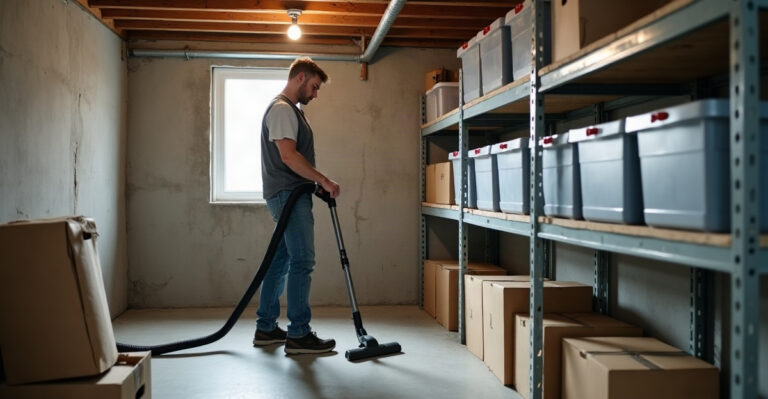
- Reduce clutter indoors where insects or rodents might hide.
One-time pest control can help with a sudden invasion, but for consistent protection, a maintenance plan makes a noticeable difference. Seasonal treatments—especially for ants, spiders, and wasps—usually keep these pests in check all year. If you’re seeing signs of anything from cockroach activity to rodent droppings, it’s a good time to consider ongoing residential pest control services.
We’ll always recommend the approach that fits your situation best. Want to talk about how to extend coverage after treatment? You can reach out directly through our contact page to ask any questions or schedule a follow-up.
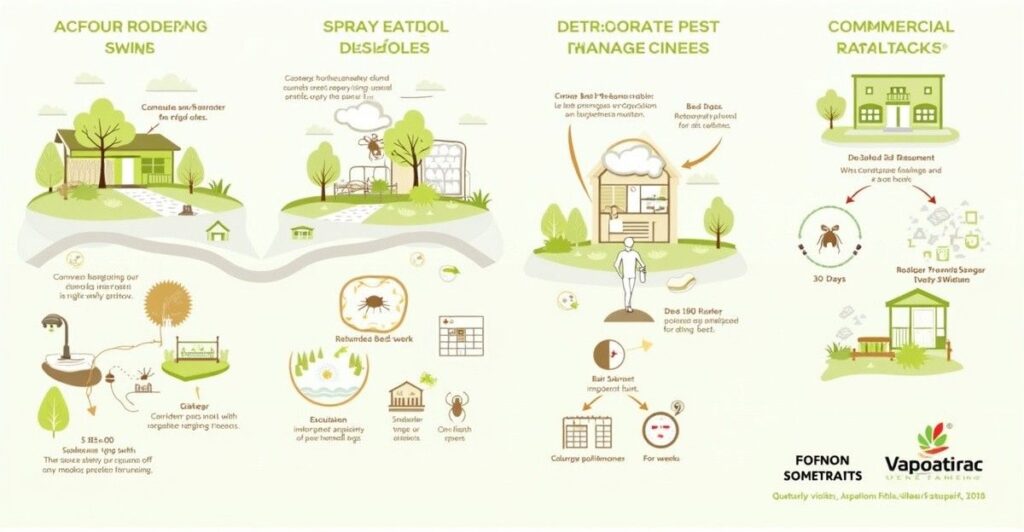
Treatment Methods: How They Differ in Duration
Different types of pest control treatments vary in how long they last, depending on the method, pest type, and surroundings. Some provide fast relief, while others work over time or build long-term protection.
Common Types of Pest Control Treatments
Each method serves a purpose. Understanding lifespan and limitations helps us choose the right approach for homes and businesses.
- Spray barriers: These are a go-to for many outdoor pests. On average, they protect for 30 to 90 days. Their strength depends heavily on the weather. In dry conditions, effectiveness leans toward the longer range. Rain, sprinklers, and sun exposure can cause treatments to break down sooner—sometimes within a month. Reapplication is key during heavy moisture seasons.
- Baits and traps: These require patience. Pests like ants and cockroaches need to locate the bait, consume it, then return it to the colony. This process often unfolds over 7 to 21 days. We monitor progress during this span to confirm activity is declining and adjust if needed.
- Heat treatments, exclusion work, and integrated pest management (IPM): These can offer longer-lasting results. Heat is especially effective for bed bugs and can wipe out infestations in one visit. Exclusion methods—like sealing cracks or repairing screens—help prevent pests from returning. When paired with monitoring and smart application of materials, IPM builds a strong defense without relying solely on chemicals.
Preventive care works best on a schedule. Most properties benefit from quarterly visits, keeping pests from settling in. Certain businesses, especially food service or storage, may need monthly pest control for roaches and rodents. Idaho Falls commercial clients often choose regular service to stay ahead of issues and maintain health standards.
We offer both one-time and recurring solutions designed around pest type and property layout. If you’d like help deciding what’s best for your home or workplace, our team can assess and guide you from first visit through follow-up. Explore our flexible options for types of pest control treatments based on your pest problem and setting.
Reliable pest control depends on the right approach, proper timing, and local knowledge. In our climate, that means keeping an eye on changes in weather, structural wear, and pest trends from season to season. Regular check-ins help extend the life of each treatment and prevent surprises.
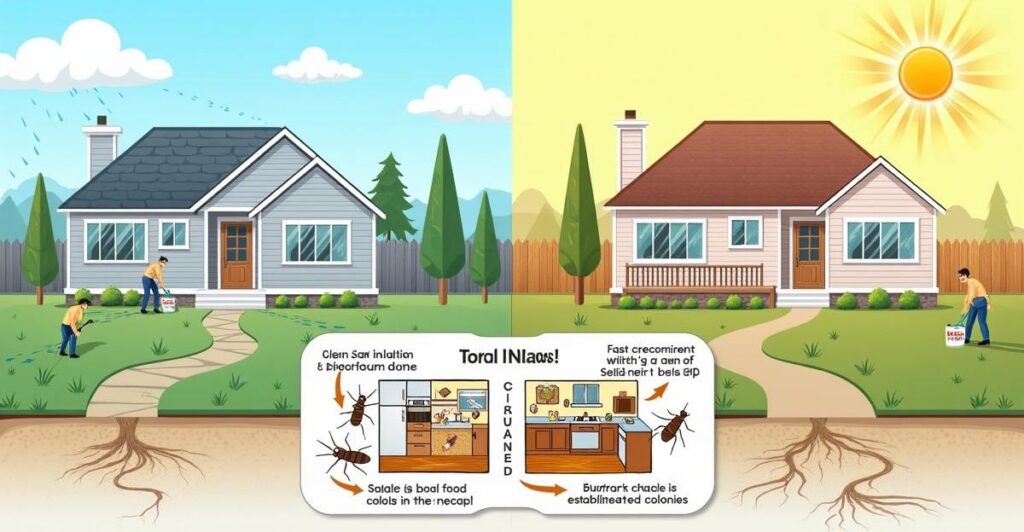
Key Factors That Affect How Long Treatments Last
Environmental and Property Conditions
Several outdoor and structural conditions can influence pest control treatment duration. In Eastern Idaho, our changing seasons can play a big role. Here’s what to watch for:
- Weather: Treatments applied around the exterior of your home or business can wear down faster during periods of heavy rain, snow, or strong sun. This can reduce their overall effectiveness and shorten how long they last between visits.
- Property condition: Cracked foundations, loose siding, or unsealed vents and door jambs provide pests with fresh entry points. Even after a full treatment, if these access routes remain open, pests like ants or rodents can return quicker than expected.
To help treatments last longer, we recommend checking your home for common gaps or vulnerabilities every few months. Basic steps like sealing visible cracks or keeping up with weatherproofing can go a long way.
Habits and Pest Types
Our team regularly adjusts treatment plans based on the pest type and environment. Each species has different behaviors that affect how long a treatment will hold up.
Here are some important behavior and maintenance-related factors affecting pest control duration:
- Cleanliness and food storage: Especially in kitchens, garages, and pantries, open food or crumbs can invite pests back quickly. Rodents and cockroaches tend to follow food trails. Keeping areas clean and properly storing grains, cereals, and pet food can improve the lifespan of your pest treatment.
- Pest behavior and biology: Some pests, like ants or cockroaches, reproduce quickly, forming new colonies in a matter of days. Even after treatment, their populations can grow fast, often requiring a follow-up within a few weeks. We’ve found that in cases involving fast-breeding insects, ongoing service works better than one-time treatments. You can learn more about targeted options like our cockroach control treatments or ant prevention services for better results.
- Type and placement of treatment: Not every pest control substance works the same way. We apply products appropriate to both the surface and pest activity level. For instance, granules work well in lawns, but inside crawlspaces we often rely on residual sprays or bait systems. By adjusting our treatments to match both pest patterns and home layout, we help extend how long results last.
Overall, the condition of your home or property, how pests behave, and the materials we use all work together to determine how long you’ll stay pest-free. Whether you’re dealing with a persistent issue or just trying to stay ahead, our residential pest control plans are built for long-term protection backed by local knowledge.

Eastern Idaho’s Seasons & Pest Cycles: What to Watch For
Each season in Eastern Idaho brings its own pest pressures. Whether we’re protecting a family home or a storefront, the timing of pest control can make a major difference. Understanding how pests act throughout the year allows us to treat at just the right moment—keeping properties protected and treatments working longer.
Season-by-Season Pest Challenges
We’ve broken down how pest activity shifts throughout the year so we can stay ahead, not just react.
Spring: As temperatures rise, pests that spent the winter dormant begin moving again. Ants are one of the first to show themselves—often in kitchens or around building foundations. Boxelder bugs come out too, eager to warm up on window sills and walls. A well-timed early spring treatment can stop colonies from establishing while also reducing summertime problems. For those dealing with these early spring pests, our
ant control services are especially helpful.
Summer: This is peak activity season. Wasps build nests near eaves and decks, and many property owners often wonder What’s the Difference Between Hornets and Wasps when identifying stinging insects around their home. Spiders become more visible both inside and out. Earwigs, with their unpleasant pinchers, love moist shaded areas and are drawn to landscape beds and patios. Summer pest control often includes full-perimeter sprays and attention to hotspots like sheds, fences, and under porches. Since foot traffic outdoors increases, families and businesses both appreciate targeted solutions that let them enjoy summer without swatting away insects.
Fall: Pests begin preparing for colder months, and many seek warmth indoors. Rodents—especially mice—are quick to take advantage of even the smallest entry points. This is when exclusion work pays off. We recommend sealing gaps, fixing screens, and trimming back foliage. Exterior treatments help with boxelder bugs and spiders that congregate on warm west-facing walls. For high-traffic buildings, our
commercial pest control plans can address seasonal threats without interrupting daily operations.
Winter: Pest activity slows way down outdoors, but inside, it’s a different story. Bugs like silverfish or spiders can stay active in basements and crawlspaces. Rodents may already be sheltering inside wall voids or garages. Winter is a great time for spot treatments indoors and preventive steps like bait stations or traps in problem-prone areas. These efforts protect against small cold-season invaders and set the stage for a smoother spring.
Eastern Idaho’s freeze-thaw cycles also play a part in how long treatments last. Snow delay may give pests more time to hide, while sudden warm snaps can trigger activity out of season. That’s why a steady treatment plan based on local weather patterns and pest behavior provides better coverage than one-off services.
We’ve found that seasonal pest control in Idaho works best as a consistent schedule—not just a reaction to alarming sightings. A spring spray leads into summer protection, and fall prep builds a barrier for winter. Each treatment lays the groundwork for the next, maximizing coverage and strengthening results over time.
For homes, our
residential pest control programs are built with the seasons in mind. We treat based on high activity periods and back off in slower months, always using products that are safe for kids and pets. At businesses, safety and discretion are key. We offer low-footprint treatments early in the day or after hours to reduce disruption during peak work periods.
There’s no single shelf life for pest treatments—it depends on the method used, the weather, and the activity level. But by keeping seasonality front and center, we treat smarter, not just harder. And with local service professionals who understand what pests are doing each month, we keep homes and businesses ahead of the curve.
For help building a pest plan that fits your schedule and property type, feel free to
reach out to our team. We’re ready to help make pest control simple, steady, and worry-free all year long.

When to Consider a Re-Treatment or Ongoing Plan
Staying ahead of pests means knowing when your last treatment has done its job—and when it hasn’t. Regular treatments keep unwanted guests away, but certain signs can signal it’s time to take another look.
Recognize the Signs of a Recurring Problem
We often hear folks ask, “How often should I treat my house for pests?” The answer depends on what’s going on inside and around your home. If you’re noticing these issues between visits, it may be time to schedule a re-treatment:
- New pest sightings around baseboards, windows, or vents
- Evidence like droppings, grease marks, or fresh webbing
- Unusual pet behavior, such as scratching near walls or appliances
- Musty odors that weren’t there before
Each pest behaves a little differently. Ant infestations, for instance, often return quickly. That’s why follow-up treatments every 2–3 months work best for homes struggling with these bugs. You can learn more about our ant control approach here.
Why Ongoing Plans Make a Difference
Pest control treatment duration varies widely based on what we’re treating, your property’s age, and surrounding conditions. In areas with high rodent pressure or regular moisture problems, a single visit won’t do the trick.
We recommend ongoing maintenance for most homes because pests aren’t just seasonal—they adapt. Families with kids and pets often go with low-toxicity options that are applied on a regular schedule, ensuring long-term protection without worry. Our team uses safe pest treatments for pets and kids that work effectively year-round.
Falls Pest Services creates upkeep plans that consider each home’s history and layout. By adjusting for local weather and activity patterns, we keep your home protected longer. If you’re wondering about pest control effectiveness, the systems we use address both the immediate issue and the long-term habits of different pests.
Not sure whether you’re due for a follow-up? No problem. Reach out any time. Our local experts are always ready with honest advice—whether you’re facing a new problem or just want consistent coverage. You can contact us directly for a review of your current treatment’s effectiveness right here.
Frequently Asked Questions
Most residential pest control treatments last between 30 and 90 days. The exact duration depends on the pest type, treatment method, weather exposure, and home conditions. Exterior spray barriers tend to break down faster in rain or strong sunlight, while indoor treatments often last longer. Homes with recurring pest pressure usually benefit from routine follow-up visits.
Pest control can lose effectiveness sooner due to heavy rain, excessive heat, open entry points, or available food sources. Cracks, poor sealing, and moisture issues allow pests to bypass treated areas. Some pests also reproduce quickly, which can overwhelm a single application. Proper home maintenance and follow-up treatments help extend how long pest control lasts.
Most pest treatments begin working within hours, but visible results can take several days. In some cases, pest activity briefly increases as insects leave hiding spots after exposure. Fast-breeding pests like ants or cockroaches may require a second visit within 10–14 days. Full control depends on infestation size and pest life cycles.
Yes, recurring pest control plans significantly extend protection. Scheduled treatments prevent pests from re-establishing and address seasonal activity changes. Quarterly or bi-monthly service keeps barriers fresh and targets pests before infestations grow. Homes with ongoing plans typically experience fewer pest problems than those relying on one-time treatments.
You should consider re-treatment if pests reappear, new droppings or nests are found, or activity continues beyond the expected timeframe. Many homeowners schedule treatments every 2–3 months for consistent coverage. Seasonal changes, increased moisture, or nearby construction can also signal it’s time for another pest control visit.