What Is Integrated Pest Management?
Integrated Pest Management (IPM) takes a structured, prevention-based approach that focuses on inspection, accurate identification, monitoring, and precise treatment to solve pest problems at the source. We rely on IPM to reduce unnecessary chemical use, improve long-term stability, and adjust strategies to local conditions, including the unique pest pressures across Eastern Idaho.
Key Takeaways
- IPM prioritizes inspection, accurate pest identification, and prevention before we apply any treatment.
- We use targeted treatments only when necessary to support safe pest control for families, pets, and businesses, aligning with guidance on safer pest control practices through Integrated Pest Management.
- Ongoing monitoring and evaluation help us prevent recurring infestations and reduce long-term costs.
- IPM strategies adapt to seasonal and regional pest pressures, including common challenges in Eastern Idaho.
- Clear communication, customized plans, and practical prevention steps guide our professional IPM services.
A Smarter, Safer Way to Handle Pest Problems
Integrated Pest Management (IPM) is a prevention-based pest control strategy that focuses on inspection, identification, monitoring, targeted treatment, and ongoing evaluation rather than routine over-application of chemicals, following the core prevention and monitoring principles of Integrated Pest Management.
When we talk about Integrated Pest Management (IPM), we’re talking about handling pest issues safely, effectively, and responsibly. The goal is to protect families, pets, employees, and customers while still delivering reliable results. The benefits of integrated pest control come from using the right solution at the right time in the right way.
Many people assume fewer chemicals means weaker protection. That’s not how IPM works. An IPM pest control approach does not ignore serious infestations. If treatment is necessary, we apply it carefully and with purpose. Prevention-based pest control simply avoids unnecessary applications and focuses on long-term stability.
Safety remains a top concern for both homeowners and business owners. Safe pest control for families and pets matters. So does cost. So does effectiveness. IPM addresses all of these concerns at once. We reduce risk, control pests efficiently, and prevent recurring problems that drain time and money.
This strategy also supports long-term pest control solutions. Instead of chasing every seasonal flare-up, we build a protective plan that adapts to the property and the environment. That approach gives better results over time and creates a more comfortable, stable space indoors and out.
How the IPM Pest Control Approach Works Day to Day
Integrated pest control services follow a steady, structured routine. We don’t show up and spray first. We start by understanding what’s happening on the property.
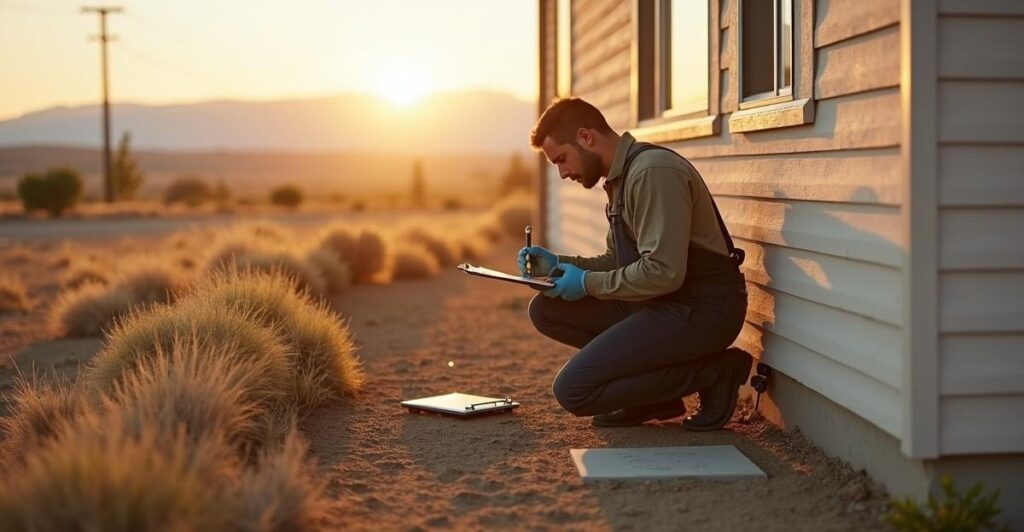
Inspection comes first. We assess the home or business from top to bottom. That includes looking for entry points, nesting areas, moisture issues, food sources, and structural gaps. Exterior conditions matter just as much as indoor conditions.
Identification follows. We confirm exactly which pest we’re dealing with. Ants, spiders, rodents, wasps, and occasional invaders common in Eastern Idaho all require different strategies. Correct identification ensures we choose the most effective response.
Prevention is where the IPM pest control approach shines. We may recommend sealing cracks, adjusting landscaping, modifying storage practices, or improving sanitation. Simple adjustments often reduce pest pressure significantly before any product is applied.
Monitoring is ongoing. Rather than applying treatments on a rigid schedule without evaluation, we track activity over time. That allows us to respond to actual need instead of assumption. For more insight into how this works in practice, our overview of how pest control services work walks through the process in detail.
Targeted treatment comes into play only when necessary. When we treat, we use focused applications and the least amount needed for effective control. This supports safe pest control for families and pets while still solving the problem.
Ongoing evaluation ties it all together. Pest pressures shift with seasons, weather, and property changes. We adjust strategies based on those factors. That’s how integrated pest control services deliver long-term pest control solutions instead of short-term relief.
Why This Matters for Homes and Businesses in Eastern Idaho
Eastern Idaho presents unique pest challenges. From Idaho Falls to Pocatello, Twin Falls, Rexburg, and Rigby, we see clear seasonal patterns that influence pest behavior.
Spring and summer bring ants and spiders. Warmer months increase wasp activity around eaves, sheds, and outdoor gathering areas. Fall drives rodents indoors as temperatures drop, a seasonal pattern commonly explained in university research on rodent behavior during colder months. Sudden weather shifts push occasional invaders inside homes and businesses looking for shelter.
Rural properties add another layer of complexity. Outbuildings, livestock areas, irrigation systems, and wide-open landscapes increase pest pressure. Changing weather patterns amplify these issues. That makes prevention-based pest control especially valuable in this region.
Eastern Idaho pest control must account for these local conditions. Idaho Falls pest control, in particular, often involves managing shifting temperatures, snow cover, and agricultural surroundings. An IPM strategy adapts to those realities rather than applying the same solution everywhere.
Here’s why the benefits of integrated pest control matter across Eastern Idaho:
- Reduced chemical use in family living spaces.
- Safer environments for children and pets.
- Limited disruption for restaurants, offices, warehouses, retail stores, and hospitality properties.
- Fewer repeat infestations by addressing root causes.
- Lower long-term costs by preventing chronic problems.
Homeowners benefit from structured residential pest control plans that adapt to their property’s layout and risk points. Businesses gain stability through focused commercial pest control programs that minimize downtime and protect customer trust.
Ant activity often requires focused strategies, which we address through services like ant control. Rodents seeking shelter in colder months demand careful monitoring and exclusion techniques, supported by our rodent control services. Each plan reflects the same IPM principles: inspect, prevent, monitor, treat thoughtfully, and adjust.
Over time, this steady, thoughtful approach explains how pest control protects your home long-term. We focus on prevention so we’re not constantly reacting.
What to Expect From Professional Integrated Pest Control Services
A typical IPM visit starts with a conversation. We ask what has been seen, where activity occurs, and how long it has been happening. Clear communication sets the foundation.
Next comes a detailed inspection inside and outside. We look beyond the obvious signs. Entry points, structural gaps, attic conditions, crawl spaces, and exterior grading all tell part of the story.
After the inspection, we explain findings in plain language. We outline any risk factors and describe what we recommend, including prevention steps. If targeted treatment is needed, we explain why and where it will be applied.
A customized plan follows. That plan includes monitoring, practical pest prevention tips, and service intervals based on actual need. Those wondering how often pest control should be done will find that the answer depends on season, pest type, and property layout. IPM adjusts to those factors.
We don’t promise permanent elimination. Nature doesn’t work that way. Instead, we deliver responsible, steady long-term pest control solutions built on real-world experience in our local communities.
Transparency stays central to everything we do. Homeowners who want to explore alternatives can also review options in our guide on reducing pests without spraying. The right solution depends on the situation.
Questions to Ask Before Choosing an IPM Provider
Choosing a pest control company deserves careful thought. Clear communication and prevention planning matter just as much as treatment itself.
When evaluating a provider, it helps to ask:
- Do you follow an Integrated Pest Management (IPM) approach?
- How do you determine when treatment is necessary?
- What steps do you take to minimize chemical use?
- How do you ensure safe pest control for families and pets?
- What prevention steps should we take between visits?
Strong providers explain their inspection findings and document risk factors. They offer practical recommendations. They avoid vague promises.
Property owners can also learn how to spot a pest problem early so concerns are addressed before they grow. Those evaluating home treatments may find it helpful to review whether DIY pest treatments are effective compared to professional care.
Anyone dealing with ongoing pest activity deserves steady guidance and honest answers. Our team at Falls Pest Services believes prevention and community care go hand in hand. If concerns are present, we encourage scheduling an inspection through our contact page so we can assess the situation and recommend a practical plan built on Integrated Pest Management principles.
Frequently Asked Questions
The benefits of integrated pest control include reduced chemical use, long-term pest prevention, and safer environments for families and pets. Instead of relying on routine pesticide applications, Integrated Pest Management (IPM) focuses on inspection, prevention, and targeted treatments only when necessary. This approach addresses the root cause of infestations, which helps reduce recurring pest problems and improves long-term control.
Yes, integrated pest control is designed to be safer for households with children and pets. IPM emphasizes prevention, monitoring, and precise treatments rather than widespread chemical applications. When treatment is necessary, professionals use targeted methods and the minimum effective amount of product. This reduces exposure while still controlling pests effectively.
Integrated pest management reduces long-term pest problems by addressing the conditions that attract pests in the first place. Professionals inspect properties for entry points, food sources, moisture issues, and nesting areas. By correcting these factors and monitoring activity over time, IPM prevents pests from returning instead of repeatedly treating the same infestation.
Integrated pest control treatments are applied only when monitoring shows that pest activity has reached a level that requires action. Instead of following a fixed spraying schedule, pest professionals track activity and environmental conditions. Treatments are then used strategically to control the problem while maintaining a prevention-focused approach.
Yes, one of the key benefits of integrated pest control is lower long-term costs. By preventing infestations and addressing root causes, property owners avoid repeated treatments and severe pest outbreaks. Regular monitoring and preventive steps help maintain a stable pest-free environment, which reduces the need for expensive emergency treatments later.