What to Expect After a Pest Treatment
Post-treatment pest care takes more than patience. We need to know what typical pest activity looks like during the first few weeks, how to manage our home responsibly, and when it’s time to bring in professional support again. During this period, expect some variation in what we see—shifting levels of pest activity, gradual effectiveness, important safety measures, and clear steps to help maximize the benefits of the treatment.
Key Takeaways
- Expect to see increased pest activity shortly after treatment. It’s a sign that pests are being driven from their hiding spots. This stage usually lasts one to two weeks.
- Each pest reacts at its own pace. Roaches, bed bugs, and other persistent pests can take several weeks to decline. Some may require follow-up visits for full control.
- Hold off on cleaning treated zones right away. Let sprays or bait do their job. Avoid wiping areas like baseboards or spots where baits have been applied.
- Make sure kids and pets stay away from treated surfaces and bait stations until those areas have dried and our service professional confirms it’s safe.
- If pests keep showing up beyond the normal period or the problem worsens, we may need another inspection or follow-up service—When Should I Call for Pest Control can help you decide if it’s time.
- .
What You Might See: Normal Post-Treatment Pest Activity
Understanding Residual Pest Activity After Treatment
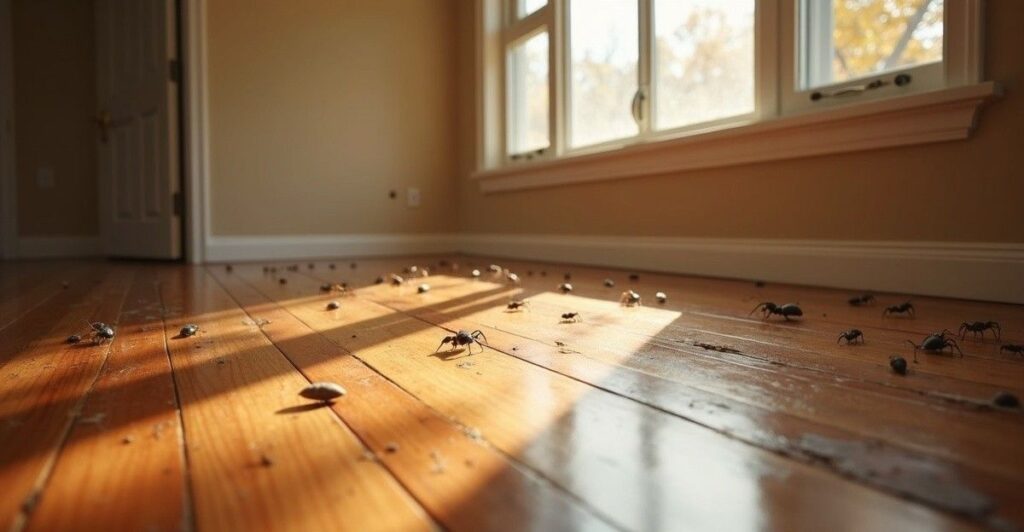
Right after a pest control treatment, things can look a little busier than you’d expect. It’s common to spot more pest activity during the first few days. That doesn’t mean the treatment isn’t working—it means it’s doing its job.
As pests are exposed or flushed from their hiding spots, they can become more visible. We’ve disrupted their safe zones, and they don’t go quietly. For insects like ants and cockroaches, the product causes confusion within the colony or nest, drawing them out before it takes full effect. Rodents might also shift their movement patterns as they avoid newly treated zones. This uptick in activity typically settles within one to two weeks, depending on factors like the treatment type and How Long Does a Pest Treatment Last.
During this period, here’s what you might notice:
- Ants wandering in unusual patterns or locations
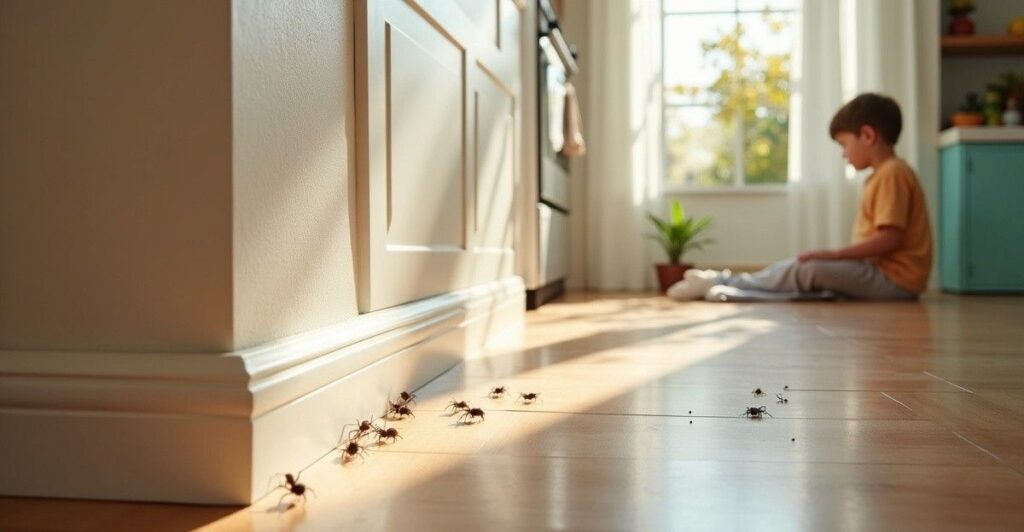
- Spiders becoming more visible as they retreat from disturbed corners
- Cockroaches or other insects slowly appearing in sinks, corners, or baseboards
- A change in where and when rodents move or leave droppings
Don’t be alarmed. These signs show us that pests are reacting. It’s a normal part of what happens after pest control treatment. What we’re seeing is temporary and expected.
What to Expect in the Days to Come
Each pest responds to treatment on its own timeline. Full results aren’t always instant, especially with highly established infestations or pests that live in complex social groups. In general, here’s a basic timeframe you can expect for treatments to take hold:
- Ants: You may see them for 7 to 10 days as the colony collapses from within. The bait works slowly to allow worker ants time to bring it back to the nest, a method supported by university entomology research on how ant baits eliminate colonies. Learn more about our approach to ant control here.
- Spiders: They’re harder to track, so seeing a few hangers-on even after treatment is normal. We often see improvement within 1–2 weeks.
- Rodents: Depending on the size of the infestation, signs may continue for a few days or longer while traps and barriers do their job. Read more about our approach to rodent control.
- Cockroaches: These survivors can take about 10 to 14 days before visible activity drops off. Consistent cleaning and follow-up can speed the process.
- Bed Bugs: You may need two to three weeks after each targeted treatment to see major relief, consistent with CDC guidance on bed bug treatment and life cycles. Ongoing inspections are key—especially if you’re wondering, Are Bed Bugs Only Found in Beds? Get details on our bed bug control solutions.
It’s important to stay patient in those early days. There might still be a few bugs appearing here and there. That doesn’t mean the problem is getting worse—just that the treatment is driving them out of hiding. Keeping living areas clean and dry helps speed things along too.
Seasonal Factors in Idaho Falls Pest Control
Our local environment plays a big role in pest behavior. Here in Idaho Falls, seasonal shifts—especially moist spring weather or warm fall days—can drive pests indoors. Even after treatment, you might notice brief activity spikes as the seasons change and pests continue looking for food, shelter, or nesting spots.
For example, spider sightings tend to increase in September as temperatures drop. Ants often become more active in mid-spring when they start foraging in newly thawed ground. Understanding these patterns helps adjust expectations and plan future treatments.
If pest activity seems to persist longer than expected, or if you’re unsure whether what you’re seeing is normal, we’re always happy to help assess the situation. Sometimes a follow-up is necessary depending on the original severity. Either way, know that our focus remains on long-term relief and steady control.
For dependable, local Idaho Falls pest control services, we’ve got you covered. Clear answers, careful planning, and honest service—that’s how we handle pests.
Immediate Steps to Take After a Pest Control Visit
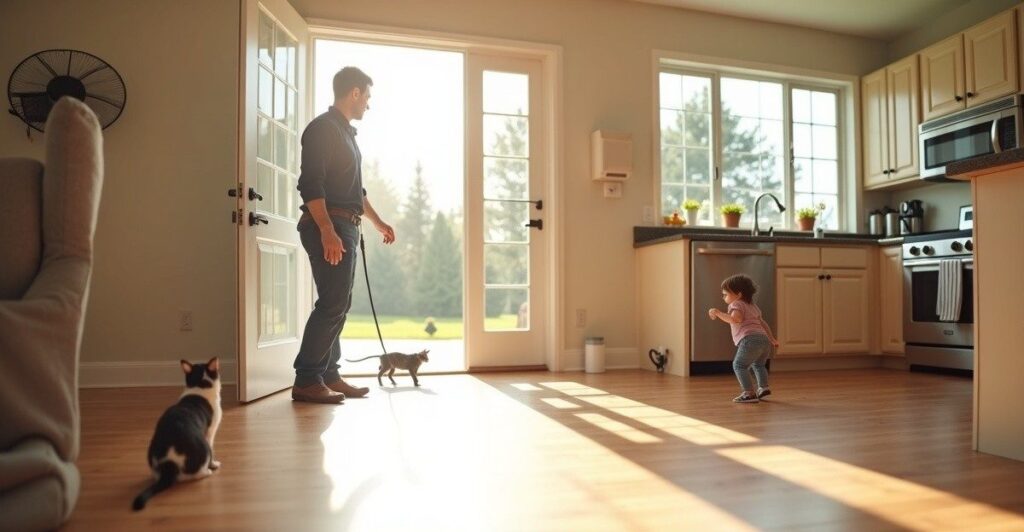
Once our service professional completes the service, there are a few things we should do to help ensure the treatment works effectively while keeping everyone safe. Most treatments used in homes across Eastern Idaho—including indoor sprays, outdoor perimeter granules, and bait stations—are chosen for their safety and strength when applied properly. Still, timing and a few simple precautions matter.
Key Steps to Follow After Treatment
To help make the most of a safe pest treatment for families, keep these actions in mind:
- Wait to reenter as advised. For liquid spray treatments indoors, we usually recommend staying out for 2–4 hours. This allows surfaces to dry fully and prevents contact with any lingering residue. Always follow your service professional’s exact instructions—some specialized treatments might require more time.
- Ventilate the area. Open windows and use fans once it’s safe to return. Proper airflow helps clear out any light odors and speeds the drying process.
- Avoid cleaning treated zones right away. Don’t wipe, mop, or vacuum treated baseboards or targeted areas for at least a few days, unless directed otherwise. This gives the treatment time to work.
- Watch children and pets. Keep them away from bait stations, granules, or treated spots. If you have any concerns, feel free to reach out and we can guide you on what’s safe.
- Check bait stations occasionally. Indoor and outdoor bait stations are built to be tamper-resistant, but it’s good to glance at them every so often to ensure they haven’t been disturbed—especially in garages and basements.
- Communicate any changes. If pests remain active after a reasonable period or if you notice anything out of the ordinary, let us know. We may recommend a follow-up.
Understanding the Safety Behind Common Treatments
We use products and methods that are tested and approved for residential use, in line with EPA guidelines for safe pesticide use in homes. In Eastern Idaho homes, it’s common to apply:
- Indoor sprays along baseboards and behind appliances
- Granular treatments around the home’s foundation
- Gel or bait stations in kitchens, bathrooms, and garages
These treatments are part of our commitment to a safe pest treatment for families, and they’re especially effective against ants, spiders, and cockroaches. When done properly, they offer long-lasting protection with minimal risk. Still, observing a few pest control safety tips goes a long way in making sure the treatment does its job.
If you’re wondering what to do after pest control sprays, the key is to let the treatment settle, watch for changes in pest activity, and follow the service professional’s advice. We’re here to provide straightforward guidance and reliable service every step of the way.
To learn more or schedule a check-up, visit our contact page.

Safety First: Keeping Children and Pets Protected
Post-Treatment Guidelines for a Safer Home
After any pest treatment, safety is top priority—especially for kids and pets. Though modern pest solutions are far safer than they used to be, it’s still important to follow a few basic steps to keep everyone protected. These actions aren’t complicated, but they do make a big difference in reducing any exposure.
Start by giving treated areas the right amount of time to settle. We recommend keeping children and pets away from those spaces for the time specified by your service professional. Usually, that ranges from a few hours up to 24 hours, depending on the type of treatment and the pests being targeted.
Once that time has passed, wipe down surfaces like kitchen counters and dining tables, especially in areas where food is prepared or served. Floors can usually be vacuumed or mopped the next day if needed, using your regular cleaning routine.
For bait stations and products placed in corners or discreet areas, don’t be tempted to move them. These are positioned where they’re most effective and safest—tucked out of reach. If you’ve got curious toddlers or adventurous pets, let us know ahead of time. We can work with you to place products in ways that are effective and secure. You can always talk with us about options for safe pest treatment for families if you have any concerns.
Tips to Protect Little Hands and Paws
Here are a few simple, reliable pest control safety tips that help protect your loved ones after treatment:
- Observe re-entry times: Wait until your service professional confirms it’s okay for everyone to go back inside. This includes all furry friends and crawling toddlers.
- Secure all pet belongings: Before service, store pet food, water bowls, and toys in a safe location. Return them only after treatment areas are clear.
- Keep off treated surfaces: Don’t let kids or pets play or crawl in recently treated outdoor areas, patios, or baseboards until those areas are dry or cleared.
- Store bait stations wisely: If interior baits are used, they’ll be placed behind appliances or inside cabinets—out of reach from curious hands and noses. Let’s plan ahead if there are any tight spots you’re concerned about.
- Monitor for any reactions: If your pet seems lethargic or your child has contact with a treated area, call your vet or pediatrician. It’s just a precaution, but peace of mind matters.
If you’re wondering, is it safe for pets after pest control? The answer is yes—when guidelines are followed carefully. We always use products in a way that minimizes contact after treatment. Many of the materials we use are low-odor, low-toxicity, and designed with safety in mind. Still, it’s always safer to follow the recommended wait times and keep kids and pets off treated areas while drying or settling.
For those of us with pets that like to roam—including cats, dogs, or even birds—it’s good practice to keep them in a specific room during interior services or keep them indoors for lawn treatments until everything’s dry. If your property needs more extensive work, such as for rodents or cockroaches, we’ll walk through every step with you so there are no surprises.
Our team is made up of parents, pet lovers, and home protectors too. We know how valuable it is to trust that a treatment won’t bring new worries. That’s why every recommendation we make is aligned with safe pest treatment for families—practical, tested, and effective.
We’re only a quick message away too, so if something’s uncertain or needs adjusting, reach out through our contact page and we’ll jump in to help.
When and How to Clean After Treatment
Understanding Cleaning Timelines
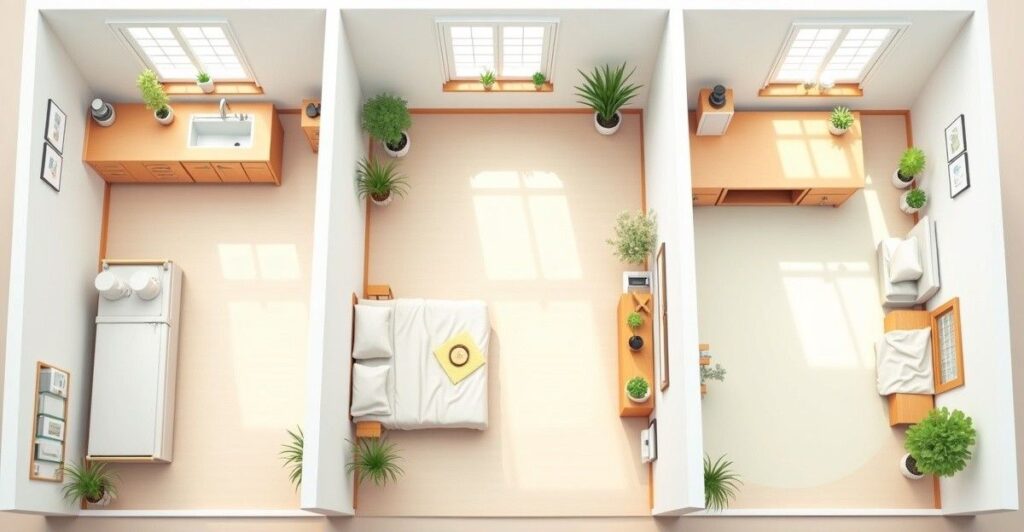
After our team completes a treatment, we recommend waiting at least 24 hours before doing any deep cleaning. This gives the products time to settle and start working effectively. For certain pests or specific treatments, wait times may differ slightly. If we’ve given more specific instructions for your home, be sure to follow those above all else.
We often hear folks ask, “how long after pest control can I clean?” While it’s natural to want to tidy up, too much cleaning too soon can sweep away the materials meant to keep pests from coming back. In particular, don’t wipe down baseboards, corners, or other treated surfaces unless absolutely necessary. The same goes for areas with bait or traps—these need to stay undisturbed to do their job.
Room-by-Room Cleaning Guide
Here’s some simple pest control aftercare advice to help you safely clean your home without affecting the results.
Kitchen:
- Wait 24 hours before wiping countertops or mopping.
- Don’t clean near baseboards or appliance edges where pests tend to hide.
- If you must clean food-prep areas, use a damp cloth and avoid harsh cleaners near treated zones.
Bathroom:
- Wipe down sinks, mirror surfaces, and toilets after the wait period.
- Avoid scrubbing floors or baseboards if they were sprayed.
- Keep drains and plumbing dry and debris-free to limit pest access.
Living Spaces & Bedrooms:
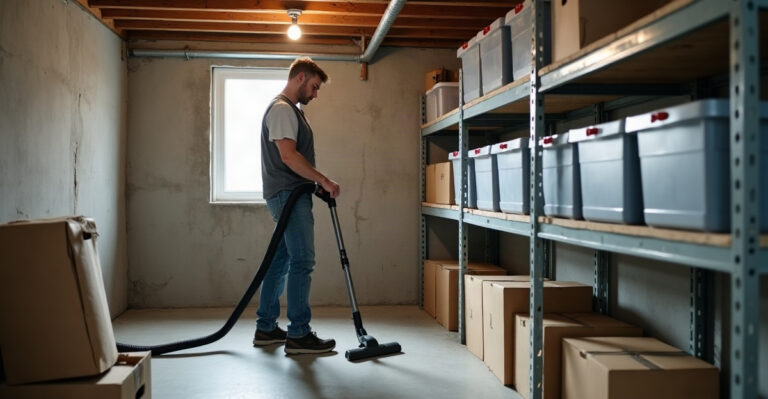
- Vacuum carpets and sweep hard flooring—just steer clear of treated barriers.
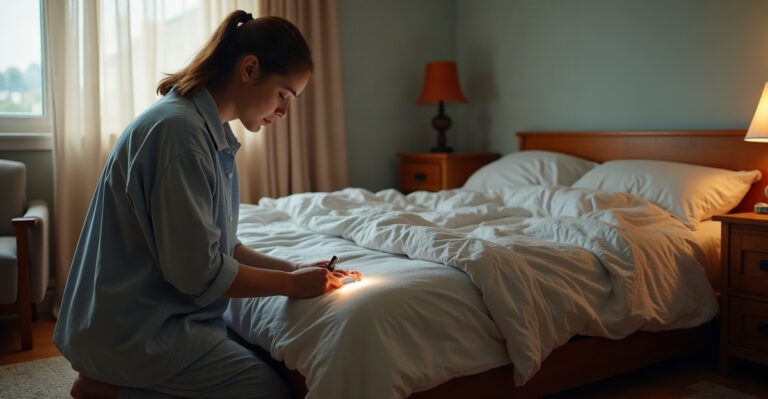
- If your mattress or bedding was treated (such as for bed bug issues), follow any care instructions we’ve provided.
- For general use spaces, it’s okay to air out rooms after the first 24 hours.
Entryways & Baseboards:
- These are high-traffic zones for pests and usually receive targeted treatment.
- Do not wipe or mop along these edges.
- Let powders or sprays sit undisturbed to keep creating a pest barrier.
If you’re dealing with specific pests like cockroaches or rodents, special instructions may apply. For example, we often advise lighter cleaning around bait placements during a rodent control treatment so the pheromone trails stay intact.
Ongoing care plays a big part in keeping pests out long term. Regular but gentle cleaning keeps your home fresh without disturbing the work we’ve done. If you’re ever unsure, we’re happy to walk you through the specifics based on your service plan. For continuing residential pest control care, our team is here to help every step of the way.
Checking Progress: Timelines, Signs of Effectiveness & When to Follow Up
What Progress Really Looks Like
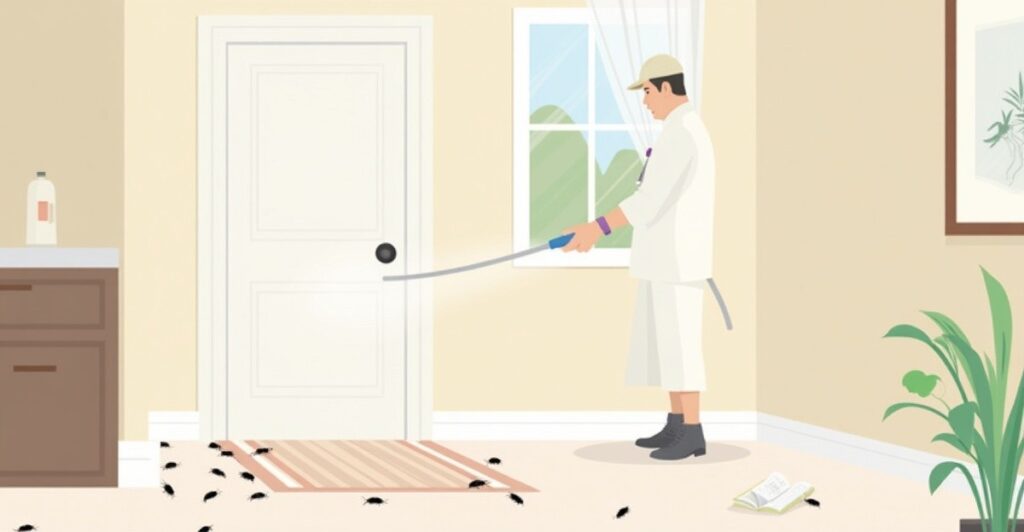
After a professional treatment, the first few days can feel like not much has changed—or even like things briefly get worse. That’s actually normal. When treated properly, pests become more active before they’re eliminated. Here’s what to look for during early stages of post pest treatment care:
- Increased activity for a short period: You might spot more ants, spiders, or roaches than before. That doesn’t mean the treatment isn’t working. It usually means the product is doing its job by flushing pests from their hiding spots.
- Dead pests in treated areas: Treated corners, baseboards, or entry points may show signs of success as pests come into contact with the barrier.
- Fewer sightings over time: Within about 10 to 14 days, pest activity should noticeably decrease. Some insects respond immediately, others—like ants or spiders—may linger for a few weeks.
- Slower infestations in chronic cases: Deeper issues, like large colonies or hidden nests, may take several visits and a bit more time to fully resolve.
For many situations, especially if we’re treating things like ants or spiders, it’s typical for activity to taper off gradually. That slow decline is a sign the control method is taking effect across the entire infestation, not just wiping out visible pests.
When It’s Time to Check Back In
We always recommend giving it a full two weeks before measuring final results. However, if you’re still noticing pests after that timeframe—or activity seems to spike again later on—you might need a second look.
Keep notes and consider these tips to help you track effectiveness:
- Jot down the date of treatment and any sightings afterward
- Check treated areas for signs like droppings, spider webs, or egg casings
- Note whether the problem has stayed in one place or spread to other rooms
Some homes require extra attention, especially if there are issues with moisture, outdoor access points, or shared walls in multifamily residences. That’s where a professional pest service follow-up can really make the difference. We’ll reassess, check progress, and determine if another step is needed—usually at no extra stress to you.
Most treatments are designed to keep working over time. But if things still aren’t improving after a few weeks, we’re happy to help reassess the situation. That applies whether you’ve tried a first-time treatment or are working with us on a year-round plan.
Don’t hesitate to reach out to our Idaho Falls pest control team if you’re concerned. Pest issues aren’t one-size-fits-all, and we know how to adjust based on what’s happening in your home or business. Whether it’s lingering ants, stubborn spiders, or pests returning after a treatment, we’ll guide you through the next step.
For homes facing ongoing activity, here’s where we can help with more targeted services:
- Ant control guidance
- Spider re-treatments
- Rodent follow-ups if noises or droppings return
Our goal is always to restore your space to pest-free—and keep it that way. We’ll get you there with careful post-treatment strategies and steady support.
Avoiding Common Pitfalls & Misconceptions
Myth vs. Fact: What Really Happens After Treatment
Pest control doesn’t always work like a light switch. Here are a few common myths we hear — and facts to help set the record straight.
Myth: “No bugs means total success immediately.”
Fact: It’s normal to see more bugs at first — especially in the days right after treatment. The products we use drive pests from their hiding places, which means you might spot more before you see less. That’s a sign the plan’s working, not failing.
Myth: “If I clean everything right after a treatment, I’ll stay bug-free.”
Fact: Heavy cleaning too soon can wipe away the treatment. Give it time to work. We’ll let you know when it’s safe to clean the treated areas, but usually it’s best to wait a few days.
Myth: “One treatment should be enough.”
Fact: Some pests need multiple visits to fully break the cycle. Cockroaches, bed bugs, and rodents are especially persistent. Many of our treatments are part of a program designed for longer-lasting control.
Myth: “DIY sprays are a good backup.”
Fact: Over-the-counter products can interfere with what we’ve applied, sometimes making it less effective. We’re always happy to recommend safe pest treatment for families if there’s a trusted option, but certain store-bought sprays can push pests deeper into the walls or scatter them to other rooms.
Common Mistakes to Avoid
To get the best results, it helps to steer clear of a few common missteps in the days and weeks after your pest control visit:
- Don’t deep clean too soon. Avoid mopping, power-spraying, or scrubbing around baseboards for at least a few days unless we advise otherwise.
- Keep bait and trap placements as they are. Moving them may reduce results or keep pests from reaching the bait.
- Avoid sealing entry points just yet. In some cases, it’s better to trap and remove current pests before closing off access.
- Skip additional store treatments unless we say it’s safe. Mismatched chemicals can reduce effectiveness — or give pests new places to hide.
- Don’t skip follow-up visits if scheduled. Some pests lay eggs that won’t be affected by the first treatment. Follow-ups help catch new hatchlings before they spread again.
Nobody likes pests, but we also know panic shouldn’t be part of the process. We provide honest pest control aftercare advice built on clear expectations. Whether you’re dealing with ants, bed bugs, or rodents, we’re here for steady progress — not shortcuts. If you’re still noticing activity or unsure what’s normal, just reach out. Our team at Falls Pest Services puts Idaho Falls pest control on the foundation of trust and safe, thorough care.
Frequently Asked Questions
It’s normal to see increased pest activity for several days after treatment. Pests are often flushed out of hiding as products take effect. This short-term spike usually lasts one to two weeks and is a sign the treatment is working. Activity should gradually decline as pests come into contact with treated areas and bait.
Most treatments begin working immediately, but full results take time. Ants and cockroaches may take 7–14 days to noticeably decrease, while bed bugs or rodents can take several weeks and may require follow-up visits. The timeline depends on the pest type, infestation size, and treatment method used.
Yes, but timing matters. Avoid cleaning treated areas like baseboards, corners, and bait locations for at least 24 hours, or longer if instructed. Light cleaning of non-treated surfaces is usually fine. Cleaning too soon can reduce effectiveness by removing the products meant to control pests.
Post pest treatment care is generally safe when instructions are followed. Keep children and pets away from treated areas until surfaces are dry and re-entry times have passed, usually a few hours. Do not disturb bait stations, and contact your provider if you have specific safety concerns or special circumstances.
You should call for follow-up if pest activity continues beyond two weeks, worsens over time, or appears in new areas. Persistent pests, large infestations, or seasonal pressures may require additional visits. A follow-up inspection helps confirm whether the treatment is progressing normally or needs adjustment.