How to Prevent Ants in the Kitchen
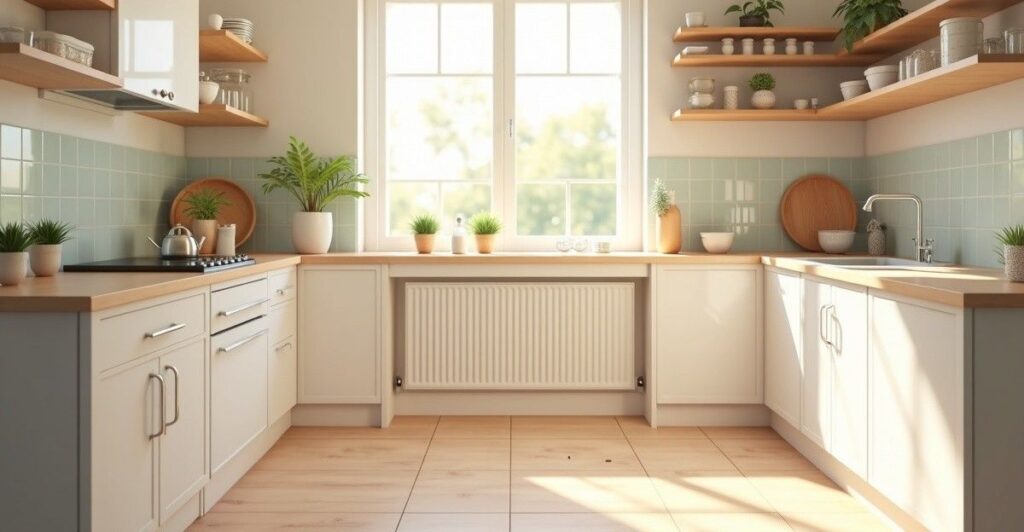
Ants enter kitchens looking for food, water, and shelter. They often slip through tiny openings around pipes, windows, and baseboards. Simple habit changes and sealing off these entry points can keep them out safely and effectively.
Key Takeaways
- Ants get attracted by crumbs, moisture, and accessible pet food.
- Daily cleaning—focusing on counters, floors, and trash areas—keeps them away.
- Keep food in sealed containers and avoid leaving pet bowls out overnight.
- Close up cracks and gaps near doors, windows, and plumbing to block access.
- Use natural options like vinegar sprays or bay leaves as added protection.
Why Ants Are Attracted to Your Kitchen (And How They Get In)
Ants show up in kitchens for one simple reason: it’s a great place to eat. Most homes offer a ready buffet of food crumbs, sugary spills, and easy access to moisture—especially around sinks or dishwashers, which university entomology research explains are primary attractants for household ants. Even pet food bowls, if left out, can become reliable feeding stations.
Many of us have noticed ants marching along countertops, gathering near baseboards by the dishwasher, or clustering around forgotten crumbs near the stove. Those consistent trails often lead us to wonder: why do ants come in the house in the first place? The short answer—survival. They’re drawn by smells and moisture, and once a scouting ant finds a good source, it alerts the entire colony.
Entry points are often smaller than we think: gaps around plumbing, unsealed baseboards, door frames, or cracks around windows. During spring and summer in Eastern Idaho, ant activity increases noticeably. Odorous house ants and pavement ants are especially common, as the University of Idaho Extension’s guidance on common household ants in Idaho outlines, taking advantage of the season’s warmth to forage.
If you’re wondering how to find where ants are coming from, look along walls, between cabinets, and where the kitchen meets exterior spaces. Following a trail backward can often reveal the places ants slip inside unnoticed.
Simple Daily Steps to Keep Ants Out of the Kitchen
Keeping ants away starts with easy, consistent habits that keep your kitchen less attractive to pests. Here’s a simple checklist:
Daily Ant Prevention Checklist
Follow these steps to help keep ants out of kitchen spaces safely and reliably:
- Wipe down countertops and sweep floors each day
- Clean up spills immediately—especially sugary drinks or sticky foods
- Store snacks, cereals, and pet food in airtight containers
- Empty trash bins regularly and rinse them after leaks or sticky residue
- Don’t leave pet food or water out overnight
These steps aren’t just helpful—they’re safe pest prevention for homes. We should always use cleaning products that are pet- and family-friendly, and pay extra attention to where little hands and paws travel. For busy households, a printable “Ant-Free Kitchen Guide” or daily checklist can make a big difference in keeping routines on track.
Seal the Gaps: Stop Ants Before They Step Inside
Even the cleanest kitchen can become home to ants if entry points are left open. To prevent ant infestation, we start with a close inspection of where walls, floors, and fixtures meet.
How to Stop Ants in Kitchen Areas Safely
Here are a few trusted methods for sealing up those tiny entry zones:
- Use caulk to seal cracks along baseboards, under cabinets, and around windowsills
- Weather-strip or install door sweeps to block gaps under exterior doors
- Repair torn window screens
- Seal plumbing or utility lines where they pass through walls—especially behind kitchen appliances
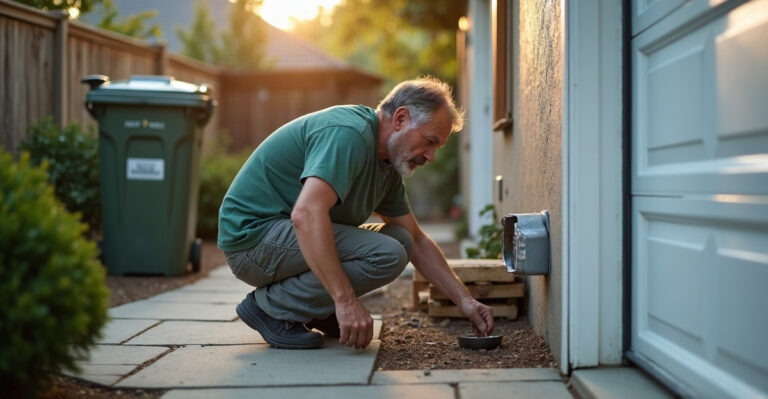
In rural parts of Eastern Idaho, homes with outbuildings or basements often need extra attention. Mice and insects may find refuge here during cold months, and ants begin foraging as soon as the temperatures rise.
We also recommend safe, natural barriers such as a vinegar spray (1:1 vinegar and water) or a light dusting of diatomaceous earth along baseboards and around entry points, used in accordance with EPA guidance on registered diatomaceous earth products. These can help reduce trail markings and deter future activity.
Ant Troubleshooting: Spotting the Signs Early
Catching an infestation early can save a lot of frustration later. The first signs aren’t usually dramatic—we might see a lone ant here or there near a sink or sugar jar. But don’t ignore them. These individual ants are scouts, and they’re laying the groundwork for more.
Other red flags include:
- Repeated sightings of ants in the same spot—especially near food or water
- Narrow trails leading under appliances or along walls
- Ants that seem to return quickly after we’ve cleaned thoroughly
When we ask ourselves, “ants in my kitchen what can I do?” the best place to start is with careful cleaning and sealing efforts. But if ants return often, that usually points to a hidden nest close by—especially during warmer months.
Consistent prevention is key. Even small missteps—a spill left overnight or a missed crumby corner—can quickly invite ants back in.
Safe and Natural Ant Prevention for Families and Pets
For households that prioritize health and safety, natural ways to get rid of ants can offer peace of mind. The right strategy combines low-risk ingredients with effective placement.
Here are some options we regularly recommend:
- Mix vinegar and water to spray on ant trails and wipe away the chemical path left for others
- Place bay leaves, cloves, or cinnamon near known entry points—these natural scents disrupt the ants’ scent detection
- Use pet-safe bait stations tucked under cabinets or behind appliances (always out of reach of children and pets)
We focus on safe pest prevention for homes by selecting treatments that fit household routines and health needs. While these methods won’t always solve deeper infestations, they support your daily prevention efforts and reduce reliance on stronger chemicals.
For more detail on the safest pet-friendly strategies, explore our post on how safe are pest treatments for pets.
When It’s Time to Call In a Professional (and Who to Trust Locally)
Some ant problems go beyond what we can handle with cleaning and sealing alone. If we’re still seeing ants despite our best effort, it may be time to involve professional support.
Here are signs that it’s probably no longer a DIY issue:
- Ants continue appearing even after deep cleaning
- There are visible, active trails that return day after day
- We find signs of nesting activity indoors (like piles of frass or wall damage)
Calling in a professional doesn’t mean harsh chemicals or interruption to daily life. A good pest control service focuses on minimizing disruption while targeting the core cause.
At Falls Pest Services, we provide proven ant control solutions that work for families, pets, and businesses across Eastern Idaho. From local pest control Idaho Falls to surrounding communities like Rexburg and Pocatello, we stay focused on dependable service and lasting prevention. We also provide ant control in Twin Falls for homes and businesses dealing with recurring ant activity.
For homes dealing with recurring infestations, we also address other common pests like spiders, cockroaches, and rodents.
Help is nearby if you need it. Trusted ant prevention in Eastern Idaho is just a call or click away. Start with our residential pest control solutions or contact us today for a consultation.
To learn more about why you might be seeing ants in the first place, check out our related blog on what attracts ants to your home.
Frequently Asked Questions
The best way to keep ants out of the kitchen is to combine daily cleaning with sealing entry points. Remove food crumbs, wipe spills immediately, store food in airtight containers, and seal cracks around baseboards, windows, and plumbing. Consistency is key, as even small food sources can attract ants back quickly.
Ants can return to a clean kitchen if moisture, scent trails, or hidden entry points remain. Water near sinks, dishwashers, or pet bowls is often enough to attract them. Ants also follow invisible chemical trails, so cleaning with vinegar or soap helps erase signals that guide other ants inside.
Natural remedies can help deter ants when used alongside good cleaning habits. Vinegar sprays remove scent trails, while bay leaves, cinnamon, or cloves disrupt ant navigation near entry points. These methods work best for light activity and prevention but may not stop larger or established colonies on their own.
To find ant entry points, follow visible ant trails backward toward walls, cabinets, or appliances. Common entry areas include gaps around pipes, cracks in baseboards, door thresholds, and window frames. Checking where the kitchen meets exterior walls often reveals tiny openings ants use to get inside.
Ant bait is usually more effective than sprays for long-term control because it targets the colony, not just visible ants. Sprays may kill ants on contact but can scatter them and worsen the problem. If using bait, choose pet-safe options and place them out of reach under cabinets or appliances.