
Can Pest Control Help With Allergies?
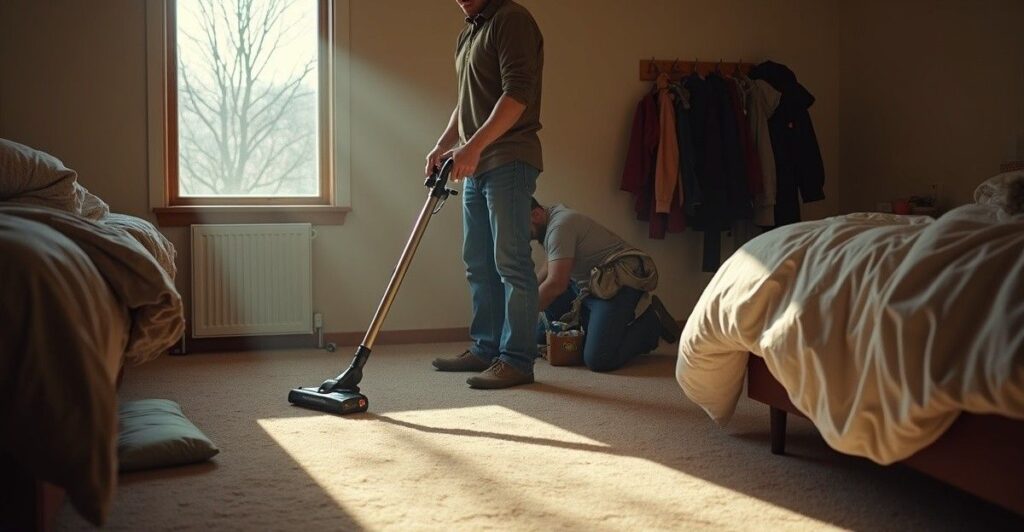
Pest control supports allergy relief by cutting down pest-related allergens inside homes. We reduce irritants that lower indoor air quality and trigger sneezing, coughing, and asthma flare-ups. We target sources like cockroach debris, rodent dander, and dust mites. In Eastern Idaho, seasonal shifts often increase these issues. Professional pest control lowers exposure to common indoor triggers, while medical providers handle diagnosis and treatment.
Key Takeaways
- Pest allergens from cockroaches, rodents, and dust mites build up in carpets, bedding, insulation, and HVAC systems. We often find these particles in hidden areas where they circulate through the air and worsen daily allergy and asthma symptoms.
- Seasonal changes in Eastern Idaho, including colder weather and dry indoor air, drive rodents indoors and allow allergens to spread more easily. We see increased rodent movement in fall and winter as they search for warmth and food.
- Preventive steps like sealing food, reducing moisture, washing bedding in hot water, and using HEPA vacuums limit allergen buildup. We recommend combining these habits with routine cleaning of high-risk areas such as baseboards, crawl spaces, and vents.
- Professional pest control focuses on inspection, targeted treatment, exclusion, and monitoring to reduce the source of allergen production. We identify entry points, remove active infestations, seal gaps, and track activity to prevent recurrence.
- Pest control lowers exposure to triggers but does not cure allergies. We work alongside medical providers, who should guide diagnosis and treatment if symptoms persist.
How Pest Allergens in Homes Trigger Everyday Symptoms
Pest control for allergies can help by reducing pest allergens in homes, but it does not cure allergies. The focus is on lowering exposure to triggers that affect indoor air quality and pest activity, which can ease everyday symptoms for many families.
Household pests leave behind more than visible damage. Droppings, saliva, urine, shed skins, nesting materials, and decomposing insect parts build up over time. Normal activities like vacuuming, walking across the floor, or changing bedding can stir these particles into the air. Once airborne, they can settle into carpets, furniture, and ventilation systems.
Several pests are common sources of allergens:
- Cockroach allergens from droppings, saliva, and body fragments
- Rodent dander allergies caused by proteins in urine, saliva, and skin flakes
- Dust mites in homes, which thrive in bedding, carpets, and upholstered furniture
Health authorities such as the Centers for Disease Control and Prevention (CDC) recognize cockroach allergens as a known asthma trigger, especially for children. Even small amounts can affect sensitive individuals.
Common allergy symptoms from pests include sneezing, itchy or watery eyes, a runny or congested nose, coughing, wheezing, and asthma flare-ups. These symptoms often resemble seasonal allergies, which makes the root cause easy to overlook.
We always recommend speaking with a healthcare professional for proper diagnosis and treatment of allergy or asthma symptoms. Pest control addresses environmental triggers. Medical providers address the body’s response.
Why Eastern Idaho Homes May See Seasonal Allergy Triggers
Homes across Idaho Falls, Twin Falls, Pocatello, Rexburg, Rigby, and nearby communities face seasonal shifts that influence pest behavior. Those shifts can affect indoor allergens.
As temperatures drop, rodents look for warmth and shelter. Homes provide steady heat and easy access to food. Seasonal entry increases the chance of rodent dander allergies building up indoors. Many homeowners first notice activity in garages and storage areas. For more insight on that pattern, we’ve covered mice in the garage in detail.
Eastern Idaho’s dry climate also plays a role. Dry air makes it easier for fine particles, including pest allergens in homes, to circulate. Closed windows and tightly sealed homes during winter can trap those particles inside. Indoor air quality may decline without obvious warning signs.
Families with children and pets often report worsening allergy symptoms from pests without realizing the connection. Symptoms may increase during colder months, even when outdoor pollen is low. In many cases, indoor sources are contributing to the problem.
As a local Eastern Idaho pest control provider, we see how these patterns repeat year after year. Seasonal rodent entry, dry air, and enclosed indoor spaces create conditions where allergens accumulate.
What You Can Do to Reduce Allergens in the Home
Simple daily habits can reduce allergen buildup and make the home less inviting to pests.
Start with basic prevention steps:
- Seal food in airtight containers.
- Clean crumbs and spills quickly.
- Address moisture under sinks and in basements.
- Seal small gaps around doors, windows, and foundations.
- Use a vacuum with a HEPA filter to capture fine allergen particles from carpets and upholstery.
These actions reduce food sources and limit places where pests can thrive. They also help remove particles already present in living spaces.
Dust mites in homes require consistent effort. Wash bedding in hot water regularly. Keep indoor humidity under control. Vacuum and clean soft surfaces on a routine schedule. A one-time deep clean will not provide lasting relief if conditions remain favorable for mites.
DIY measures work best for prevention and early problems. Established infestations often continue producing allergens even after surface cleaning. According to the U.S. Environmental Protection Agency (EPA), cockroach allergens can persist in wall voids, behind appliances, and inside cabinets. Rodent activity inside insulation or storage areas may go unnoticed.
If pest pressure remains, it may be time to review when to call for pest control and consider a professional inspection.
How Professional Pest Control Services Help Reduce Allergen Sources
Professional pest control services target the source of allergen production. That distinction matters. Masking symptoms with air fresheners or surface cleaners will not solve the underlying issue.
A thorough service typically includes:
- A detailed inspection to identify pest activity and signs of allergen buildup.
- Targeted treatment based on the specific pest involved, whether addressing cockroach allergens or resolving rodent issues.
- Exclusion work to seal entry points and limit future access.
- Ongoing monitoring and prevention plans to reduce recurrence.
For example, our cockroach control services focus on eliminating active populations and treating harboring areas where allergens accumulate. Our rodent control services address nesting sites, entry points, and contamination concerns that contribute to rodent dander allergies.
Reducing indoor pest activity can improve indoor air quality and pest-related triggers over time. That said, pest control for allergies does not cure allergic conditions. It lowers exposure. Relief varies depending on individual sensitivity, cleaning practices, and ventilation.
Safety remains a priority. Treatments are applied carefully, with clear instructions before, during, and after service. Families often ask about pets, and we explain how applications are performed and what precautions to follow. We have addressed common concerns about pest treatments and pets to help homeowners feel informed and confident.
We take a steady, practical approach. The goal is simple: remove the source of allergens and help create a cleaner, more comfortable home environment.
Common Questions About Allergies and Pest Control
Are pest control treatments safe for allergy sufferers?
Modern professional pest control services follow label guidelines and industry standards closely. Applications focus on targeted areas rather than blanket spraying. We communicate clearly about what to expect so families can plan accordingly. Safety, reliability, and transparency guide every step.
How long does it take to see improvement?
Active pest allergens in homes begin to decrease after effective treatment and removal of infestations. Noticeable symptom relief depends on factors such as ventilation, cleaning practices, and individual sensitivity.
Pests can cause allergies even if they are not seen regularly. Cockroach allergens and rodent dander allergies may remain after visible pests are gone. Learning more about cockroaches and health risks explains why thorough elimination matters.
Health authorities like the CDC and AAFA recognize cockroach allergens as asthma triggers, especially in children. Addressing infestations supports a healthier indoor environment.
If allergy symptoms from pests persist, if droppings or nesting materials are found, or if seasonal rodent activity is common in the area, it is time to take the next step. Regular service intervals also matter, and we have outlined recommendations on how often pest control should be done.
Families across Eastern Idaho can explore our residential pest control services or reach out directly through our contact page to schedule an inspection. We are here to answer questions, assess concerns, and provide straightforward solutions tailored to each home’s needs.
Frequently Asked Questions
Yes, pest allergens in homes are known asthma triggers. The Asthma and Allergy Foundation of America (AAFA) explains that proteins found in cockroach droppings, rodent urine, and dust mite waste can become airborne and irritate the airways. When inhaled, these particles may cause coughing, wheezing, chest tightness, or asthma flare-ups. Children and sensitive individuals are often more affected, especially in tightly sealed homes during colder months.
Pest allergens spread when tiny particles become airborne and circulate through indoor spaces. Normal activities like walking, vacuuming, or turning on HVAC systems can disturb droppings, shed skin, or nesting debris. These particles settle into carpets, bedding, furniture, and vents. Over time, allergens accumulate and continue recirculating unless the infestation source is removed.
The most common sources of pest allergens indoors are cockroaches, rodents, and dust mites. Cockroaches leave allergenic fragments and droppings behind appliances and inside cabinets. Rodents produce proteins in urine and dander that contaminate insulation and storage areas. Dust mites thrive in bedding and upholstery, feeding on dead skin cells and multiplying in humid environments.
Cleaning helps reduce surface allergens but usually does not eliminate the source. Vacuuming with a HEPA filter and washing bedding in hot water can capture fine particles. However, allergens hidden inside wall voids, insulation, or nesting areas may persist. Without addressing active infestations and entry points, allergen production can continue even after deep cleaning.
Pest-related allergy triggers begin decreasing after infestations are properly treated and contaminated areas are cleaned. Initial improvements may occur within weeks, but full reduction depends on ventilation, humidity control, and ongoing prevention. Sealing entry points, removing nesting materials, and maintaining routine cleaning all support longer-term improvement in indoor air quality.