How to Spot Signs of a Pest Nest
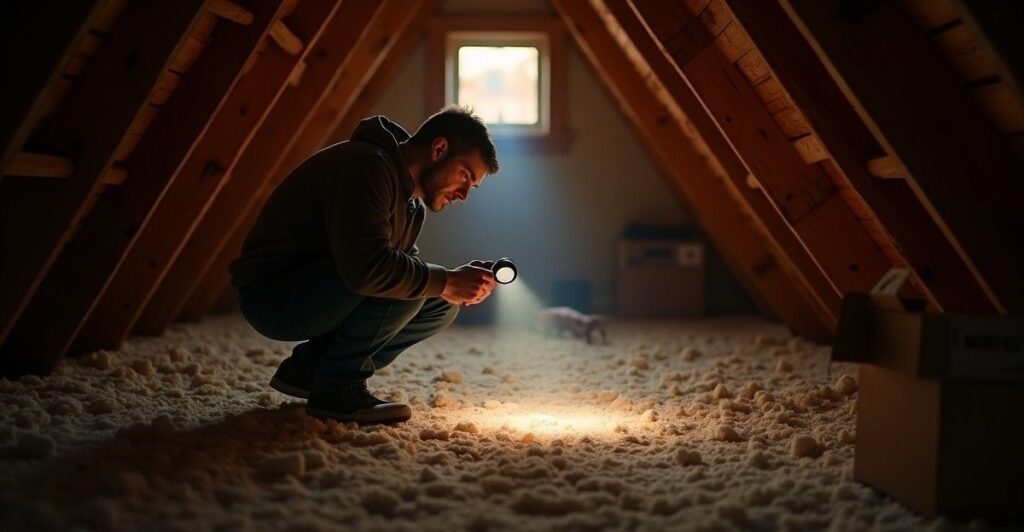
Spotting the early signs of a pest nest allows us to stop property damage and health risks before they escalate. Eastern Idaho’s seasonal shifts drive rodents and wasps indoors as temperatures drop or spike, a pattern commonly documented by university extension pest management programs. By recognizing common warning signals and applying practical pest nest location tips, we narrow down nesting areas fast and decide when to bring in professional support.
Key Takeaways
- Scratching sounds, droppings, chewed materials, grease marks, and repeated sightings signal active nesting in many cases.
- Attics, wall voids, crawl spaces, garages, roof eaves, sheds, and landscaping beds serve as common nesting spots.
- Consistent activity patterns usually point to an established nest instead of a lone stray pest.
- Safe inspections involve checking insulation, entry gaps, and stored items carefully without disturbing live nests.
- We recommend professional service for wasp colonies, nests near wiring, tight spaces, or infestations that continue despite prevention efforts.
Early Warning Signs You Shouldn’t Ignore
Spotting the early signs of a pest nest helps us act before small issues grow. Many infestations start quietly, especially during cold Eastern Idaho winters when rodents look for warmth indoors.
Unusual sounds often come first. Scratching in the walls, scurrying in the attic, or light gnawing noises at night can signal activity nearby. Homes in Idaho Falls, Rexburg, and Rigby commonly experience this when temperatures drop and rodents search for insulation and shelter.
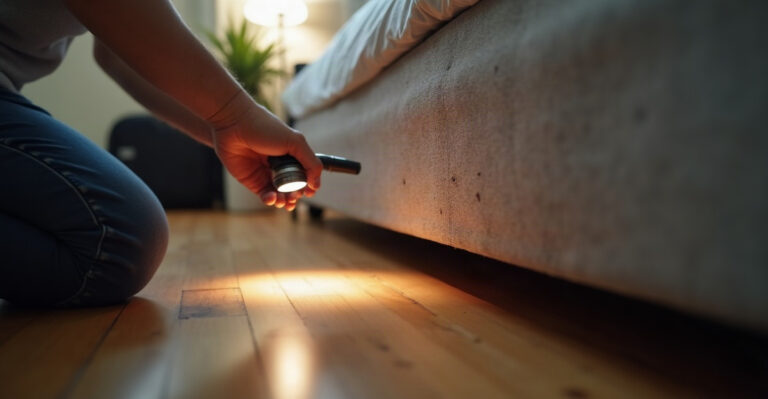
Droppings and pest damage are clear indicators. We may notice small dark pellets in cabinets, along baseboards, in garages, or inside crawl spaces. Chewed wood, frayed wires, damaged insulation, cardboard, and torn food packaging also point to nesting behavior. If we’re unsure what certain debris means, guides like what termite droppings look like can help differentiate between pests.
Nesting materials provide another strong clue. Shredded insulation, torn paper, fabric pieces, dried grass, or gathered debris tucked into corners often indicate an active nest. Rodents build these hidden clusters inside walls, attics, and storage boxes.
Grease marks or rub marks along baseboards and entry points are common with rodents. As they travel the same path repeatedly, their fur leaves dark streaks on surfaces.
Increased sightings also matter. Seeing pests occasionally doesn’t always mean there’s a nest. However, seeing activity repeatedly — especially daytime rodent movement — may signal something larger. Persistent activity is one of the clearest signs of a pest nest and among the most frequent signs of rodents in Eastern Idaho homes.
Wasp nest warning signs look different. Steady wasp or hornet traffic under roof eaves, around sheds, or flying into a single hole in siding often indicates a developing colony. For more detail on exterior activity, our article on wasps nesting on porches explains why certain areas attract them.
One sign alone may not mean a major infestation. Patterns, repeated noise, and regular sightings usually point to a nest nearby.
Where Pests Commonly Build Nests in Eastern Idaho Properties
Pests look for warmth, moisture, food, and shelter. Eastern Idaho’s freezing winters and dry summers push them toward protected spaces in homes and businesses.
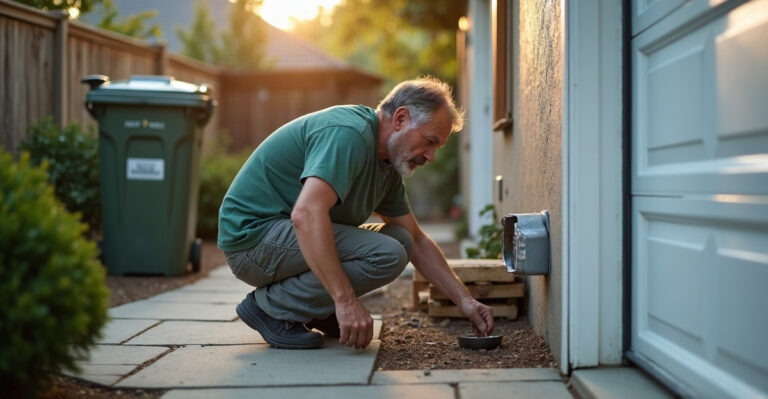
The most common nesting areas in homes include attics, wall voids, crawl spaces, basements, garages, sheds, under decks, roof eaves, and landscaping beds. These spaces offer quiet protection from weather and predators.
An attic pest nest often forms inside insulation near roof vent gaps. Even small openings allow mice or squirrels inside. Wall voids also make ideal nesting sites. A rodent nest in walls may create scratching sounds in bedrooms or home offices, especially at night.
Crawl spaces attract pests when moisture builds up. Damp conditions support insects and draw rodents looking for water. Pest activity in a crawl space can go unnoticed for months without routine inspection.
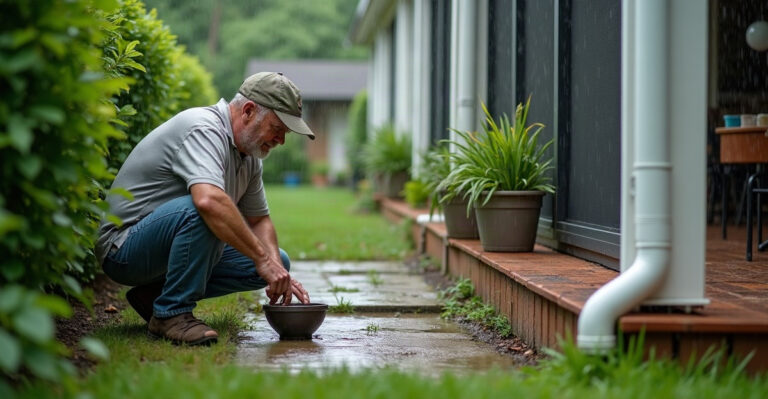
Outdoor nesting is common as well. Burrows may appear under patios or decks. Landscaping beds sometimes hide mound-building insects. Properties near agricultural edges in Twin Falls, Pocatello, and surrounding rural communities often see increased field rodent pressure during seasonal changes.
Commercial buildings face similar concerns. Storage areas, warehouses, restaurant utility rooms, and hospitality dumpster enclosures offer food access and hidden shelter. Regular monitoring in these areas prevents larger disruptions.
Understanding these common nesting areas in homes and businesses helps us narrow down pest nest location tips before damage spreads.
How to Find a Pest Nest Safely: Practical Inspection Tips
Clear pest nest location tips allow us to inspect safely without disturbing active nests. Safety always comes first.
Simple inspection steps
Before beginning, we recommend taking notes and wearing basic protective gloves if checking storage areas. Then focus on these areas:
- Inspect insulation for disturbance or flattened sections in attics.
- Look for entry gaps around foundations, rooflines, vents, and door sweeps. A quarter-inch gap can allow small rodents inside.
- Monitor activity patterns. Nighttime movement often signals rodents, while daytime flight patterns suggest wasps.
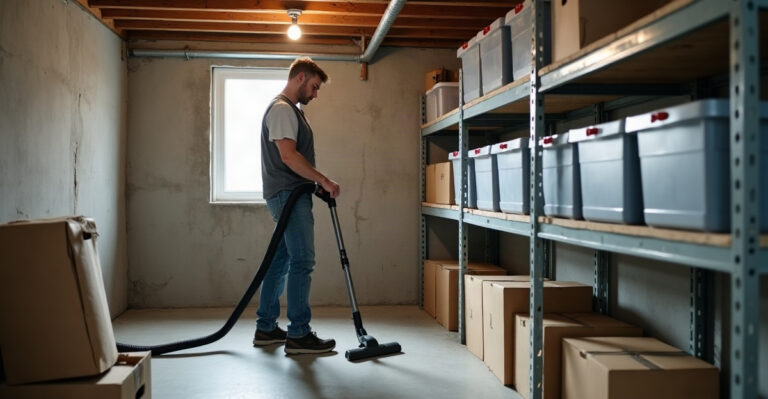
- Check behind stored boxes in garages and sheds.
- Observe crawl spaces only from safe access points without entering confined areas.
- Watch for visible entry holes in siding or under eaves.
Documenting what we find helps determine how to find a pest nest more effectively. Photos of droppings, rub marks, or nest materials provide valuable information for proper identification.
If activity centers around the garage, our guide on mice in the garage outlines common entry patterns we often see in Eastern Idaho homes.
These steps help confirm activity. They do not replace professional identification or removal.
Why Nests Become a Bigger Problem Over Time
Nests expand as pests breed. Rodents reproduce quickly, and wasp colonies grow steadily through spring and summer. If undisturbed, populations increase and spread beyond the original nesting site.
Structural concerns often follow. Rodents damage attic insulation, chew on wires, and contaminate stored goods. Damaged wiring increases electrical risk, a hazard frequently associated with rodent activity according to the National Fire Protection Association. Insulation loss reduces energy efficiency during Idaho winters.
Health considerations also deserve attention. Rodents can carry bacteria and leave contamination in food storage areas, as outlined by the Centers for Disease Control and Prevention (CDC). Wasps may sting if their nest is disturbed, especially near roof eaves or entryways.
Recurring droppings, repeated scratching, or steady outdoor flight activity usually indicate an established nest rather than a single stray pest. Early response limits repair costs and reduces disruption.
When DIY Inspection Isn’t Safe
Certain situations call for caution. Direct interaction can increase risk.
Active wasp or hornet nests should never be disturbed without proper equipment. Visible wasp nest warning signs — such as heavy flight traffic entering one opening — signal a developed colony. Our guidance on what to do if we see a wasp nest explains safe next steps.
Rodent nests inside walls near electrical wiring require care. Chewed wires and confined spaces create hazards. Crawl spaces with limited ventilation or visibility also present safety concerns.
Large amounts of droppings or strong odors suggest extended activity. These environments may require protective equipment and proper sanitation procedures.
Knowing when to call pest control protects property and health. We always recommend avoiding direct nest removal without confirmed identification and preparation.
When It’s Time to Call a Trusted Local Professional
Persistent scratching in the attic or walls after sealing visible gaps often indicates an attic pest nest hidden deeper inside insulation. Recurring infestations after store-bought treatments also point to nests that weren’t fully addressed.
Repeated droppings, visible structural damage, or uncertainty about the species signal the need for a thorough inspection. Nests located in roof eaves, wall voids, or commercial ceiling spaces require specialized tools and training.
Professional help ensures accurate identification and safe removal. Our rodent control services address nesting issues at the source. For exterior colonies, our wasp and hornet control team handles removal safely and efficiently. Ongoing monitoring through our residential pest control plans helps prevent future nesting.
Falls Pest Services provides clear assessments and practical solutions for homes and businesses across Idaho Falls, Twin Falls, Pocatello, Rexburg, Rigby, and nearby communities. We focus on steady, professional service that restores comfort without pressure or scare tactics. When nesting activity appears, simple next steps and reliable local support make all the difference.
Frequently Asked Questions
Scratching sounds inside walls or ceilings often indicate active nesting, especially if they occur at night. Rodents are nocturnal and tend to move, chew, and build nests after dark. Consistent noises in the same area, combined with droppings or chew marks, usually suggest an established nest rather than a single stray animal.
The most common nesting areas include attics, wall voids, crawl spaces, garages, roof eaves, and sheds. These locations provide warmth, shelter, and protection from weather. Checking insulation, stored boxes, foundation gaps, and exterior entry points can help narrow down where pests may be nesting.
Basic visual inspections can be done safely if you avoid direct contact with live nests. Wear gloves, use a flashlight, and check for droppings, shredded materials, or entry holes. However, wasp colonies, nests near wiring, or infestations inside tight spaces should be handled by professionals to prevent injury or property damage.
Pest nests grow as populations reproduce. Rodents breed quickly, and wasp colonies expand throughout warmer months. As numbers increase, so does structural damage, contamination, and health risk. Early identification using pest nest location tips helps limit repair costs and prevents the infestation from spreading further.
Professional help is recommended if you notice recurring droppings, repeated scratching, visible structural damage, or heavy wasp activity. If store-bought treatments fail or the nest location is unclear, experts can identify the species, locate hidden nests, and remove them safely using proper equipment.