How to Keep Bugs Out Without Chemicals

Keeping bugs out without chemicals starts with strong natural pest barriers. Strong air sealing, smart sanitation, and practical landscaping changes block entry points, cut excess moisture, and remove the food and shelter pests need. This approach helps Eastern Idaho homeowners lower seasonal pest pressure in a steady, practical way. We also recognize when prevention needs added support.
Key Takeaways
- Natural pest barriers deliver the best results as prevention, so we seal cracks, repair screens, and install door sweeps before pests settle indoors.
- Moisture control, sealed food storage, and routine cleaning remove the conditions that draw ants, earwigs, flies, and rodents inside.
- Landscaping updates and simple lighting changes reduce pest activity around the home’s exterior.
- Essential oils can deter pests on surfaces for a short time, but they will not remove nests or stop active infestations.
- Professional evaluation becomes essential if pests persist, multiply quickly, or create structural damage or safety risks.
Stop Bugs Before They Get Inside: The Most Effective Natural Pest Barriers
Natural pest barriers work best as prevention tools. They help reduce pest pressure and discourage entry, but they won’t eliminate a well-established infestation on their own.
The key to chemical-free pest control is stopping problems before they start. Instead of reacting after pests settle in, we focus on blocking entry, reducing attractants, and maintaining simple habits that support long-term protection. That approach provides safer pest control for pets and kids while limiting the need for heavy spray treatments.
In Eastern Idaho, seasonal pest pressure is part of life. Ants become active in spring and summer. Spiders move indoors as temperatures shift. Earwigs gather in damp areas. Wasps build nests under eaves. Rodents search for warmth once winter sets in. In Eastern Idaho, seasonal pest patterns are well documented by the University of Idaho Extension.
Natural pest barriers and smart DIY pest prevention steps create a strong first line of defense. Along with consistent pest prevention tips Eastern Idaho homeowners can follow year-round, they reduce the chance pests ever get comfortable inside.
Seal Entry Points for Pests Before They Become a Problem
Most pests don’t appear out of nowhere. They enter through small openings around doors, windows, foundations, and utility lines. Even gaps the width of a pencil can allow ants and spiders inside. Rodents can enter through surprisingly small gaps, with mice fitting through openings as small as a quarter inch according to the Centers for Disease Control and Prevention (CDC).
To effectively seal entry points for pests, we recommend:
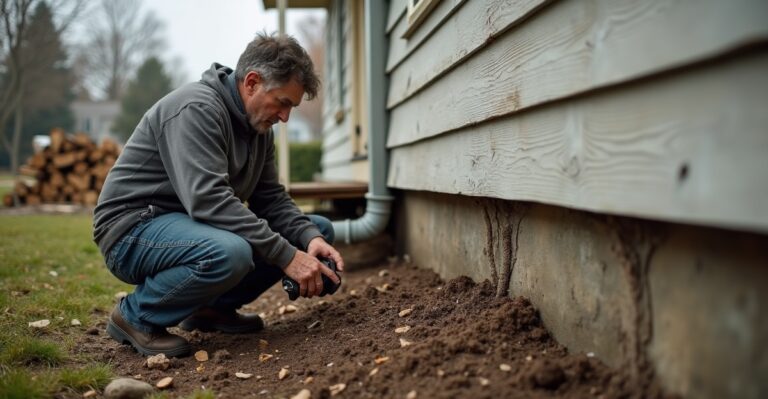
- Use exterior-grade caulk or sealant on visible cracks in foundations and siding.
- Install door sweeps on exterior doors and adjust thresholds as needed.
- Replace worn weather stripping around doors and windows.
- Repair torn window and vent screens.
- Check attic vents, rooflines, and crawl space access panels for gaps.
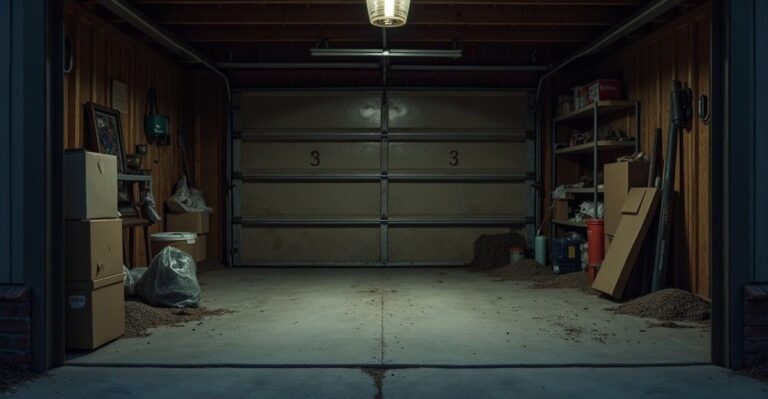
- Inspect garage door seals and sides for light showing through.
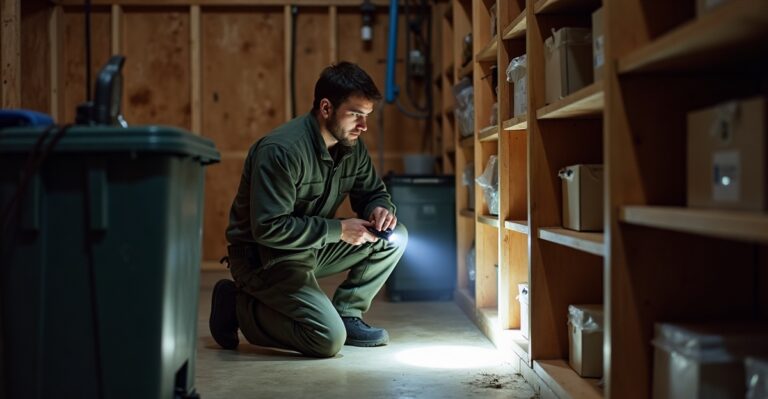
A consistent inspection routine makes a major difference. It helps keep ants, spiders, and rodents out naturally without relying immediately on sprays.
Ants often enter through foundation cracks and utility openings. Sealing and exterior treatments work together, especially in high-pressure months. For recurring problems, targeted ant control may be needed to stop colonies at the source.
Rodents squeeze through gaps near garages, rooflines, and crawl spaces. Winter drives them indoors in Idaho Falls, Rexburg, Pocatello, Twin Falls, and surrounding communities. If scratching sounds appear in walls or attics, professional assessment is important before damage spreads.
For homeowners who want added peace of mind, structured residential pest control programs combine exclusion, monitoring, and seasonal treatments in a predictable, low-stress way.
Remove What Attracts Them: Food, Water, and Shelter
Blocking entry is only part of the equation. Chemical-free pest control begins with removing the conditions pests rely on.
Moisture control plays a central role in prevention, as noted in guidance from the U.S. Environmental Protection Agency (EPA) on integrated pest management. Spring snowmelt and summer irrigation increase damp areas around foundations. Earwigs, ants, and flies thrive in moisture. Rodents also follow water sources.
We recommend:
- Fix leaking faucets, pipes, and hose bibs promptly.
- Adjust sprinklers to avoid overspray against siding.
- Direct downspouts away from the foundation.
- Keep gutters clear so water flows properly.
- Store pantry goods in sealed containers.
- Clean kitchen crumbs and spills quickly.
- Empty trash regularly and use tight-fitting lids.
Drains are another overlooked area. Some insects can enter through plumbing lines, particularly if traps dry out. Regular water flow and inspection help reduce this risk. We discuss this issue further in our article on pests coming through drains.
Kitchen sanitation plays a major role in preventing ants. Wiping surfaces and sealing food reduces the scent trails that guide foragers indoors. More guidance is available in our post on preventing ants in the kitchen.
These habits form the backbone of safe pest control for pets and kids. By limiting moisture and food sources, we reduce the need for reactive treatments later. Strong sanitation and moisture control remain top pest prevention tips Eastern Idaho homeowners can rely on year-round.
Adjust Landscaping and Exterior Lighting to Reduce Pest Pressure
Exterior conditions directly affect indoor pest activity. Landscaping that touches siding or roofing creates easy pathways for insects and rodents.
Shrubs and tree branches should stay trimmed back from structures. Maintain open space between soil and siding, often with a gravel barrier. Keep firewood stacked away from exterior walls, especially during colder months.
Earwigs and ants use mulch and dense groundcover as shelter. Strategic spacing lowers that pressure. These landscaping adjustments act as natural pest barriers without disrupting your yard’s design.
Lighting also plays a role. Many flying insects gather around exterior lights at night. Reducing unnecessary lighting or switching bulb types can lower attraction. Learn more in our article on why bugs are attracted to light.
Wasps often build nests under eaves, porch ceilings, and entry overhangs during warmer months. Early inspection and removal reduce risk near walkways and doors. For more guidance, see our article on preventing wasps naturally.
Consistent maintenance works better than dramatic changes. Regular trimming, careful lighting choices, and thoughtful storage habits all support DIY pest prevention and help keep ants, spiders, and rodents out naturally.
Using Essential Oils for Pest Deterrence — What to Expect
Essential oils for pest deterrence are often discussed as natural pest control methods. In practice, they act as short-term surface repellents.
Certain scents may temporarily discourage ants or spiders in small areas. However, they do not eliminate colonies, remove nests, or resolve established infestations. Oils fade quickly, especially outdoors or in high-traffic areas.
Use caution with homemade mixtures. Concentrated oils can stain finishes, damage surfaces, or cause reactions for pets and children. Even chemical-free pest control requires attention to correct application and safety.
For a balanced look at this topic, read our guide on controlling pests with essential oils.
Essential oils can complement other prevention strategies, but they should never replace sealing gaps, reducing moisture, and improving sanitation. When used carefully, they may provide a light deterrent layer with variable results.
When Natural Barriers Aren’t Enough
Natural pest barriers work best as preventive measures. Once pests establish nests or breeding sites, barriers alone rarely solve the issue.
Clear signs professional help may be needed include:
- Repeated sightings after sealing and cleaning.
- Rodent noises in walls or attics.
- Visible wasp nests near entry doors.
- Ant trails that continue returning to the same location.
Rodents and insects reproduce quickly. Early intervention protects insulation, wiring, and structural materials. Professional treatment does not have to mean excessive spraying. Many programs focus on targeted applications, monitoring, and preventative maintenance.
If concerns continue despite solid DIY pest prevention, a structured pest control service can provide clarity. Services evaluate entry points, pressure zones, and seasonal patterns specific to Eastern Idaho.
Local experience matters. Winter rodent movement, spring ant swarms, and summer wasp activity follow predictable regional cycles. A calm, practical approach prioritizes safety for families and pets while maintaining effective, long-term protection.
Peace of mind starts with understanding the limits of natural pest barriers. With proper sealing, sanitation, and landscape management, many homes stay well protected. When added support becomes necessary, dependable local care keeps properties secure without unnecessary alarm.
Frequently Asked Questions
Natural pest barriers are highly effective for prevention but less effective for eliminating active infestations. Sealing cracks, reducing moisture, and improving sanitation stop pests from entering and settling. Chemical treatments may act faster for severe problems, but prevention-based methods provide longer-term stability with fewer safety concerns for pets and children.
The best natural pest barriers for ants and spiders include sealing foundation cracks, installing door sweeps, repairing screens, and maintaining clean indoor surfaces. Removing food residue and moisture reduces attractants that guide insects indoors. Consistent inspections and exterior maintenance significantly lower seasonal pest pressure.
Natural pest barriers can reduce the risk of rodents entering, especially before winter arrives. Sealing gaps around garages, crawl spaces, and rooflines blocks common entry points. However, if rodents are already nesting inside walls or attics, exclusion alone will not remove them and additional intervention may be required.
Essential oils can act as short-term deterrents but are not complete natural pest barriers. Strong scents may temporarily repel insects from treated surfaces. However, oils fade quickly and do not eliminate nests, breeding sites, or hidden colonies. They work best as a supplement to sealing, sanitation, and moisture control.
Professional help is necessary when pests continue appearing despite sealing and cleaning efforts. Repeated ant trails, rodent noises in walls, or visible wasp nests indicate established activity. Because many pests reproduce quickly, early professional evaluation prevents structural damage and reduces long-term infestation risks.