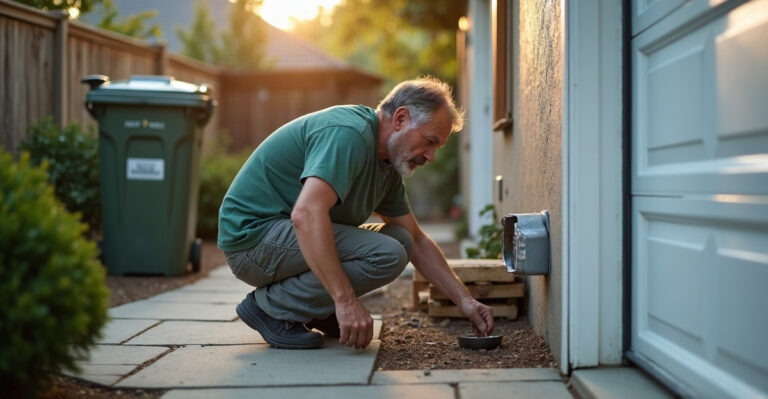
Why Do You Need Pest Control Before Winter?
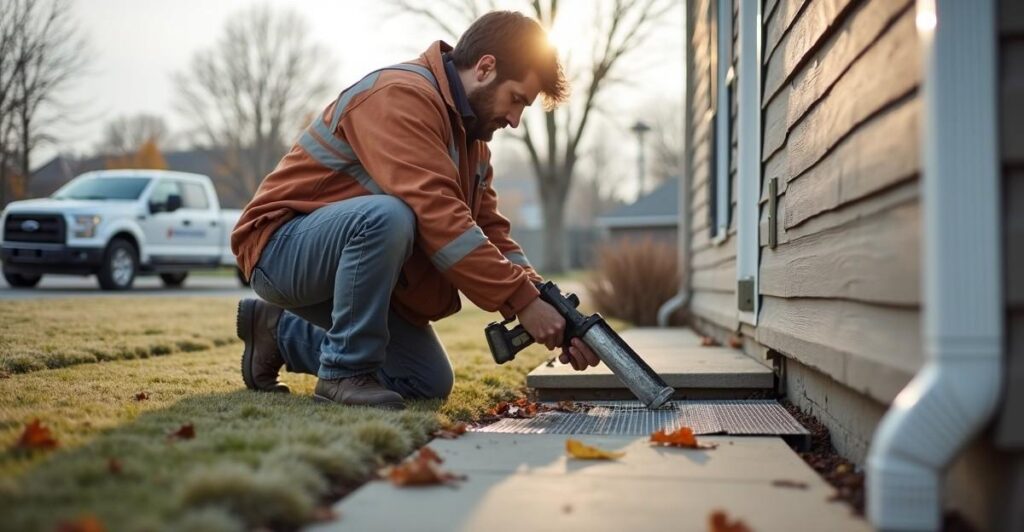
Winter pest prevention tips help us protect Eastern Idaho properties from rodents, spiders, and overwintering insects before early freezes push them indoors for warmth and food. We schedule pest control before winter so we can seal entry points and treat nesting areas while access remains open. This timing lowers the risk of midseason infestations and costly structural damage.
Key Takeaways
- Rodents, spiders, and overwintering insects move indoors fast as temperatures drop and outdoor food sources disappear.
- Preventative treatment before the first hard freeze reduces the risk of rodents nesting and multiplying all winter.
- Early inspections let us seal foundation gaps, repair door sweeps, and secure crawl space entry points before frozen ground limits repair work.
- Waiting until winter often results in chewed wiring, soiled insulation, and larger indoor infestations.
- Pre-winter pest control helps us maintain clean, dependable environments for homes and businesses throughout the colder months.
As Temperatures Drop in Eastern Idaho, Pests Move Indoors
Eastern Idaho’s early freezes and steady cold snaps force pests to look for warmth, food, and shelter inside homes and businesses. Once daytime temperatures fall and nights dip below freezing, insects and rodents shift their patterns quickly.
Rodents in winter Idaho become especially active as fields are harvested and natural food sources disappear. Mice and rats head for garages, crawl spaces, basements, and wall voids where warmth and stored food are reliable. Rural properties and agricultural areas around Idaho Falls, Twin Falls, Pocatello, Rexburg, and Rigby see this surge every year. Open land and nearby grain storage increase exposure to field mice and other seasonal pests.
Spiders and overwintering insects Idaho homeowners commonly see also move inside during fall. Many species don’t survive open winter conditions. They enter structures to wait out the season in protected spaces. Attics, wall gaps, and soffits become quiet shelter zones. We often explain this seasonal movement in our guide on why spiders come inside in fall.
The key is timing. Treating before the first hard freeze helps prevent pests from settling in and multiplying through winter. Proactive Eastern Idaho pest control allows us to address entry points and nesting areas while access remains open. As part of our winter pest prevention tips, we recommend scheduling inspections early in the fall—before pests view a structure as their winter home.
Why Waiting Until Winter Can Create Bigger Problems
Once rodents establish nests indoors, removal becomes more involved. Mice reproduce quickly, even in cold months. A small issue in October can become a widespread infestation by January. That’s why we focus on prevent mice before winter strategies instead of reacting midseason.
Rodents chew constantly to control tooth growth. Wiring, insulation, cardboard boxes, and stored décor all become targets. Damaged electrical wiring increases fire risk. Contaminated insulation reduces energy efficiency. The longer rodents remain inside, the more repair work follows.
Overwintering pests create a different challenge. Many insects stay hidden in wall voids or attics. Activity may go unnoticed until they emerge on warmer winter days. By then, numbers can be high, and treatments may require more interior access than a simple fall barrier application.
Snow cover and frozen ground also limit exterior treatment options. Soil treatments and foundation crack sealing are more difficult once everything is frozen. Early applications allow better coverage and longer-lasting protection.
For business owners, winter pest sightings can affect operations and public perception. Restaurants, offices, and warehouses rely on clean, safe environments. Commercial spaces have added risks due to food storage, deliveries, and frequent door use. Preventative service supports commercial pest control Idaho standards and helps maintain a professional reputation year-round.
Education helps as well. Our article on winter pest control needs explains why prevention during colder months still matters. Addressing pests early protects structures and keeps winter simpler.
Common Winter Pests in Idaho Homes and Businesses
Seasonal pest patterns repeat across Eastern Idaho communities each year. Recognizing them early helps reduce problems before snow accumulates.
Key Winter Intruders to Watch For
The following pests are most active as temperatures fall:
- Mice and rats: These rodents look for warmth and reliable food. They can squeeze through openings as small as ¼ inch. Mice prevention tips include sealing cracks, installing door sweeps, and keeping stored food tightly contained. Crawl spaces are common entry zones, which is why we often reference guidance on keeping rodents out of crawlspaces. For established activity, professional rodent control becomes critical.
- Spiders: Many species migrate indoors before winter. Seeing them in living areas during January often means they entered in September or October. Scheduling spider control before winter reduces indoor sightings significantly.
- Overwintering insects: Boxelder bugs and cluster flies gather on sunny exterior walls in fall. They then slip into attics and wall voids to wait out the season. Once inside, they can appear in large numbers on warmer days.
- Commercial pests: Food-handling businesses face additional exposure. Frequent shipments, open dock doors, and stored ingredients create attractive conditions. Preventative service supports consistent pest management standards for Idaho commercial properties.
Garages deserve special attention. Stored boxes, holiday décor, and pet food create nesting opportunities. We break down seasonal risks in our article on common garage pests.
Even with strong preparation, no structure can be sealed perfectly. We explain these limits in pest proofing expectations. That’s why layered prevention works best—physical exclusion combined with preventative treatment.
Practical Winter Pest Prevention Checklist for Property Owners
Early action reduces midwinter frustration. These winter pest prevention tips help property owners lower risk before cold weather settles in.
- Seal visible cracks and gaps around foundations, siding joints, windows, and utility lines. Small openings provide ideal rodent access.
- Replace worn weather stripping and repair damaged door sweeps. Exterior doors should close tightly without visible daylight underneath.
- Store pantry goods and pet food in sealed containers. Clean spilled grain or birdseed promptly. Food access drives rodent behavior.
- Remove clutter from garages and basements. Cardboard boxes and fabric piles create warm nesting sites.
- Trim vegetation away from the foundation. Clear leaf debris along walls to reduce insect harborage areas.
- Schedule a home pest inspection before winter. A trained eye often spots entry points and early activity that homeowners miss.
DIY steps work well early in the season. Once pests establish themselves inside wall voids or attics, professional treatment often becomes more effective and less disruptive than repeated store-bought solutions.
Why Professional Prevention Before Winter Offers Peace of Mind
Pre-winter service allows us to treat entry points and nesting areas before freezing weather limits access. Exterior applications adhere better, inspection is simpler, and exclusion repairs are easier while materials remain flexible.
Professional inspections reveal hidden gaps, developing infestations, and moisture issues that encourage pest activity. Many entry points are subtle. Small cracks under siding, loosened vents, or foundation settling create easy access routes.
Safety remains central to every service. We explain what we’re applying and why. Treatments are performed with consideration for children, pets, and sensitive commercial environments. Clear communication matters. Straight answers build trust.
Local experience makes a difference. Falls Pest Services understands Eastern Idaho’s early freezes, open farmland, and seasonal pest cycles. We’ve seen how quickly rodents in winter Idaho establish inside warm structures. Our team provides both residential pest control and structured programs for commercial properties.
Prevention protects long-term value. Ongoing service supports structural integrity and reduces repair costs, which we discuss further in our article on long-term home protection.
Planning ahead keeps winter calm. Property owners who want to stay ahead of seasonal pest problems can learn more about our services at Falls Pest Services or schedule a pre-winter inspection through our contact page. Early prevention keeps homes and businesses comfortable all season long.
Frequently Asked Questions
The most effective winter pest prevention tips focus on sealing entry points, removing food sources, and scheduling early inspections. Homeowners should close foundation cracks, repair door sweeps, and store food in sealed containers. Decluttering garages and trimming vegetation near the home also reduces shelter for pests. Preventative pest control treatments in fall can stop rodents and insects from moving indoors before freezing temperatures arrive.
Winter pest prevention should begin in early fall, before the first hard freeze. As temperatures drop, rodents and insects start searching for warm indoor spaces. Scheduling inspections and treatments early allows professionals to seal gaps, treat nesting areas, and apply exterior barriers. Starting prevention before pests enter the home significantly reduces the chance of infestations during the colder months.
Rodents become more active in homes during winter because outdoor food sources disappear and temperatures drop. Mice and rats seek warm shelter and reliable food supplies inside buildings. Small openings around foundations, vents, or doors allow them to enter easily. Once inside, rodents may build nests in wall voids, attics, or crawl spaces where they can reproduce throughout the winter.
Yes, pest problems often become worse if treatment is delayed until winter. By that time, rodents or overwintering insects may already be nesting inside walls, attics, or insulation. These hidden infestations can grow quickly and cause damage such as chewed wiring, contaminated insulation, or structural wear. Preventative treatments before winter are usually simpler and more effective than midseason removal.
Yes, professional pest inspections play an important role in winter pest prevention. Pest control specialists can identify small entry points, early signs of activity, and conditions that attract pests. They may recommend sealing cracks, improving storage practices, or applying preventative treatments around the structure. Early inspections help stop infestations before pests settle indoors for the winter season.