Why Are There So Many Bugs in My Basement?
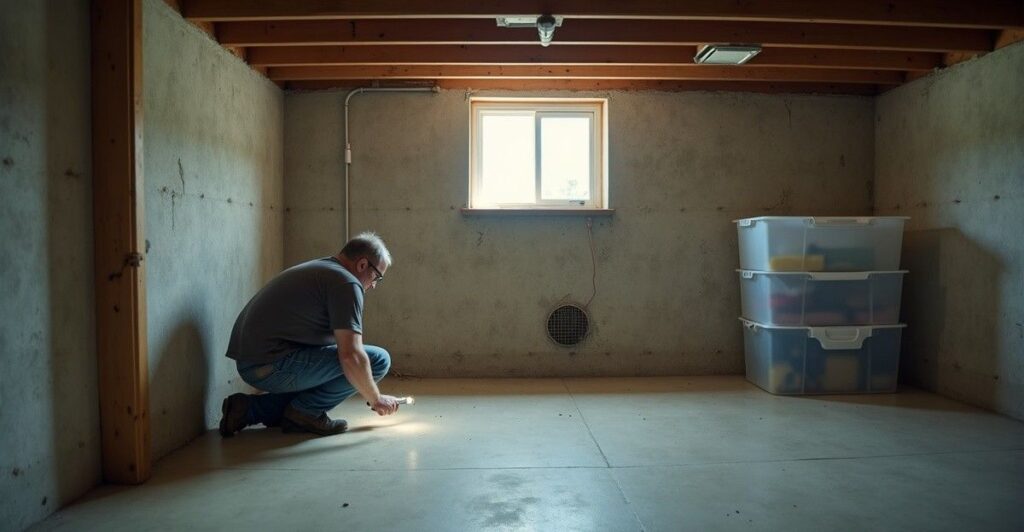
Bugs often find their way into basements because of Eastern Idaho’s seasonal changes, moisture levels, and common foundation gaps. Recognizing these factors helps us address bugs in basement issues by focusing on managing moisture, sealing entry points, and identifying when ongoing activity might point to a bigger problem.
Key Takeaways
- Basements naturally draw pests due to steady temperatures, low light, and available moisture, especially during transitional seasons in Eastern Idaho.
- Common basement pests like spiders, crickets, earwigs, sow bugs, centipedes, and occasional rodents mainly serve as nuisance invaders, not structural threats.
- Moisture problems and small foundation openings primarily trigger insect gatherings indoors.
- Seasonal activity spikes appear normal, but continuous, year-round sightings could reveal an emerging infestation.
- Effective solutions involve moisture management, sealing access points, reducing clutter, and considering professional help if activity persists.
You’re Not Alone: Why Basement Pest Activity Is So Common in Eastern Idaho
Basements naturally attract pests. They offer steady temperatures, low light, shelter, and often the moisture many household insects depend on to survive.
In Eastern Idaho, our climate makes this even more common. Cold winters and hot, dry summers drive seasonal pests indoors in search of stable conditions. During spring snowmelt, soil becomes saturated and insects move upward. In summer, irrigation around foundations adds moisture right where pests gather. Fall temperature drops send crickets, spiders, and other crawling insects into basements for warmth.
Many homeowners ask why there are so many bugs in the basement shortly after seasonal transitions. In most cases, this is normal seasonal activity, not automatically a full basement insect infestation.
Homes in Idaho Falls, Twin Falls, Pocatello, Rexburg, Rigby, and nearby communities often share similar construction features. Small foundation cracks, utility penetrations, sump pump openings, and aging window wells in older homes provide easy access. Pests only need very small foundation gaps to enter a home, often no wider than a coin.
Occasional sightings are common across Eastern Idaho. What deserves closer attention is activity that becomes persistent, concentrated, or steadily increases over time.
The Most Common Basement Pests in Eastern Idaho Homes
Spiders in basement spaces are one of the most reported issues we address. They follow other insects indoors and prefer quiet storage areas with little disturbance. Homes with steady insect activity often see an increase in spider presence as a result. For more on identification, see types of spiders found indoors. When webs and sightings increase, our spider control service helps break the cycle.
Crickets in basement Idaho homes become more noticeable in late summer and fall. These insects move inside when outdoor temperatures drop. Their chirping often draws attention before they’re seen.
Earwigs, sow bugs (pill bugs), and centipedes thrive in damp environments. Basements with moisture issues provide ideal hiding spots. We commonly see earwigs gathering near foundation walls and stored cardboard. Targeted earwig treatment may be recommended if populations grow.
Occasional rodents may use basements for warmth, especially in rural properties near fields or open land. While less common than insects, they require faster intervention.
Most of these pests are nuisance invaders rather than structural threats. They don’t damage foundations. They enter because conditions are favorable. In Eastern Idaho, predictable waves of seasonal pests often explain the timing better than a severe infestation would.
Still, repeated sightings in the same area can signal a developing basement insect infestation. Paying attention early prevents larger problems later.
Moisture and Entry Points: The Two Biggest Triggers
Moisture and pests in basement environments go hand in hand. Leaky pipes, condensation on HVAC lines, minor foundation seepage, and poor exterior drainage all contribute to common basement moisture problems that attract pests.
Spring snowmelt increases soil moisture around foundations. Overwatering lawns during dry months adds to the problem. As moisture accumulates, insects gather close to the structure and eventually slip inside.
Clutter also makes a difference. Cardboard boxes, paper goods, and stored fabric provide both shelter and food sources for certain insects. Basements used for long-term storage often experience more activity.
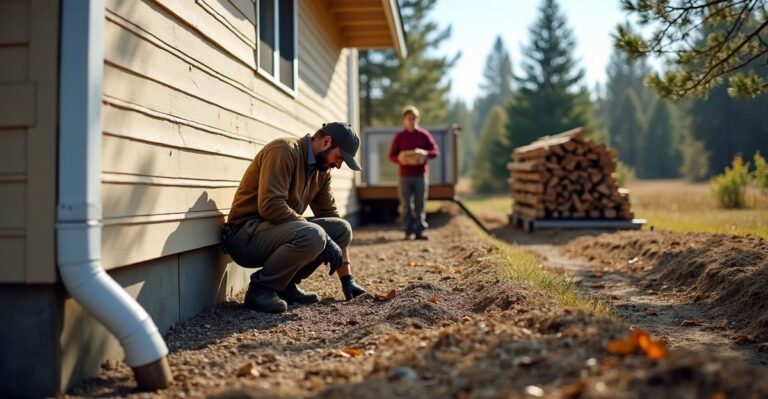
Common entry points include foundation cracks pests exploit, gaps around utility lines, worn weatherstripping, and poorly sealed basement windows. Even small openings can support steady insect movement.
Here are practical checks that form the first line of bugs in basement solutions:
- Inspect for hairline cracks in foundation walls and seal visible gaps.
- Confirm gutters direct water several feet away from the home.
- Run a dehumidifier in damp areas to keep humidity controlled.
- Store belongings in sealed plastic bins instead of cardboard boxes.
These steps reduce attractiveness and access at the same time. Many homeowners see noticeable improvement simply by controlling moisture and limiting hiding areas.
For added peace of mind, we recommend learning how to spot a pest problem early before activity spreads.
Seasonal Patterns That Explain the Timing
Eastern Idaho’s climate creates predictable pest movement throughout the year.
Spring
Heavy snowmelt raises groundwater levels. As moisture pushes insects upward, basements become convenient refuges.
Summer
Hot, dry conditions lower outdoor humidity, particularly in irrigated neighborhoods. Insects seek out cooler, damp environments, which naturally leads them indoors.
Fall
Sudden temperature drops drive crickets, spiders, and other crawling insects inside for warmth. Many homeowners interpret this as a sudden infestation, when it’s often seasonal pests Eastern Idaho residents experience every year.
Winter
Basements provide stable shelter compared to freezing outdoor temperatures. Once inside, pests tend to remain in place.
The key difference between seasonal movement and a year-round infestation is consistency. Activity that spikes briefly during seasonal change is common. Sightings that continue month after month, regardless of weather, suggest a larger issue requiring evaluation.
How to Get Rid of Basement Bugs: Practical Steps That Work
Addressing how to get rid of basement bugs starts with correcting conditions. Minor issues often improve with simple, consistent actions.
Reducing humidity makes a measurable difference. Dehumidifiers, improved ventilation, and prompt plumbing repairs lower moisture levels insects depend on.
Sealing visible cracks and repairing damaged window screens reduces access. Exterior grading should guide water away from the foundation. Keeping basement floors clean and limiting clutter removes hiding areas.
Outdoor lighting also plays a role. Replacing bright white bulbs near entry points with less attractive lighting reduces the number of insects gathering close to the home at night.
Some homeowners overlook less visible pathways. In certain homes, pests can move through drains or floor plumbing. We’ve covered that in more detail in can pests come through drains. HVAC systems may also contribute in specific layouts, as explained in bugs through HVAC systems.
DIY steps can significantly reduce minor pest activity. However, if sightings persist, a professional evaluation helps identify the root cause. Our approach focuses on inspection first. We determine where moisture, entry points, and harborage areas overlap before recommending treatment.
Whenever treatment is necessary, we prioritize safe pest control for families and pets. Clear communication comes first. No pressure. No unnecessary applications.
When It’s Time to Call a Local Professional
Some signs suggest it’s time for local pest control in Idaho Falls and surrounding communities.
Recurring pest activity despite sealing and cleaning efforts signals that entry points remain or populations are established. Visible clusters of insects or repeated sightings in the same corner of the basement deserve attention. Egg cases, droppings, or persistent odors indicate a more established basement insect infestation.
Effective bugs in basement solutions usually combine three elements:
- Moisture control
- Exclusion work to seal gaps
- Targeted treatment where needed
One step alone rarely solves a persistent issue.
Our general pest control services are built around identifying these contributing factors. For homeowners who want consistent protection, residential pest control programs provide seasonal coverage aligned with Eastern Idaho’s climate.
If activity continues or concerns grow, reaching out is simple. We offer clear inspections, straightforward pricing, and practical recommendations. Homeowners can contact us directly through our inspection request page for responsive service.
At Falls Pest Services, we live and work in the same communities we serve. Our goal is steady, reliable help that keeps basements dry, protected, and comfortably pest-free.
Frequently Asked Questions
Bugs commonly appear in basements because these spaces offer stable temperatures, darkness, and moisture. Small openings in foundations, window wells, or utility penetrations allow insects to enter easily. Seasonal changes can also push pests indoors when outdoor conditions become too hot, cold, or dry. Moisture problems such as condensation, poor drainage, or minor leaks often make basements especially attractive to insects.
Preventing insects from entering a basement starts with sealing cracks and gaps in the foundation, windows, and utility openings. Controlling moisture is equally important by using a dehumidifier, fixing leaks, and improving drainage around the home. Replacing cardboard storage with sealed plastic bins and reducing clutter removes hiding places. These steps make the basement less appealing and reduce access points pests commonly use.
Basement bugs are not always a sign of a serious infestation. Many insects enter homes seasonally while searching for shelter, moisture, or stable temperatures. Occasional sightings of spiders, crickets, or centipedes are common in basements. However, consistent activity throughout the year, clusters of insects, or repeated sightings in the same location may indicate a developing pest problem that requires closer inspection.
The most effective bugs in basement solutions focus on removing the conditions pests depend on. Lower humidity levels with proper ventilation or dehumidifiers, repair plumbing leaks, and seal foundation cracks to block entry points. Keeping storage areas organized and limiting cardboard materials also helps reduce shelter for insects. When pest activity continues despite these steps, professional pest control may be necessary to locate hidden entry points.
You should consider calling a pest control professional if basement bug activity becomes frequent, spreads to other areas of the home, or continues after basic prevention steps. Signs such as insect clusters, droppings, egg cases, or persistent sightings in the same area suggest an established pest presence. A professional inspection can identify hidden moisture sources, entry points, and pest populations that DIY methods may miss.