Are Clover Mites Dangerous?

Clover mites sometimes appear in homes, causing concern. However, they don’t pose threats to people, pets, or property. These plant-eating mites may suddenly show up on walls and window sills, surprising residents, but in Eastern Idaho, they’re simply a seasonal hassle. They don’t bite, spread illnesses, or harm structures.
Key Takeaways
- Clover mites don’t pose risks or bite humans or pets.
- They don’t transmit diseases or harm wood, fabric, insulation, or building materials.
- The primary concern is cosmetic staining—crushing them can leave red marks on surfaces.
- Seasonal temperature shifts in spring and fall often lead them inside through tiny cracks and gaps.
- Prevention involves sealing entry points, adjusting landscaping near foundations, and applying specific exterior treatments when necessary.
Clover Mites in House: Are They a Real Threat?
Clover mites are not dangerous to humans, pets, or structures. When we see clover mites in house environments, we’re dealing with a nuisance pest — not a safety threat.
Many homeowners ask, are clover mites dangerous? The clear answer is no. They do not bite and, according to university extension entomology guidance on clover mites, they do not spread disease or cause structural damage. What they do is show up in large numbers, often as tiny red bugs on walls or red bugs on window sills, which can be unsettling.
Across Eastern Idaho, we see this concern every spring and fall. A clover mite infestation inside can feel overwhelming, especially when dozens appear along sunny windows. While the sight can be stressful, these mites are not harmful invaders. They don’t attack people, pets, or property. They simply wander indoors by mistake.
Understanding the difference matters. If we’re unsure how pests differ from insects in general, it helps to review what separates pests and insects. Clover mites fall firmly into the nuisance category.
Do Clover Mites Bite, Harm Pets, or Damage Property?
We hear the same questions every season, so let’s address them directly.
Do clover mites bite? No.
Do clover mites bite humans or pets? They do not.
Clover mites feed on plants, not blood. They are not known to spread disease, which means they don’t pose a health risk to families or animals. For those wondering whether pests can spread illness in general, we’ve shared more detail in our article on disease prevention and pest control, but clover mites are not part of that concern.
They’re also harmless to dogs, cats, and other household pets. Even if a pet ingests a few, extension-based guidance on clover mite safety for pets confirms they are not toxic.
As for property damage, they don’t chew wood. They don’t eat fabric. They don’t destroy insulation or structural components. A clover mites in home issue is not tied to cleanliness, either. These mites typically enter from outside through tiny cracks and gaps. Clean homes experience them just as often as others.
The real nuisance comes from staining. When crushed, clover mites leave behind a reddish smear. Those marks can show up on:
- Walls
- Curtains
- Blinds
- Upholstery
- Carpet
Because of this, we always recommend vacuuming them rather than squishing them. That simple habit prevents extra cleanup and frustration.
The problem is cosmetic and inconvenient — not dangerous.
Why Clover Mites Appear in Eastern Idaho Homes
Clover mites Idaho residents experience are strongly tied to seasonal changes. In clover mites Eastern Idaho cases, activity peaks in spring and fall. That’s why many people refer to them as spring mites in house situations.
Temperature shifts drive them indoors. When outdoor conditions become too hot, too cold, or overly dry, mites move toward warmth and moisture. Sunny, south- and west-facing walls attract them most. Those walls heat up first during seasonal transitions, pulling mites closer to foundations and windows.
They lay eggs in cracks around:
- Foundations
- Siding
- Window frames
- Door gaps
From there, it’s easy for tiny mites to slip inside.
We see higher activity near agricultural areas and newly built neighborhoods. Fresh landscaping, fertilized lawns, and well-watered grass create ideal feeding grounds. Homes with heavy vegetation or clover growth right against the foundation are especially prone to infestation, according to university extension guidance on clover mite prevention and landscaping.
Clover mites are plant feeders. They thrive in thick lawns and clover-rich landscapes. Healthy turf doesn’t mean a home is at risk, but dense vegetation directly touching the structure creates a bridge indoors.
How to Get Rid of Clover Mites Safely
Many homeowners ask how to get rid of clover mites without overreacting. The good news is control can be simple and safe.
Start indoors by vacuuming visible mites. Avoid crushing them to prevent red stains. Skip heavy chemical use inside living spaces, especially where children and pets spend time. If there are questions about safety, our article on indoor pest control product safety explains how treatments are applied responsibly.
Prevention works best outside. Seal cracks around windows, doors, siding, and foundation lines. Use caulk where needed. Repair torn screens.
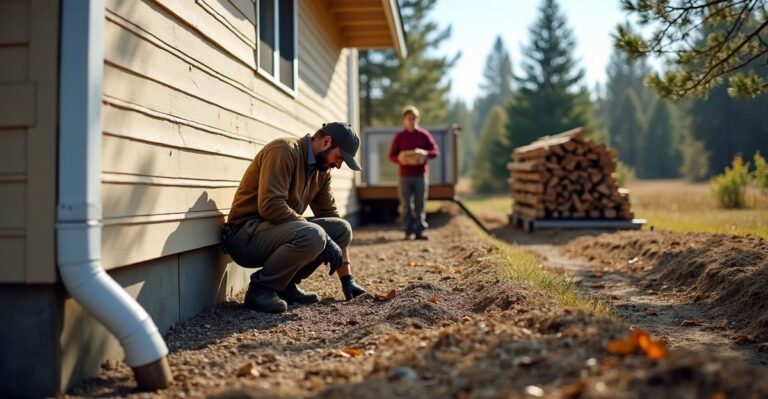
Next, adjust landscaping. Reduce dense grass and clover directly against the foundation. Keep shrubs trimmed so they don’t touch siding. A simple gravel or rock strip around the perimeter creates a vegetation-free buffer that discourages mites from approaching.
Timing also matters. Exterior treatments are most effective during peak seasons, typically spring and fall in Eastern Idaho. Targeting mites before they migrate indoors limits recurring problems.
Homeowners don’t need to panic or overapply products. A focused, calm approach works best.
When Pest Control for Clover Mites Makes Sense
Pest control for clover mites becomes helpful when seasonal infestations repeat year after year. If clover mites in house spaces continue appearing despite sealing gaps and adjusting landscaping, a professional inspection can pinpoint entry points that are hard to see.
Service may also make sense if:
- Large numbers persist for weeks.
- Multiple rooms are affected.
- Commercial spaces experience recurring issues.
- Entry points remain unclear.
In those cases, exterior prevention treatments create a protective barrier. We focus on applying products in targeted areas around foundations and entry points rather than widespread indoor spraying. Safety remains our priority for families and pets.
Our team understands local climate patterns and why clover mites Eastern Idaho homeowners experience peak in transitional seasons. With professional clover mite control, we address the source of the problem instead of reacting to visible mites indoors.
For homes and businesses needing ongoing support, we also provide structured residential pest control services and commercial programs built around seasonal pressures unique to our area.
If clover mites in home continue to be a concern, we’re always available through our local contact page to schedule an inspection. We’ll provide clear answers and practical next steps without pressure. Most importantly, we’ll keep the approach calm, safe, and centered on what works for Eastern Idaho families.
Frequently Asked Questions
Clover mites usually enter homes while searching for warmth or moisture during seasonal weather changes. They often gather on sunny exterior walls and then slip inside through tiny cracks around windows, doors, or foundations. Homes with thick lawns, clover, or vegetation touching the structure are more likely to experience clover mites in house situations because the mites feed on plants near the building.
Clover mites typically do not survive long indoors because houses lack the plants they need to feed on. Once inside, they usually wander on walls or window sills for a short time before dying. Most indoor sightings are temporary and related to seasonal movement in spring or fall rather than a long-term indoor infestation.
The safest way to remove clover mites in house areas is by vacuuming them. Vacuuming prevents the red stains that occur when mites are crushed on surfaces. Avoid spraying indoor pesticides unless an infestation is severe. After removal, sealing cracks around windows, doors, and foundations helps stop more mites from entering the home.
Clover mites usually cannot establish a breeding population inside homes because they depend on outdoor plants for food. While they may appear in large numbers indoors, they are typically coming from outside rather than reproducing inside the house. Most indoor sightings occur when mites migrate from lawns or landscaping near the foundation.
Preventing clover mites in house problems starts with exterior maintenance. Seal small gaps around windows, doors, siding, and foundations to block entry points. Keep grass, clover, and shrubs trimmed away from the house, and consider adding a vegetation-free strip of gravel near the foundation. These steps reduce the chance of mites moving indoors during seasonal activity.