Are Pest Control Products Harmful Indoors?
Indoor pest treatment safety relies on choosing EPA-reviewed products and applying them in precise amounts according to clear label directions. We use modern pest control treatments to manage infestations effectively while limiting risk to people, pets, and indoor air quality. Careful dosing, controlled exposure, and proper reentry timing make the difference.
Key Takeaways
- No pesticide is completely risk-free, but we reduce indoor exposure through proper product selection, accurate dosing, and targeted application.
- EPA-approved pesticides must meet strict safety standards, and we treat label instructions as both a legal requirement and the foundation of safe use.
- Most indoor treatments target cracks, crevices, and entry points instead of broad surface spraying, which limits contact with furniture, floors, and living spaces.
- Reentry times, ventilation steps, and allowing products to dry fully protect children, pets, and other occupants. We build these safeguards into every service plan.
- Professional application prevents overuse and misuse because we identify the pest correctly, measure products precisely, and apply integrated pest management strategies to control the source of the issue.
What You Should Know About Indoor Pest Treatment Safety Right Away
Indoor pest treatment safety depends on how products are selected, measured, and applied. Most modern indoor pest treatments are formulated to reduce risk when used correctly, but no pesticide is completely risk-free.
Toxicity always comes down to three factors: dose, exposure, and duration, as explained in basic toxicology guidance from public health agencies. A small, measured amount placed precisely where pests live poses far less risk than repeated or widespread spraying. How a product is applied and how long people are exposed matter just as much as the product itself.
When people ask, “are pest control products safe indoors,” the real question is whether they’re used responsibly and according to the label. In professional settings, we use EPA regulated pesticides that must pass strict review before approval. These products are tested for their impact on human health, pets, and the environment under labeled conditions.
Indoor pesticide safety is built on careful application. Used as directed, today’s treatments are developed to control pests while limiting unnecessary exposure inside homes and businesses.
How Pest Control Products Are Regulated and Why Labels Matter
Every pesticide used indoors must go through the EPA pesticide registration and review process before it can be sold or applied. That process evaluates how the product affects adults, children, pets, and the surrounding environment. Approval requires clear instructions that define exactly how the product can be used safely.
The label on a pesticide is a legal document under federal pesticide law. It specifies where the product may be applied, how much to use, protective measures during application, and pest control reentry time requirements. Using a product outside those instructions violates federal law.
Professional service professionals calculate precise application rates. We measure square footage. We identify the specific pest. We determine the proper placement based on behavior and hiding spots. This approach minimizes overuse and reduces unnecessary indoor exposure.
This is a key difference in professional pest control vs DIY. Following label directions isn’t optional—it’s the foundation of in-home indoor pesticide safety. Trained service professionals understand formulation types, drying times, and ventilation needs so the treatment performs as intended without excess product.
Are Treatments Safe for Children, Pets, and Employees?
Concerns about pest control safety for children and whether pest control is safe for pets are completely reasonable. Families, business owners, and property managers want clear answers before any treatment begins.
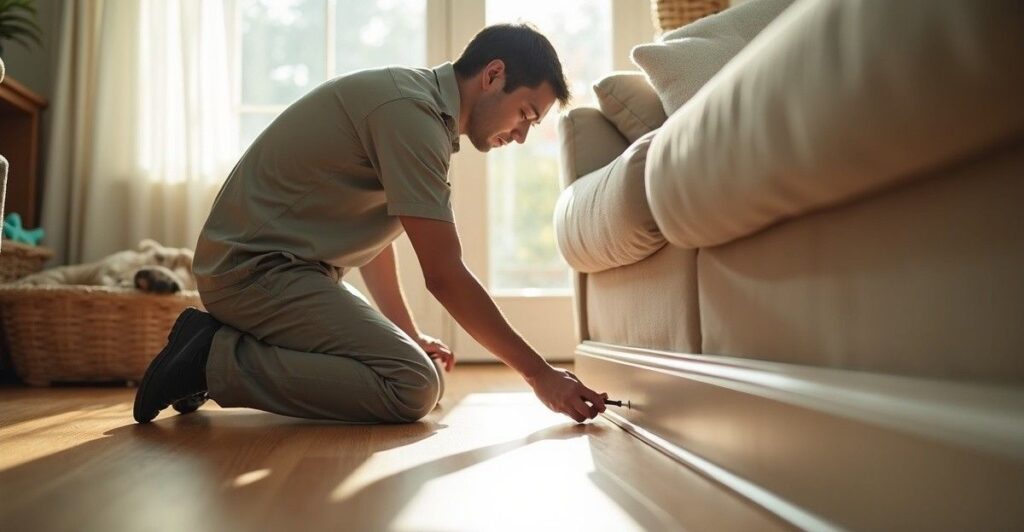
Modern indoor applications are rarely wide-area sprays. Most treatments focus on cracks, crevices, baseboards, utility penetrations, and pest entry points. This targeted placement reduces contact with living areas and high-touch surfaces.
Most services include a defined pest control reentry time. How long after pest control it is safe to return depends on the specific product and ventilation conditions. In many cases, treated surfaces must dry before normal activity resumes. Technicians provide exact guidance at the appointment.
Air quality is another common concern. Mild odors may be present briefly, but strong chemical smells are uncommon with low-toxicity pest control options used today. Good ventilation helps treatments dry and settle as directed.
Risk is never zero, but when products are applied properly and allowed to dry fully, the potential for exposure to children and pets is greatly reduced. For a deeper review of pet-related concerns, we’ve outlined specifics in how safe pest treatments are for pets.
We always recommend following simple precautions:
- Keep children and pets out of treatment areas during application
- Wait the full approved reentry time before resuming normal use
- Follow any ventilation guidance provided by the service professional
Clear communication makes a significant difference in indoor pesticide safety.
Residue, Air Quality, and Exposure: Separating Myths from Facts
Indoor pesticide safety focuses heavily on reducing airborne exposure. Most modern treatments are applied as low-pressure sprays, gels, dusts, or baits placed in targeted areas rather than broadcast into the open air.
Once dry, many products bind to surfaces. That reduces transfer and limits migration into the surrounding air. Overapplication or misuse increases risk, which is why placement and measurement matter.
Professionals avoid unnecessary broad applications. We treat where pests travel, nest, or enter. That strategy lowers total chemical use and shortens exposure time.
It’s important to correct common misconceptions. No pesticide should be described as “completely harmless.” Labels like “non-toxic” often lack context. Any product that affects living organisms requires care in handling and placement. The goal is controlled, directed application that limits contact beyond the target pest.
Balanced information builds trust. While no product is zero-risk, responsible use and monitoring are proven ways to reduce that risk indoors.
What to Expect Before, During, and After Treatment
Clear expectations improve comfort and safety during any pest control visit.
Before Treatment
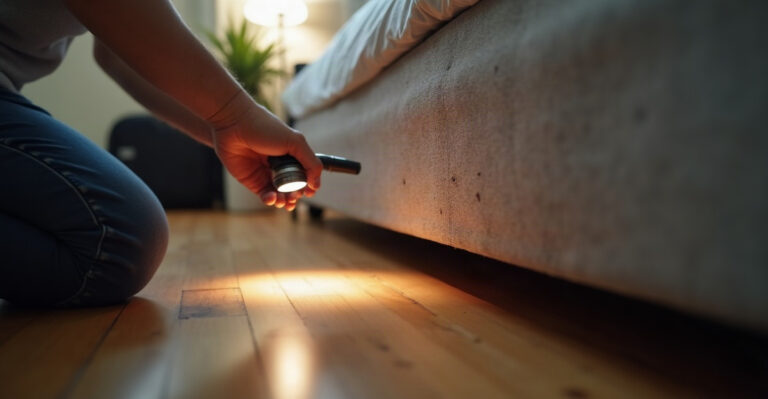
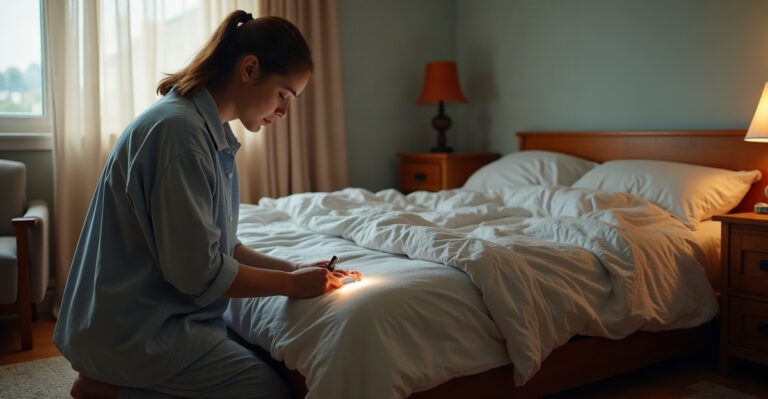
A service professional inspects the property and identifies the pest species. We explain what we find and outline a plan in plain language. That includes discussing any concerns about indoor pest treatment safety.
During Treatment
We apply measured amounts in targeted locations. We communicate which areas are treated and why. Transparency helps ensure everyone understands the process.
After Treatment
We provide both written and verbal instructions. That includes how long after pest control it is safe to return, ventilation recommendations, and any short-term precautions. Homeowners often benefit from reviewing what to expect after a pest treatment so they understand normal activity and timelines.
Local pest control Idaho Falls families and businesses rely on clearly explained safety steps rather than vague assurances. For those comparing service plans, we also discuss how often pest control should be done and how long a pest treatment lasts so expectations are realistic from the start.
Why Professional Application Reduces Risk Compared to DIY Sprays
Professional pest control vs DIY often comes down to knowledge and restraint. Store-bought products can be used safely, but overapplication is common. People often spray visible areas repeatedly without understanding label limits or proper placement.
Trained service professionals follow integrated pest management strategies. That means we start with inspection, identify entry points, correct contributing conditions, monitor activity, and use targeted treatments only when needed. Chemical use is kept to the minimum required for effective control.
Low-toxicity pest control options are often appropriate, depending on the pest and setting. Matching the right product to the right situation limits repeat applications and reduces indoor exposure over time. For perspective on do-it-yourself approaches, we outline common issues in are DIY pest treatments effective.
Professional assessment removes guesswork. It prevents layering multiple products in the same area and reduces unnecessary applications that can occur when the root source of a problem isn’t addressed.
Communities across Eastern Idaho, including Idaho Falls, Twin Falls, Pocatello, Rexburg, and Rigby, trust clear communication and responsible service. Through our residential pest control services and broader pest control solutions, we provide transparent answers and practical safety steps. Anyone with specific concerns can request a consultation for a straightforward review of treatment options and indoor pesticide safety practices.
Frequently Asked Questions
Yes, indoor pest treatment safety requires stricter control of product placement and exposure. Indoor environments involve children, pets, and limited ventilation, so treatments focus on cracks, crevices, and entry points rather than broad spraying. Outdoor applications typically disperse more quickly due to airflow and sunlight. Indoors, careful dosing, drying time, and reentry guidelines are essential to reduce contact and inhalation risks.
Reentry time depends on the product used and ventilation conditions. In most cases, occupants can return once treated surfaces are completely dry and the recommended waiting period on the label has passed. Drying allows residues to bind to surfaces, which limits transfer. Always follow the service professional’s instructions to ensure indoor pest treatment safety for children, pets, and employees.
Indoor pest control can temporarily affect air quality during application, but properly applied treatments are designed to minimize airborne particles. Most modern products are low-odor and used in targeted areas rather than broadcast into open air. Good ventilation during and after treatment helps disperse any residual smell and supports safer indoor pest treatment conditions.
The safest indoor pest control methods rely on integrated pest management strategies. This includes inspection, sealing entry points, sanitation improvements, monitoring traps, and targeted use of low-toxicity products when necessary. Baits, gels, and crack-and-crevice applications reduce widespread exposure. Using the minimum effective amount supports indoor pest treatment safety while still addressing the infestation source.
DIY indoor pest treatment can be safe if label instructions are followed exactly, but misuse increases risk. Overapplication, mixing products, or repeated spraying in living areas can raise exposure levels. Professional application reduces these risks by identifying the pest correctly and applying measured amounts in targeted locations. Careful placement and adherence to reentry guidelines are critical for maintaining indoor pest treatment safety.