What Are Box Elder Bugs and How to Stop Them?
Box elder bugs bother many in Eastern Idaho. They gather on sunny walls in the fall and spring and sometimes sneak into walls and attics to hibernate. By understanding their habits and using effective prevention methods—like sealing entry points and treating exteriors before the cold sets in—we can cut down on indoor sightings and yearly migrations.
Key Takeaways
- Box elder bugs sport black bodies with red or orange markings. They cluster on south- and west-facing walls, thriving on cool fall and mild spring days.
- They won’t bite, sting, or harm structures but can stain surfaces if crushed. Vacuuming remains the safest method for indoor removal.
- Homes close to box elder, maple, or ash trees may see more frequent seasonal activity.
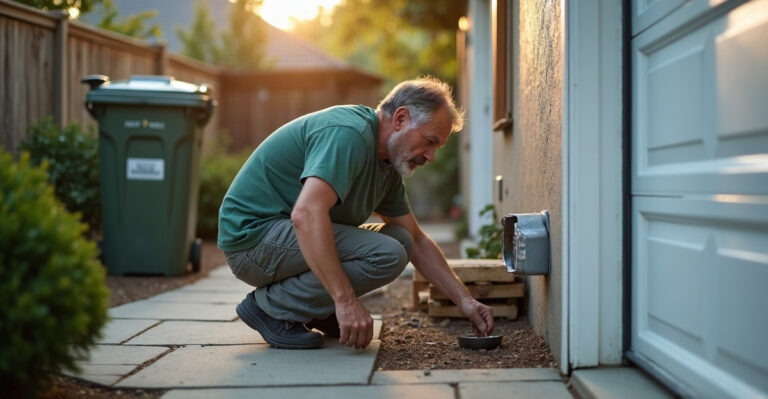
- Prevent these nuisances by sealing cracks, fixing screens and weather stripping, trimming tree branches, and clearing debris from foundations.
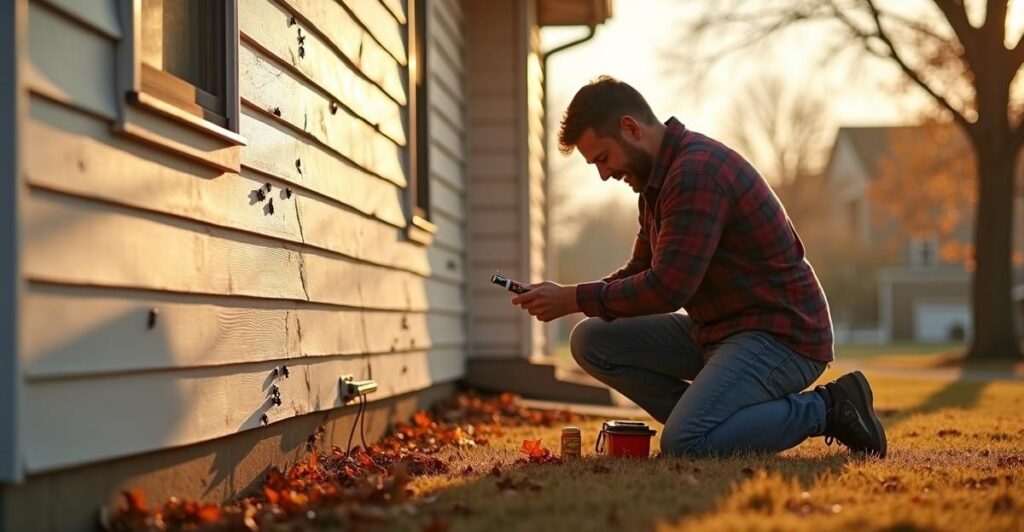
- Professional treatments applied outside before they migrate in the fall help cut down hibernating populations and limit indoor visits.
Box Elder Bugs Showing Up on Your Siding or Inside? Here’s What’s Happening
Box elder bugs are black insects with distinct red or orange lines along their wings and thorax. Adults are flat-backed and about ½ inch long, and they tend to gather in noticeable groups on exterior walls.
Across Eastern Idaho, we see them most often in fall and spring. Cool nights followed by sunny days trigger activity. That’s when they cluster heavily on south- and west-facing siding where sunlight warms the surface. Homeowners in Idaho Falls, Twin Falls, Pocatello, Rexburg, Rigby, and surrounding communities call us every year about the same pattern.
These are considered seasonal nuisance pests in our region. They do not bite or sting and, according to university extension entomology guidance, they do not cause structural damage. However, they can stain siding, curtains, and walls if crushed, as noted by university pest management sources on box elder bug behavior. For that reason, vacuuming is far safer than smashing them.
Most calls we receive center on three concerns: are box elder bugs harmful, why are box elder bugs in our house, and why are box elder bugs covering our siding? Understanding their seasonal habits helps answer all three.
Why Box Elder Bugs Choose Eastern Idaho Homes
Eastern Idaho’s climate sets the stage for box elder bugs in Eastern Idaho. Warm summers allow populations to develop outdoors. Late summer and fall bring cooler temperatures, which drive these insects to look for protected overwintering sites, a pattern explained in entomology research on overwintering insect behavior.
Homes provide exactly what they need. Wall voids, attics, and other sheltered indoor spaces offer stable temperatures. Sunny south- and west-facing exterior walls attract large clusters because siding absorbs heat during daylight hours.
Properties with box elder, maple, or ash trees nearby are more likely to see activity. Those trees serve as primary food sources during the growing season. As temperatures drop, the bugs leave the trees and gather on nearby structures.
Entry points are often small and easy to miss. They slip in through:
- Cracks in siding or foundations
- Gaps around windows and doors
- Damaged or loose screens
- Vents and utility openings
This explains why so many homeowners ask why box elder bugs are in the house every fall. The behavior repeats annually as new generations mature outdoors and follow the same seasonal migration.
Prevention starts with awareness. We also recommend reviewing practical steps to pest-proof a home and planning ahead, similar to how we approach pest control before winter. Taking action before temperatures drop makes a noticeable difference.
How to Identify and Safely Remove Box Elder Bugs Indoors
Correct identification is key to staying calm and responding appropriately.
Adult box elder bugs are black with red or orange edging along the wings. When at rest, those markings form thin lines across the back. Young box elder bugs, called nymphs, appear bright red and gradually darken as they mature.
They’re sometimes confused with other red-and-black insects. The major difference is their behavior. Box elder bugs gather in large, visible clusters, especially on warm exterior walls or near windows.
Many homeowners want to know: are box elder bugs harmful? From what we know, they are not. They do not spread disease and pose minimal risk to pets and children. They also don’t reproduce indoors. When we find them inside, they’re simply sheltering from the cold.
For indoor removal, we recommend a practical approach. The safest and most effective method is using a vacuum with a disposable bag. This prevents staining and keeps handling to a minimum. We advise against crushing them. We also suggest caution with over-the-counter sprays unless the product is clearly labeled for indoor residential use.
If you prefer to avoid chemicals altogether, you can review strategies outlined in keeping bugs out without chemicals. Sealing entry points and removing attractants often does more than indoor spraying.
For small numbers, these steps are usually enough. Larger or recurring issues call for a more coordinated plan.
Practical Box Elder Bug Prevention for Eastern Idaho Properties
Box elder bug prevention works best as a seasonal routine. Late summer is the ideal time to start, before evenings turn cold and movement increases.
We focus on simple but effective structural improvements:
- Seal cracks and crevices around windows, doors, siding, foundations, and utility penetrations.
- Repair torn window and door screens.
- Install or replace worn weather stripping and door sweeps.
- Reduce leaf debris and clutter near the foundation.
- Trim box elder and maple tree branches so they don’t touch the structure.
In cases of severe, yearly infestations, some homeowners consider removing female box elder trees near buildings. That decision depends on the property layout and long-term goals.
Prevention for box elder bugs mirrors how we prepare for other seasonal pests in Idaho. We inspect early, seal early, and treat before populations move indoors. Being proactive limits overwintering populations and reduces springtime discoveries around windows.
When DIY Isn’t Enough: What Professional Treatment Looks Like
For a handful of bugs indoors, vacuuming and sealing are often enough. Recurring yearly infestations or heavy exterior clustering usually call for professional support.
Our approach to box elder bug control Idaho Falls focuses on exterior perimeter treatments. We apply materials with safety in mind for families and pets, targeting entry points, siding, foundation lines, and other areas where movement concentrates. Timing matters. Treating before fall migration significantly reduces indoor overwintering.
In communities across our Eastern Idaho service area, we see the same seasonal cycle. A well-timed exterior application won’t always eliminate every single bug immediately. Regional tree populations continue producing new generations. The goal is meaningful population reduction and fewer bugs inside living spaces.
Homeowners looking for box elder bug treatment near me often find that consistent exterior service delivers better long-term comfort than reacting after bugs are already indoors. We provide clear expectations, straightforward pricing, and dependable residential pest control built around local conditions.
Common Questions About Recurring Fall and Spring Activity
Box elder bugs tend to return each year because new generations develop outdoors and repeat the same overwintering cycle. Even if last year’s population was reduced, nearby trees can support fresh activity.
They do not damage homes structurally. Staining can occur if they’re crushed against siding, walls, or fabrics. That’s why we recommend vacuuming rather than smashing.
Professional treatments typically provide seasonal protection when applied before peak movement. Fall applications focus on stopping entry. Spring sightings often involve bugs that overwintered in wall voids and are trying to exit as temperatures rise.
The safest indoor removal method remains vacuuming combined with sealing gaps. Ongoing prevention and early inspections also help you spot a pest problem early before it becomes disruptive.
It’s time to call for help if clusters are heavy, returning annually, or interfering with daily comfort at home or at work. Businesses can also benefit from structured commercial pest control to maintain a clean, professional appearance during peak seasons.
We’re proud to serve Eastern Idaho with steady, honest service. We provide inspections, practical recommendations, and clear next steps. If recurring box elder bugs are becoming a frustration, we’re ready to help at Falls Pest Services with solutions that keep homes comfortable and pest pressures under control.
Frequently Asked Questions
The best way to prevent box elder bugs from entering your home is by sealing potential entry points before temperatures drop. Inspect siding, foundations, windows, and doors for cracks or gaps and seal them with caulk or weather stripping. Repair damaged screens and install door sweeps. These steps block the small openings box elder bugs use when searching for warm places to overwinter.
Box elder bugs gather on sunny walls because they are attracted to warmth. South- and west-facing walls absorb heat during cooler fall and spring days, creating an ideal resting spot for these insects. As outdoor temperatures drop, they cluster on these surfaces before searching for sheltered areas like wall voids or attics where they can spend the winter.
Box elder bugs do not reproduce inside homes. They typically enter buildings only to escape cold weather and survive the winter in protected spaces such as wall cavities or attics. Their eggs and development occur outdoors, mainly on box elder, maple, and ash trees. Indoor sightings usually involve adults that entered during fall migration rather than an indoor infestation.
Box elder bugs are most attracted to properties located near box elder, maple, or ash trees, which serve as their primary food sources. During the growing season, they feed on seeds and leaves from these trees. When temperatures cool in late summer and fall, they move from the trees to nearby buildings, especially those with sunny exterior walls and accessible entry points.
The best time to apply box elder bug prevention treatments is in late summer or early fall before the insects begin their seasonal migration toward buildings. Treating exterior walls, foundations, and entry points early helps reduce the number of bugs seeking shelter indoors. Preventive timing is more effective than trying to eliminate them after they have already entered the structure.