How to Find an Ant Colony on Your Property?
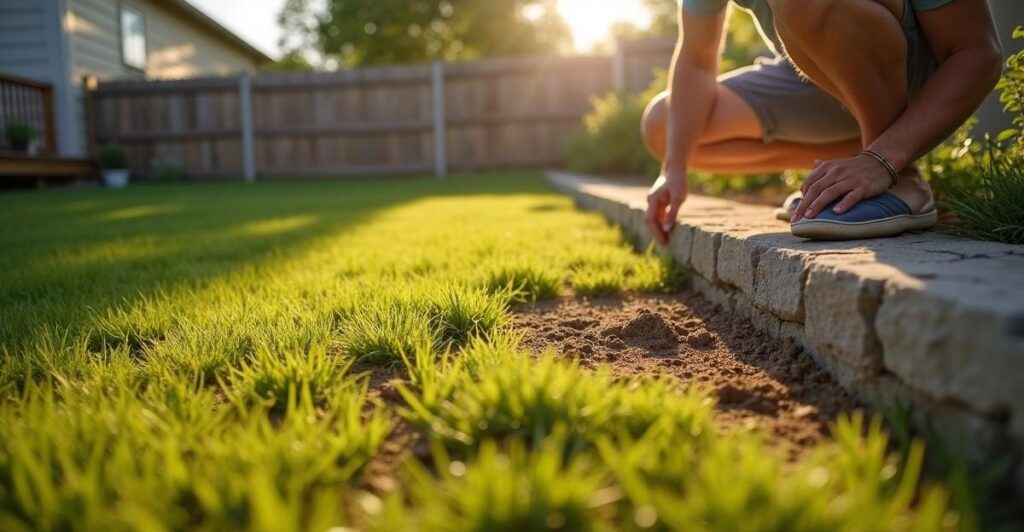
To learn how to find ant colony signs, start by following worker ants back to where they came from. You can also check warm, damp areas where ants often build nests. Look near sinks, walls, cracks, floors, and outdoor soil.
Falls Pest Services helps homeowners find the source of ant problems. If ants keep coming back, the nest may be hidden inside your home or around your yard. A careful check can help you find the trail, entry point, and colony faster.
Why Ant Colonies Can Be Hard to Find?
Ants can be hard to trace because they do not always stay near the nest. They often walk far to look for food, water, and shelter. This is why how to find ant colony signs can take time and care.
Ants use small gaps
Ants can enter through tiny spaces around your home. These gaps may be near doors, windows, pipes, vents, and foundations. You may see ants on a counter, but their nest may be far from that spot.
Check these common entry points:
- Gaps under doors
- Cracks near windows
- Openings around pipes
- Vents and wall gaps
- Cracks near the foundation
Ant nests can hide in many places
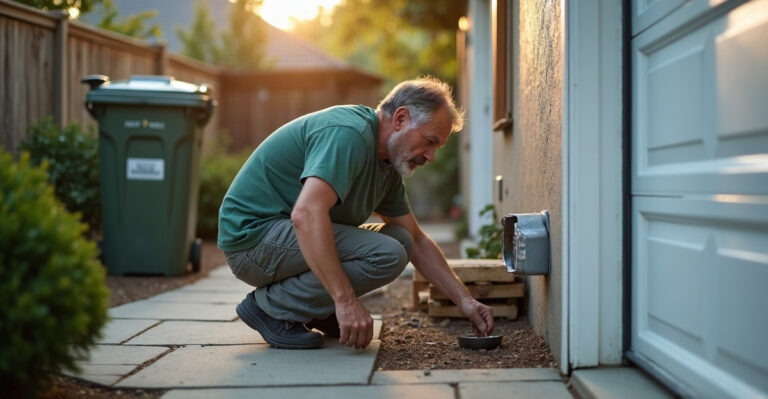
Some nests are outside in soil, mulch, or grass. This is why many people ask how to find ant colony in yard areas. Look for small dirt piles, ant trails, and movement near rocks, pavers, or garden beds. If you need to know how to find an ant nest outside, start by watching where the ants walk. Follow their trail back to the ground, wall, or crack where they enter.
Some ants nest inside homes
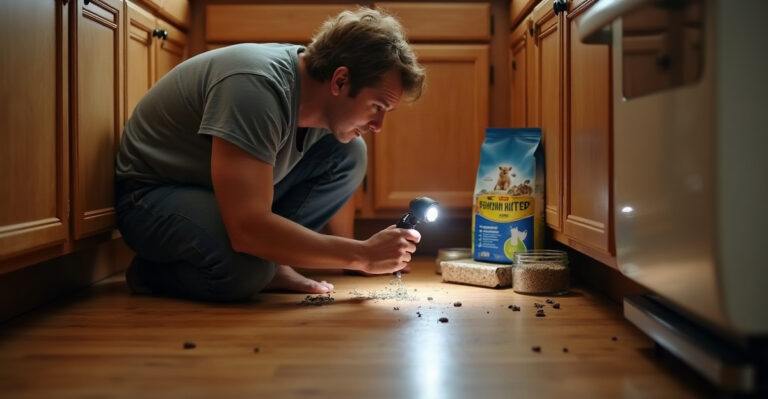
Other nests may be inside walls, floors, or damp wood. This can make the problem harder to see. If you want to know how to find ant colony in house, check warm and wet areas first. Look near sinks, tubs, laundry rooms, and hidden corners.
Learning how to find an ant colony in your house also means checking where ants keep coming back. A few ants may look like a small issue, but more ants may be hidden nearby.
A few ants can mean a bigger problem
Worker ants leave the nest to search for food. So, the ants you see may only be a small part of the colony. If trails return after cleaning, the nest may still be active. For help with ants and pest control in Idaho Falls, Falls Pest Services can inspect your home and help find the source.
How to Find an Ant Colony by Following Ant Trails?
The best way to learn how to find ant colony signs is to watch where ants walk. Ants often move in a line. This line may lead to food, water, or the place where they came from. Ants use scent trails to guide other ants. This scent is like a hidden path. You may not see it, but ants can follow it with ease. If you watch the trail long enough, you may find where they enter your home or yard.
Start with the ants you can see
Do not wipe or spray the ants right away. Watch them for several minutes first. Look at their path and see if they move in one main line. Try to find out where they go. They may walk toward crumbs, pet food, sugar, water, or trash. They may also come from a crack, wall gap, window, door, or pipe opening.
If you need to know how to find ant colony in house, start in busy rooms. Check the kitchen, bathroom, laundry room, and pantry. These areas often have food or water that ants like.
Follow the trail back
Follow the ants in the direction they came from. Move slowly so you do not break the trail. Ants may lead you to a baseboard, window frame, door gap, pipe, or wall crack.
Check these spots:
- Cracks near floors and walls
- Baseboards and trim
- Window frames
- Door gaps
- Pipes under sinks
- Vents and small wall holes
If you want to know how to find an ant colony in your house, look for repeat activity. Ants that return to the same spot may have a hidden nest nearby.
Use a small bait spot
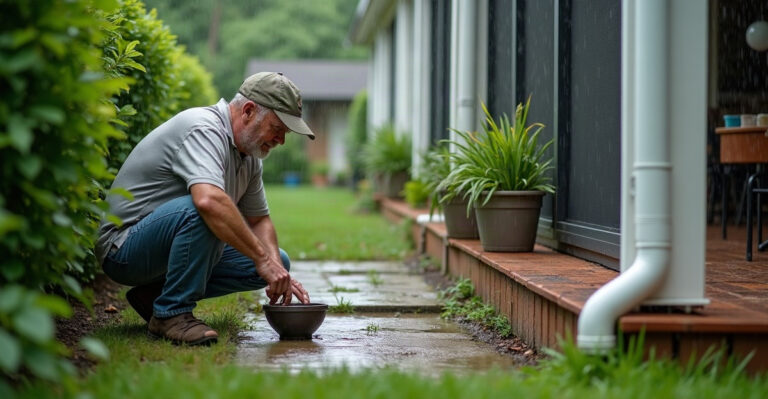
If the trail is hard to see, place a small sweet bait on a lid. You can use honey or sugar water. Put it near where you saw ants. Wait and watch. More ants may come to the bait. Then, they may walk back to the nest. This can help you trace the trail with less guesswork.
Check outdoor trails too
Outdoor ants may move along walls, fences, patios, and garden beds. If you want to know how to find ant colony in yard, follow ants back to soil, mulch, rocks, or pavement cracks. To learn how to find an ant nest outside, look for small dirt piles or heavy ant movement near one spot.
Do not spray the trail too soon. Sprays can scatter ants and make the source harder to find. If trails keep coming back, call Falls Pest Services, a trusted pest control company in Idaho.
How to Find an Ant Nest Outside?
Learning how to find ant colony signs outside starts with a slow check around your yard. Ants often build nests near food, water, shade, or dry soil. Some nests look like small dirt piles. Others hide under wood, rocks, or concrete edges.
Check common outdoor spots
If you want to know how to find an ant nest outside, start near the home. Ants often move from the yard into small gaps around the house.
Look in these areas:
- Along the home’s foundation
- Near patio edges
- Under stepping stones
- Around tree roots
- Near mulch and garden beds
- Around irrigation leaks
- Under stored wood
- Near cracks in sidewalks or driveways
Watch for ants moving in one line. Follow the trail back to the spot where many ants gather. This may lead you to a nest opening.
Look for signs in the yard
You may need to check more than one area. Ants can nest in dry soil, damp mulch, or under items that sit on the ground. This is why how to find ant colony in yard work takes patience. Look for loose soil, small holes, heavy ant movement, or ants carrying food. Check after watering the lawn too. Moisture can make ants more active.
Stay safe during your search
Do not kick, dig, or spray a large nest if you are not sure what type of ant you have. Some ants may bite or sting when disturbed. Keep children and pets away from active nests.
Outdoor nests can also connect to indoor trails. If you also need how to find ant colony in house or how to find an ant colony in your house, check doors, windows, pipes, and wall gaps. Falls Pest Services can help with home ants and commercial pest control in Idaho Falls when nests are hard to find or keep coming back.
How to Find an Ant Colony in Yard?
Learning how to find ant colony signs in your yard starts with a close look at where ants move. Ants often build nests near food, water, soil, wood, or shade. Some nests are easy to see, but others stay hidden under objects.
Look for clear yard signs
If you want to know how to find ant colony in yard, check places where ants gather again and again. Watch for trails and follow them back to the source.
Look for these signs:
- Ants near pavement cracks
- Ants near garden beds
- Under rocks, bricks, logs, or pavers
- Trails along fences
- Ants near the foundation
- Ants around outdoor trash cans
- Small soil mounds in the lawn
- Ants near pet bowls or bird feeders
Small soil mounds may show where ants push dirt out of the nest. Pavement cracks may also hide nest openings. If ants use the same crack often, the colony may be close.
Check dry and damp areas
Some ants like dry soil because it helps them build tunnels. You may find these nests in sunny lawn areas, near sidewalks, or along driveways. Other ants prefer damp spots. Check mulch, garden beds, irrigation leaks, and areas near hoses. Moisture can draw ants to one part of the yard.
Connect yard signs to home signs
Yard ants may also move indoors. If you need how to find ant colony in house, start near doors, windows, pipes, and wall gaps. These areas may connect outdoor trails to indoor food or water. The same is true when you need how to find an ant colony in your house. Follow the trail from inside to outside when possible.
If you also want to know how to find an ant nest outside, watch the ants for several minutes before you act. For help with ants, Falls Pest Services offers residential pest control in Idaho Falls for homes with indoor or outdoor ant problems.
Common Mistakes When Looking for Ant Colonies and When to Call Falls Pest Services
Finding ants can feel simple at first. But small mistakes can make the trail harder to follow. If you want to learn how to find ant colony signs, start with patience. Watch where ants walk before you clean, spray, or seal gaps.
Common mistakes to avoid
Many people spray ants as soon as they see them. This may kill the ants in sight, but it can break the trail. It can also make the source harder to find.
Here are common mistakes to avoid:
- Spraying ants before tracking them
- Ignoring leaks and damp spots
- Leaving crumbs or pet food out
- Only checking the kitchen
- Not checking outside
- Sealing one crack while ants use another
- Using too much bait in the wrong place
Ants look for food, water, and shelter. If crumbs, trash, or pet food stay out, more ants may come. If a sink leaks, ants may keep returning to that damp area. It also helps to check more than one place. If you need how to find ant colony in house, check kitchens, bathrooms, laundry rooms, and wall gaps. If you need how to find ant colony in yard, check soil, mulch, patios, and the foundation.
Know when to ask for help
Some ant problems need more than a quick check. Call Falls Pest Services if ants keep coming back, trails grow larger, or nests are hard to find. You should also call if ants may be inside walls, floors, or damp wood. An ant control expert can inspect your home with care. They can find entry points, check indoor and outdoor trails, and identify the type of ant. Then, they can suggest the right treatment plan.
If you are unsure how to find an ant colony in your house or how to find an ant nest outside, professional help can save time. Falls Pest Services also handles ants and other pests, including Idaho spider control service needs.
How to Spot Ant Colony Signs Around Your Property?
Ants can move across your property before you find the nest. You may see them near your kitchen, yard, patio, garden, or foundation. To spot ant colony signs, watch where ants walk and where they gather. A steady trail often leads to food, water, or a hidden nest.
Some signs are easy to miss because ants use small cracks and quiet paths. They may enter through doors, windows, pipes, vents, or gaps near the foundation. You may also find nests outside under rocks, mulch, pavers, logs, or dry soil. Check both indoor and outdoor areas if ants keep coming back.
Look for these common signs:
- Steady ant trails: Ants often move in a clear line from food or water back to the nest.
- Small soil mounds: Outdoor nests may leave loose dirt in lawns, gardens, or pavement cracks.
- Ants near damp spots: Sinks, leaks, mulch, and wet soil can draw ants.
- Ants from one crack: Repeated movement from the same gap may point to a hidden colony.
Need Help Finding the Ant Source?
Finding the source can take time, especially when ants hide in walls, damp wood, or yard spaces. If you need help with how to find ant colony signs, Falls Pest Services can inspect your home and guide you with the right next step. Our team checks trails, entry points, moisture spots, and hidden nest areas. If ants keep coming back, contact us to get help finding the source and planning the right treatment.
Frequently Asked Questions
The best way is to follow the ant trail. Watch where ants walk and trace them back to their entry point. Check cracks, baseboards, sinks, windows, doors, and outdoor soil.
You may see steady trails, ants near water, small dirt piles, or ants coming from the same crack. Winged ants near windows can also mean a nest may be nearby.
Check along the foundation, near patio edges, under rocks, under pavers, around mulch, and near pavement cracks. Ants may also nest near tree roots or damp soil.
It is best to wait. Spraying too soon can break the trail and make the nest harder to find. Watch the ants first, then follow them to the source.
Call Falls Pest Services if ants keep coming back, trails get larger, or you cannot find the nest. A trained team can inspect your home and suggest the right treatment.